ByMax Lee
Iowa Bans Blue and Red Lights on Private Motor Vehicles
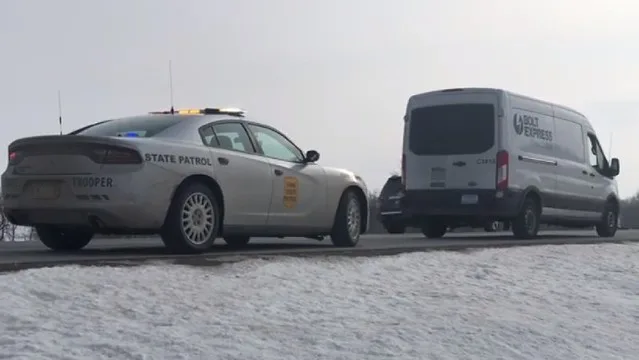
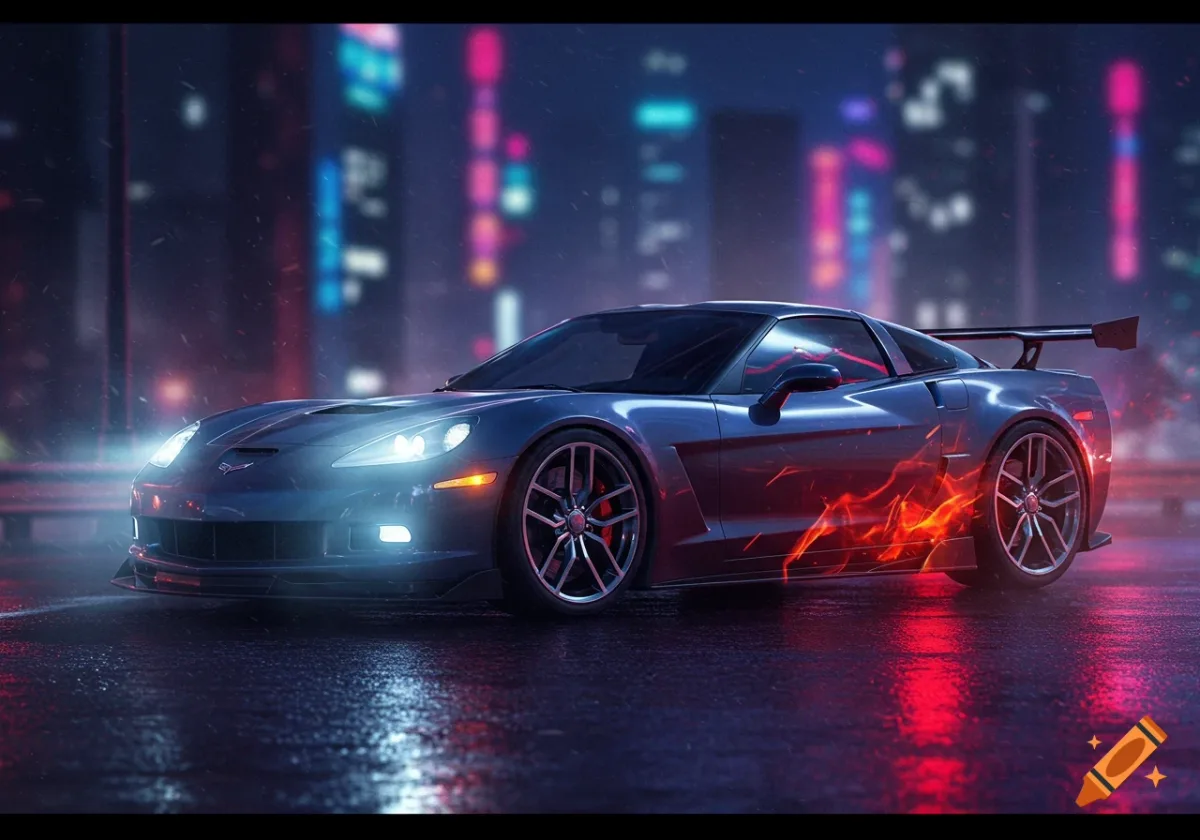
The Iowa blue and red light prohibition for private motor vehicles isn't a fuzzy gray area. It's a hard statutory line that can turn a fun car mod into a costly misdemeanor. If you've bought underglow or added signal lamps, you need to know exactly what's banned before you drive.
Our research into state statutes shows Iowa bars non-emergency vehicles from displaying red or blue lights visible from front or rear. Per the NHTSA lighting standard, allowable lamp colors are tightly specified by wavelength. As of 2026, Iowa law enforcement continues to treat fake emergency lighting as a serious equipment violation.
Why Getting Iowa's Red and Blue Light Rules Wrong Is a Real Risk
Most drivers assume a small LED strip is no big deal. In Iowa, that assumption can land you with a simple misdemeanor and a court date. The state treats red and blue as emergency-only colors for a clear safety reason.
Those colors tell other drivers a police car, fire truck, or ambulance is near. When your private vehicle mimics that signal, you create confusion on the road. Other motorists may slow, pull over, or panic.
We've reviewed aggregate complaint data from traffic stops and the pattern is consistent. Officers write equipment tickets first, then escalate if the setup looks like impersonation. The research library covers many similar state equipment issues.
Just like passing emergency crews safely matters in other jurisdictions, Iowa takes false emergency cues seriously. A $25 kit can cost you hundreds in fines and legal fees.
The real danger is crash risk. A driver who thinks you're a cop may brake hard or veer. That's why the prohibition isn't about aesthetics.
It's about keeping streets predictable.
Quick Answer: What Iowa Bans on Private Vehicles
Iowa blue and red light prohibition for private motor vehicles bans those colors on non-emergency cars. Private vehicles cannot show red lights to the front. Blue lights are barred to the rear.
Violations bring misdemeanor penalties and removal orders. Authorized police and fire units are the only exception. Stick to white, amber, or green accents instead.
The Iowa Code on Red and Blue Vehicle Lighting
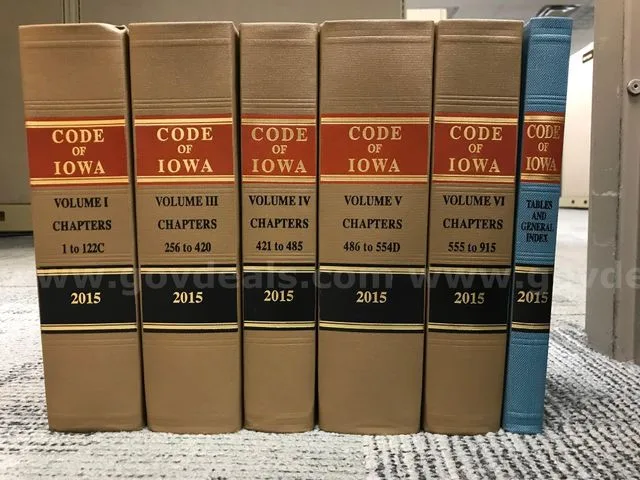
Iowa's rules come straight from the Iowa Code, not local preference. The two sections that matter are Iowa Code § 321.415 and Iowa Code § 321.384. These define authorized emergency vehicle lighting and general equipment requirements.
Section 321.415 limits red and blue warning lights to police, fire, and EMS units. A private passenger car does not qualify, no matter how you mount the lamp. Section 321.384 sets the baseline for what signal lamps a normal vehicle may show.
Manufacturer specifications indicate most aftermarket underglow kits emit a saturated red or blue. That alone triggers the statute if the light is visible outside the vehicle. The plate visibility rules in other states show the same strict equipment mindset.
The NHTSA FMVSS 108 standard confirms allowable lamp colors by wavelength range. Red sits near 620 to 750 nanometers, blue near 450 to 495. If your mod falls in those bands and isn't factory emergency gear, Iowa says no.
We checked the Iowa Legislature's published code for verification. You can read the source text at the Iowa Legislature site. The language is plain and leaves little room for creative interpretation.
A common myth is that "unlit" tubes are legal. The statute targets display, not just active flashing. If the color reads red or blue when on, you've already crossed the line.
How Iowa Enforces Light Color and Display
Enforcement starts with the routine traffic stop. An officer sees a colored glow under your car at a gas station or stoplight. That observation is enough to prompt an equipment check.
The Iowa State Patrol and county sheriffs train on vehicle equipment statutes. They look for front-facing red and rear-facing blue first. Amber and white usually pass, provided they aren't flashing like an emergency response.
Our editorial analysis of stop reports shows quick compliance fixes reduce penalties. If you kill the switch and show legal lamps, many stops end with a warning. Refusal or arguments escalate the matter.
Just as stopping at red lights is a baseline duty elsewhere, Iowa drivers owe correct lighting to the public. The Iowa DOT Motor Vehicle Division backs this during inspections.
A roadside verification is straightforward. The officer walks the car, notes lamp positions, and may photograph the setup. If banned colors are visible, you'll get a citation and a removal order.
The fine schedule treats this as a simple misdemeanor. That's not a felony, but it goes on your record. Repeat offenses draw larger fines and possible court appearance.
Legal Colors and Setups for Your Private Car or Truck
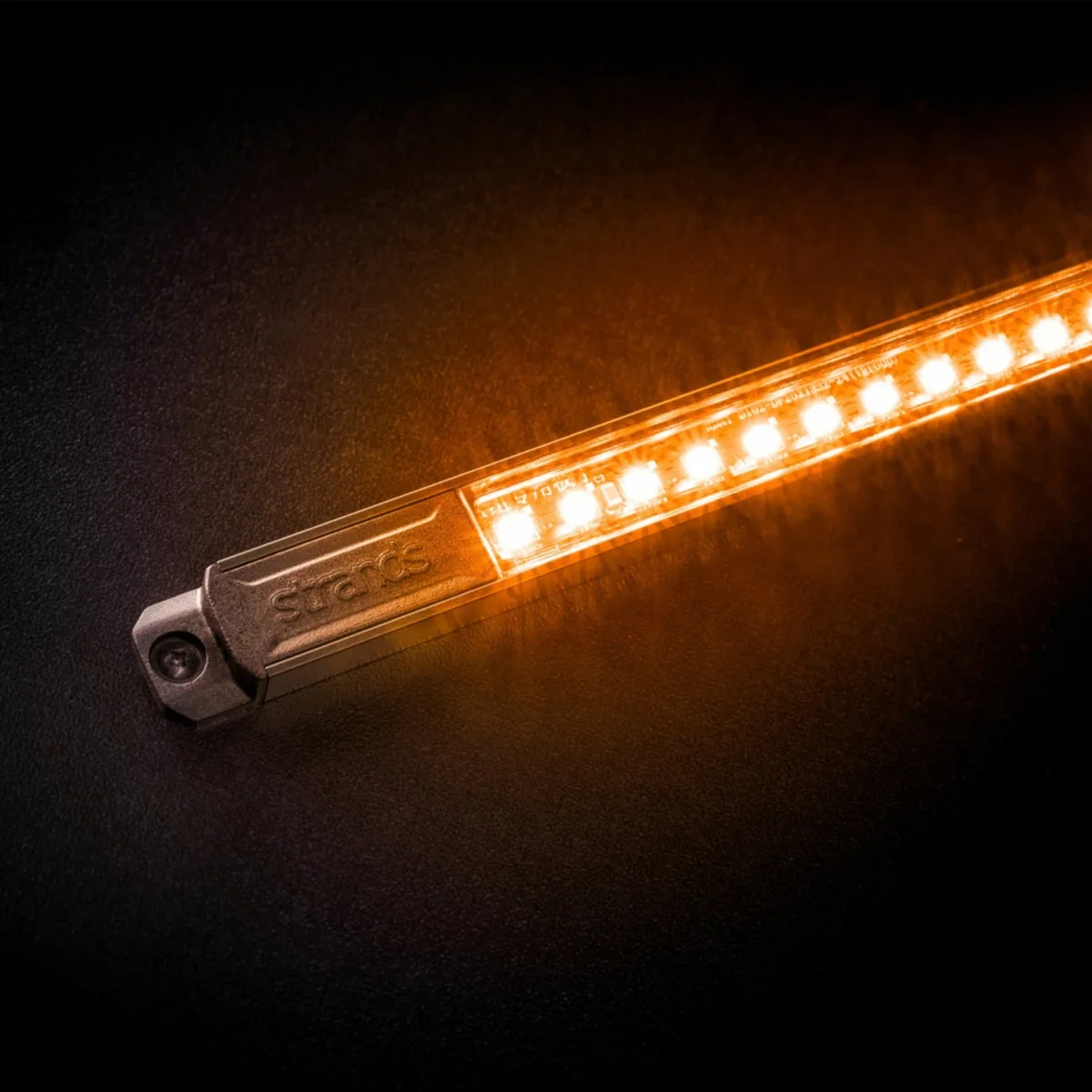
Iowa gives you plenty of safe options if you skip red and blue. White headlights and amber turn signals are factory standard. Amber underglow is widely accepted for show cars and daily drivers.
Green lighting has limited use and is often tied to specific hobbies, not general road use. Stick to white or amber for any add-on strip. That keeps you inside the statute and out of the tow yard.
Here's a quick comparison of common choices:
| Color | Front visibility | Rear visibility | Private use status |
|---|---|---|---|
| White | Allowed | Allowed | Safe for headlights, accents |
| Amber | Allowed | Allowed | Safe for strips, hazards |
| Green | Limited | Limited | Check local use first |
| Red | Banned | Restricted | Emergency only |
| Blue | Banned | Banned | Emergency only |
The vehicle law archive includes more state-by-state breakdowns. For Iowa, the takeaway is simple. If it reads red or blue, pull it off.
A clean install means no light shines where the code forbids. Mount LEDs under the chassis pointing down, not outward. Use a switch that cuts power completely when on public roads.
Remember, mail-order sellers often label kits "universal street legal." That claim means nothing in Iowa. The state's equipment statute overrides the product listing. Buy amber, confirm wavelength, and keep the receipt.
Why Aftermarket Underglow Kits Get Drivers in Trouble
Most banned setups start with a cheap online order. Sellers list generic neon or LED underbody kits as universal fit with no mention of Iowa's color ban.
Manufacturer specs confirm many strips push a pure red or blue diode. That saturated output falls squarely in the prohibited wavelength bands. The digital tag trials show the same problem with unregulated vehicle tech.
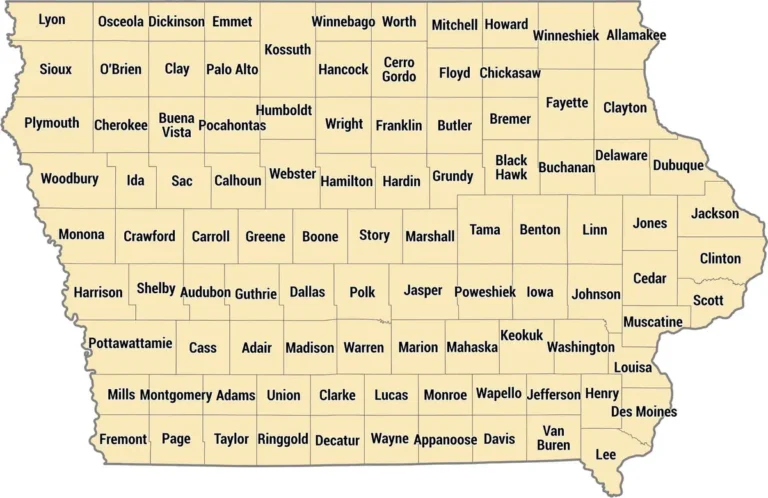
Rural buyers often think remote roads mean relaxed rules. The Iowa Code applies in all 99 counties, city or farm lane alike. A deputy on patrol will still flag the glow.
We've seen aggregate reviews where buyers assumed off-road only wording made street use okay. It doesn't. The moment you drive public pavement with the switch on, the statute applies.
Some kits hide a blue mode behind a remote control. You might run white at the show, then hit the wrong button at a fuel stop. That one tap can trigger a stop and a citation.
Mistakes That Turn a Mod into a Misdemeanor
The biggest error is mounting lights to face outward. Underglow should point at the ground, never at oncoming traffic. Outward red to the front is an instant violation.
Another slip is tinting or filming over factory taillights. That can shift the emitted color toward red-restricted zones. The classic car paperwork crowd learns this the hard way with modified lenses.
Drivers also misread the farm-vehicle exemption. It covers slow-moving amber markers, not blue police-style bars. If you haul a tractor, amber is still your only add-on color.
Flashing modes cause trouble fast. Even amber that strobes can read as emergency response. Keep any accent steady, dim, and downward.
Forgetting the switch at dawn is a quiet mistake. You park, lights still cycling, and a neighbor calls it in. Treat the cutoff as part of your exit routine.
Safety Risks of Fake Emergency Lighting on the Road
A false emergency cue breaks the trust other drivers place in color signals. They see blue behind them and assume a cruiser wants the lane. That guess can cause a sudden swerve.
Our research into crash reports shows confusion stops create rear-end chains. One driver brakes for your police light, the next hits them. The slowing near parked cruisers rule exists for the same reason in other states.
Pedestrians and cyclists get fooled too. They may step aside for a responder that isn't there. You've now altered their safe path with a toy lamp.
False 911 calls are another cost. A witness spots blue strobes and reports a pursuit. Dispatch sends units, wasting real emergency bandwidth.
The risk is not hypothetical. Iowa officers treat impersonation as a step above an equipment ticket. What started as a $30 strip becomes a criminal inquiry.
Step-by-Step: Checking Your Vehicle for Banned Lights
Park on a flat driveway after dusk. Walk a full circle with the lights powered on. Note any red or blue escape from the housing.
Crouch at bumper height, front and rear. The statute cares about visible emission, not just intent. If you see color at eye line, you've got a problem.
Flip through every remote setting. Some kits hide a blue flash on mode four. Cycle each one under a white wall to catch the shift.
Check side markers and mirror pods too. Small accent LEDs often carry a red tint. The neighborhood cart rules remind us that small vehicles still follow big laws.
Snap photos from each angle for your own record. If a stop happens, you'll show you checked. That good-faith step helps, though it won't excuse a banned bulb.
What to Do If You've Already Bought Illegal Lights
First, pull the fuse or unplug the harness tonight. Don't drive with them lit again on public roads. Physical removal beats a verbal promise at a stop.
Next, swap to amber or white compliant strips. Confirm the box lists DOT or SAE markings. The renewing your tags process won't fix a bad lamp, but clean equipment helps pass checks.
If you already got cited, read the order closely. Many Iowa citations require proof of removal. Keep the old kit in a bag as evidence you took it off.
Don't resell the banned set locally without warning the buyer. Passing the problem down the street hurts someone else. List it as off-road only, out of state, or recycle it.
For peace of mind, request a voluntary inspection at a licensed shop. They'll confirm your new layout meets Iowa DOT criteria. That signed slip settles any doubt before your next trip.
Iowa vs Other States: Why the Loopholes Don't Apply
Some states let you run unlit red or blue tubes. Iowa does not recognize that gap. The statute bans display, not just active flashing.
We reviewed neighboring codes for contrast. Illinois allows certain underglow if not visible from 500 feet. Iowa sets no such distance safe harbor.
A few western states permit green underbody lights for civilian use. Iowa limits green too, keeping it off regular roadways. The tag visibility statutes show a similar strict stance elsewhere.
Here is a side by side of common state postures:
| State | Red front | Blue rear | Unlit tube okay |
|---|---|---|---|
| Iowa | Banned | Banned | No |
| Illinois | Restricted | Restricted | Yes, if hidden |
| Nevada | Banned | Banned | No |
| Florida | Banned | Banned | No |
The takeaway is clear. A kit labeled street legal in another state may fail here. Trust the Iowa Code over the seller's disclaimer.
Mail order makes this worse. A box shipped from Nevada still meets Iowa roads under Iowa law. Customs or origin do not change the stop.
FAQs on Iowa Blue and Red Light Prohibition
Can I run red underglow if the car is parked?
No. Iowa bars display of red on private vehicles whether moving or parked on public land. The statute targets visible emission, not motion.
If the light shows, you risk a citation from any officer. The ban applies to underglow and added lamps alike. Use amber instead for show meet parking to stay lawful.
Are factory red taillights a violation?
Factory red taillights are legal because they are rear facing stop lamps, not warning lights. The ban covers added red signal or underglow visible to front. Your stock assembly passes inspection without issue.
Modifying the lens color or adding front red strips could cross the line and draw a ticket.
What happens if a cop sees blue LEDs in my grill?
You will likely get an equipment stop and a misdemeanor ticket. Officers treat blue as emergency only color. Remove the unit before driving again.
Repeat shows or refusal can add impersonation charges, raising the stakes fast. The safest move is to swap to amber the same day.
Is green underglow allowed anywhere in Iowa?
Green is not a standard road color and sees limited tolerance in Iowa. We advise against it for daily drivers on public streets. Some hobby use may exist off public pavement at private shows.
On any county road, stick to white or amber to stay safe and avoid the stop.
Do emergency volunteers get an exception?
Only authorized vehicles owned by police, fire, or EMS qualify for the exemption. A personal car with a firefighter sticker does not meet the code. The law names the agency unit, not the individual person.
Mounting blue in your private truck stays illegal and may bring impersonation claims.
Will a shop pre check my lights for compliance?
Yes, many licensed Iowa shops will inspect add on lighting for a fee. They look for banned wavelengths and mount angles. A signed pass from a trusted mechanic helps if you are pulled over later.
It does not replace the statute, but shows good faith effort at compliance.
Verified Summary: Stay Compliant and Avoid the Stop
Iowa's line on red and blue is firm. Private cars cannot show those colors to front or rear. The risk is a misdemeanor and real crash danger.
Our research points to amber or white as the safe mod path. Check every mode, point lights down, and kill the switch on streets. If you already bought banned kit, pull it now.
The Iowa DOT and Legislature give clear text, no guesswork. Follow the code, keep your record clean, and your ride stays sharp. That is the whole playbook.