Most people do not realize how detailed Florida's golf cart laws are until they hold a citation. The Florida golf cart operation rules on public roads and driver age limits are mostly straightforward, but they carry traps that catch new residents and seasonal visitors every year.
State law sets clear baselines. You need a minimum age of 14 and a valid driver license. Your cart must stay off any road posted above 30 mph.
Local city and county rules can add extra restrictions or permits. Getting it wrong means fines, impoundment, or even a DUI arrest.
Quick Answer
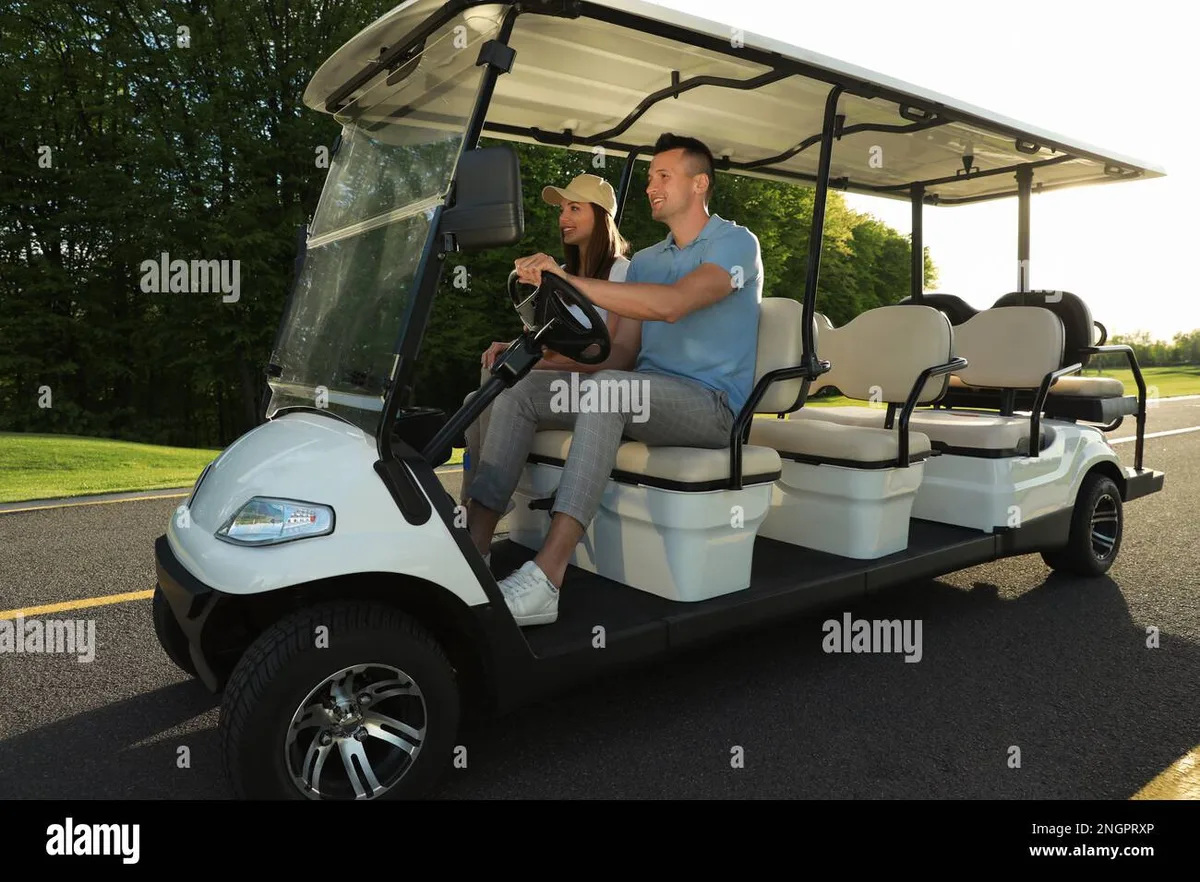
You must be 14 years old with a valid driver license. Your cart can only drive on roads posted 30 mph or less. It needs headlights, tail lights, turn signals, a mirror, and a horn.
Local rules may add more requirements.
Why Accuracy Matters: One Wrong Move Could Cost You Big
Florida treats golf carts as motor vehicles under many laws. That means a DUI applies the same way it does in a car. Hit a pedestrian while driving an improperly equipped cart and you face the same liability as any driver.
The biggest mistake we see is people assuming a cart that runs fine on the course is legal on public streets. It is not. The equipment list is specific, and enforcement officers know exactly what to check.
Property tax and registration rules differ by vehicle class. A Low-Speed Vehicle requires full registration, title, and annual fees. A golf cart does not.
But if an officer decides your vehicle meets the LSV definition based on its speed or features, you could get cited for operating an unregistered vehicle.
Fines stack fast. Expect $100 to $500 for a first violation. Add impound fees and towing bills, and a quick grocery run can cost more than a month of car payments.
Read the fine print before you drive off your property.
Golf Cart vs. Low-Speed Vehicle: The Critical Distinction
This is where most confusion lives. Florida law draws a hard line between a golf cart and a Low-Speed Vehicle (LSV), also called a Neighborhood Electric Vehicle.
| Feature | Golf Cart | Low-Speed Vehicle (LSV) |
|---|---|---|
| Top speed from factory | Under 20 mph | 20 to 25 mph |
| VIN required | No | Yes (17-digit) |
| Registration | Not required | Required with tag |
| Insurance required by state | No | Yes (PIP and PDL) |
| Allowed on roads above 30 mph | No | Yes, up to 35 mph |
| Safety equipment | Basic | Federal motor vehicle standards |
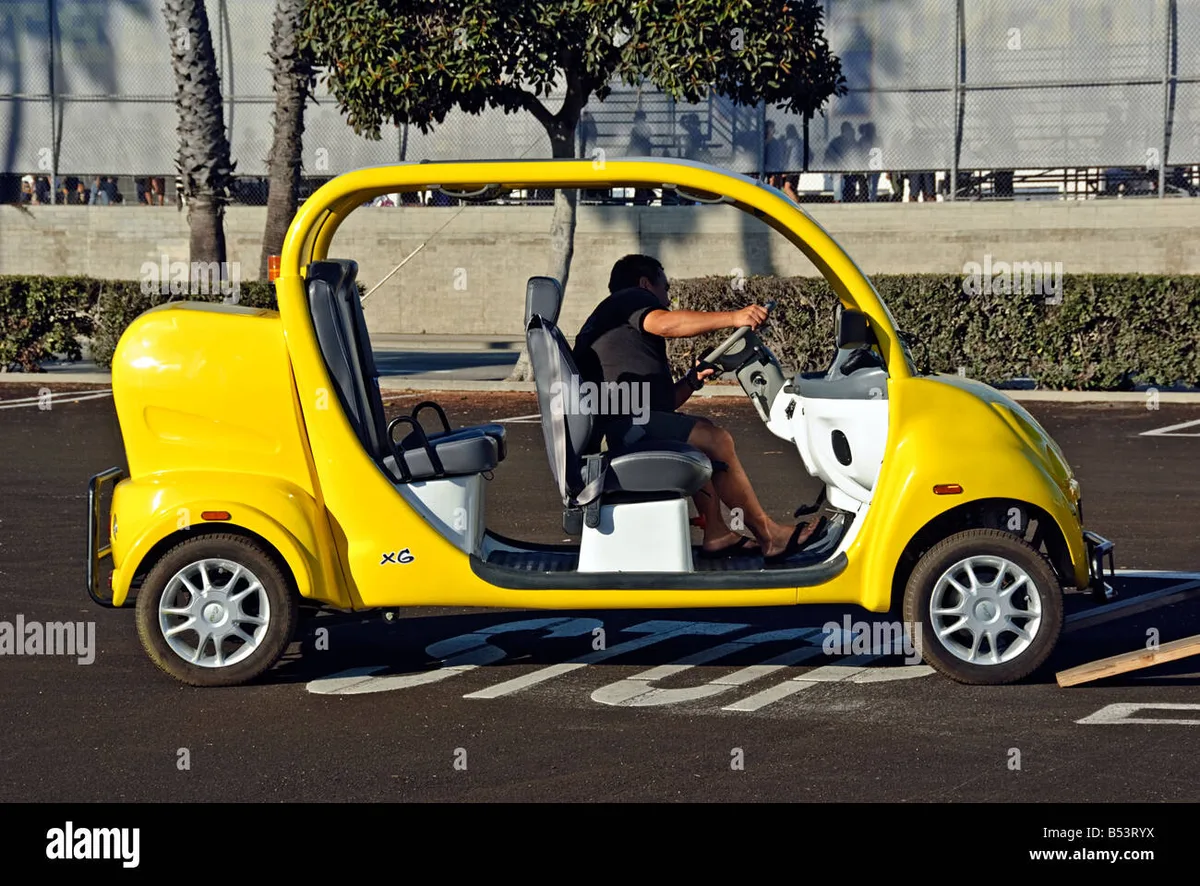
If you modify your cart to go faster than 20 mph, Florida may reclassify it as an LSV. That triggers registration, title, insurance, and equipment obligations you probably did not plan for. Per Florida Statute 320.01, any vehicle that can exceed 20 mph but not 25 mph on level ground is an LSV.
Which one should you own?
Stick with a standard golf cart if you only drive inside a private community or on roads with speed limits under 30 mph. Choose an LSV if you need to cross busier roads or want the protection of full insurance coverage.
Legal Minimum Age and License Requirements
Florida law sets the minimum operator age at 14 years old. There are important catches baked in.
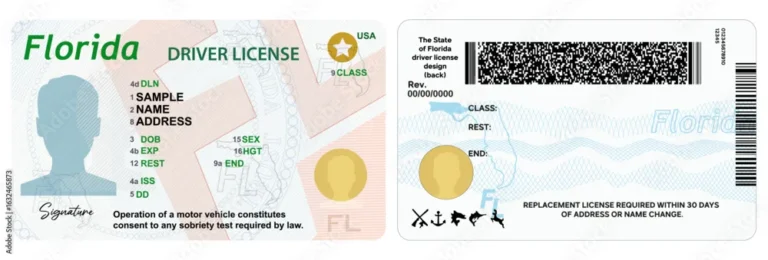
Valid driver license required
You must hold a valid driver license from any state. A learner permit does not count for driving a golf cart on public roads. If you are under 16 and hold a restricted learner permit in Florida, check with your local DMV before turning the key.
Does age 14 apply everywhere?
Some cities have raised the minimum age through local ordinances. Key West requires you to be 18 to rent a golf cart. The state age for private operation remains 14.
Always verify the local law where you plan to drive.
What about out-of-state licenses?
You can use a valid out-of-state driver license to operate a golf cart in Florida. There is no requirement to hold a Florida license unless you live here full time.
Passenger rules
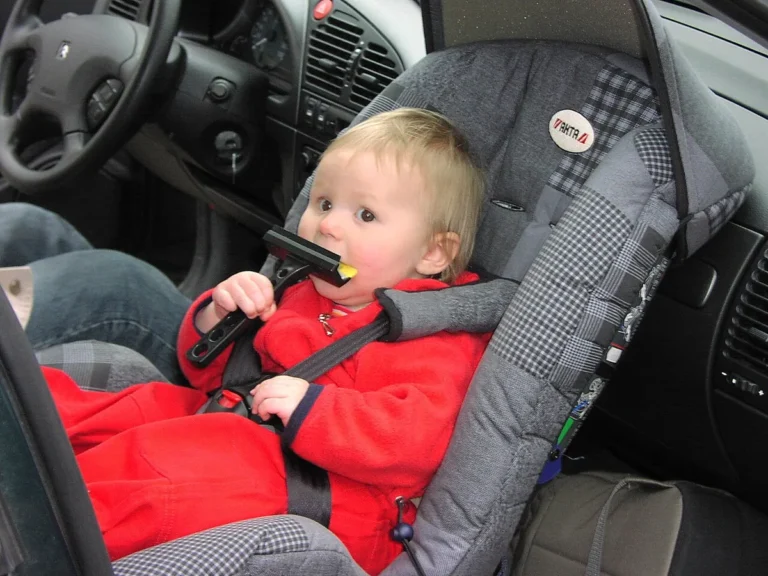
There is no specific age restriction for passengers beyond standard child restraint laws. If your cart has seat belts, children must be properly buckled. The design lacks crash testing, so riding as a passenger carries more risk than a normal car.
Speed Limits and Road Types: Where You Can Drive
The state baseline is simple. You cannot operate a golf cart on any road where the posted speed limit exceeds 30 mph. Local governments can bump that to 35 mph through an ordinance.
Roads you CAN use
- Residential streets with speed limits 30 mph or lower
- Roads designated by local ordinance, up to 35 mph
- Golf cart paths and multi-use trails when local rules allow
- Parking lots and private property with no restrictions
Roads you CANNOT use
- State highways and US routes unless a specific exception is posted
- Any road with a speed limit over 30 mph
- Sidewalks, except when crossing at an intersection
- Roads during a declared state of emergency or hurricane evacuation
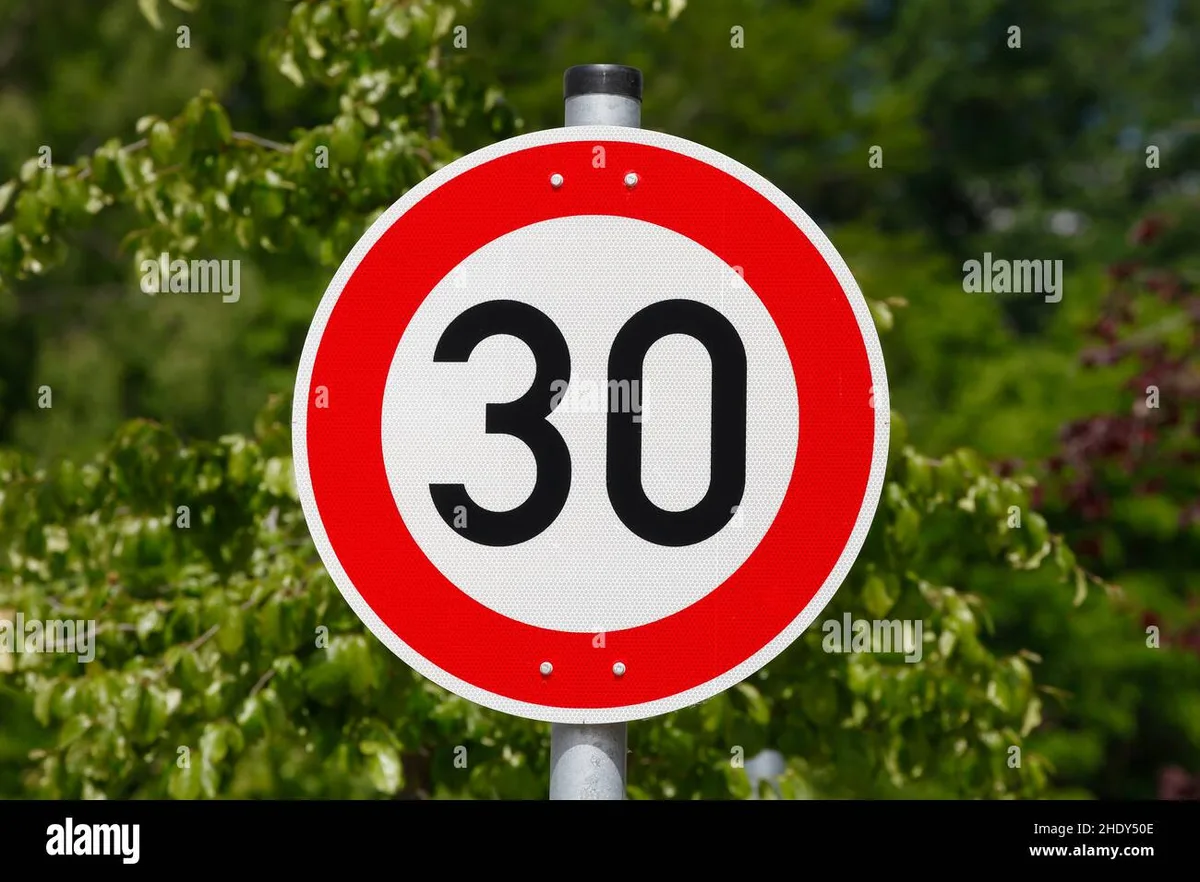
Crossing a higher-speed road
You can cross a road with a speed limit above 30 mph, but only at a marked intersection with a working traffic control device. Come to a complete stop and yield to all traffic. Crossing anywhere else is illegal.
If you live in an area like The Villages with dedicated cart paths, use them. They are designed for golf cart safety and keep you away from faster car traffic.
Required Safety Equipment for Street-Legal Operation
Florida does not require golf carts to meet full motor vehicle safety standards. It does demand specific equipment if you drive them on public roads.
The state list includes:
- Headlamps visible from 500 feet
- Taillamps visible from 600 feet
- Brake lights integrated with taillamps
- Turn signals front and rear
- Reflectors in red rear and amber front
- Rearview mirror on the driver side
- Horn audible at 200 feet
- Windshield if your cart has a roof
- Seat belts if a windshield or roof is installed

What about aftermarket kits?
Conversion kits bundle everything needed to bring a golf cart up to street-legal specs. They cost $500 to $1,500 installed. Make sure the kit includes DOT-approved lights, not generic off-road lights.
Officers check for the DOT stamp on headlamps.
Maintenance matters
Lights burn out. Batteries lose charge. A cart that passes inspection today may fail in six months.
A monthly check of all lights and the horn takes five minutes and saves a fix-it ticket.
Local Ordinances: The Rule That Overrides Everything
Florida Statute 316.212 sets the baseline for the whole state. Local governments hold real power over their streets. Some cities require a special permit and a safety inspection.
Others restrict operation to certain hours or ban carts on specific corridors.
Key West requires permits for rental carts. The Villages has its own traffic rules for golf cart paths. Check the municipal code where you drive.
The rules are split between state and local codes.
If your city says no or adds extra conditions, the local rule wins every time. Call the non-emergency police line. They enforce it daily and can give you a definitive answer in two minutes.
Common Violations and Their Real Consequences
Driving a golf cart on a road posted 45 mph is the most common violation. The fine starts around $100. Towing and impound fees add $300 to $500 easily.
Driving without a valid license is another frequent citation. Anyone behind the wheel must carry a valid license in their possession. Minors must be 14.
The most serious outcome is a DUI. Per Florida law, a golf cart is a motor vehicle for DUI purposes. You face arrest, license suspension, jail time, alcohol education, and significant legal fees.
The cart gets impounded.
Safe Practices: A Day-to-Day Operation Checklist
Check the lights before every drive. Headlamps, brake lights, turn signals. A burned out bulb is an automatic stop at night.
Look at the tires. Low pressure makes the cart handle poorly. Inflate to the manufacturer spec.
Secure your load. Golf bags and groceries shift easily in an open cart. Tie down heavy items.
On the road, stay to the right. Yield to faster traffic. Make eye contact at intersections.
Cars do not expect a golf cart in their blind spot.
Check the lights before every drive. Headlamps, brake lights, turn signals. A burned out bulb is an automatic stop at night.
Look at the tires. Low pressure makes the cart handle poorly. Inflate to the manufacturer spec.
Secure your load. Golf bags and groceries shift easily in an open cart. Tie down heavy items.
On the road, stay to the right. Yield to faster traffic. Make eye contact at intersections.
Cars do not expect a golf cart in their blind spot.
When You Need to Register, Insure, or Upgrade to an LSV
A standard golf cart does not need a tag or registration in Florida. That changes the moment your vehicle fits the Low-Speed Vehicle definition. An LSV can hit 20 to 25 mph.
It has a 17-digit VIN. It must be registered, titled, and insured.
If you modify your cart to exceed 20 mph, Florida automatically reclassifies it. No registration means no legal driving.
Insurance is not required for a standard golf cart. We strongly recommend it anyway. A liability policy covers you if you hit a pedestrian or another vehicle.
The cost is usually under $200 per year.
Upgrading to an LSV makes sense if you need to cross roads posted 35 mph. You get better safety features and legal access to more roads. The tradeoff is annual fees and insurance costs.
How to Research Your Local Rules: Step-by-Step
Step one: Go to your city or county website. Find the municipal code section on traffic or vehicles.
Step two: Search for the words "golf cart" or "neighborhood electric vehicle." Look for a specific ordinance number.
Step three: Check if a permit or decal is required. Some towns ask you to register your cart with the city for a small fee.
Step four: Call the local police department. Ask for the traffic division. They enforce the rules every day.
Step five: Read your HOA or community development district rules. Many HOAs are stricter than the city. Some ban gas carts entirely.
It takes ten minutes of online research. It saves hours of hassle and hundreds of dollars in fines.
Expert Pro Tips for Staying Legal Year-Round
Keep a copy of your city's golf cart ordinance in your glove box. If an officer questions you, you can point to the exact rule. Most people never read their local code until they get a ticket.
Join a local golf cart club or online community. These groups share real-time updates on road closures, new ordinances, and enforcement patterns. The Villages has active forums.
Key West has rental cart groups.
Review your equipment twice a year. Check lights, mirrors, horn, and tires. Battery terminals corrode in Florida humidity.
A five minute inspection in January and July prevents surprises.
Update your insurance coverage if you modify your cart. Adding speed or passenger capacity changes your risk profile. It takes a phone call and saves headaches later.
Frequently Asked Questions
Can I drive my golf cart on the sidewalk in Florida?
No. Florida law prohibits golf carts on sidewalks except when crossing an intersection to enter a roadway. Sidewalks are for pedestrians.
You risk a citation and create a safety hazard.
Do I need insurance for my golf cart in Florida?
State law does not require liability insurance for a standard golf cart. Your personal auto policy may exclude golf cart coverage. A separate liability policy costs around $200 per year and protects you if you cause an accident.
What happens if I get a DUI on a golf cart in Florida?
The same penalties apply as in a car. You face arrest, license suspension, fines, mandatory alcohol education, and possible jail time. The cart gets impounded.
DUI on a golf cart happens more often than people think in tourist areas.
Can my child drive a golf cart to school in Florida?
Yes, if your child is 14 or older and holds a valid driver license. The route must only use roads posted 30 mph or slower. Local school zone rules and crossing guard protocols still apply.
Are gas golf carts legal on Florida roads?
Yes. Gas golf carts are treated the same as electric carts under Florida law. They must meet the same equipment requirements and cannot exceed 20 mph from the factory.
No additional regulation exists beyond the standard rules.
Do I need a special license to drive a golf cart in Florida?
No. A standard driver license from any state is sufficient. A learner permit does not count.
You must hold a full valid license.
Verified Summary: Your 5-Step Legal Action Plan
Check your local ordinance. Find your city or county code online. Confirm whether a permit, sticker, or inspection is needed.
Equip your cart properly. Install DOT-approved headlamps, tail lights, turn signals, a mirror, a horn, reflectors, and seat belts if your cart has a roof.
Verify the driver. The operator must be at least 14 years old with a valid driver license. Keep the license in the cart at all times.
Map your route. Only drive on roads posted 30 mph or slower. Cross faster roads only at marked intersections with traffic controls.
Insure yourself. State law does not require it, but buy a liability policy. It covers medical bills and property damage if you cause an accident. A small annual cost protects your savings from one mistake.