ByMax Lee
Kansas $20 VIN Inspection Fee for Out-of-State Titles
Yes, Kansas charges a $20 VIN inspection fee for standard out-of-state title transfers. This fee applies when you’re registering a vehicle previously titled in another state. The inspection verifies the vehicle’s identification number matches the paperwork, preventing fraud.
The process is straightforward but required. As of 2026, the Kansas Department of Revenue mandates this step for all out-of-state transfers before issuing a new title. Skip it, and you won’t be able to legally register your vehicle in Kansas.
Quick Answer
Kansas charges a $20 VIN inspection fee for standard out-of-state title transfers. It applies to passenger vehicles, trucks, and motorcycles. The inspection confirms the VIN matches your paperwork.
You must complete it before transferring the title.
How the Kansas VIN Inspection Fee Works
The $20 fee covers the cost of verifying your vehicle’s VIN during an out-of-state title transfer. An authorized inspector checks that the VIN on the vehicle matches the one on your out-of-state title or registration. This step is non-negotiable for standard passenger vehicles.
The fee is separate from other title and registration costs. It’s a one-time charge per vehicle, paid directly to the inspector or their office. The inspection itself usually takes 15 to 30 minutes if you have all the required documents ready.
Who Actually Needs to Pay the $20 Fee
You’ll pay the $20 VIN inspection fee if you’re transferring an out-of-state title for a standard passenger vehicle. This includes cars, trucks, and motorcycles not previously registered in Kansas.
New Kansas residents with out-of-state titles need it. Buyers of used vehicles from another state need it. Even if you’ve lived in Kansas before but your car was titled elsewhere, you’ll still need the inspection.
You won’t pay this fee for in-state title transfers or if your vehicle is already registered in Kansas. Salvage, rebuilt, or commercial vehicles may have different requirements and fees.
Where to Get a VIN Inspection in Kansas
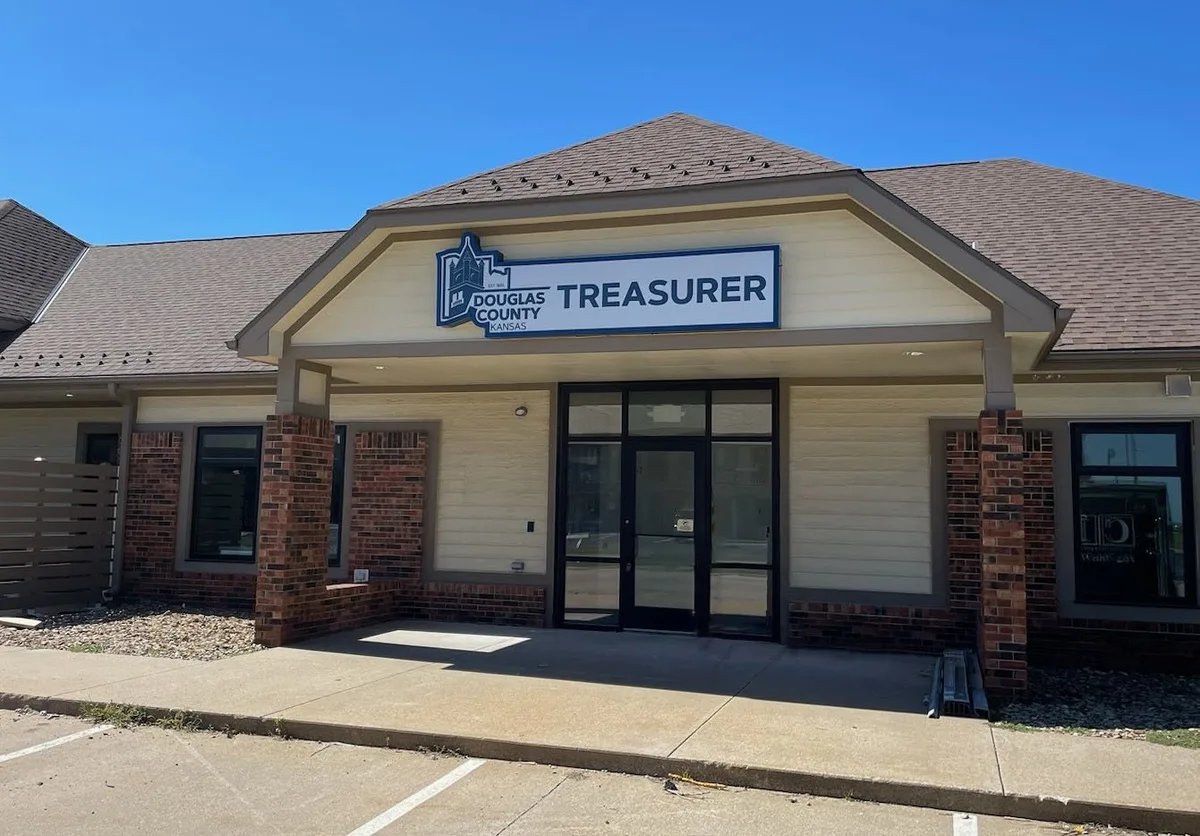
You can get a VIN inspection at several authorized locations across Kansas. The most common options are county treasurer offices, Kansas Highway Patrol stations, and licensed vehicle dealers.
County treasurer offices are the most accessible for most people. They handle inspections during regular business hours. Some may require an appointment, so it’s best to call ahead.
Kansas Highway Patrol stations also perform VIN inspections. These are ideal if you’re near a patrol office and need a quick verification. Licensed dealers can do inspections too, but they may charge additional fees beyond the $20.
For a full list of locations, check the Kansas Department of Revenue’s Division of Vehicles website. They provide updated lists of authorized inspectors by county.
Step-by-Step: Getting Your VIN Inspection for an Out-of-State Title Transfer

Start by locating your vehicle’s VIN. It’s typically on the dashboard near the windshield on the driver’s side. You can also find it on your out-of-state title or registration documents.
Next, gather the required documents. You’ll need your out-of-state title, proof of insurance, and a valid ID. If the title is in someone else’s name, you’ll also need a power of attorney or a signed release.
Schedule an appointment if required. Some county treasurer offices and Highway Patrol stations prefer or require appointments for VIN inspections. Call ahead to confirm their process.
At the inspection, present your vehicle and documents. The inspector will verify the VIN on the vehicle matches the paperwork. They’ll also check for any signs of tampering or fraud.
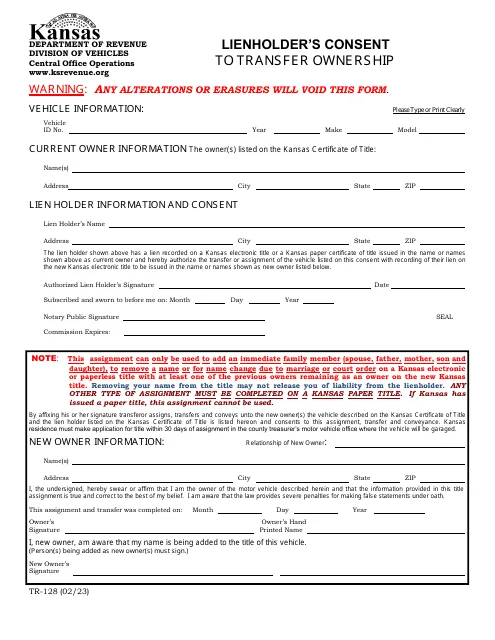
Once complete, you’ll receive a VIN inspection certificate, often Form TR-128.
What You’ll Need to Bring to the Inspection
Bring your out-of-state title first. Without it, the inspector can’t verify the VIN matches your paperwork. If you don’t have the title, a registration document may work as a temporary substitute.
You’ll also need proof of insurance. Kansas requires it before issuing a new title. A valid driver’s license or state ID is mandatory too.
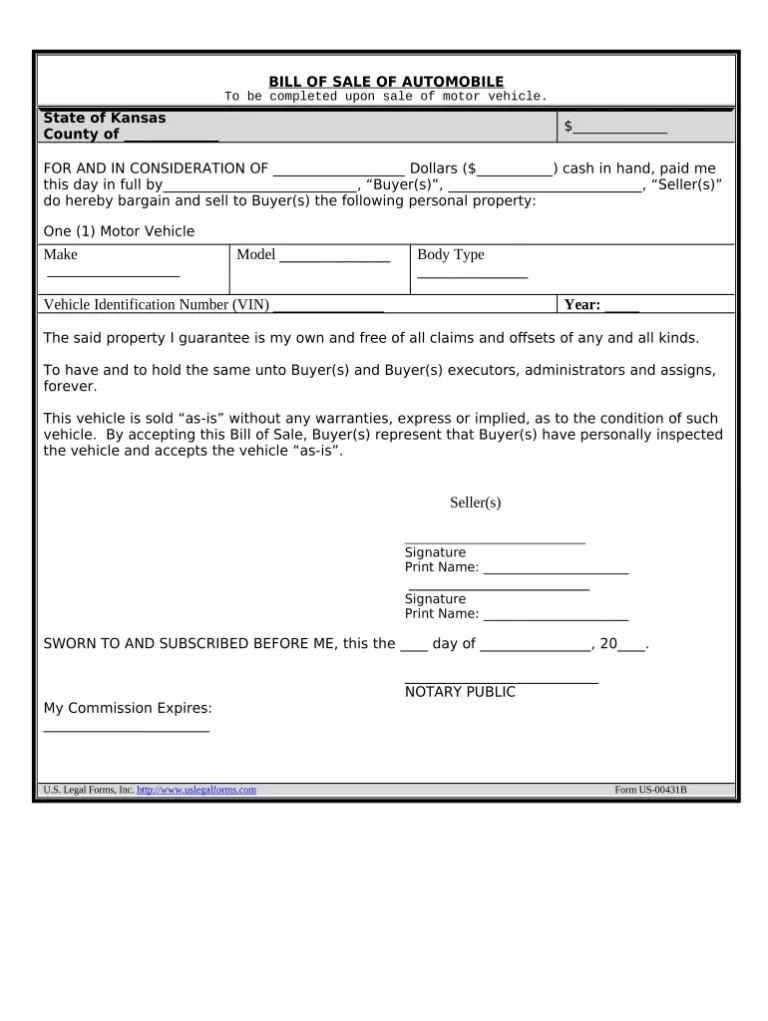
Some locations may ask for additional items. A bill of sale can help if the title isn’t in your name yet. If the vehicle has a lien, bring the lienholder’s information.
Other Fees You’ll Pay (Beyond the $20 VIN Inspection)
The $20 VIN inspection is just one part of the cost. Kansas also charges a title fee, which is currently $10 for standard passenger vehicles. Registration fees vary by vehicle type, weight, and age.
Property tax is another expense. Kansas calculates it based on your county and the vehicle’s appraised value. You’ll pay this when registering the vehicle.
Late fees apply if you don’t transfer the title within 60 days of establishing residency. The penalty starts at $10 and increases the longer you wait.
Common Mistakes That Delay Your Title Transfer
Forgetting the VIN inspection is the top mistake. Without it, the county treasurer can’t process your title transfer. Always complete this step first.
Bringing incomplete paperwork slows things down too. Missing titles, expired insurance, or no ID means a return trip. Double-check your documents before heading to the inspection.
Assuming all locations offer inspections can waste time. Not every county office or dealer provides this service. Call ahead to confirm availability and hours.
When You Don’t Have to Pay the $20 Fee
In-state title transfers skip the VIN inspection fee. If your vehicle is already titled in Kansas, you won’t need another inspection. The same applies to renewals.
Brand-new vehicles from a Kansas dealer are exempt. The dealer handles the VIN verification during the initial titling process. You’ll only pay the standard title and registration fees.
Some military personnel may qualify for exemptions. Active-duty members stationed in Kansas should check with the Kansas Department of Revenue for specific rules.
Military & Special Cases: Different Rules?
Active-duty military members often get extensions for title transfers. Kansas allows a 30-day grace period after your duty ends. This gives you extra time to complete the process.
Non-resident military personnel may not need a Kansas title at all. If you’re stationed in Kansas but maintain residency elsewhere, you can keep your home state’s title and registration. Confirm with your base’s legal office.
Surviving spouses of military members may qualify for fee waivers. Kansas offers certain exemptions for vehicles inherited from a deceased service member. Bring the death certificate and military ID to the county treasurer for details.
FAQs About Kansas VIN Inspections for Out-of-State Titles
Do I need a VIN inspection for a used car bought in Kansas?
No. If the vehicle is already titled in Kansas, you only need a standard title transfer. The VIN inspection is only required for out-of-state titles.
Can I get the inspection done at any police station?
Not all police stations offer this service. Only authorized locations like county treasurer offices, Kansas Highway Patrol stations, and licensed dealers can perform the inspection.
What happens if my VIN doesn’t match the title?
The inspector will flag the discrepancy. You’ll need to resolve it with the previous owner or your state’s DMV before Kansas can issue a new title.
How long is the VIN inspection certificate valid?
The certificate is typically valid for 60 days. You must complete the title transfer within this window, or you may need a new inspection.
Is the $20 fee the same for all vehicle types?
No. The $20 fee applies to standard passenger vehicles. Commercial vehicles, salvage titles, and rebuilt vehicles may have different inspection requirements and fees.
Final Checklist Before You Go
Confirm your vehicle needs an inspection. Standard out-of-state title transfers require it. In-state transfers do not.
Gather all documents. Bring your out-of-state title, proof of insurance, and a valid ID. A bill of sale or power of attorney may also be needed.
Check the inspection location’s requirements. Some offices require appointments. Others may have specific hours for VIN inspections.
Verify payment methods. Most locations accept cash or check. Some take credit cards, but call ahead to confirm.
Arrive with a clean VIN. Dirt or damage can delay the inspection. Ensure the VIN plate is visible and legible.