ByMax Lee
Kansas VIN Inspection MVE-1 for Out-of-State Titling
Moving to Kansas with an out-of-state car or buying one from another state means dealing with the Kansas mandatory VIN inspection MVE-1 for out of state vehicle titling. This requirement catches many new residents off guard, but it’s a critical step to legally register your vehicle in the state.
The MVE-1 form verifies your vehicle’s identity and prevents fraud. As of 2026, Kansas requires it for all out-of-state vehicles being titled here for the first time. Skip this step, and you won’t get your title or plates.
Quick Answer
The Kansas mandatory VIN inspection MVE-1 for out of state vehicle titling is required for all vehicles not previously titled in Kansas. You must get a physical VIN inspection by an authorized agent. The inspector completes the MVE-1 form.
Submit it with your title application to the county treasurer.
Do You Need a Kansas MVE-1 VIN Inspection for an Out-of-State Vehicle?
You need the MVE-1 inspection if your vehicle has never been titled in Kansas. This includes cars bought out of state, inherited from another state, or brought in by new residents.
You don’t need it if your vehicle already has a Kansas title or if you’re a dealer transferring ownership within the state. Military personnel may have special provisions, but most out-of-state vehicles require the inspection.
Bing (Web (fair-use with source credit))
How Kansas VIN Inspection Works for Out-of-State Titling
The MVE-1 form is a physical verification of your vehicle’s VIN. An authorized inspector checks the VIN on the car against the VIN on your out-of-state title. They also confirm the make, model, year, and body style.
The inspection ensures the vehicle isn’t stolen and that the VIN hasn’t been altered. This step is non-negotiable for first-time Kansas titling.
Bing (Web (fair-use with source credit))
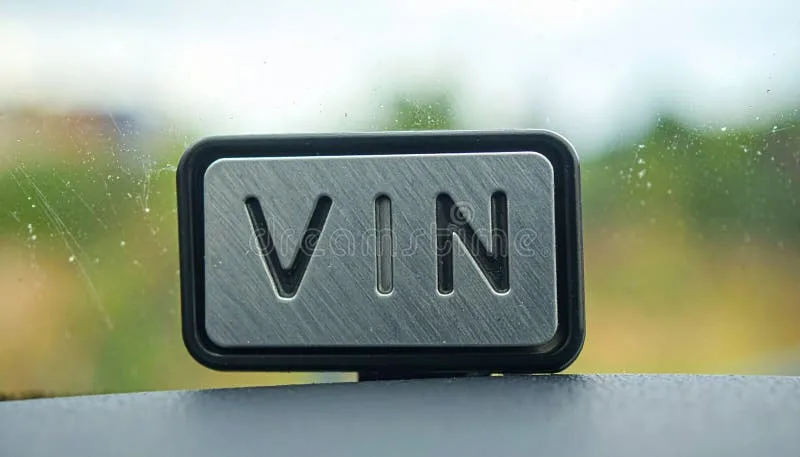
The VIN is typically located on the dashboard near the windshield, the driver’s side door jamb, or the engine block. The inspector will compare these locations to your paperwork.
Who Can Perform the MVE-1 Inspection (and Who Can’t)
Authorized inspectors in Kansas include law enforcement officers, licensed car dealers, and KDOR-approved agents. Military police can also perform inspections for active-duty personnel.
You cannot use an out-of-state mechanic or a private individual unless they’re explicitly authorized by KDOR. Some counties have dedicated inspection stations, while others rely on local police or sheriff’s departments.
| Inspector Type | Can Perform MVE-1? | Notes |
|---|---|---|
| Kansas law enforcement | Yes | Often free of charge |
| Licensed KS dealers | Yes | May charge a fee |
| KDOR-approved agents | Yes | Check KDOR’s website for locations |
| Out-of-state inspectors | No | Must be done in Kansas |
| Military police (on base) | Yes | For active-duty personnel only |
Step-by-Step: Getting Your VIN Inspected and Titled in Kansas
Start by gathering your documents. You’ll need your out-of-state title, proof of insurance, and a valid ID. If you don’t have the title, a court order or bill of sale may suffice in some cases.
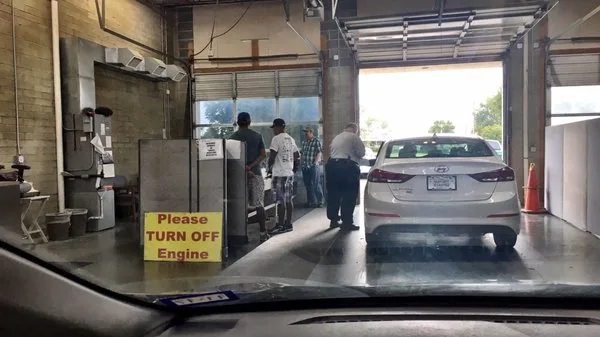
Next, find an authorized inspector. Call your local police department, a Kansas car dealer, or check KDOR’s list of approved stations. Some locations require appointments, so plan ahead.
Wikimedia Commons / Unknown authorUnknown author
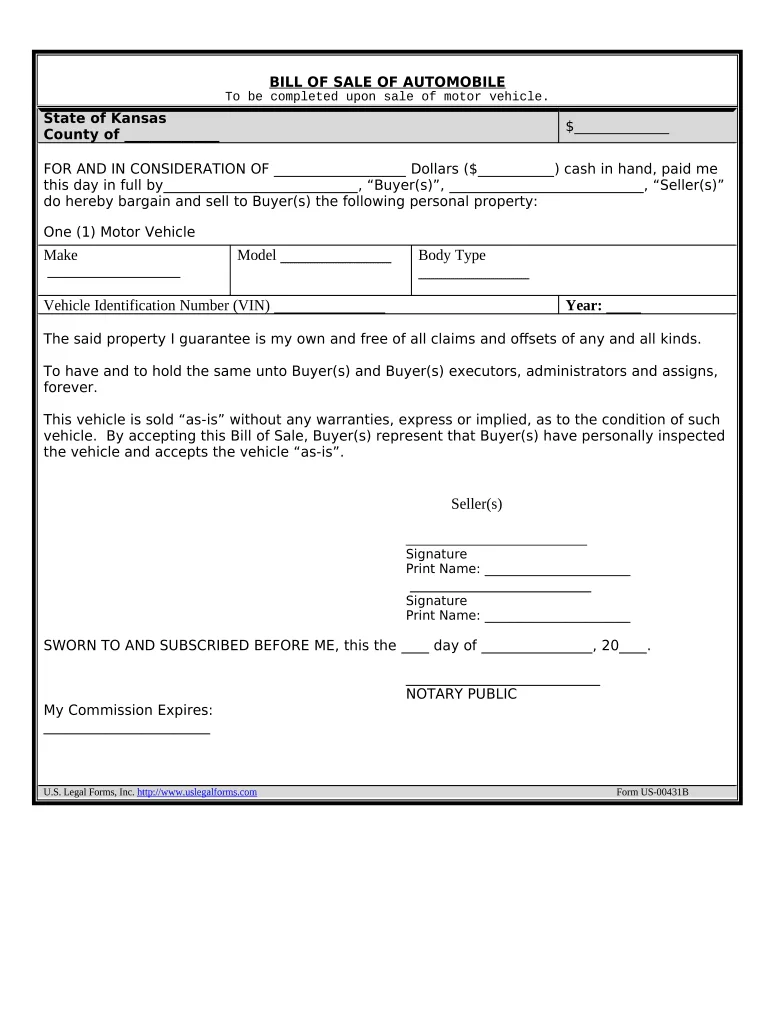
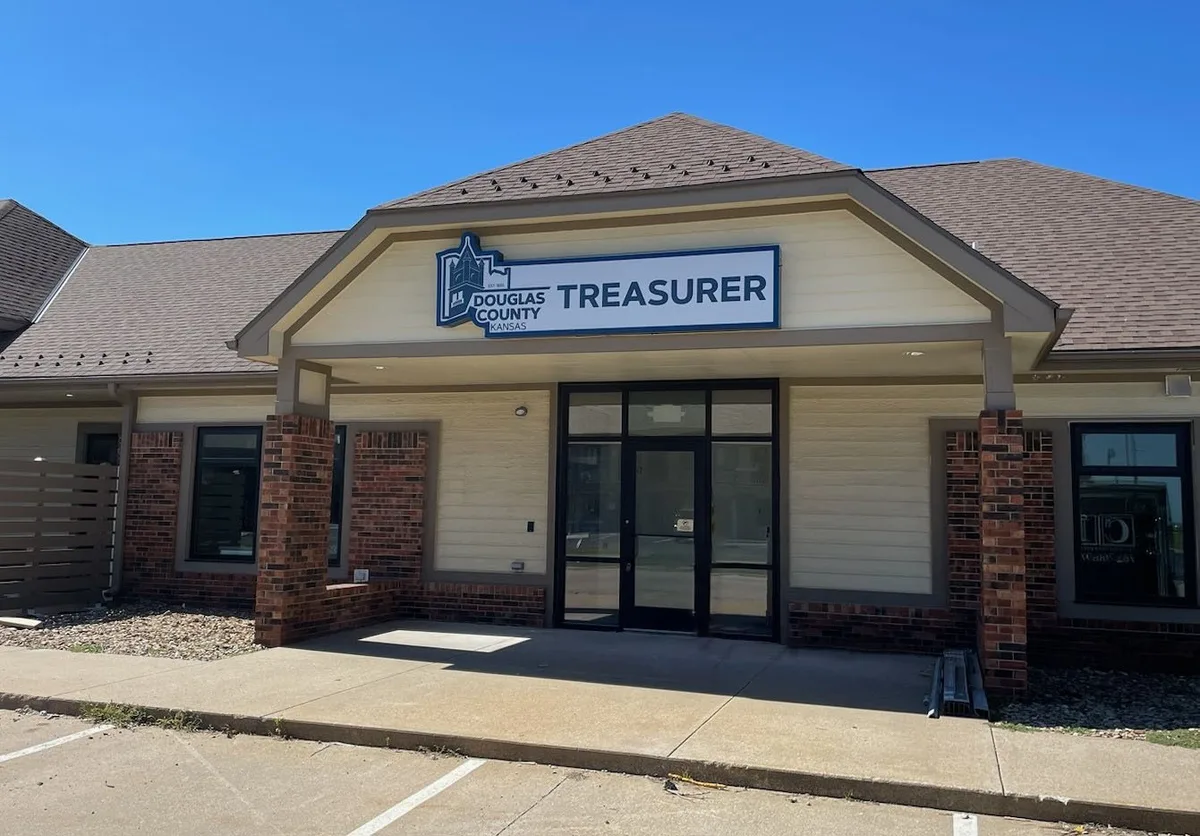
Once the inspector completes the MVE-1 form, take it to your county treasurer’s office. Submit it with your title application (Form TR-212a or TR-212b) and pay the required fees. Processing times vary, but you’ll typically receive your Kansas title and plates within 7 to 14 business days.
For more on state-specific vehicle regulations, you can also explore Idaho vehicle titling requirements to compare processes.
Documents You’ll Need for the MVE-1 and Title Transfer
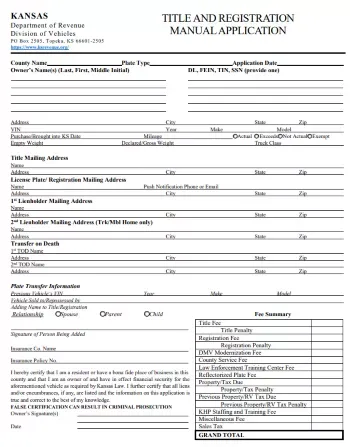
You’ll need your out-of-state title as the primary proof of ownership. If you don’t have it, a court order or a bill of sale may work in some cases.
Bring your proof of Kansas insurance and a valid photo ID. For newer vehicles, an odometer disclosure statement is also required.
Bing (Web (fair-use with source credit))
If the vehicle was a gift, you’ll need a signed statement from the previous owner. For inherited vehicles, a copy of the will or probate documents may be necessary.
Costs and Fees for Kansas VIN Inspection and Titling
The VIN inspection itself is often free if done by law enforcement. Some dealers or private inspectors may charge between $10 and $25.
Title fees in Kansas include a $10 state fee plus county-specific charges. These typically range from $30 to $100 depending on the county.
Registration fees vary by vehicle type and weight. Passenger cars usually cost between $30 and $200 for a one-year registration.
| Fee Type | Cost Range | Notes |
|---|---|---|
| VIN inspection | $0 to $25 | Free at most police stations |
| Title fee (state) | $10 | Mandatory for all titles |
| Title fee (county) | $30 to $100 | Varies by county |
| Registration fee | $30 to $200+ | Based on vehicle type and weight |
Common Mistakes That Get Your MVE-1 Rejected
Using an unauthorized inspector is a top reason for rejection. Only Kansas law enforcement, licensed dealers, or KDOR-approved agents can complete the form.
Submitting a photocopy or fax of the MVE-1 form won’t work. The county treasurer requires the original, signed document.
Mismatched VINs between the vehicle and your paperwork will also get your application denied. Double-check that the VIN on the car matches the VIN on your title and the MVE-1 form.
Military, Dealers, and Other Exceptions to the Rule
Active-duty military personnel can use military police for VIN inspections on base. This exception makes the process easier for service members stationed in Kansas.
Licensed Kansas dealers often handle the MVE-1 inspection for vehicles they sell. If you buy from a dealer, they’ll typically complete the paperwork for you.
Vehicles already titled in Kansas don’t need another MVE-1 inspection. This includes cars purchased from Kansas residents or dealers.
What Happens If You Skip the MVE-1?
You won’t be able to title or register the vehicle in Kansas. Without a title, you can’t legally drive the car or get insurance.
If you’re caught driving an untitled vehicle, you could face fines. These penalties vary by county but can add up quickly.
The longer you wait, the harder it becomes to resolve. Some counties may require additional paperwork or fees for late submissions.
FAQs About Kansas MVE-1 VIN Inspections
Do I need an appointment for a VIN inspection?
It depends on the inspector. Police stations often do walk-ins, while some dealers or KDOR-approved agents require appointments. Call ahead to confirm.
Can I use a notary for the MVE-1 inspection?
No. Notaries cannot perform VIN inspections in Kansas. Only law enforcement, licensed dealers, or KDOR-approved agents are authorized.
How long is the MVE-1 form valid?
Most counties accept the MVE-1 for 30 to 60 days. Submit it with your title application as soon as possible to avoid expiration.
What if my VIN is hard to read?
The inspector will attempt to verify it. If the VIN is damaged or unreadable, you may need a secondary inspection or documentation from the manufacturer.
Can I title a vehicle without the MVE-1 if I have a bill of sale?
No. The MVE-1 is mandatory for all out-of-state vehicles being titled in Kansas for the first time, regardless of other documentation.
Final Checklist: Before You Head to the County Office
Bring your out-of-state title or proof of ownership. Without it, you cannot complete the title transfer.
Have your completed MVE-1 form ready. Ensure it’s signed by an authorized inspector and includes all vehicle details.
Don’t forget your proof of Kansas insurance and a valid photo ID. These are required for registration.
Check your county’s specific fee schedule. Bring payment for title, registration, and any additional local fees.
Verify office hours and locations. Some county treasurer offices have limited hours or require appointments for title services.