ByMax Lee
Kentucky EV Registration Rules Explained
Kentucky electric vehicle registration rules follow the same core process as gas-powered cars, with only minor differences. Whether you’re buying new, used, or moving to the state, the requirements are straightforward once you know the steps.
As of 2026, Kentucky doesn’t charge extra registration fees just for EVs, though county fees still apply. The key is gathering the right paperwork and knowing where to go.
Quick Answer
Kentucky electric vehicle registration rules mirror standard vehicle registration. You’ll need proof of ownership, insurance, and a completed application. Fees vary by county but start around $21.
No special EV surcharges apply in Kentucky.
Bing (Web (fair-use with source credit))
How Kentucky EV Registration Works
Kentucky treats EVs like any other vehicle for registration purposes. The Kentucky Transportation Cabinet (KYTC) oversees the process, but you’ll handle it through your local County Clerk’s Office. There’s no separate EV category in the system.
The main difference is documentation. Since EVs don’t have traditional emissions systems, you won’t need an emissions test. Hybrid owners should confirm if their county requires any special steps, though most don’t.
What You’ll Need to Register Your EV in Kentucky
Bring these documents to avoid delays:
- Title: Must be in your name if you own the vehicle outright. If there’s a lien, the lender’s name will appear.
- Proof of insurance: Kentucky requires minimum liability coverage of $25,000 per person, $50,000 per accident, and $10,000 for property damage.
- Application for Certificate of Registration/Title (Form TC 96-182): Available at the clerk’s office or online.
- Odometer disclosure: Required for vehicles less than 10 years old.
- Payment: Cash, check, or card (fees vary by county).
If you bought from a dealer, they’ll often handle the paperwork for you. Private sales mean you’re on your own.

Wikimedia Commons / MassDOT
For new residents, Kentucky gives you 15 days to register your EV after establishing residency.
Step-by-Step: Registering Your EV in Kentucky
If You Bought a New EV from a Dealer
Dealers usually submit your registration paperwork to the County Clerk. You’ll leave with temporary plates and receive your permanent ones by mail within a few weeks.
Confirm with the dealer that they’ve filed everything. If not, you’ll need to visit the clerk’s office yourself with the dealer-provided documents.
If You Bought a Used EV from a Private Seller
You and the seller must complete the title transfer section on the back of the title. Then, visit your County Clerk’s Office with the signed title, proof of insurance, and payment.
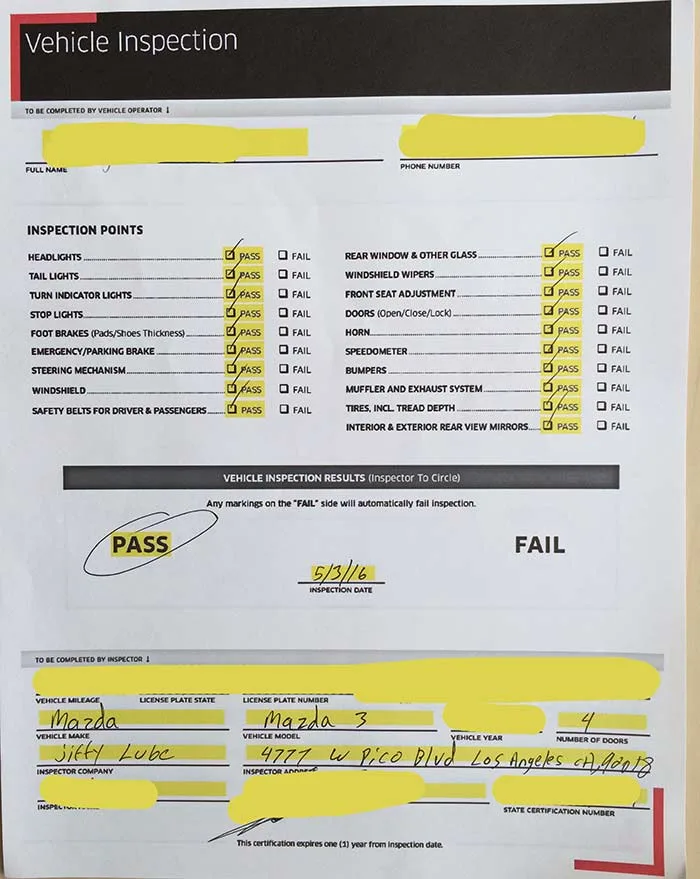
The clerk will process the transfer and issue new plates. Kentucky doesn’t require a vehicle inspection for registration, but some counties may have additional local requirements.
Wikimedia Commons / Absecon 59
If You Moved to Kentucky with an Out-of-State EV
You have 15 days to register your EV after becoming a Kentucky resident. Bring your out-of-state title, proof of insurance, and a completed Application for Certificate of Registration/Title.
The clerk will verify your VIN and may require a VIN inspection if your vehicle lacks a Kentucky title. There’s no emissions test for EVs, but hybrids may need to comply with local emissions rules.
Kentucky EV Registration Fees and Costs
| Fee Type | Cost (Approximate) | Notes |
|---|---|---|
| Registration | $21–$50 | Set by county |
| Title | $9 | Standard fee |
| Plate | $10–$20 | Varies by plate type |
| Property Tax | Varies | Based on vehicle value |
Kentucky doesn’t currently charge an additional annual fee for EVs, unlike some states. However, property taxes on vehicles are assessed annually based on value.
Common Mistakes That Delay EV Registration in Kentucky
Missing the title is the top reason for rejection. If you bought used, the seller must sign the title over to you before you visit the clerk.
Another frequent issue is expired insurance. Kentucky requires active coverage at the time of registration, not just proof of past coverage.
Forgetting the odometer disclosure can also cause delays. This is mandatory for vehicles under 10 years old, even for EVs.
Kentucky EV Registration vs. Gas Vehicle Registration
The process is nearly identical. Both require the same documents and follow the same steps at the County Clerk’s Office.
The only difference is emissions testing. Gas vehicles in some counties need an emissions test, but EVs are exempt.
Hybrids may still require testing depending on local rules. Check with your county clerk if you’re unsure.
Where to Go: County Clerk vs. Online Options
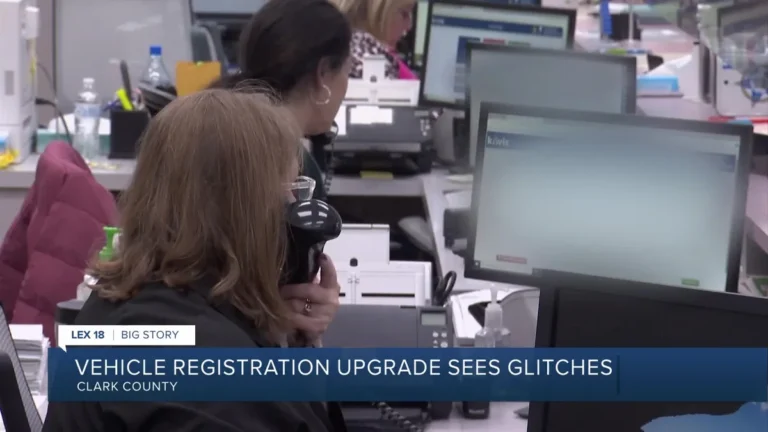
Most registrations happen in person at your local County Clerk’s Office. Kentucky doesn’t currently offer full online registration for new vehicles or title transfers.
Some counties allow online renewal for existing registrations. This typically applies to annual renewals, not initial registrations.
If you’re unsure where to go, the Kentucky Transportation Cabinet’s office locator can help you find your nearest clerk.
Kentucky EV Tax and Incentive Considerations
Kentucky doesn’t have a state-level EV tax credit as of 2026. However, federal incentives may still apply.
You’ll pay standard registration fees and property taxes based on your vehicle’s value. There’s no additional EV surcharge in Kentucky.

Wikimedia Commons / Wikimedia Commons contributor
Some local utilities offer EV charging incentives. Check with your provider for potential rebates on home charging equipment.
Final Checklist Before You Head to the Clerk’s Office
Double check you have the signed title in your name. If there’s a lien, the lender’s information must be listed.
Bring proof of Kentucky insurance that meets the state’s minimum requirements. Digital copies are usually accepted.
Don’t forget your ID and payment method. Most offices take cash, check, or card, but confirm ahead.
Double check you have the signed title in your name. If there’s a lien, the lender’s information must be listed.
Bring proof of Kentucky insurance that meets the state’s minimum requirements. Digital copies are usually accepted.
Don’t forget your ID and payment method. Most offices take cash, check, or card, but confirm ahead.
Frequently Asked Questions
Do I need a special license plate for an EV in Kentucky?
No. Kentucky doesn’t require special plates for EVs. You’ll get standard plates unless you opt for a specialty plate.
How long do I have to register my EV after moving to Kentucky?
You have 15 days from establishing residency to register your vehicle.
Are there extra fees for registering an EV in Kentucky?
No. Kentucky doesn’t charge additional fees for EV registration. You’ll only pay standard county fees and property taxes.
Can I register my EV online in Kentucky?
Initial registrations and title transfers must be done in person. Some counties allow online renewals for existing registrations.
What if I lost my title?
You’ll need to apply for a duplicate title before registering. This can be done through the County Clerk’s Office.