ByMax Lee
Kentucky Towing Laws: What You Need to Know
Kentucky vehicle towing regulations can save you from a costly headache if you know the rules. Whether your car was towed from private property or a public road, the state has strict laws on fees, notice requirements, and how to get your vehicle back.
As of 2026, Kentucky caps drop fees at $125 and requires clear signage for private lot tows. These rules exist to prevent predatory practices, but many drivers still get caught off guard.
Quick Answer
Kentucky vehicle towing regulations set clear limits on fees and procedures. Private property tows need 24-hour notice unless the vehicle is blocking access. Drop fees max out at $125.
Daily storage fees are capped at $25, $50. Police must be notified within one hour of a non-consent tow.
Bing (Web (fair-use with source credit))
Why These Rules Matter (And What Happens If You Ignore Them)
Wrongful towing can cost you hundreds in fees, and fighting it without knowing the law is an uphill battle. Kentucky’s regulations exist to balance property owners’ rights with consumer protections. Ignore the signage rules, and you could lose your car to an auction after 30 days.
The Kentucky State Police enforce these laws, and violations can lead to fines for tow operators. For drivers, the biggest risk is paying inflated fees or losing your vehicle permanently. The Kentucky Transportation Cabinet provides official guidance on these rules.
The 3 Types of Towing in Kentucky (And Which Rules Apply to You)
Kentucky recognizes three main towing scenarios, each with different rules.
Private property towing applies when a vehicle is parked without permission on private land. Property owners must post visible signs meeting state size and wording requirements. The tow company must notify law enforcement within one hour.
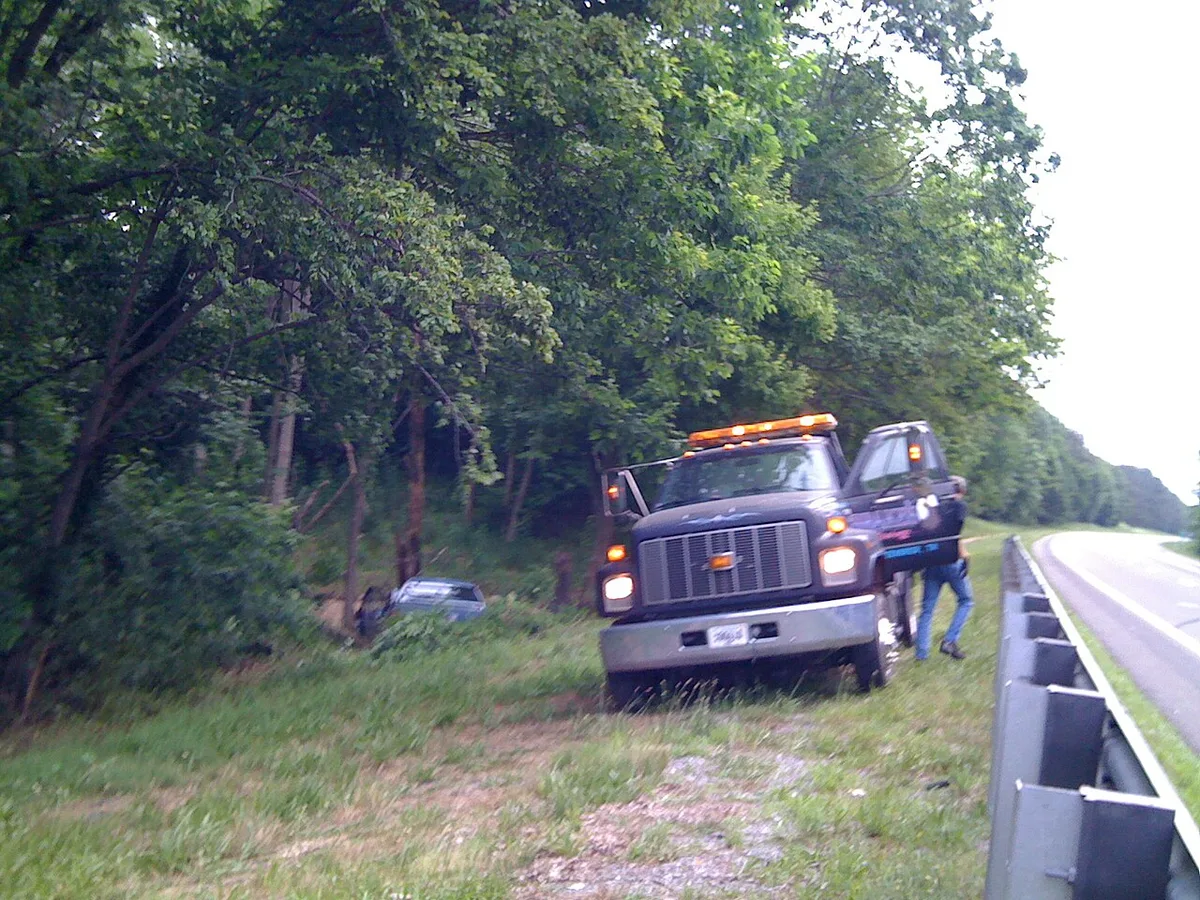
Public roadway towing covers vehicles left on streets or highways. This often involves abandoned vehicles or those blocking traffic. Police can authorize immediate removal without a 24-hour notice.
Police-initiated towing happens during arrests, accidents, or violations like DUI. Officers can tow your car on the spot, but you’re entitled to a receipt with the reason and location.
Wikimedia Commons / Daniel Ziegler (CC BY-SA)
Kentucky’s Towing Fees: What’s Legal and What’s Not
Kentucky sets maximum fees to prevent price gouging. Here’s what you can and can’t be charged as of 2026:
| Fee Type | Maximum Allowed |
|---|---|
| Drop fee (immediate release) | $125 |
| Daily storage fee | $25–$50 |
| After-hours release fee | $50–$100 |
| Administrative fee | $25 |
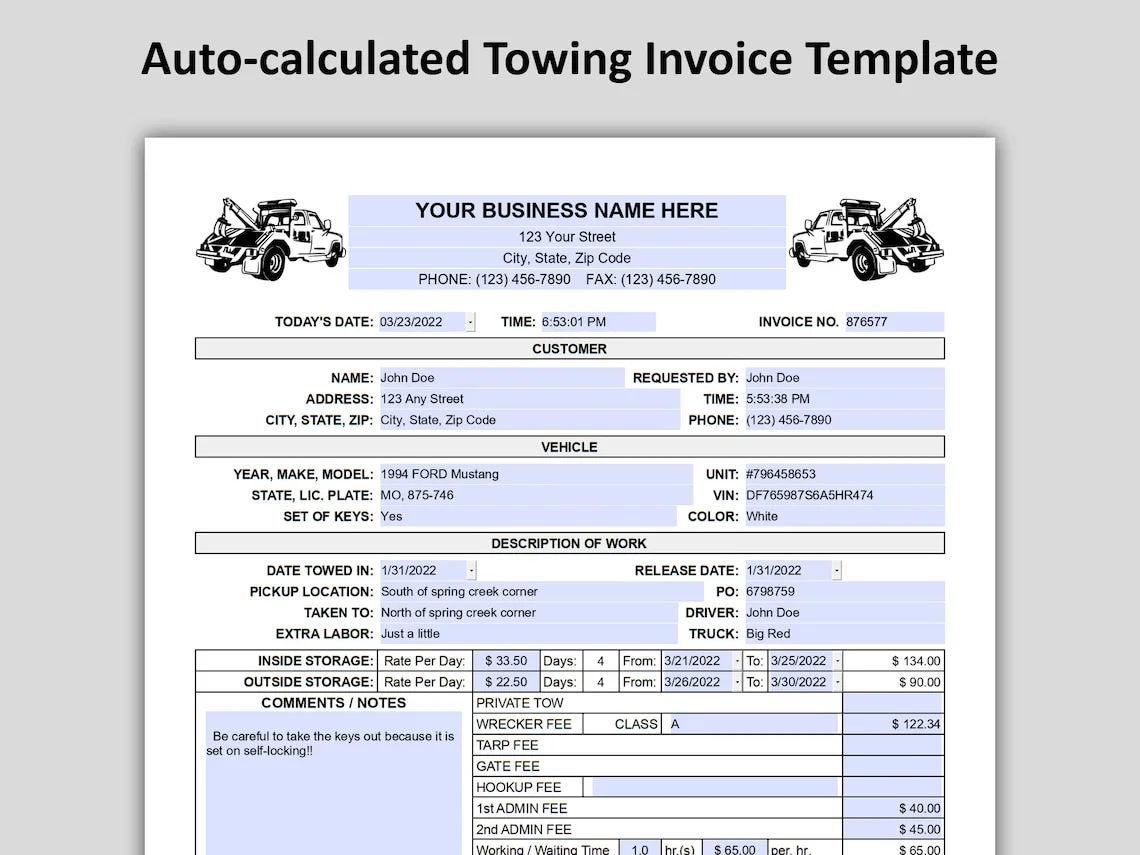
Tow companies cannot charge more than these amounts, but they can add reasonable costs for services like winching or flatbed transport. Always ask for an itemized receipt.
Bing (Web (fair-use with source credit))
If a company demands payment above these limits, you can file a complaint with the Kentucky State Police.
How to Get Your Car Back After a Tow (Step by Step)
First, find out where your vehicle was taken. Call local police or check with the Kentucky Transportation Cabinet’s non-emergency line. They’ll direct you to the tow lot.
Bring your driver’s license, vehicle registration, and proof of insurance. You’ll need to pay the drop fee plus any accrued storage charges. If you arrive after business hours, expect to pay the after-hours fee.
Inspect your vehicle before driving off. Note any damage and take photos. If the tow company refuses to release your car after payment, contact the Kentucky State Police immediately.
Private Property Towing: The Signs, the Notice, and the Loopholes
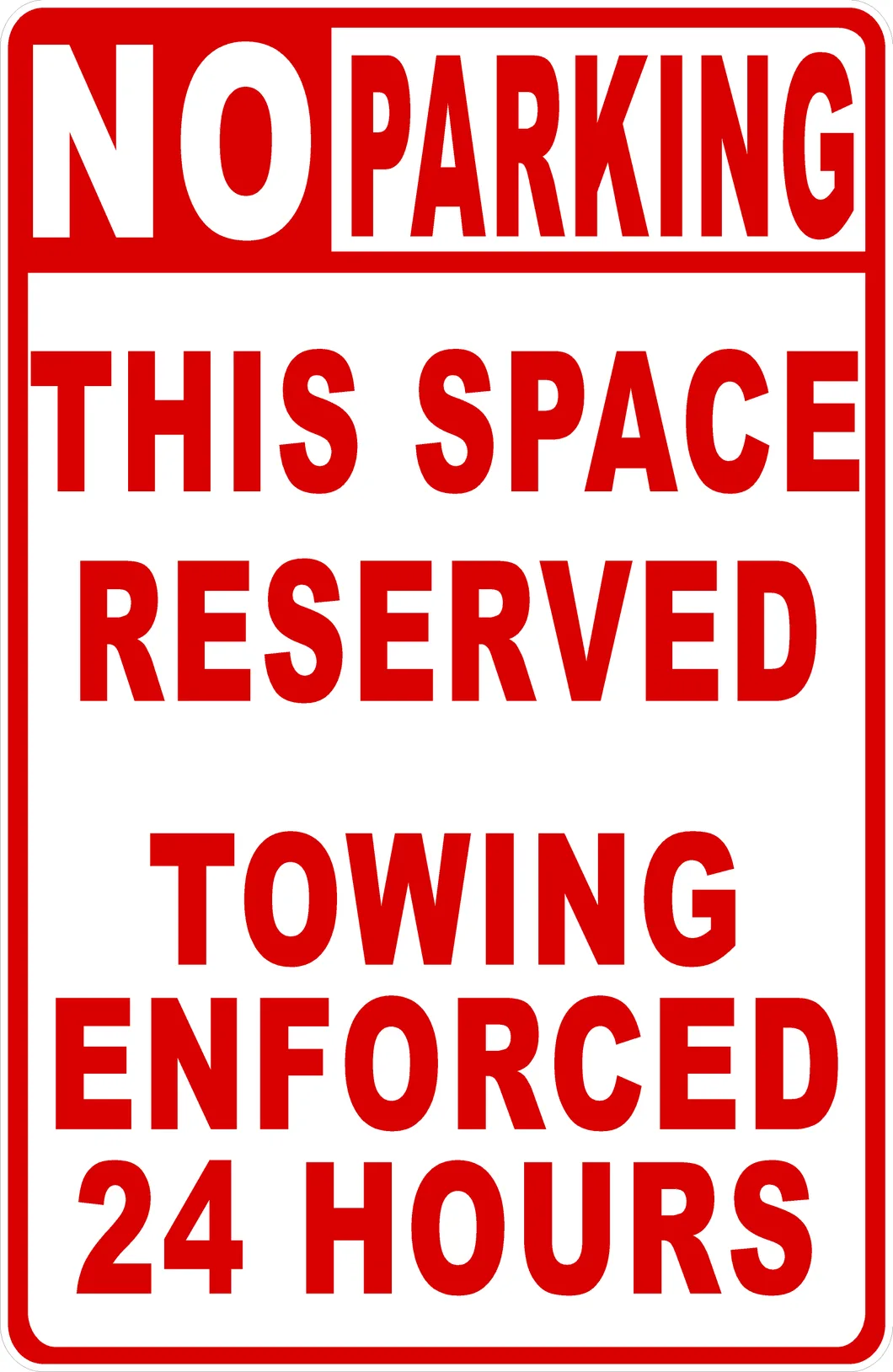
Kentucky requires property owners to post visible towing signs before removing vehicles. Signs must be at least 18 by 24 inches with clear wording like "Towing Enforced" or "Unauthorized Vehicles Will Be Towed at Owner’s Expense."
The 24-hour notice rule applies unless the vehicle is blocking a driveway or fire hydrant. If your car is towed without proper signage, you can challenge the tow in court. Some property owners try to bypass this by claiming "immediate threat," but that’s hard to prove.
Police-Initiated Towing: When Cops Can Take Your Car
Police can tow your vehicle if it’s involved in a crime, abandoned, or creating a hazard. They don’t need to give 24-hour notice in these cases. You’ll get a receipt with the reason, location, and fees.
If your car was towed after an arrest, you’ll need to provide proof of ownership and pay all fees to retrieve it. The Kentucky State Police oversee these tows, so complaints go through them.
Abandoned Vehicles: How Long Before It’s Towed (And Sold)
A vehicle is considered abandoned after 48 hours on public property or 10 days on private property. After that, authorities can tow and impound it. You have 30 days to claim it before it’s sold at auction.
If your car is missing, check with local police first. They’ll tell you if it was towed as abandoned. Fees accumulate daily, so act fast.
Predatory Towing in Kentucky: Red Flags and How to Fight Back
Predatory towing happens when companies charge illegal fees or tow without proper notice. Red flags include missing or hidden signs, demands for cash only, or refusal to provide a receipt.
If you suspect predatory towing, document everything. Take photos of the lot, signs, and your vehicle. File a complaint with the Kentucky State Police or small claims court.
How to Dispute a Wrongful Tow (And Win)
First, gather evidence. Get photos of the tow lot, your car, and any missing or improper signs. Request a copy of the tow report from police.
Next, file a complaint with the Kentucky State Police. If the tow was illegal, you may get your fees refunded. For private property tows, you can also sue in small claims court.
Keep all receipts and documentation.
Bing (Web (fair-use with source credit))
Tow Truck Operator Rules: Licensing, Insurance, and What’s Required
Kentucky requires all tow truck operators to be licensed through the Kentucky State Police. They must carry liability insurance and follow state fee schedules. Unlicensed operators can face fines up to $1,000.
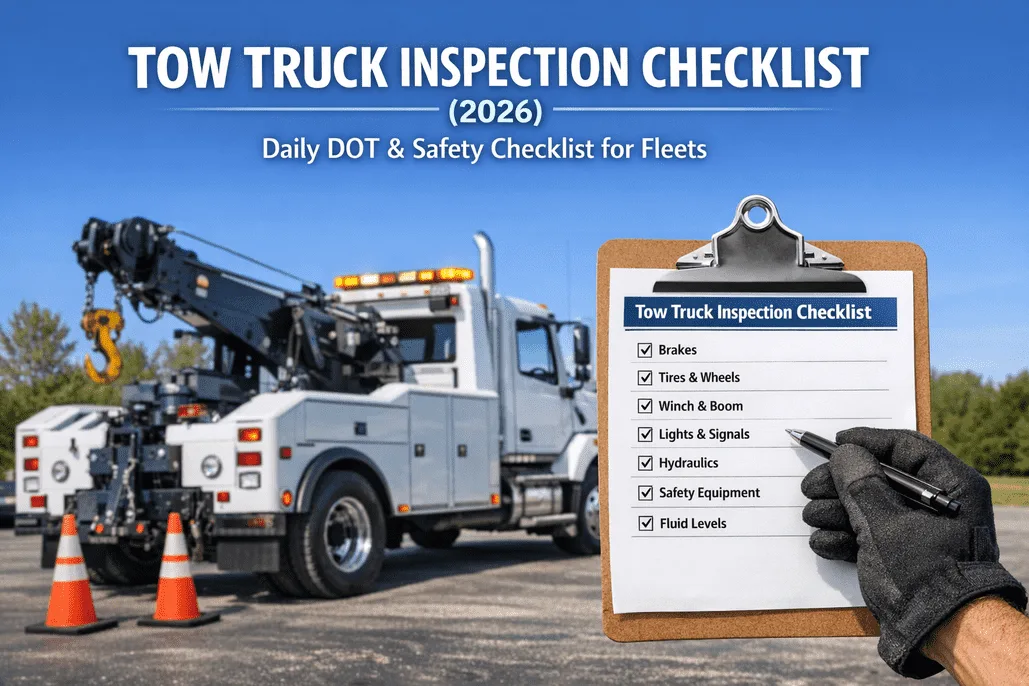
Operators must also maintain proper equipment, including visible company markings and emergency lights. If you’re hiring a tow company, verify their license number with the KSP.
Kentucky Towing Laws by City: Louisville, Lexington, and Beyond
State laws apply everywhere, but some cities add their own rules. Louisville and Lexington have additional ordinances for abandoned vehicles and towing procedures.
For example, Louisville requires tow companies to accept credit cards, not just cash. Lexington has stricter signage rules for private lots. When in doubt, call the local police non-emergency line.
FAQs: Kentucky Towing Regulations Answered
How long do I have to claim my towed car in Kentucky?
You have 30 days to retrieve your vehicle before it’s sold at auction. After that, you lose all rights to it. Fees continue to accrue daily, so don’t wait.
Can a tow company charge me more than the state maximum?
No. Kentucky caps drop fees at $125 and daily storage at $25, $50. If they demand more, report them to the Kentucky State Police.
What if my car was towed without proper signs?
You can dispute the tow in court. Take photos of the missing or improper signs as evidence. The property owner must follow state signage rules.
Do I need to pay to get my personal items from a towed car?
No. Tow companies must allow you to retrieve personal belongings for free during business hours. They can’t hold your items hostage for payment.
What happens if I can’t afford to get my car back?
Contact the tow company to negotiate a payment plan. Some may work with you, but they’re not legally required to. If the car sits too long, it will be sold.