ByMax Lee
Kentucky Windshield Obstruction Laws Explained
Kentucky windshield obstruction rules can save you from a ticket or a failed inspection if you know the limits. The state takes visibility seriously, and even small violations like cracks or stickers in the wrong spot can get you pulled over.
As of 2026, Kentucky law under KRS 189.170 bans any obstruction in the driver’s direct line of sight, and tint rules are just as strict. Here’s what’s actually legal and what’ll get you in trouble.
Wikimedia Commons / Merikanto (CC BY-SA)
Quick Answer
Kentucky windshield obstruction rules prohibit any material that blocks the driver’s clear view. No tint is allowed below the AS-1 line on the windshield. Front side windows must allow over 35% light in.
Cracks larger than 3 inches in the driver’s view are illegal. Fines start around $20 but can climb higher.
The Core Law: Kentucky’s Windshield Obstruction Rules (KRS 189.170)
Kentucky’s main statute, KRS 189.170, is clear: nothing can obstruct the driver’s view through the windshield. This includes cracks, stickers, aftermarket tint, and even dirt or debris if it’s excessive.
The law doesn’t just apply to the windshield. It covers all glass that the driver uses to see the road, including side windows. If an officer deems your view impaired, you’re at risk of a citation.
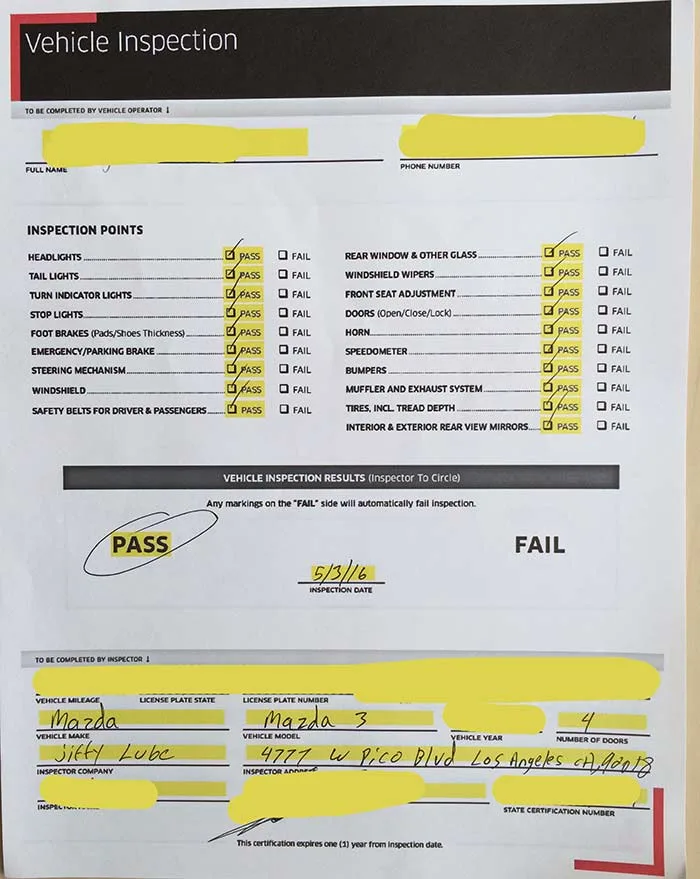
Enforcement isn’t just about tickets. Kentucky’s vehicle inspection program checks for these violations too. Fail the inspection, and you won’t get your sticker until the issue is fixed.
Kentucky Window Tint Laws: What’s Allowed and What’s Not
Kentucky’s tint rules are specific and non-negotiable. The windshield can’t have any tint below the AS-1 line, which is usually the top 6 inches. Above that line, non-reflective tint is permitted, but it can’t be dark enough to reduce visibility.
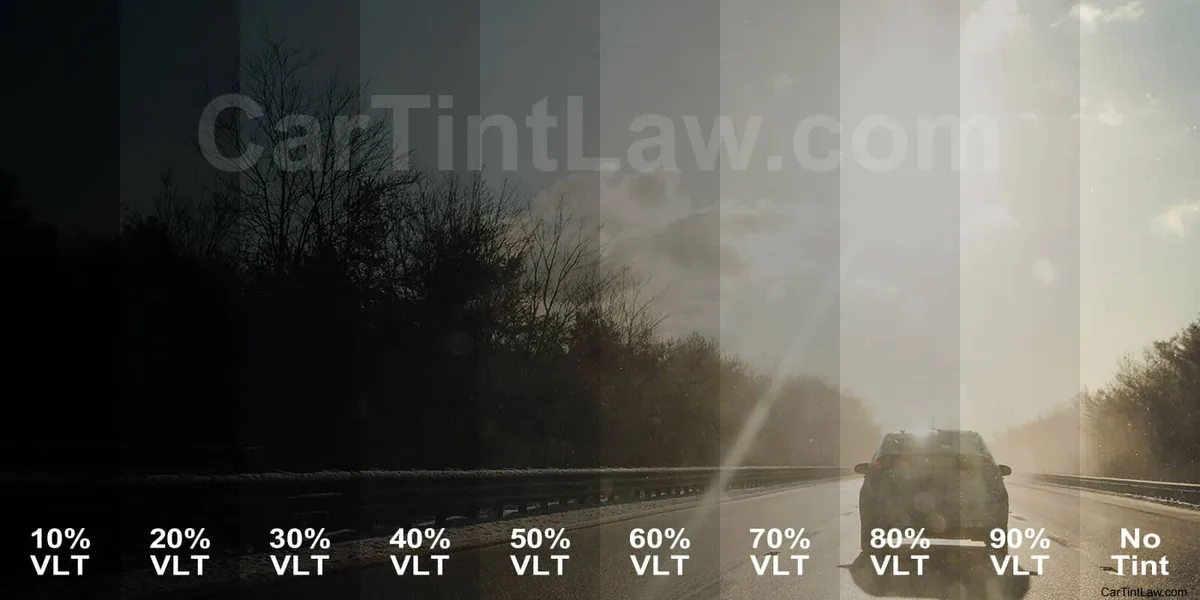
For the front side windows, the rule is stricter. Tint must allow more than 35% of light to pass through. This is measured as Visible Light Transmission (VLT).
Anything darker is illegal.
Rear side windows and the back windshield have no tint restrictions, but reflective tint is banned on all windows. If your tint reflects more light than a standard window, it’s not allowed.
Bing (Web (fair-use with source credit))
Here’s a quick breakdown:
| Window Location | Tint Darkness (VLT) | Reflective Tint Allowed? |
|---|---|---|
| Windshield (below AS-1) | None allowed | No |
| Windshield (above AS-1) | No limit (non-reflective) | No |
| Front side windows | >35% VLT | No |
| Rear side windows | No limit | No |
| Rear windshield | No limit | No |
Medical exemptions exist, but they require documentation from a licensed physician and approval from the Kentucky Transportation Cabinet.
How Obstruction Is Measured (And How to Check Your Own)
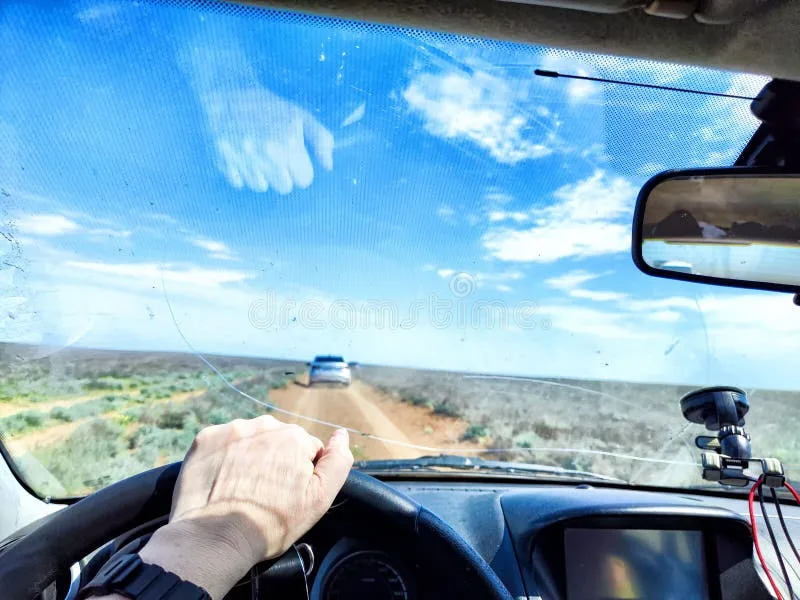
Kentucky uses a straightforward approach to measure obstruction. For cracks, anything larger than 3 inches in the driver’s line of sight is illegal. Smaller cracks outside the driver’s view may pass inspection, but it’s risky.
Tint darkness is measured with a VLT meter, a device that checks how much light passes through the window. If your front side windows block more than 65% of light, they’re illegal.
Stickers and decals are allowed, but placement matters. Anything in the driver’s direct line of sight, typically the area swept by the windshield wipers, is off-limits. Inspection stickers are the exception, but even those must be placed in a corner.
To check your own vehicle, stand outside and look through the windshield from the driver’s seat. If any obstruction blocks your view of the road, it’s likely illegal. For tint, a quick visit to a professional installer with a VLT meter can confirm compliance.
Common Windshield Obstructions That Get You Pulled Over
Some violations are obvious, like a windshield covered in stickers or a large crack running through the driver’s view. Others are less so but just as illegal.
Here’s what officers look for:
- Cracks or chips larger than 3 inches in the driver’s line of sight
- Aftermarket tint on the windshield below the AS-1 line or front side windows darker than 35% VLT
- Stickers or decals placed in the driver’s direct view, including large banners or advertisements
- Excessive dirt or debris that impairs visibility
- Non-functional windshield wipers that leave streaks or fail to clear rain
- Objects hanging from the rearview mirror if they obstruct the view
Bing (Web (fair-use with source credit))
Even small issues can add up. A minor crack might not seem like a big deal, but if it’s in the wrong spot, it’s enough for a ticket.
Medical Exemptions: When Darker Tint or Obstructions Are Allowed
Kentucky does allow medical exemptions for window tint, but the process isn’t automatic. You’ll need a signed statement from a licensed physician explaining why you require darker tint. Conditions like light sensitivity or certain skin disorders often qualify.
The Kentucky Transportation Cabinet must approve the exemption. Once approved, you’ll receive a permit that must be kept in the vehicle at all times. Without it, you’re still subject to fines.
Note that medical exemptions don’t override all rules. The windshield still can’t have tint below the AS-1 line, and reflective tint remains illegal.
What Happens If You Break the Rules? Fines, Fixes, and Inspections
Get caught with an illegal obstruction or tint, and you’re looking at a fine. In Kentucky, these typically range from $20 to $100, depending on the county and the officer’s discretion. Repeat offenses can lead to higher penalties.
If your vehicle fails inspection due to a windshield violation, you won’t get your sticker until the issue is resolved. This means removing illegal tint, repairing cracks, or repositioning stickers. Some shops offer same-day fixes for tint removal.
Bing (Web (fair-use with source credit))
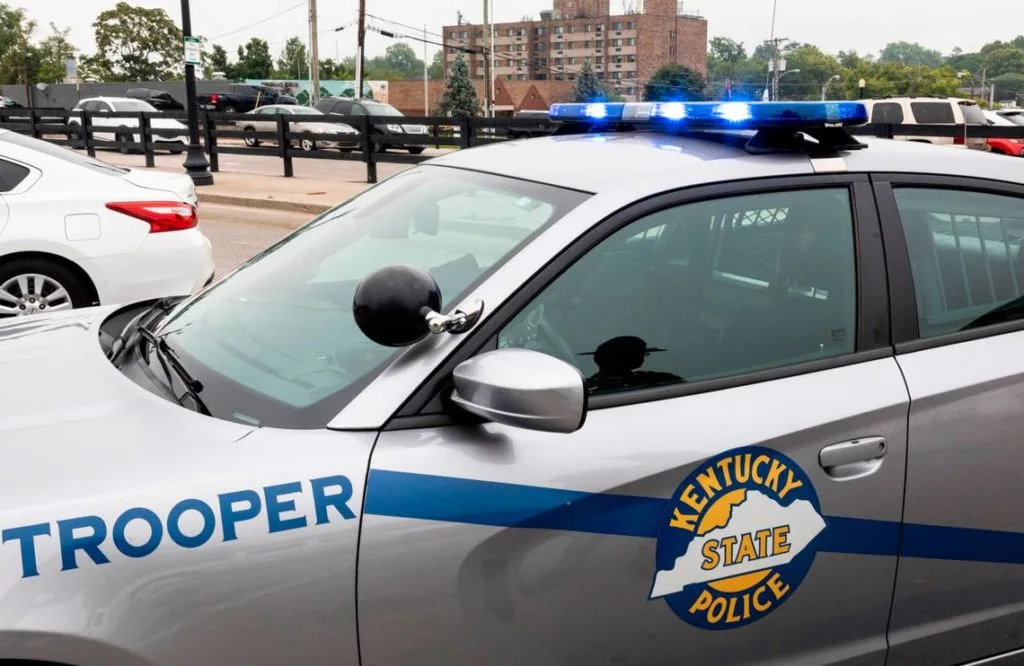
Kentucky State Police and local law enforcement actively enforce these rules. They use VLT meters to check tint darkness during traffic stops.
Step-by-Step: How to Fix a Non-Compliant Windshield
First, identify the problem. If it’s a crack, measure it. Anything over 3 inches in the driver’s view needs repair or replacement.
Small chips outside the line of sight may not require immediate action.
For illegal tint, your options are removal or replacement. Many auto shops can strip tint for around $50 to $150, depending on the vehicle. If you’re replacing the windshield, ensure the new one meets Kentucky’s standards.
Stickers and decals are easier. Simply peel them off if they’re in the driver’s view. Inspection stickers should stay, but only in the designated corner.
Kentucky vs. Neighboring States: How the Rules Differ
Kentucky’s laws are stricter than some neighbors. Indiana allows 30% VLT on front side windows, while Kentucky requires over 35%. Ohio is more lenient, permitting 70% VLT on the windshield and front sides.
Tennessee matches Kentucky’s 35% VLT rule for front sides but allows darker tint on rear windows. Virginia is even stricter, with a 50% VLT minimum for front side windows.
If you frequently drive across state lines, check the local laws. What’s legal in Kentucky might not be in the next state over.
FAQs About Kentucky Windshield and Tint Laws
Can I have any tint on my windshield in Kentucky?
No. Kentucky law prohibits any tint below the AS-1 line on the windshield. Above that line, non-reflective tint is allowed, but it can’t obstruct visibility.
What’s the darkest legal tint for front side windows?
Front side windows must allow more than 35% of light to pass through. Anything darker is illegal and can result in a fine.
Are cracks in the windshield illegal?
Cracks larger than 3 inches in the driver’s line of sight are illegal. Smaller cracks outside the driver’s view may pass inspection, but it’s best to repair them.
Do I need a permit for medical tint exemption?
Yes. You’ll need a physician’s statement and approval from the Kentucky Transportation Cabinet. Keep the permit in your vehicle at all times.
Can I get a ticket for a dirty windshield?
Yes, if the dirt or debris obstructs your view. Officers can cite you for any obstruction that impairs visibility.
How do I know if my tint is legal?
Use a VLT meter to check the light transmission. Front side windows must allow over 35% light in. Many auto shops offer this service.