Automatic car washes are fast, but they often leave swirl marks and miss the spots that matter. Learning how to work manual car wash gives you control over every inch of your vehicle, and it’s the safest way to protect your paint long-term. The average automatic wash uses recycled water and harsh brushes that can scratch surfaces over time.
A proper hand wash uses about 40, 100 gallons of clean water and lets you target grime without the risk.
Quick Answer
A manual car wash starts with rinsing loose dirt. Use two buckets with grit guards. Wash top to bottom with a microfiber mitt.
Rinse thoroughly after each section. Dry with a clean microfiber towel to prevent spots.
Why Hand Washing Your Car Beats the Automatic Tunnel
Automatic car washes use rotating brushes that can trap dirt and drag it across your paint. Over time, this causes micro-scratches called swirl marks, which dull your car’s finish. Hand washing lets you use pH-balanced soap and soft tools that won’t harm the clear coat.
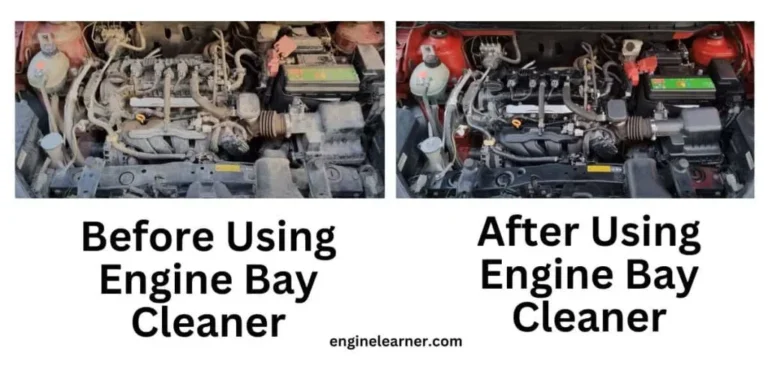
You also reach areas automatic washes miss, like wheel wells, door jambs, and under the hood.
What You’ll Actually Need (No Fluff, Just Essentials)
| Item | Purpose | Key Detail |
|---|---|---|
| pH-balanced car soap | Cleans without stripping wax | Avoid dish soap or household cleaners |
| Two 5-gallon buckets | Separate wash and rinse water | Add grit guards to trap dirt |
| Microfiber wash mitt | Lifts dirt without scratching | Use one for paint, one for wheels |
| Wheel cleaner | Removes brake dust and grime | Choose pH-balanced for coated wheels |
| Microfiber drying towels | Prevents water spots and swirls | Use large, plush towels |
| Hose with spray nozzle | Controls water flow | Adjustable settings for rinse |
Skip the sponge. It holds dirt that can scratch. A high-quality microfiber mitt holds more soap and releases dirt better.
The Two-Bucket Method: Why It’s Non-Negotiable
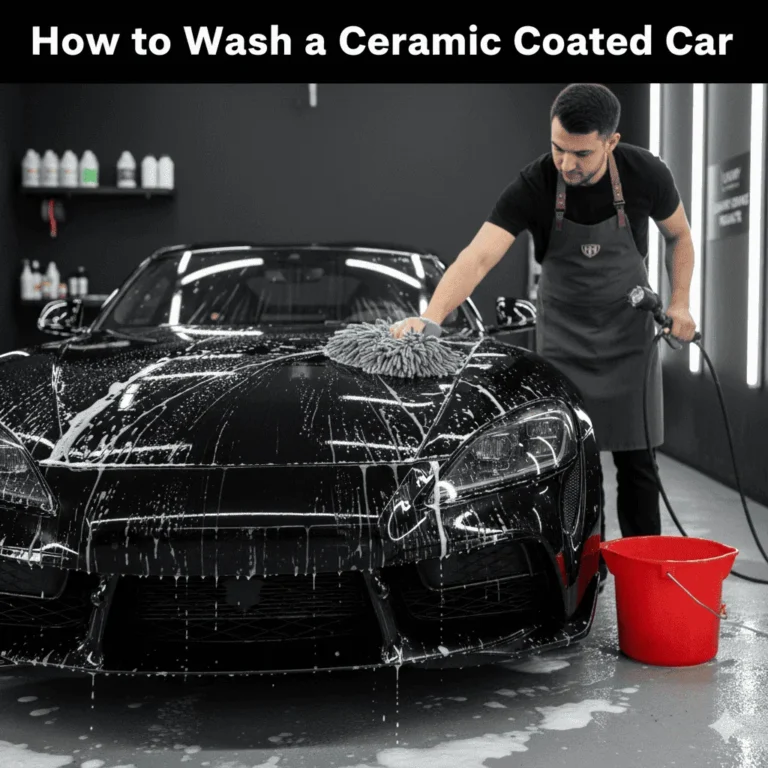
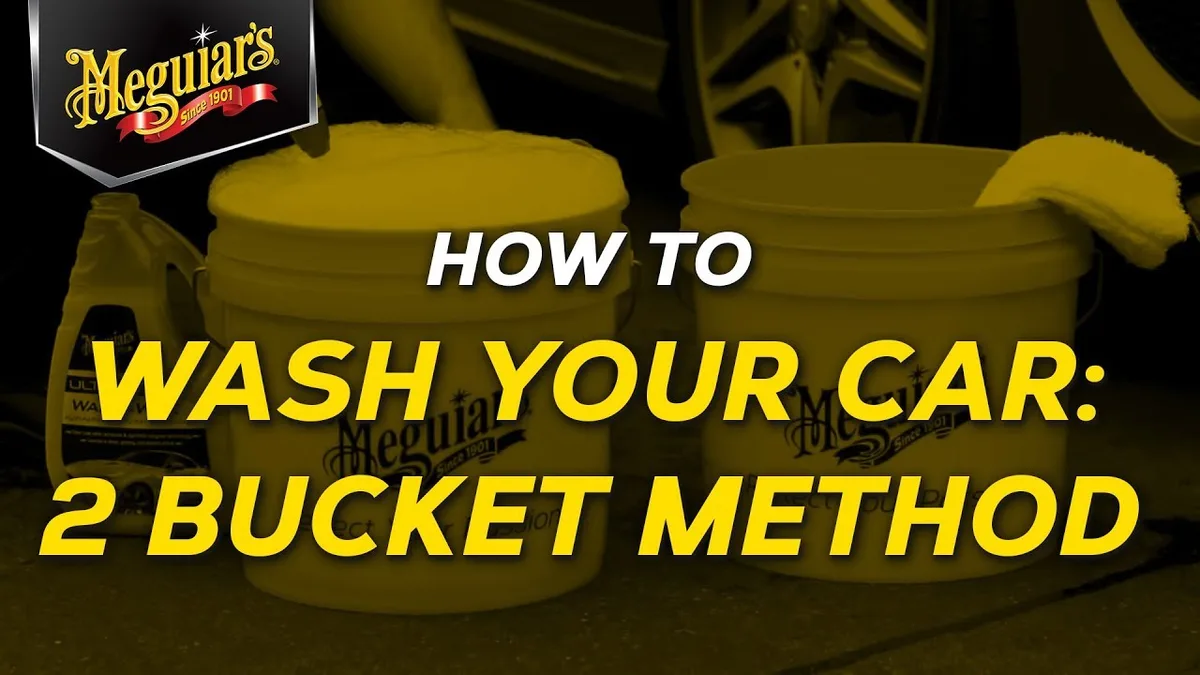
The two-bucket method keeps dirt out of your wash water. One bucket holds soapy water, the other holds clean rinse water. After each pass on the car, rinse the mitt in the clean bucket before reloading it with soap.
This prevents you from dragging dirt back onto the paint, which is the leading cause of swirl marks.
Step-by-Step: How to Wash Your Car Without Ruining the Paint
Prep Work (Do This First or Regret It)
Park in the shade. Direct sunlight causes water and soap to dry too quickly, leaving spots and streaks. Rinse the car thoroughly with a hose to remove loose dirt and debris.
Fill both buckets, one with soapy water and one with clean water. Add grit guards to the bottom of each bucket to trap dirt.
Washing Top to Bottom (The Right Order Matters)
Start at the roof and work downward. Gravity pulls dirt to the lower panels, so cleaning top first prevents re-soiling clean areas. Use straight-line motions, not circles, to minimize swirl marks.
Work in sections. Rinse the mitt in the clean bucket after each pass.
Wheels and Tires: The Dirty Truth
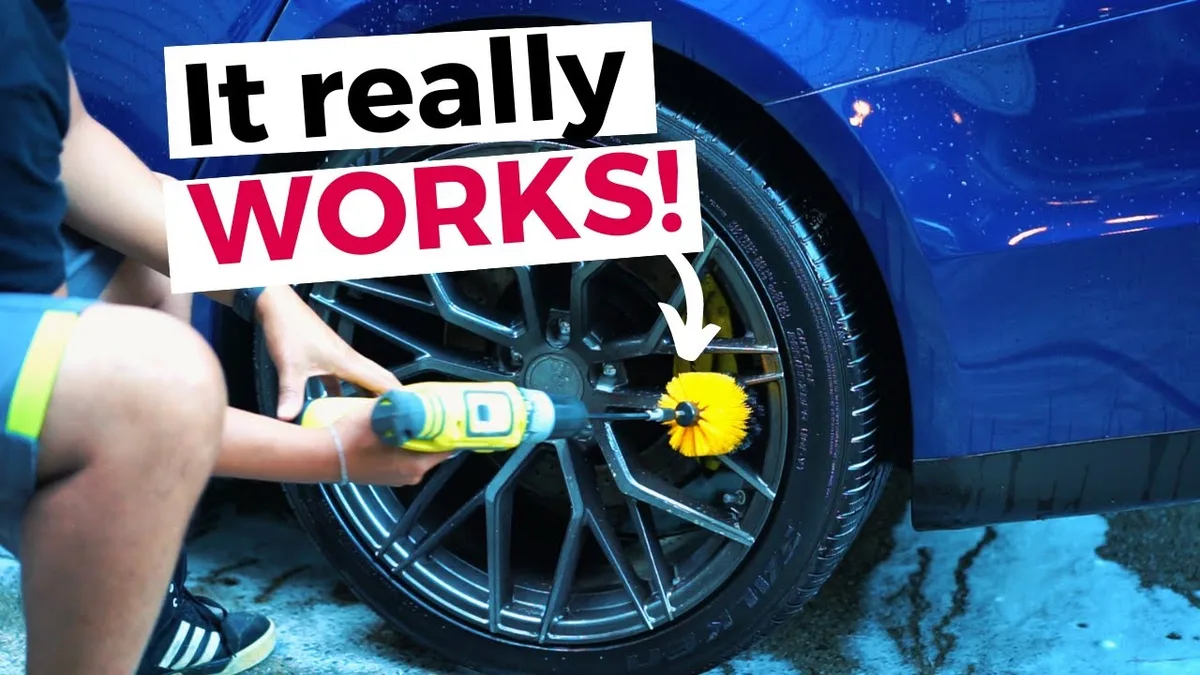
Wheel cleaner should be applied first and left to dwell for 1 to 2 minutes. Brake dust and road grime are the toughest to remove, so a dedicated wheel brush with stiff bristles is essential. Never use the same mitt for wheels and paint.
Acid-based cleaners work fast but can damage coated or anodized wheels. pH-balanced options are safer for most finishes. Always rinse wheels thoroughly to prevent residue from splashing onto freshly washed paint.
Rinsing Like a Pro (No Soap Left Behind)
Use a hose with an adjustable nozzle to control water flow. A wide spray pattern is best for rinsing soap, while a jet setting helps dislodge stubborn dirt from crevices.
Check for soap residue in door jambs, under mirrors, and around trim. These areas often trap suds and can leave streaks if not rinsed properly.
Drying Without Water Spots or Swirls
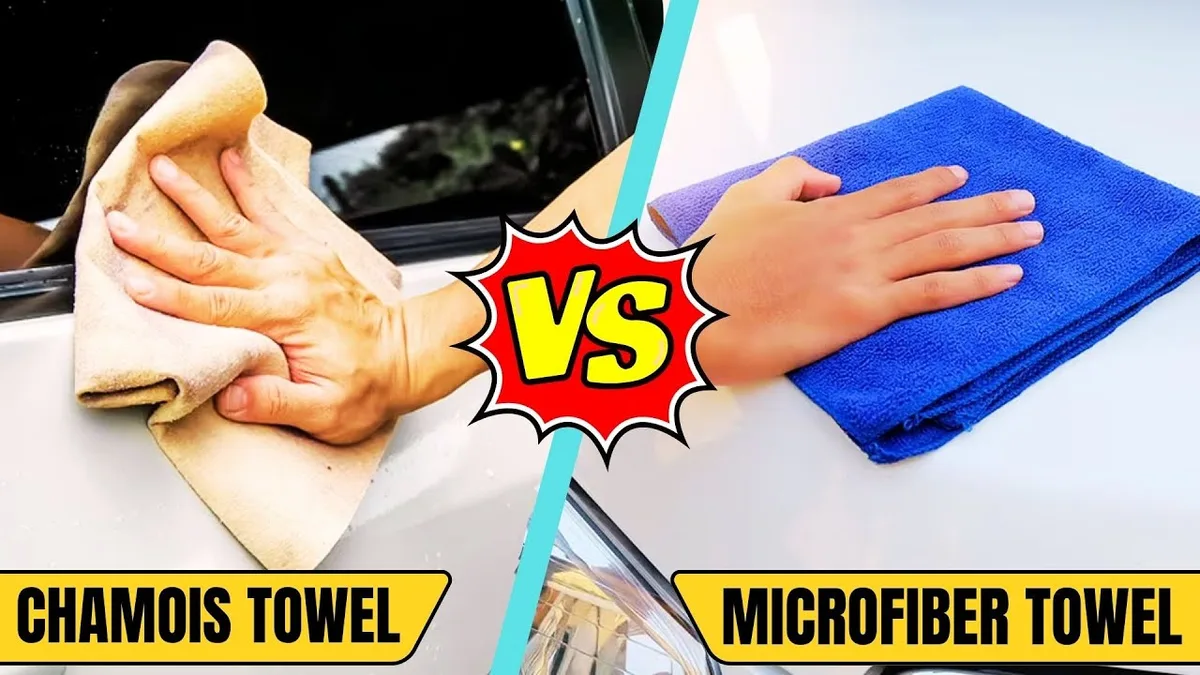
Use a large, plush microfiber towel to blot dry, not drag. Dragging can create fine scratches, especially on dark paint. Start at the top and work down, flipping the towel frequently to a clean side.
For hard-to-reach areas like side mirrors and trim, a small microfiber cloth works better. If water spots appear, they’re usually from hard water minerals. A quick detail spray can help dissolve them before they etch the paint.
Common Mistakes That Leave Your Car Looking Worse
Washing in direct sunlight causes water to evaporate too quickly, leaving spots. Using a single bucket recirculates dirt onto the paint, guaranteeing swirl marks. Household sponges and dish soap strip wax and damage clear coats.
Skipping the wheel cleaner step means brake dust stays embedded in the finish. Drying with a regular bath towel can scratch the surface.
Manual vs. Automatic: When to Skip the DIY
Automatic washes save time but risk paint damage. They’re fine for a quick rinse between hand washes. If your car has a ceramic coating or high-end paint, stick to manual washing.
Self-service bays give you more control than tunnels but still use recycled water. For the best results, a manual wash at home with the right tools wins every time.
How Often Should You Really Wash Your Car?
Wash every two weeks to prevent dirt buildup. In winter, wash weekly to remove road salt. If you park under trees, wash more often to remove sap and bird droppings.
Pro Tips for a Showroom Shine Every Time
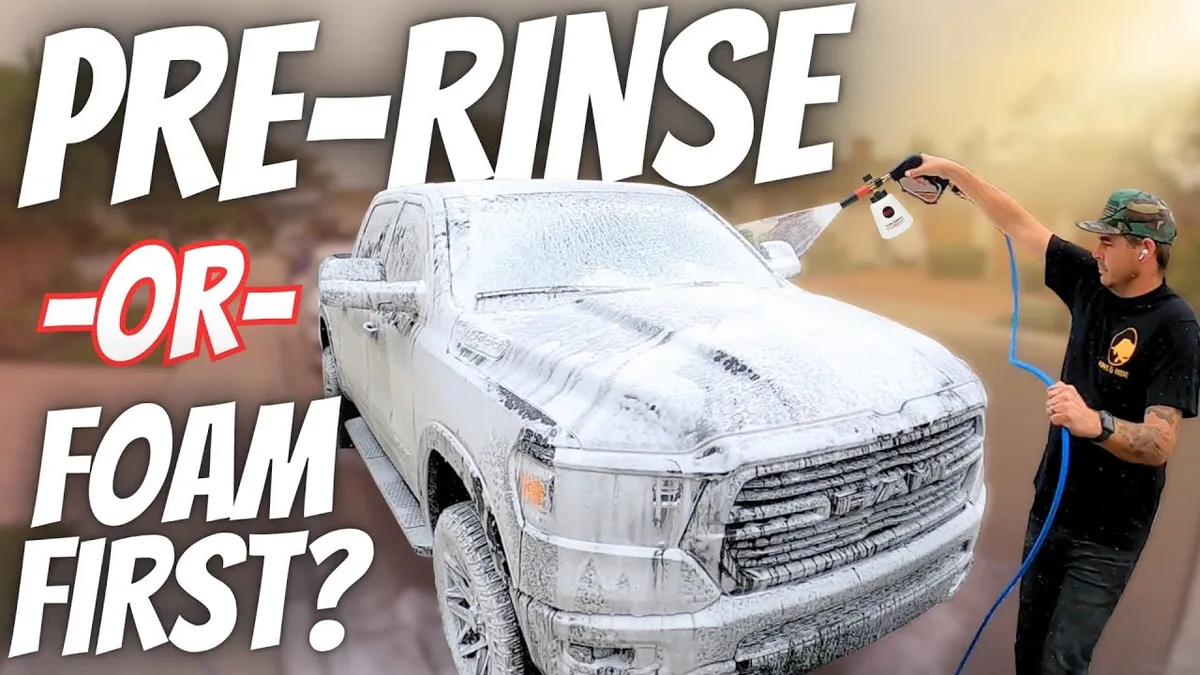
Use a foam cannon for thicker suds that cling to vertical surfaces. Clay bars remove embedded contaminants that washing alone can’t. Apply wax or sealant after washing to protect the paint.
Safety & Compliance: What Most People Overlook
Avoid washing in direct sunlight. Never use dish soap. Wear gloves to protect your hands from chemicals.
Check local water restrictions. Some areas limit car washing during droughts. Dispose of runoff properly to avoid environmental issues.
Frequently Asked Questions
Can I use dish soap to wash my car?
No. Dish soap strips wax and can damage paint over time. Always use a pH-balanced car soap designed for automotive finishes.
How do I prevent water spots?
Dry the car immediately after washing with a clean microfiber towel. Use a detail spray to help dissolve mineral deposits.
Should I wash my car in the sun?
No. Direct sunlight causes water and soap to dry too quickly, leaving spots and streaks. Always wash in the shade.
How often should I wash my wheels?
Wash your wheels every time you wash your car. Brake dust builds up quickly and can corrode finishes if left untreated.
Can I use the same mitt for wheels and paint?
No. Use separate mitts or brushes for wheels and paint to avoid transferring brake dust and grime to the body.