If you own land in Arkansas and find a rusted-out sedan that someone dumped on your property, you already know the frustration. The Arkansas abandoned vehicle removal process on private property isn’t something you can just guess your way through, one wrong move and you could be the one paying for a tow truck you never called. But the law does have a clear path, and once you understand it, you can get that eyesore off your land without risking a lawsuit.
Under Arkansas Code Title 27, the state defines an abandoned vehicle as one left on private property without the owner’s consent for more than 30 days. That same law requires you to send a certified mail notice to the last registered owner before you can touch the car. Skip that step, and you’ve already created a legal problem for yourself.
Let’s walk through exactly what you need to do, step by step.
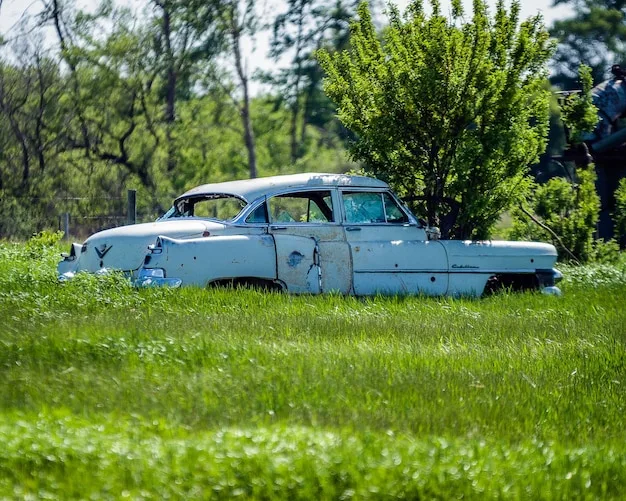
Quick Answer: Can You Just Tow It Yourself?
No, you cannot just tow it yourself. Arkansas law requires a specific process before you remove an abandoned vehicle from private property. If you haul it off without following the rules, you risk a civil lawsuit for conversion or trespass.
The safest route: send a certified notice, wait 30 days, then call a licensed wrecker. Only after that can you legally dispose of the car.
Why Getting This Right Matters (and What’s at Stake)
This isn’t a gray area. The moment you take action without following the statute, you shift from being the victim of someone else’s carelessness to becoming a legal target yourself. Property owners have been sued for “conversion”, the legal term for using or disposing of someone else’s property without permission, even when the car was clearly abandoned.
In Arkansas, the courts take this seriously, and the damages can include the vehicle’s value plus court costs.
There’s also the financial side. Towing and storage fees add up fast. If you don’t follow the law, you might not be able to recover those costs from the owner or the scrap yard.
And if you cut up the car or sell it before the title is cleared, you could face trouble with the Arkansas Department of Finance and Administration (DFA) when you try to register a salvage title.
Think of it this way: the legal process is your shield. It’s not just bureaucracy, it’s what keeps you in the clear. A few weeks of patience can save you months of headaches.
What Counts as “Abandoned” Under Arkansas Law?
Not every junk car you spot on your land qualifies as legally abandoned. Arkansas law (Ark. Code §27‑50‑1201) defines an abandoned vehicle as one that has been left on private property without the owner’s consent for at least 30 days.
That’s the baseline. But there are a few other conditions that matter:
- The vehicle must be inoperable or have no valid license plates.
- It must appear to be discarded, flat tires, broken windows, missing parts, or vegetation growing around it.
- The property owner cannot have given permission for the vehicle to be there. If you told a friend they could park their car for a week and they never came back, it still counts as abandoned after 30 days, but only if you revoked permission.
The law also treats vehicles that are “junked”, meaning they’re only good for scrap or parts, the same way. So even if the car is barely a car anymore, the same process applies.
One important nuance: if the vehicle is on a public right‑of‑way or street in front of your house, that’s a different situation. That falls under local police jurisdiction, and you should call law enforcement rather than handling it yourself. This article is strictly about private property, your land, not the road.
The Legal Step-by-Step Process from Start to Finish
This is the meat of it. Follow these steps exactly, and document everything along the way. A paper trail is your best friend here.
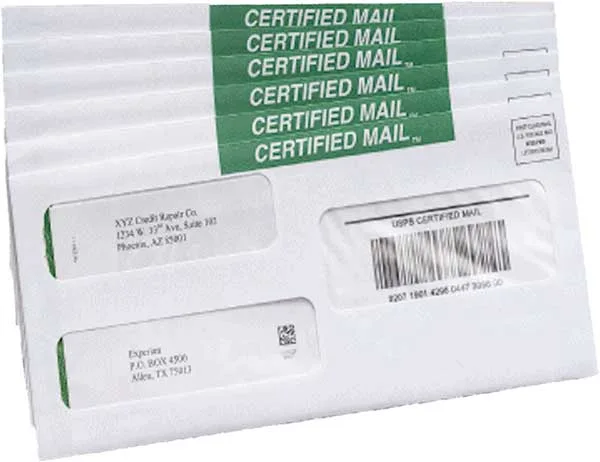
Image source: Bing (Web (fair-use with source credit))
Step 1: Verify the Vehicle’s Status
Before you do anything, run the VIN through the Arkansas DFA’s online system. You can do this for free at the DFA Motor Vehicle Division website. This tells you who the last registered owner is and whether there’s a lienholder.
You need that information for the notice.
If the VIN is missing or unreadable (common on older junk cars), you may need to contact your county sheriff’s office. They can sometimes help identify the vehicle through other means, like the license plate if it’s still attached.
Step 2: Send the Required Notice (Certified Mail)
Arkansas law mandates that you send a written notice to the last known registered owner and any lienholder. The notice must include:
- The vehicle’s description (make, model, year, VIN)
- The location where it’s sitting on your property
- A statement that the vehicle is considered abandoned
- A demand that it be removed within 30 days
- Your name and contact information
Send this via certified mail with return receipt requested. Regular mail won’t cut it because you need proof that the notice was sent. If the mail comes back as undeliverable, keep the envelope, that counts as proof of attempt.
Cost: about $7 to $8 per notice plus the certified mail fee. Not a fortune, but factor it in.
Step 3: Wait the Mandatory 30 Days
The clock starts the day the notice is mailed, not the day it arrives. You cannot touch the vehicle during this period, even if it’s an eyesore. The owner has the legal right to come get it.
If the owner shows up and takes the car, you’re done. If they don’t, you can move to the next step. But keep that 30‑day window sacred, cutting it short opens you up to liability.
Step 4: Get Law Enforcement Involved (or Not)
You don’t always need a police report, but it helps. Some counties require you to notify the sheriff’s office before you tow. Others only ask for a written statement from you describing the abandonment.
Check with your local sheriff’s department. In most Arkansas counties, you’ll fill out an “Abandoned Vehicle Report” or similar form. They may also run a records check to confirm the owner hasn’t reported it stolen.
If the vehicle is stolen, the police will take over entirely.
Step 5: Hire a Licensed Wrecker for Removal
Once the 30 days are up and you’ve notified law enforcement if required, you can have the vehicle removed. You must use a licensed towing company, Arkansas law doesn’t let you drag it off your property with a pickup truck unless you own a wrecker license.
The towing company will take the car to their impound lot. You’ll be responsible for the tow fee and any storage charges if you don’t dispose of it quickly. To avoid storage costs, arrange for the wrecker to take it directly to a scrap yard or your own property if you plan to part it out.
Step 6: Handle the Title and Disposal
This is where many people slip up. You cannot legally sell the car for scrap or crush it without a clear title. If the owner never claims it, you may be able to apply for a salvage title through the DFA.
This involves filing an affidavit of abandonment and paying a small fee.
Alternatively, if the vehicle is worth less than $500, you can treat it as junk and sell it to a licensed scrap metal recycler, but only after you’ve obtained a “junking certificate” from the DFA (Form 10‑391). The scrap yard will need that certificate to buy it from you legally.
If you skip title paperwork, the car could end up back on the road with your name attached to it. That’s a liability you don’t want.
What This Actually Costs You (Towing, Storage, Notice Fees)
Here’s a realistic breakdown of what you’ll pay out of pocket. These are average figures for Arkansas as of 2026:
| Item | Estimated Cost |
|---|---|
| Certified mail notice (per notice) | $7–$8 |
| Towing fee (local tow to impound) | $100–$300 |
| Storage per day at impound lot | $15–$40 |
| Scrap yard disposal (if no buyer) | $0–$50 (some yards charge) |
| Salvage title application fee | $10–$25 |
| Notary fee for affidavit | $5–$10 |
| Total (if smooth) | $150–$400 |
Note: You can reduce costs by having the wrecker take the car directly to a scrap yard that pays you for the metal. In Arkansas, scrap prices for a typical car body range from $150 to $500 depending on weight and current metal market. That can offset your expenses.

Image source: Wikimedia Commons / SRA Stan Parker
But if you let the car sit at the impound lot for a week, storage fees can eat any profit. Move fast after the 30‑day waiting period.
Also consider the cost of your time. The process takes at least a month from start to finish. If you’re dealing with multiple abandoned vehicles, the paperwork multiplies.
For a single vehicle, it’s manageable. For a fleet, you might want to consult an attorney.
One more thing: if the vehicle has a lienholder (like a bank or finance company), they have rights too. You must send them a separate notice. If you fail to do that, you could be on the hook for the remaining loan balance.
Always check for liens before proceeding.
Common Mistakes That Get Property Owners Sued
This is where the rubber meets the road. The people who get into trouble aren’t the ones who ignore the car, they’re the ones who act too fast or cut corners.
Image source: Wikimedia Commons / Djuradj Vujcic (CC BY)
Mistake #1: Towing before the waiting period ends. Even one day early. The owner could argue the notice period wasn’t satisfied, and you could be liable for conversion.
Mistake #2: Using an unlicensed tow truck. Arkansas requires towing companies to hold a valid wrecker license. If you hire an unlicensed operator and something happens (damage, theft, accident), you share the blame.
Mistake #3: Disposing of the car without a title or junking certificate. Selling a vehicle with a missing title is illegal. The scrap yard can’t buy it, and if the car surfaces later, you could face charges.
Mistake #4: Skipping the lienholder notice. If there’s a bank with a lien on the vehicle, they have ownership rights. Failing to notify them can result in a lawsuit for the loan balance.
Mistake #5: Keeping the vehicle for yourself without following the process. You can’t just “claim” an abandoned car on your property. You must go through the full legal process to acquire title. Otherwise, it’s theft.
Mistake #6: Not documenting everything. You need copies of every notice, every receipt, every photo. If the owner or a neighbor challenges your actions, your paper trail is your only defense.
Real Scenarios: Rural vs. Urban, Tenant vs. Owner
Rural scenario. You own 40 acres in the Ozarks. A pickup truck appears in your back pasture with no plates. You check the VIN, send the notice, and wait.
The certified mail comes back “unclaimed.” After 30 days, you call the sheriff’s office. They confirm no stolen record and issue a clearance letter. You hire a local wrecker to haul the truck to a scrap yard.
Total cost: $200. Scrap payout: $180. Net loss: $20.
But the blight is gone.
Urban scenario. You own a rental house in Little Rock. A tenant moves out and leaves a 1998 Honda Civic in the driveway. The tenant doesn’t respond to calls.
You send the notice to their last known address (the house itself). It’s returned undeliverable. After 30 days, you call a licensed tow company.
The car is taken to their lot. You don’t want to pay storage, so you arrange immediate scrap pickup. The scrap yard pays $250.
Tow fee was $150. You net $100, plus you’ve freed up the driveway for the next tenant.
Tenant vs. owner. If you’re a renter and a car is abandoned on your rented property, you cannot act without the landlord’s permission. The legal right to remove the vehicle belongs to the property owner, not the tenant. Ask your landlord to handle it, or get written authorization to act on their behalf.
When You Must Talk to a Lawyer or a Judge
Most abandoned vehicle cases are straightforward. But there are situations where you need legal advice.
- The vehicle is worth more than $5,000. High‑value cars trigger more complicated title requirements.
- There are multiple liens. A vehicle with multiple loans can get messy. An attorney can help you sort out notifications.
- The owner is known but refuses to remove the car. You may need to go to small claims court to recover towing and storage costs.
- The vehicle was stolen. Do not touch it. Call the police immediately. If you remove it, you could be charged with receiving stolen property.
- You are not the property owner. If you’re a tenant, neighbor, or family member, you have no legal standing to start the process.
In any of these cases, a quick call to a local attorney who handles property or vehicle law is worth the money. Most offer a free initial consultation.
Frequently Asked Questions
How long do I have to wait before towing an abandoned vehicle in Arkansas?
30 days after you mail the certified notice to the last registered owner. The clock starts when the notice is mailed, not when it’s received.
Can I sell the abandoned car for parts?
Only after you obtain a salvage title or junking certificate from the Arkansas DFA. Selling parts without clear title is against the law.
What if the certified mail is returned as undeliverable?
Keep the returned envelope as proof of attempted notice. You can still proceed after 30 days. The law doesn’t require actual delivery, only a good‑faith attempt.
Does the sheriff’s office have to get involved?
Not always, but it’s strongly recommended. Some counties require a police report before towing. Even if not, a written record from law enforcement strengthens your case.
Who pays for the tow and storage?
You do, initially. You can try to recover those costs from the vehicle owner through small claims court, but in practice, many abandoned cars are owned by people who can’t be found or don’t have money.
Can I keep the car for myself if no one claims it?
Only after you go through the full legal process and obtain a clear title. You can’t just claim ownership because it’s sitting on your land.
Your Next Move: A Simple Decision Guide
If you’ve found an abandoned vehicle on your Arkansas property, here’s your action plan:
- Check the VIN through the Arkansas DFA.
- Send certified notice to the owner and any lienholder.
- Wait 30 days from the date of mailing.
- Contact your sheriff’s office for a clearance letter.
- Hire a licensed wrecker to remove the vehicle.
- Obtain a junking certificate or salvage title before disposal.
- Sell the car for scrap or keep it (with proper title).
If any step feels unclear, check the Arkansas DFA Motor Vehicle Division for forms and instructions. And if you need guidance on related topics like washing that next vehicle properly or keeping your car clean, the Roadworthylabs blog has practical advice. Your time and your property are worth protecting, so take the legal route and avoid the headache.