ByMax Lee
Guide to Arkansas Left Lane Camping Law for Slower Moving Vehicles
Nobody likes a tailgater. And nobody likes being stuck behind someone cruising in the left lane like they own it. If you've ever driven I-40 through Little Rock or I-30 near Texarkana, you've felt that frustration.
The Arkansas left lane camping law for slower moving vehicles is designed to keep traffic moving and reduce those tense moments on the highway.
As of 2026, Arkansas Code § 27-51-109 lays out exactly when you can and cannot stay in the left lane. The law is straightforward, but plenty of drivers get it wrong. Some assume going the speed limit gives them the right to sit there.
That's not how it works. Let's break down what the law says, who it applies to, and how to avoid a ticket.
Quick Answer
Arkansas law says slower vehicles must keep right. You cannot stay in the left lane if you are blocking faster traffic. The law applies on highways with two or more lanes in the same direction.
Even if you are going the speed limit, you must move right when a faster vehicle is behind you. Exceptions exist for passing, turning left, and road conditions. Violations are Class C traffic infractions with fines up to $100 plus court costs.
Why This Law Matters for Arkansas Drivers
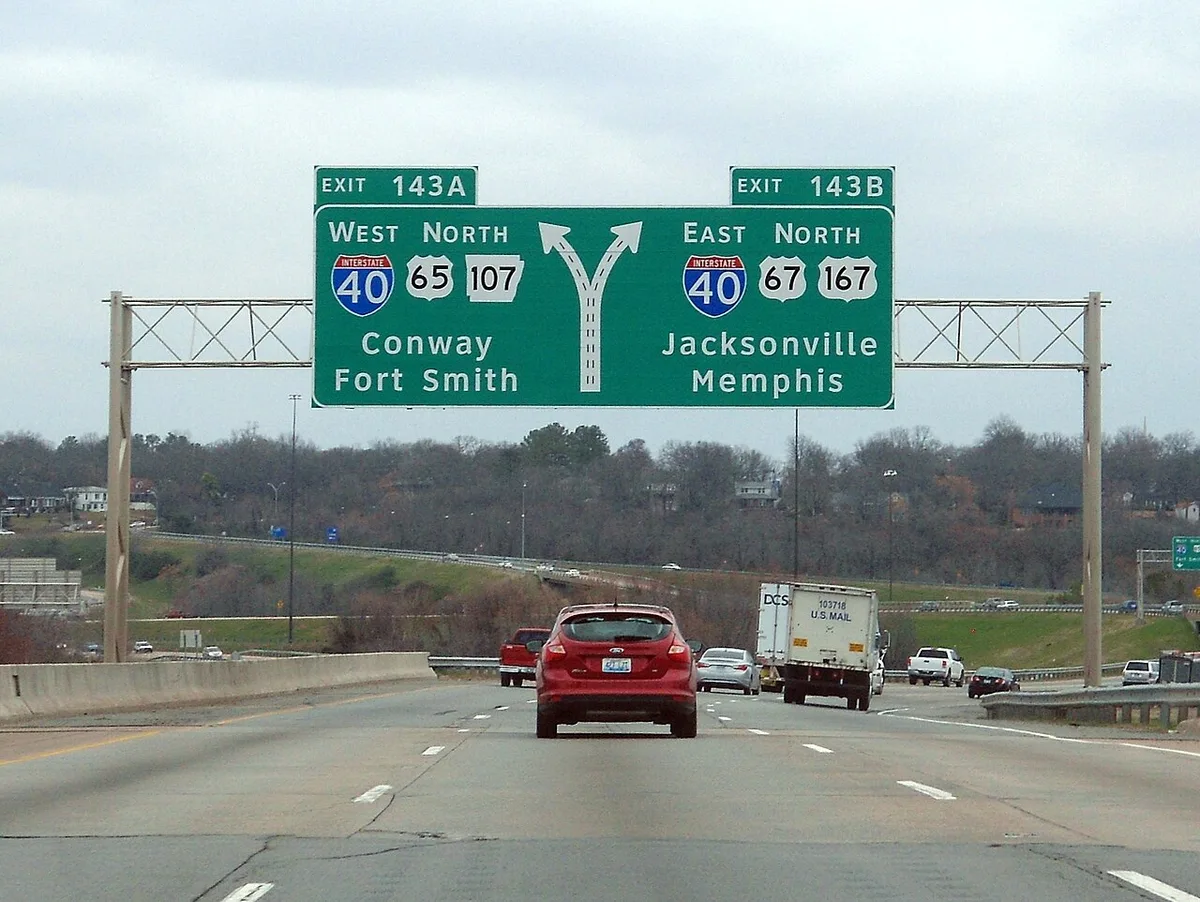
Arkansas has a lot of interstate miles. I-40 alone cuts across the entire state, connecting Little Rock to Memphis and Oklahoma City. That's a lot of semi-trucks, commuters, and tourists sharing the same pavement.
When one driver camps in the left lane, the whole flow slows down.
Wikimedia Commons / Brandonrush (CC BY-SA)
The real problem isn't just inconvenience. It's safety. When faster traffic stacks up behind a left lane camper, drivers start making risky moves.
They get impatient and pass on the right. They tailgate. They brake check.
We've all seen how quickly that escalates.
The law creates predictable lane behavior. Faster traffic passes on the left. Slower traffic stays right.
Everyone knows what to expect. That's why enforcement has been stepping up in recent years, especially on high-traffic corridors around central Arkansas.
The Core of Arkansas Code § 27-51-109
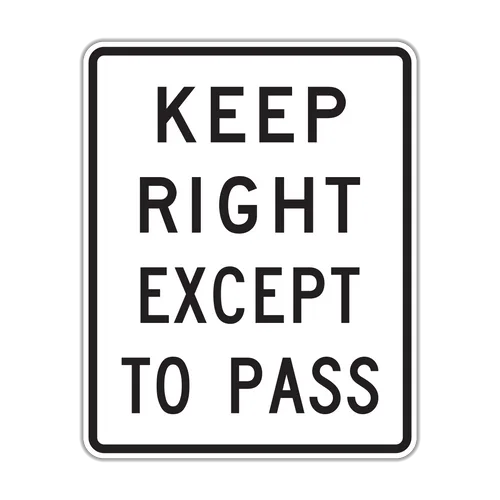
Let's look at the actual statute. Arkansas Code § 27-51-109 is titled "Driving on right side of roadway. Exceptions." The key part says that any vehicle traveling slower than the normal speed of traffic must keep to the right lane.
This applies except when overtaking and passing another vehicle or when preparing to make a left turn.
Bing (Web (fair-use with source credit))
Here's what that means in plain English:
| Legal behavior | Illegal behavior |
|---|---|
| Pass another vehicle in the left lane, then move right | Drive in the left lane with no intention to pass |
| Prepare to turn left from a designated lane | Sit in the left lane while multiple vehicles stack behind you |
| Adjust for hazards or road conditions | Stay left because you prefer that lane |
| Drive in the left lane when right lane is blocked by construction | Stay left out of habit or laziness |
The law uses the phrase "normal speed of traffic." That's crucial. You can be going 70 mph in a 65 mph zone and still be violating the law if everyone else is going 75. Your speedometer doesn't matter.
The flow of traffic does.
Who This Law Applies To
This isn't just for out-of-state tourists. It applies to everyone operating a vehicle on a highway with two or more lanes in the same direction. That includes daily commuters heading from Conway to Little Rock or Fayetteville to Springdale.
It includes truck drivers on long hauls through the state. It includes rental car drivers passing through on vacation.
One group that often gets overlooked is drivers from states with different left lane rules. Some states only require slower traffic to keep right if they are going below the posted minimum speed. Arkansas is not one of those states.
If you moved here from Texas, Oklahoma, or Missouri, the rule might not be what you expect.
Another overlooked group is drivers on two-lane undivided highways. Yes, the law still applies when both lanes go the same direction. If you're on Highway 67 or Highway 71 and there are two lanes heading your way, the same rule applies.
The Fine, Points, and Insurance Hit
Let's talk money. A left lane camping violation in Arkansas is a Class C traffic infraction. The base fine is up to $100.
But that's just the beginning.
| Cost factor | Typical amount |
|---|---|
| Base fine | Up to $100 |
| Court costs | $30 to $100 depending on county |
| Traffic school | $50 to $100 (if eligible) |
| Insurance increase | 10% to 20% for 3 years on average |
Arkansas does not assess points for Class C infractions. That sounds like good news, but your insurance company might not care. Many insurers use their own rating systems.
A conviction for a moving violation often triggers a premium increase regardless of points.
If you fight the ticket and lose, you are also paying court costs and potentially the officer's overtime. For most people, paying the fine and moving on is the cheaper option. But you can avoid the whole situation by simply moving right.
We cover more safe driving habits in our guide on what to do if your car remote goes through washer and dryer. It's a different topic but part of being a prepared driver.
What "Impeding Traffic" Really Means
The law says you cannot "impede the normal and reasonable movement of traffic." That sounds vague until you see it in action.
Imagine you are driving 72 mph on I-40 near Conway. The flow is running 78 mph. You are passing the occasional car, but a line of five vehicles stacks behind you in the left lane.
That is impeding traffic. Even though you are over the speed limit, you are still going slower than everyone else.
Enforcement officers look for specific signs. Multiple vehicles stacked behind you. Gaps opening in the right lane that you are not using.
Drivers passing you on the right. If an officer sees any of those, they have probable cause to pull you over.
The standard isn't your speedometer reading. It's the speed of the traffic around you. If you find yourself being overtaken on the right consistently, you are the problem.
Exceptions That Let You Stay Left Legally
The law includes several clear exceptions. You can stay in the left lane if you are overtaking and passing another vehicle. You can stay left if you are preparing to turn left at an intersection or into a driveway.
You can stay left if weather or road conditions make the right lane unsafe, such as construction, debris, or standing water.
Here's where it gets tricky. The exception for passing only lasts as long as the pass takes. Many drivers misunderstand this.
They pass one car, then stay left while five more cars catch up. That's not a pass. That's camping.
Another exception that confuses drivers is road conditions. If the right lane has a big pothole or the shoulder is soft, you can legally stay left. But once you pass that hazard, you need to move back.
The exception ends when the hazard ends.
Step-by-Step: How to Use the Left Lane Correctly
Step 1: Use the right lane as your default. Unless you are actively passing, merging, or preparing to turn left, stay in the right lane.
Step 2: Check your mirrors before passing. Look for faster traffic approaching from behind. If someone is closing in on you, wait for them to pass before you pull left.
Step 3: Pass efficiently. Signal left, move into the left lane, accelerate past the vehicle, and signal right. Return to the right lane as soon as you have room in your mirrors.
Step 4: Read the traffic flow. Glance in your rearview every 10 to 15 seconds. If you see vehicles gaining on you, you are not going fast enough for the left lane.
Step 5: Be predictable. Don't speed up when someone tries to pass you on the right. Don't brake check tailgaters. Just move right at the next safe gap and let them go.
Most tickets come from skipping step 4. Drivers get comfortable in the left lane and stop checking their mirrors. A quick glance every 10 seconds would prevent most violations.
Common Misconceptions That Get Drivers Ticketed
"I'm going the speed limit, so I can stay in the left lane."
This is the number one misconception. The law doesn't care about the speed limit. It cares about the speed of traffic.
If everyone else is going 75 and you are doing 70, you are in violation.
"I'm passing cars, so I'm fine."
You are passing one car every two miles. That's not passing. That's matching speed with an 18-wheeler while a train of cars stacks behind you.
A legitimate pass takes 10 to 15 seconds, then you move right.
"The right lane is for trucks only."
Trucks have their own lane restrictions on some Arkansas interstates. But that doesn't give passenger cars permission to camp left. If you are not a truck, the right lane is perfectly legal for you.
"I'll get a ticket for speeding if I go faster."
You can accelerate to match traffic flow temporarily while passing. Law enforcement tickets speeders, not drivers who momentarily match flow during a pass. The goal is to get around and get back.
How Enforcement Works
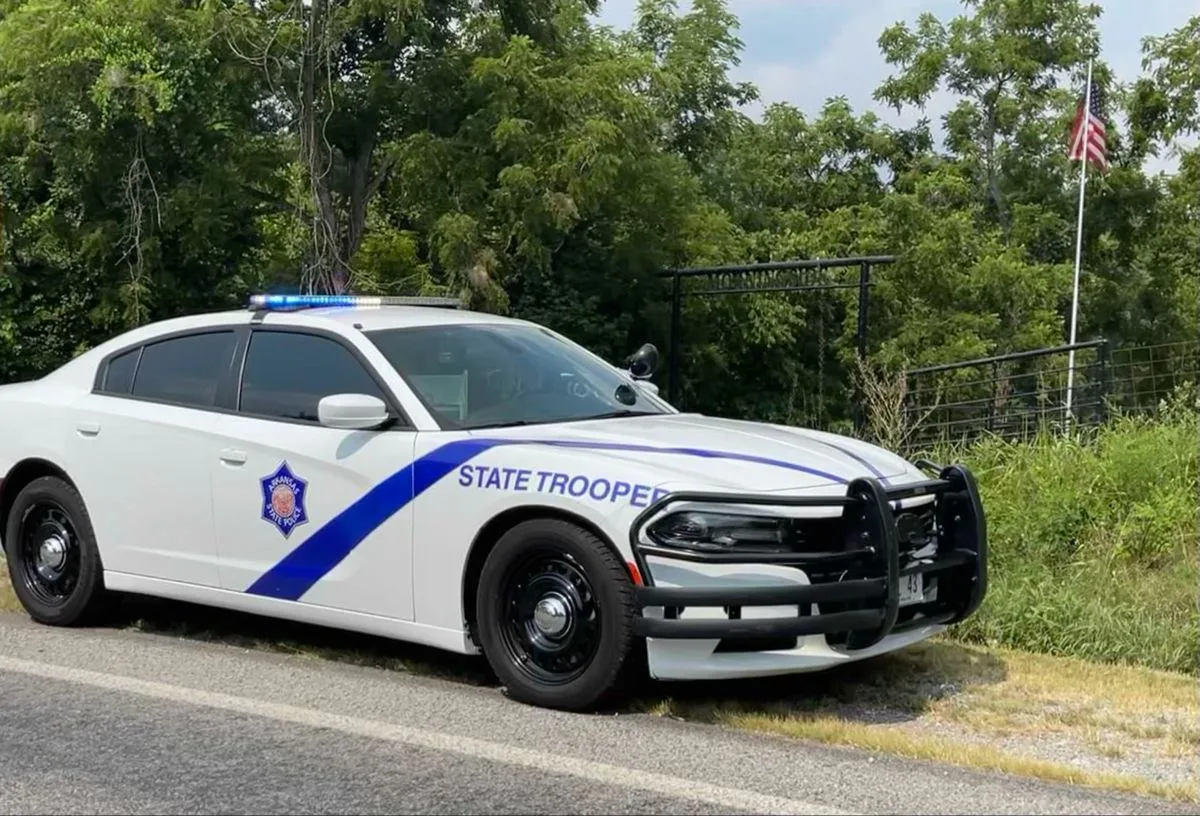
Arkansas State Police actively enforce left lane laws. So do county sheriffs and local police on highways within their jurisdiction.
Bing (Web (fair-use with source credit))
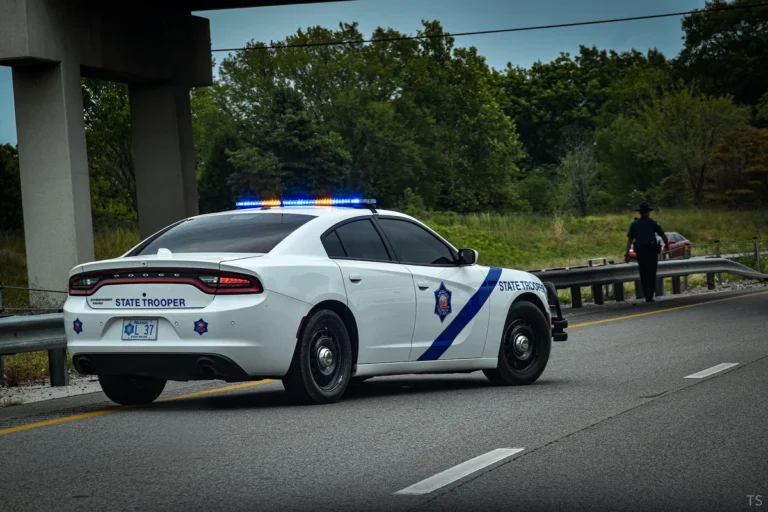
Officers typically park on overpasses or medians where they have a clear view of lane behavior. They look for the telltale stack of vehicles in the left lane. If they see a car sitting left with a gap in the right lane, they pull out.
High-enforcement zones include I-40 through central Arkansas near the I-430 and I-440 interchanges. They include I-30 from Little Rock to Texarkana, especially during holiday travel. They include I-49 around Fayetteville and Springdale where commuter traffic is heavy.
Enforcement also picks up on two-lane highways with passing lanes like parts of Highway 67 and Highway 71.
Enforcement picks up during holiday weekends when traffic volume spikes. Memorial Day, July 4th, and Thanksgiving see extra patrols specifically targeting left lane campers.
If you see a patrol car and realize you have been camping left, don't panic. Signal right and move over calmly. An officer is more likely to pull you over if you speed up or brake erratically.
A smooth lane change shows you understand the law.
The Unwritten Rules: Defensive Driving and Road Rage Prevention
Knowing the law is one thing. Knowing how to avoid conflict is another. Even if you are driving correctly, aggressive drivers exist.
Your safety matters more than being right.
If you are being tailgated while in the left lane, signal right and merge over at the next safe gap. Let the aggressive driver pass. You lose nothing by letting them go.
When you are stuck behind a left lane camper, don't tailgate. Don't flash your high beams repeatedly. Don't pass on the shoulder.
A few seconds of patience beats a road rage incident every time.
Most left lane conflicts escalate from small misunderstandings. The camper thinks they are fine. The tailgater thinks they are justified.
Neither is right. Both end up stressed and unsafe.
What to Do If You Get Pulled Over
Stay calm. Pull over to a safe location as soon as you can. Keep your hands on the steering wheel where the officer can see them.
When the officer approaches, be polite and direct. They already know why they stopped you. Arguing about your speed or the law won't help.
Say something like "I understand, officer. I'll move right sooner."
The officer has discretion. If you are cooperative and acknowledge the mistake, they may issue a warning instead of a citation. A warning won't show up on your driving history or affect your insurance.
If you do get a ticket, you have options. You can pay the fine, which is an admission of guilt. You can request traffic school if the court offers it.
You can also contest the ticket in court. If you choose to fight it, bring evidence. Dashcam footage showing the traffic flow around you can help.
Arkansas vs. Neighboring States
If you drive across state lines, the rules change. Here's how Arkansas compares to its neighbors.
Wikimedia Commons / Brandonrush (CC BY-SA)
| State | Left lane rule | Fine range | Unique detail |
|---|---|---|---|
| Arkansas | Slow traffic keep right | Up to $100 + costs | "Normal speed of traffic" standard |
| Texas | Keep right except to pass | Up to $200 | Written warning for first offense |
| Oklahoma | Keep right unless passing | Up to $200 + court costs | Aggressive enforcement on turnpikes |
| Missouri | Keep right if slower than traffic | Up to $100 + points | Points assessed on license |
| Tennessee | Keep right except to pass | Up to $50 + costs | Misdemeanor for causing accident |
| Mississippi | Keep right if blocking traffic | Up to $25 | Lowest fine in region |
The key difference for Arkansas drivers is the "normal speed of traffic" wording. In Texas and Oklahoma, you are generally fine if you are actively passing. In Arkansas, you need to match the flow, not just the limit.
Frequently Asked Questions
Can I legally drive in the left lane if I'm going the speed limit?
No. The law requires you to keep right if you are moving slower than the normal flow of traffic. The speed limit does not give you permission to stay in the left lane.
How long can I stay in the left lane after passing?
You should return to the right lane as soon as you have safely cleared the vehicle you passed and have room in your mirrors. Typically that is 10 to 15 seconds.
Does the left lane law apply on two-lane highways?
Yes. If the highway has two lanes going the same direction, the rule applies. This includes sections of Highway 67, Highway 71, and similar roads.
What happens if I get a left lane camping ticket in Arkansas?
You face a Class C traffic infraction with a fine up to $100 plus court costs. Your insurance may increase even though no points are assessed. Some courts offer defensive driving as an alternative.
Can I fight a left lane camping ticket?
Yes. You can contest it in county traffic court. Dashcam footage showing traffic flow and witness statements can help your case.
Many drivers successfully argue that they were passing or that road conditions required the left lane.
Is it illegal to pass on the right in Arkansas?
Passing on the right is allowed on highways with two or more lanes in the same direction, but only when done safely. It is not a substitute for proper left lane use.
Verified Summary: Your Takeaway Checklist
Keep this checklist in your glovebox or save it on your phone. It covers everything we have discussed.
- Default to the right lane on all multi-lane Arkansas highways
- Use the left lane only for passing, turning left, or avoiding hazards
- Check your mirrors every 10 to 15 seconds for faster traffic
- Move right immediately after completing a pass
- Never assume the speed limit justifies camping left
- Accept that "normal traffic speed" is what matters, not your speedometer
- Stay calm if tailgated. Move right at the next safe gap
- Be polite and cooperative if pulled over. A warning is better than a ticket
- Know that enforcement is real on I-40, I-30, and I-49
Following these steps keeps you legal, safe, and out of traffic court. It also makes Arkansas roads better for everyone else. That's the whole point of the law.