ByMax Lee
Guide to Arkansas Move Over Law for Authorized Vehicles on Shoulder
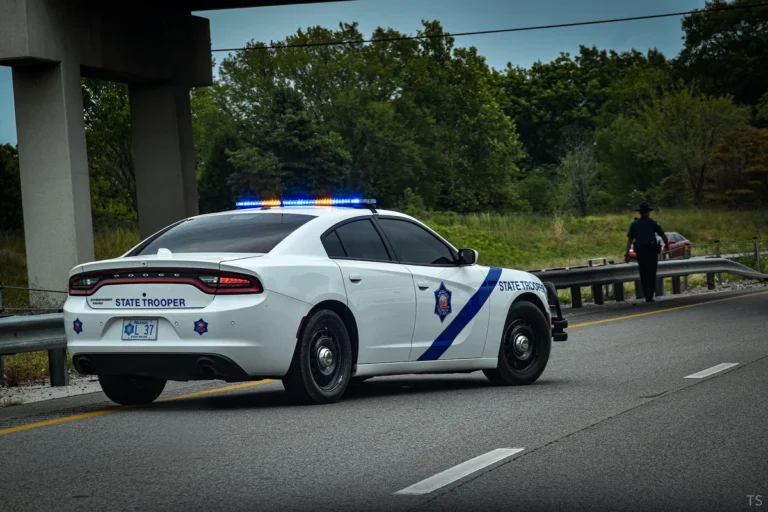
Driving down I-40, you see flashing lights ahead on the shoulder. A trooper has pulled someone over. Or maybe it’s a tow truck changing a tire.
Your gut says to slow down, but what does Arkansas law actually require? The answer is specific and carries real penalties if you get it wrong. The Arkansas move over law for authorized vehicles on shoulder is straightforward once you know the details, but most drivers miss a few key points that can earn them a ticket, or worse, cause a crash.
As of 2026, Arkansas Code Title 27, Section 51-310 spells out exactly what you must do: move over one full lane or slow down to 20 mph below the posted limit. The law applies on every public road, not just interstates. And it covers more vehicles than you might expect, police cars, yes, but also tow trucks, utility trucks, and highway maintenance vehicles with their lights flashing.
Let’s walk through the rules so you never get caught guessing.
Quick Answer
The Arkansas move over law requires you to shift one lane away from any authorized vehicle stopped on the shoulder with its lights flashing. If you cannot safely change lanes, you must slow down to 20 mph below the posted speed limit. On roads where the limit is 25 mph or lower, drop to 20 mph.
Failure to comply means a fine, points on your license, and higher insurance rates.
Why This Law Matters More Than You Think (and What It Actually Says)
Wikimedia Commons / Sicnag (CC BY)
You might think the move over law is just common courtesy. But in Arkansas, it is a primary traffic offense. Officers can pull you over for failing to yield even if you did nothing else wrong.
The penalty goes beyond the ticket. A conviction stays on your driving record for three years. Your insurance rates can go up, and if you drive for work, your employer might see it on your record.
The law itself is short but precise. It says you must “yield the right-of-way” by making a lane change away from the shoulder when safe. If a lane change is not possible, you reduce speed.
That is it. No exceptions for heavy traffic or being in a hurry. The only out is an immediate hazard, like a bridge with no shoulder or a car beside you that you cannot avoid.
Even then, you still must slow down.
Our research shows that most Arkansas drivers know the rule exists. Fewer than half can name the correct speed reduction. That is where tickets happen.
Do not become a statistic.
Core Explanation – How the Arkansas Move Over Law Works
Bing (Web (fair-use with source credit))
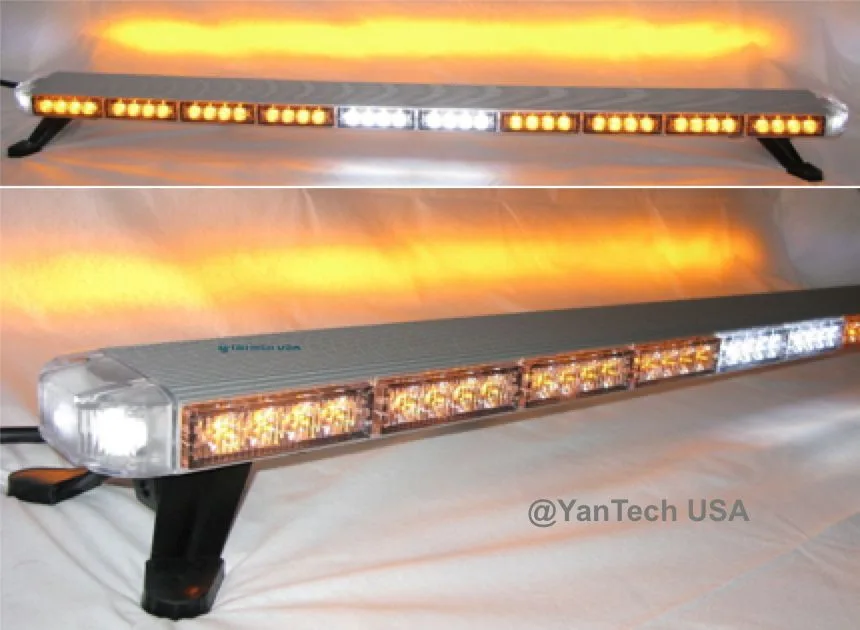
Let’s break down exactly who and what the law covers. An “authorized vehicle” under Arkansas law includes:
- Police cars, sheriff’s vehicles, and Arkansas State Police cruisers
- Fire trucks and ambulances (red and white lights)
- Tow trucks with amber flashing lights
- Highway maintenance vehicles (DOT trucks with amber lights)
- Utility service vehicles, think electric company trucks or gas line repair vans, that have amber lights
The key trigger is simple: the vehicle must be stopped on the shoulder and have its lights flashing. If a police car is parked without lights, the law does not apply. But if lights are on, you must move over or slow down.
The law gives you two legal options:
| Situation | What to Do |
|---|---|
| You can safely move left one lane (no traffic, enough room) | Change lanes. Go all the way over. Do not just drift toward the center line. |
| You cannot move over (left lane occupied, construction, bridge) | Reduce speed to 20 mph below the posted speed limit. If the limit is 25 mph or less, go 20 mph. |
Moving over is always preferred. Slowing down is the fallback. If you could have moved over but chose only to slow down, you can still get ticketed.
The law says “shall make a lane change” when possible.
Step-by-Step – What to Do When You See Flashing Lights on the Shoulder
Wikimedia Commons / Ken Lund from Las Vegas, Nevada, USA (CC BY-SA)
Here is the exact sequence you should follow every time you spot lights ahead. Practice it so it becomes automatic.
- Scan your mirrors as soon as you see the flashing lights. Check the left lane for traffic. Check your blind spot over your shoulder.
- Signal your intention early. Use your turn signal for at least 3 seconds before you start moving. This warns other drivers and gives them time to react.
- Decide: can you move left? If the lane is clear and safe, merge completely into it. Do not just hug the center line. The law requires a full lane change.
- If you cannot move over, begin slowing down immediately. Take your foot off the gas and brake gently. Reduce your speed to 20 mph below the posted limit. On a 70 mph interstate, slow to 50 mph.
- Pass the authorized vehicle with caution. Do not accelerate until you have cleared the vehicle and its lights. Watch for people standing near the car. They might step into traffic.
- Resume normal speed once you are well past the scene.
A common trap is slowing down too little. If the limit is 65 mph, 20 mph below is 45 mph. Going 55 mph does not count.
Law enforcement uses radar and paces vehicles. Even a few miles per hour over the reduced speed can result in a citation.
The Real Costs – Fines, Points, and Hidden Consequences
A move-over ticket in Arkansas is not cheap. Here is the breakdown based on the state's fine schedule and driver’s license point system:
| Violation Severity | Fine (minimum) | License Points |
|---|---|---|
| First offense, no damage | $100 + court costs (typically $200 to $350 total) | 3 points |
| Property damage from violation | Up to $500 | 3 points |
| Injury caused by violation | Up to $1,000 + possible reckless driving charge | 3 points + possible suspension |
Court costs vary by county. In Pulaski County, expect around $250 in fees on top of the fine. In smaller counties, it might be closer to $150.
The hidden costs add up fast. A move-over violation is a moving violation that stays on your driving record for three years. Insurance companies see it as higher-risk behavior.
Your premium could jump 15 to 25 percent depending on your provider. Over three years, that could cost you hundreds more.
If you accumulate 14 points in 36 months, the Arkansas Department of Finance and Administration can suspend your driver’s license. A single move-over ticket gives you 3 points. Combine it with a speeding ticket, and you are a third of the way to suspension.
For commercial drivers, the stakes are even higher. A move-over violation on your record can affect your CDL and your job. Keeping a clean driving record matters more than ever.
Treat the move over law as seriously as a stop sign.
Common Mistakes That Lead to a Ticket (Even if You Think You’re Doing It Right)
Most move-over tickets come from drivers who thought they followed the law. They just got one detail wrong. Here are the top errors we see.
Mistake 1: Not moving over when you could have. The law says “shall change lanes” if safe. You cannot choose to just slow down if the left lane was empty. Officers watch for this.
If there was space, you should have taken it.
Mistake 2: Moving over too late. If you wait until you are right next to the vehicle to change lanes, that is not enough. The law expects you to move over far enough in advance. Start signaling at least 500 feet before the vehicle.
Mistake 3: Slowing down too little. It is “20 mph below the posted speed limit,” not “20 mph below your current speed.” If you were doing 78 in a 70 zone, you need to drop to 50, not 58.
Mistake 4: Forgetting about tow trucks and utility vehicles. Many people only associate the law with police cars. Any authorized vehicle with flashing lights counts. A tow truck changing a flat on the side of the highway qualifies.
So does a DOT truck trimming trees. Ignorance is not a defense.
Mistake 5: Not knowing the law applies on all roads. It is not just for interstates. Two-lane highways, rural roads, and city streets are all covered. On a two-lane road, you often cannot move over.
Make sure you slow down enough.
Mistake 6: Driving in the left lane and not moving right. If the authorized vehicle is on the left shoulder, the same rule applies. Move right one lane. If you cannot, slow down.
Avoid these errors, and you will stay ticket-free. When in doubt, slow down first, then check if a lane change is possible.
When You Can’t Move Over – What the Law Really Expects
Arkansas law recognizes that sometimes moving over is impossible. The key is the “immediate hazard” clause. If moving over would cause a crash, do not do it.
Slow down instead.
Here are the most common situations where moving over is not possible:
- Two-lane roads with oncoming traffic. You cannot cross the center line if a car is coming.
- Bridges and overpasses. There is no room to shift over.
- Heavy left-lane traffic. The lane next to you is bumper-to-bumper.
- Construction zones with concrete barriers. You are boxed in.
In every one of these cases, the law requires you to slow down to 20 mph below the posted limit. Pass the vehicle with caution. Do not accelerate until you are well past it.
One important note: do not use these situations as an excuse to stay in your lane when you could have moved over. If the left lane opens up 500 feet before the vehicle, you should merge then. The law favors a lane change if it is safe at any point during your approach.
Real Scenarios – What Happens in Everyday Arkansas Driving
Bing (Web (fair-use with source credit))
Let’s apply the law to real driving situations you might face in Arkansas.
Scenario 1: I-40 Westbound near Little Rock at 5 PM. A state trooper has a car pulled over on the right shoulder. You are in the middle lane. The left lane is full of traffic.
You cannot move over. The law says you must slow down. The speed limit is 70 mph.
Brake smoothly to 50 mph. Pass the trooper. Do not accelerate until you are well past the scene.
Scenario 2: AR-7 North of Russellville. Two-lane highway. A tow truck with amber lights is changing a tire on the right shoulder. No oncoming traffic.
The law says you must move over into the oncoming lane if it is clear. Check your mirrors. Signal.
Cross the center line. Pass the tow truck. Return to your lane.
Scenario 3: I-55 at night near Blytheville. You see amber lights in the distance. It is a utility truck. Are the lights flashing?
It is hard to tell. Start slowing down immediately. Assume the lights are flashing.
By the time you are close enough to confirm, you will be at the correct speed. It is better to be safe than to risk a ticket or a crash.
Expert Tips – How to Avoid a Ticket and Stay Safe
These tips come from our research on how Arkansas State Police enforce the move over law and what seasoned drivers do to stay compliant.
- Pre-scan the shoulder. Look far ahead. Train your eyes to spot stationary lights, especially at dawn, dusk, and night.
- Signal early. Give drivers behind you time to react. A late signal causes confusion and hard braking.
- Check your blind spot. A quick shoulder check can prevent a side-swipe. Do not rely solely on mirrors.
- Brake smoothly. Do not slam on your brakes unless it is an emergency. Smooth braking gives drivers behind you time to react.
- If tailgated, tap your brakes lightly to warn the driver behind you. Then slow down gradually. If they will not let you over, take the next exit or pull off when safe.
- Remember that the law covers tow trucks and DOT vehicles. Do not assume it only applies to police cars.
For more driving tips and resources, check out our Blog.
Legal Breakdown – What the Statute Actually Says (Without the Legal Jargon)
The law is found in Arkansas Code §27-51-310. Here is what it means in plain English.
- Authorized vehicle: Law enforcement, fire, ambulance, tow truck, highway maintenance, and utility service vehicles.
- Shoulder: The improved shoulder or emergency lane on the right side of the road.
- When it applies: When the vehicle is stopped on the shoulder and its lights are flashing.
- Your duty: Move over one lane if safe. If not safe, reduce speed to 20 mph below the posted limit.
- Where it applies: All public roads in Arkansas. Interstates, state highways, and city streets.
The violation is a primary offense. That means an officer can pull you over for just this. You do not need to be doing anything else wrong.
Penalties include a fine, court costs, and 3 points on your driving record.
The Arkansas State Police actively enforce this law. They often run targeted enforcement campaigns, especially on interstates. The Arkansas State Police website has more information on traffic safety initiatives.
The Arkansas Driver License Handbook also covers the move over law.
FAQ – Quick Answers to the Questions Drivers Ask Most
Do I have to move over for a private car with hazard lights on the shoulder?
No. Arkansas law only covers authorized vehicles with flashing lights. A private car with hazard lights is not included.
But you should still slow down and be careful.
What if the authorized vehicle is on the left shoulder?
The law works the same way. Move right one lane if safe. If you cannot, slow down to 20 mph below the limit.
What if the lights are not flashing?
The law does not apply if the lights are off. But use your best judgment. A stopped vehicle with no lights is still a hazard.
Does this law apply to out-of-state drivers?
Yes. Arkansas State Police enforce it against everyone. Not knowing the law is not a defense.
Out-of-state drivers get ticketed regularly.
Can I get points on my Arkansas license if I am from another state?
Yes. The violation goes on your national driving record. Your home state will process it and may add points to your license.
What is the safest thing to do if I am unsure?
Slow down first. Then check for an opening in the next lane. If you can safely move over, do it.
If not, stay at the reduced speed until you pass the vehicle.
Final Verdict – What Every Arkansas Driver Needs to Remember
The rule is simple. See lights on the shoulder? Move over one lane.
Cannot move over? Slow down to 20 mph below the limit. The stakes are real: tickets, points, higher insurance, and worst case, a crash that hurts someone.
Treat it like a reflex, not a choice. It keeps you, the workers, and the officers safe. Knowing the law and following it every time is the mark of a good driver.
Make it part of your routine.