Black Friday deals are live on Amazon · limited-time discounts, grab them before they’re gone
Grab the deals

ByMax Lee
Pressure Washing Ceramic Coating: What Happens?
So what happens when using a pressure washer on cryamuic coating? The short answer is simple: you risk lifting the protective layer at the edges and causing irreversible damage to your paint finish. Many car owners assume the hydrophobic seal will repel high-pressure water like it repels rain.
That is a dangerous misunderstanding of how these nano-ceramic layers interact with mechanical force. If you want to keep your coating intact, you need to understand the specific physics behind the wash.
Pressure washers often operate between 1,300 and 3,000 PSI. Ceramic coatings typically cure to a hardness of 9H on the pencil scale. That hardness sounds strong, but it is brittle.
Flexibility is the real key to surviving a car wash, not just surface hardness. When water hits at a perpendicular angle with that much force, it essentially wedges underneath the thin molecular layer. The real danger isn't scrubbing.
It is the force of the spray itself.
Quick Answer
Using a pressure washer on ceramic coating risks delamination and edge lifting. The force can force water under the seal. Damage occurs most often at seams and trim.
You should keep the nozzle at least 12 inches away. Never use the 0-degree spray setting on painted surfaces.
Understanding Ceramic Coating: Hardness vs. Flexibility
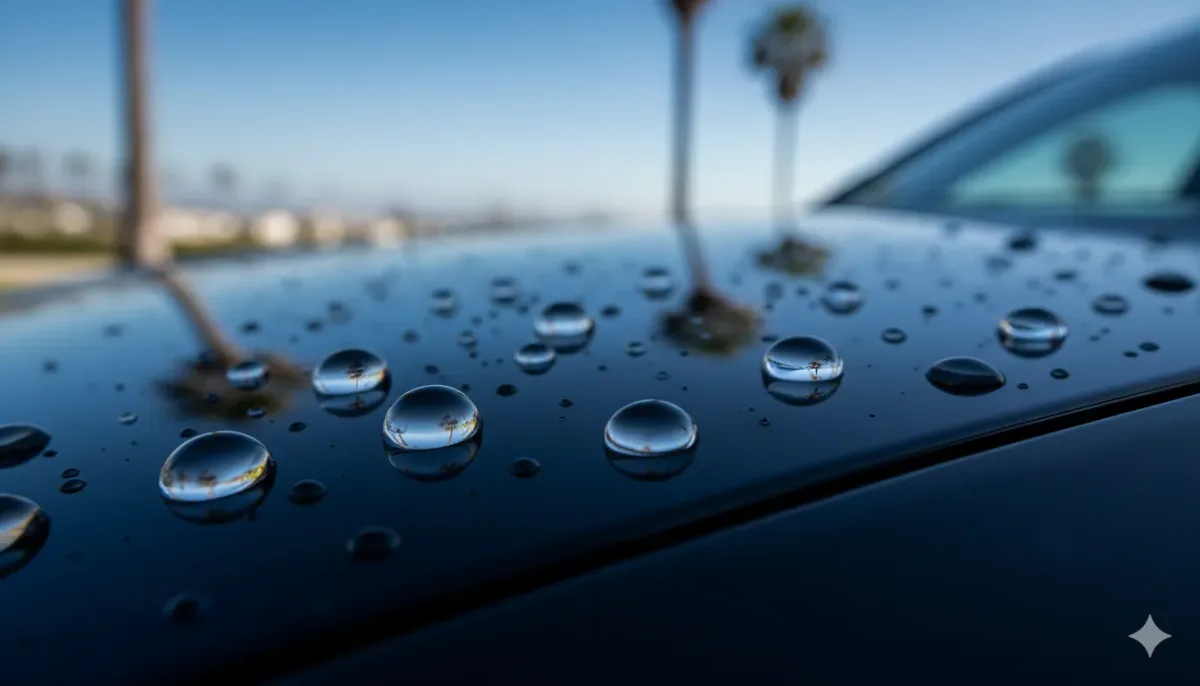
Ceramic coatings form a chemically bonded layer on top of your clear coat. This layer provides resistance to UV rays, water, and minor scratches. However, it is not indestructible plastic.
It behaves more like a hardened glass shell. That means it can scratch but it can also chip if struck with enough force or pressure.
Manufacturers like CarPro and Gyeon publish spec sheets noting these coatings are hydrophobic. This means water beads up and rolls off. This property makes them easier to clean during normal washing.
It does not make them resistant to high-velocity water jets. Think of a waterproof watch case. You can swim with it.
You cannot hit it with a hammer.
The flexibility of the clear coat matters more than the coating itself. Paint moves slightly as the body expands in the sun or flexes while driving. A ceramic bond is rigid.
When you hit that rigid bond with water pressure that exceeds the adhesion strength, the bond breaks. This usually starts at the edges where the paint might not be perfectly smooth.
How the Layer Attaches to Paint
The bond creates a sacrificial layer. If you scratch it, you scratch the coating, not the paint underneath. This is good for maintenance.
But if you peel it, you lose the protection entirely. Removing a lifted edge requires stripping the whole layer down to the base coat. This means repainting or re-coating the entire area.
The cost of fixing pressure washer damage is far higher than the cost of a gentle wash.
Pressure washing might feel efficient. You are blasting dirt off in seconds. But consider the lifespan.
A quality ceramic coating costs thousands of dollars and lasts for years. A single bad wash can ruin months of protection in seconds.
Image source: Bing (Web (fair-use with source credit))
How Pressure Washers Work: PSI, PFOA, and Spray Angles
To understand why you should be careful, you need to understand the tool. A pressure washer moves water through a pump. This pump increases the water pressure significantly compared to a garden hose.
The unit of measurement is PSI, or pounds per square inch. Consumer units range from mild to extremely powerful.
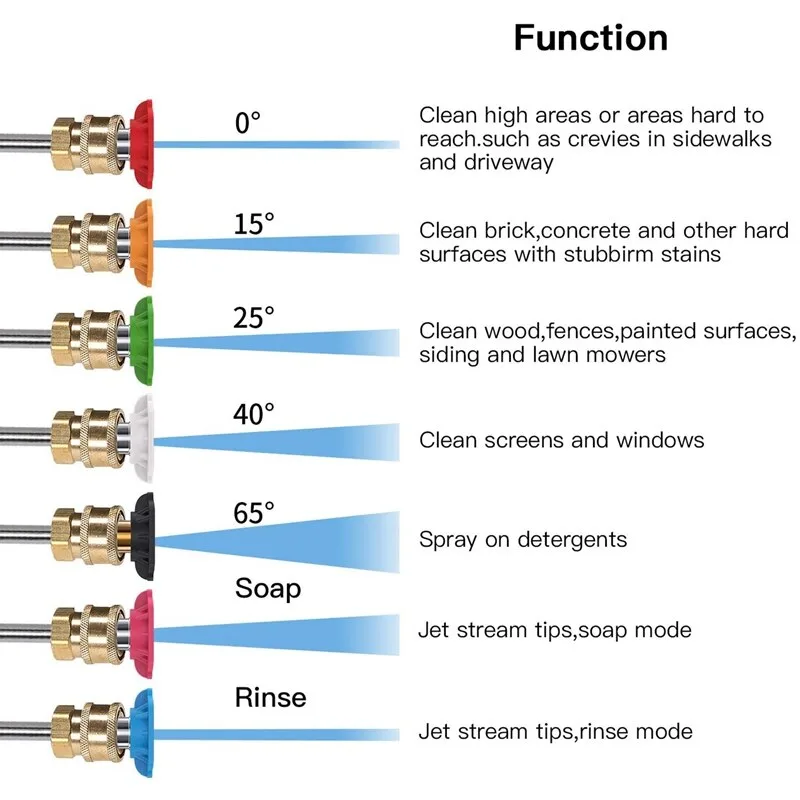
Image source: Bing (Web (fair-use with source credit))
The spray nozzle changes the shape of that force stream. There are standard color-coded tips for different angles. A red tip is 0 degrees.
It creates a narrow, razor-like stream. It is the most dangerous option for your car. A green tip is 15 degrees.
It is still very aggressive. A white tip is 25 degrees. This is the sweet spot for light-duty washing on durable surfaces.
A yellow tip is 40 degrees. It provides a wide, gentle fan.
The Impact of Distance
Water pressure drops rapidly as you move the nozzle further from the surface. If you stand close, the PSI at the paint is nearly the full rating of the machine. If you stand further back, the stream spreads out and loses intensity.
This is why technique matters more than machine power. You can use a 3,000 PSI washer safely if you keep your distance. You can damage a paint job with a 1,300 PSI washer if you hold the nozzle inches away from the paint.
PFOA stands for perfluorooctanoic acid. You might see it listed in detergent chemistry. It is a chemical formerly used in non-stick coatings.
Most modern car wash detergents are designed to be pH-neutral. Acidic or alkaline detergents can strip the coating over time. Ensure any soap you use is specifically labeled safe for ceramic coatings.
The Real Risks: Delamination, Lifted Edges, and Micro-Swirls
What specifically breaks when you spray too hard? The primary risk is delamination. This is when the coating separates from the metal or paint beneath it.
Once the bond is broken, moisture gets trapped underneath. This leads to rust spots or hazy patches that polish cannot fix. You will need to repaint to fix it properly.
Edge lifting is the most common symptom. Look at your door handles, mirror bases, or bumper trim. These areas are often the first places the water gets under the film.
You might see a white line forming along the edge. This is the coating peeling up like a sticker. It looks like a small scratch at first.
But it is actually a lift.
What About New Coatings?
A coating is not ready to handle water pressure immediately after application. The curing process takes time. While a coating may feel dry to the touch in a few hours, it is not fully bonded for weeks.
Some manufacturers recommend avoiding car washes for 30 days. Using a pressure washer on a new coating is a fast track to ruining the warranty.
Even on a fully cured coating, repetitive exposure is dangerous. You might not see damage the first time. But the micro-fractures accumulate over washes.
This is where micro-swirls come in. High-pressure water forces dirt particles across the surface with more force than gentle washing. This creates fine scratches that dull the shine.
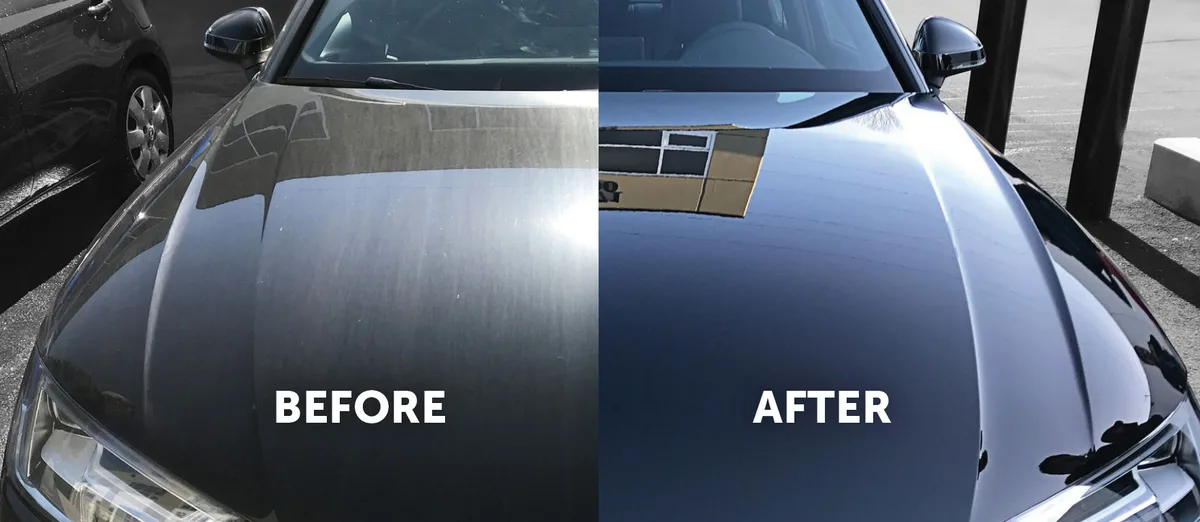
Image source: Bing (Web (fair-use with source credit))
The best visual proof is seeing the defect directly. A close-up of a lifted edge shows the separation clearly. If you see this, do not spray it with more water.
Gently peel it off and re-apply the coating to that spot. Otherwise, the moisture will compromise the bond further.
Safe Pressure Washing Guidelines: If You Must Do It
Sometimes you have to use a pressure washer. Maybe you are cleaning a trailer or a truck with heavy mud. If you must use one on a coated vehicle, follow these strict rules to minimize risk.
Treat the paint like it is fragile, not indestructible.
You need to choose the right nozzle. Stick strictly to the white (25-degree) or yellow (40-degree) tip. Never use the red (0-degree) tip.
The blue (15-degree) tip is borderline and should be avoided on coated surfaces. The wider the spray, the lower the pressure on any single point of paint.
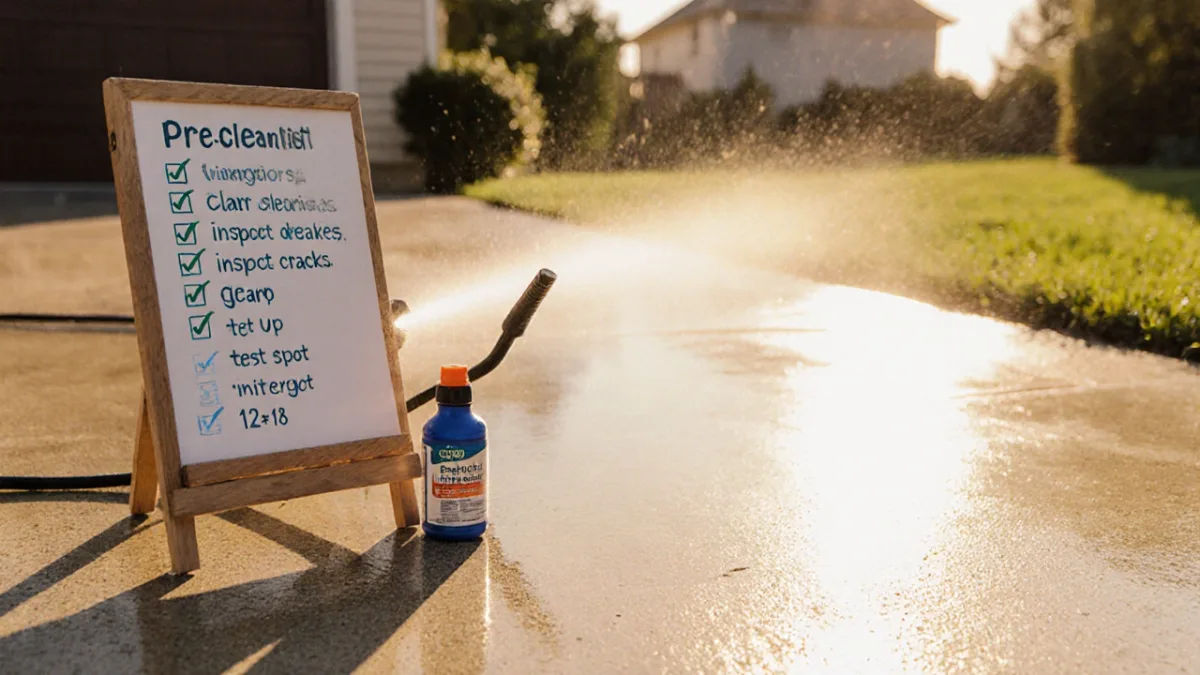
Image source: Bing (Web (fair-use with source credit))
Distance is your friend. Keep the nozzle at least 12 to 15 inches away from the car body. Test the distance on a less visible spot first.
If the water causes a visible mist or splatter effect on the paint, you are too close. Move back until the water looks like a gentle mist. Keep the nozzle moving.
Do not hold a steady stream in one spot for longer than a second.
Recommended Equipment Settings
Set the pressure to its lowest effective setting. If your washer has a pressure adjuster, dial it down. For a sedan, 1,500 PSI is plenty for removing mud.
You do not need 3,000 PSI. High pressure is designed for concrete driveways, not automotive finishes.
Pre-soak the vehicle. Use a bucket of car wash soap to loosen the grime before you turn on the machine. This reduces the need to blast dirt off with force.
Dirt acts like sandpaper. If you blast dirt without it being loosened first, you will scratch the surface and the coating. Rinse from top to bottom.
Let gravity do the work for you.
Comparing Methods: Touchless Car Washes vs Hand Wash vs Pressure Washer
You have three main options for cleaning a coated car. Each has a different level of risk and a different result. Knowing which to use depends on your situation and your car's condition.
Table 1: Washing Method Risk Assessment
| Method | Risk Level | Coating Safety | Best Use Case |
|---|---|---|---|
| Touchless Car Wash | High | Low | Extreme dirt only |
| Hand Wash (Two-Bucket) | Low | Very High | Daily/Weekly maintenance |
| Pressure Washer (DIY) | Medium | Medium | Heavy mud/Off-roading |
A touchless car wash uses chemicals and sprayers to remove dirt without touching the car. This sounds safe, but the nozzles inside are powerful. They often aim pressure directly at seams and trim.
This can lift coating edges quickly. Our research suggests these machines are risky for coated vehicles. The pressure settings are industrial grade, not car grade.
Hand washing with the two-bucket method is the gold standard. You use a grit guard to keep dirt from re-entering your wash mitt. This method removes dirt without mechanical force.
It preserves the coating integrity perfectly. It takes more time, but it is the only method that guarantees safety long-term. A microfiber wash mitt is soft enough to slide over dirt without scratching.
It lifts the dirt away rather than grinding it in.

Image source: Bing (Web (fair-use with source credit))
Pressure washing sits in the middle. It is safe if you are careful. But it requires a lot of discipline to stay safe.
Many users get complacent once they own a powerful machine. They forget the nozzle is dangerous. If you choose this route, stick to the guidelines we discussed earlier.
Keep distance high and use wide angles.
When Is Each Method Appropriate?
Use hand washing for the majority of your cleaning routine. If you know you will be using a pressure washer, consider washing the car with a bucket first to remove loose debris. If you are in an area with heavy road salt, a quick rinsing with a garden hose is safer than blasting.
You want to dissolve the salt before it dries on the paint.
Do not wash your car immediately after it has been sitting in the sun. The paint is hot and expands. Water hitting hot metal can cause thermal shock that stresses the coating.
Wash in the shade. This applies to all three methods, but especially pressure washing where the water impact is already high.
As of 2026, the consensus among detailers remains that mechanical hand washing is superior for paint protection. Pressure washing is a tool for heavy-duty tasks, not daily care. If your coating is newer than six months, avoid pressure washing completely until it is fully hardened.
The chemical bond needs time to cross-link properly before facing high-impact water.
Other Cleaning Alternatives
You have other ways to clean a coated car safely. A foam cannon attached to a hose adds gentle lubrication. The foam lifts dirt off without touching the paint.
This is safer than a dry mitt. Some car owners use a water-fed pole system for windows and glass. This is excellent for spot-free rinsing without soap residue.
If you are driving through a car wash, choose a specific option carefully. Touchless tunnels are generally safer than brush tunnels, but still risky for new coatings. Look for services that advertise "soft cloth" or "microfiber" washing if you must use an automated system.
Always inform the staff that your vehicle has a ceramic coating.
Frequently Asked Questions
Can I use a pressure washer on a newly coated car?
Wait at least 30 days before using a pressure washer on a newly coated car. The coating needs time to fully cure and harden. Spraying it too soon can lift the edges before the bond is strong.
It is better to wait and hand wash during that period. The risk is not worth the convenience.
What is the safest nozzle for a ceramic coating?
The safest nozzle is the 40-degree yellow tip or the 25-degree white tip. These create a wide fan that spreads out the pressure. Avoid the 0-degree red tip completely.
It is too concentrated and acts like a water knife on the paint surface. Even with a wide nozzle, keep your distance.
Does soap matter with a pressure washer?
Yes, soap matters significantly. Use a pH-neutral car wash soap specifically designed for ceramic coatings. Harsh soaps can strip the protective layer.
Do not use household detergents like dish soap. They are too alkaline and will degrade the hydrophobic properties of the coating over time.
How far away should I stand from the car?
You should stand at least 12 to 15 inches away from the car surface. This distance reduces the pressure hitting the paint significantly. If you see the water spray looking like a concentrated dot, you are too close.
Move back until it looks like a soft mist. Test on a hidden panel first to be sure.
What if I accidentally lift an edge?
If you see an edge lifting, stop washing immediately. Do not spray it more. You may need to peel the lifted section off and re-apply coating to that area.
Small lifts can sometimes be fixed by gently pushing them back down while damp. But often, professional re-coating is the only fix to ensure full protection returns.
Is a touchless car wash safe for ceramic coating?
Touchless car washes are generally not recommended for ceramic coating. The nozzles inside are powerful and often target high-pressure areas like door handles and trim. This can cause edge lifting over time.
If you must use one, rinse the car gently with a hose first to soften any grit before entering the tunnel.