Choosing what soap to use on a Tesla isn’t just about getting it clean. The wrong soap can strip protective coatings, leave swirl marks, or even damage the Autopilot sensors. Tesla’s paint and finishes are more sensitive than many traditional cars.
Manufacturer specs show Tesla’s clear coat is thinner than most gas-powered vehicles. The ideal pH for car soap sits between 6.5 and 7.5. That’s why the first step is picking the right product for the job.
Quick Answer
Use a pH-balanced car soap between 6.5 and 7.5. Avoid dish soap or household cleaners. They strip wax and coatings.
Always use the two-bucket method. It prevents swirl marks.
Why the Right Soap Matters for a Tesla
Tesla’s paint is thinner than many traditional cars. That makes it more prone to swirl marks and scratches. The wrong soap can break down the clear coat over time.
Then there are the Autopilot sensors. Tesla’s cameras and ultrasonic sensors are exposed. Harsh chemicals or high-pressure sprays can damage them.
Even residue from some soaps can cloud the camera lenses.
The best car wash for a Tesla also depends on the soap you choose. A touchless wash with the right soap is safer than brushes. But hand washing with the correct method remains the safest option.
Tesla’s Paint and Sensors: What You’re Really Cleaning
Tesla’s exterior isn’t just paint. The clear coat protects the base color but is thinner than on many internal combustion vehicles. That means it’s more vulnerable to scratches and chemical damage.
The Autopilot hardware is another critical part. Tesla models have multiple cameras and ultrasonic sensors around the body. These are exposed to the elements and need to stay clean and unobstructed.
Soaps with strong detergents or degreasers can leave a film on these sensors. That film can reduce their effectiveness.
Per Tesla’s official owner’s manual, avoid automatic car washes with brushes. The risk of scratches is too high. Even the water pressure in some automatic washes can be too aggressive for Tesla’s sensors.
The 3 Types of Soap That Work (and When to Use Each)
Not all car soaps are equal. For a Tesla, you need one that’s gentle but effective.
pH-Balanced Car Soap (6.5, 7.5 pH)
This is the safest choice for regular washing. It cleans without stripping wax or ceramic coatings. Use it for weekly or bi-weekly washes.
Ceramic Coating-Safe Soap
If your Tesla has a ceramic coating, use a soap designed for it. These are pH-neutral and often include lubricants to reduce swirl marks. They help maintain the coating’s hydrophobic properties.
Waterless Car Wash
This works for quick clean-ups between full washes. It’s useful in areas with water restrictions. Waterless washes use a spray-on formula that lifts dirt, which you then wipe away with a microfiber cloth.
Hand Wash vs. Pressure Washer vs. Touchless: How Soap Changes
The method you use affects the type of soap you should choose.
Hand Wash
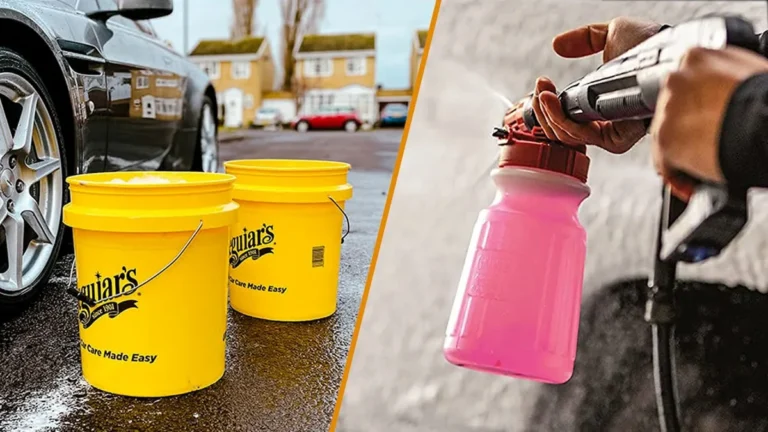
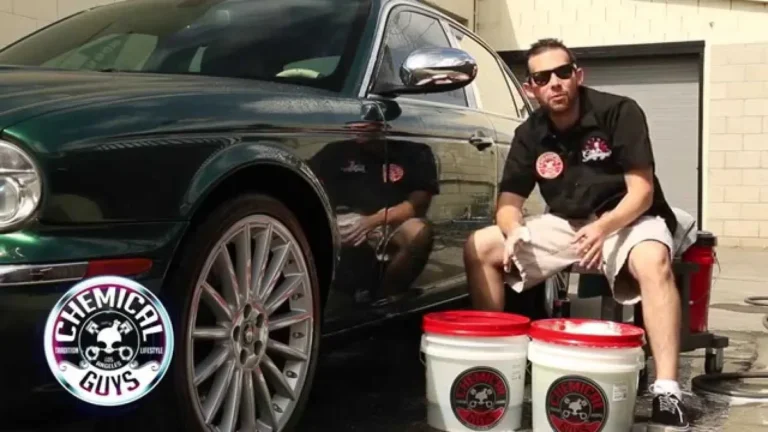
This is the safest method for Tesla’s paint and sensors. Use a pH-balanced car soap and the two-bucket method. One bucket holds soapy water, the other holds clean water for rinsing your mitt.
Pressure Washer
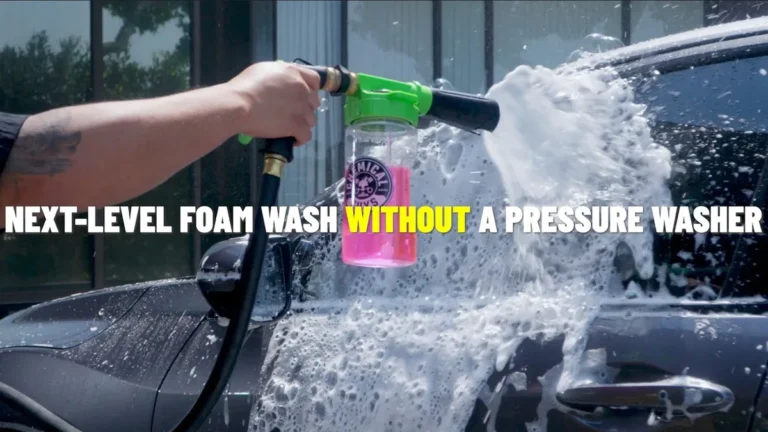
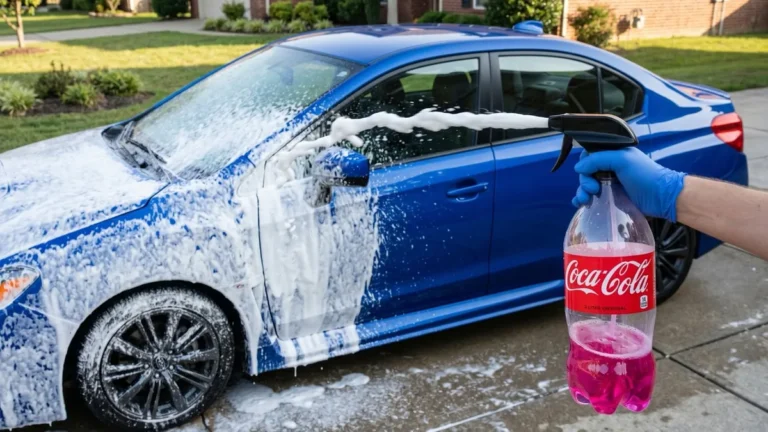
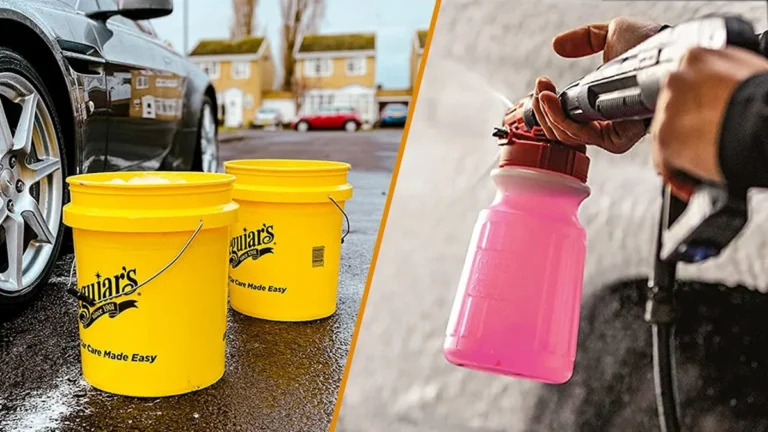
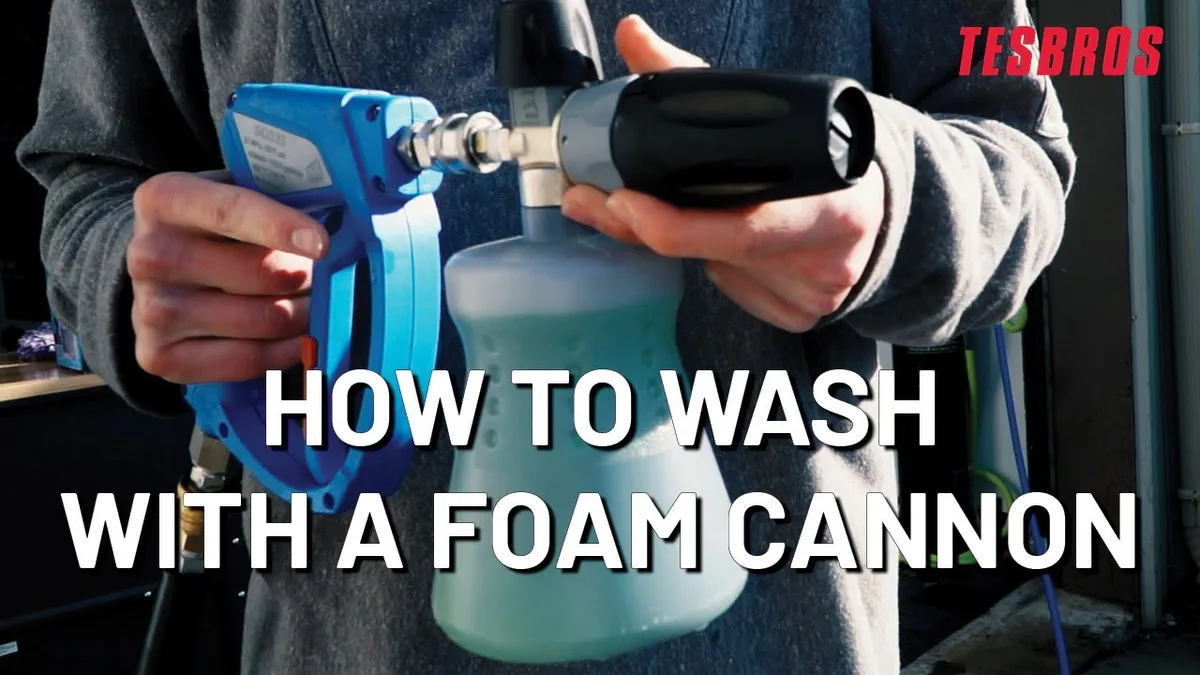
If using a pressure washer, choose a soap designed for foam cannons. These soaps are thicker and cling to the surface. As of 2026, the best pressure washer PSI for cars is between 1200 and 1900 PSI.
Anything higher risks damaging the paint or sensors.
Touchless Car Wash
Touchless car washes use high-pressure water and strong detergents. Not all are safe for Teslas. If you must use one, pick a touchless wash that uses pH-balanced soap.
Avoid any wash with brushes or strong chemicals.
Step-by-Step: How to Wash Your Tesla Without Damaging It
Start with a pre-rinse. Use a pressure washer or hose to remove loose dirt. This prevents scratching the paint when you start washing.
Fill two buckets. One with soapy water, one with clean water. Use a pH-balanced car soap and follow the dilution ratio on the label.
Dip your microfiber mitt in the soap bucket, then wash the car in sections from top to bottom.
Rinse the mitt in the clean water bucket after each pass. This keeps dirt from being transferred back to the paint. Work in small areas and rinse frequently to avoid soap drying on the surface.
Dry with a clean microfiber towel or a blower. Avoid letting the car air-dry, as this can cause water spots. For extra protection, apply a quick detailer spray after drying.
Soaps to Avoid (and Why They’ll Ruin Your Paint or Sensors)
Never use dish soap. It’s too harsh and will strip wax and ceramic coatings. Laundry detergent and degreasers are just as bad.
Avoid soaps with high pH levels. Anything above 8 can damage the clear coat over time. Also steer clear of soaps with strong solvents or abrasives.
Automatic car wash soaps are often too aggressive. Many contain strong chemicals that can leave residue on sensors. Stick to soaps specifically designed for hand washing cars.
Ceramic Coating? Here’s the Only Soap You Should Use
If your Tesla has a ceramic coating, you need a soap that’s safe for it. Ceramic coatings are durable but can degrade with the wrong chemicals.
Use a pH-neutral soap designed for ceramic coatings. These soaps are gentle and won’t break down the coating’s hydrophobic properties. They often include lubricants to help prevent swirl marks.
Avoid soaps with fillers or unnecessary additives. These can leave residue that dulls the coating’s shine. Stick to high-quality, coating-safe soaps for the best results.
Hard Water, Salt, and Other Real-World Problems (and Fixes)
Hard water can leave spots on your Tesla’s paint. If you live in an area with hard water, use a water softener or distilled water for your final rinse. This helps prevent mineral deposits.
Salt from winter roads can corrode the paint and undercarriage. Wash your Tesla frequently during winter to remove salt buildup. Use a soap designed to remove road grime.
Bird droppings and bug splatter can etch the paint if left too long. Remove them as soon as possible with a pH-balanced soap and a microfiber cloth. For tough spots, use a dedicated bug and tar remover that’s safe for automotive paint.
The Two-Bucket Method: Why Tesla Owners Swear By It
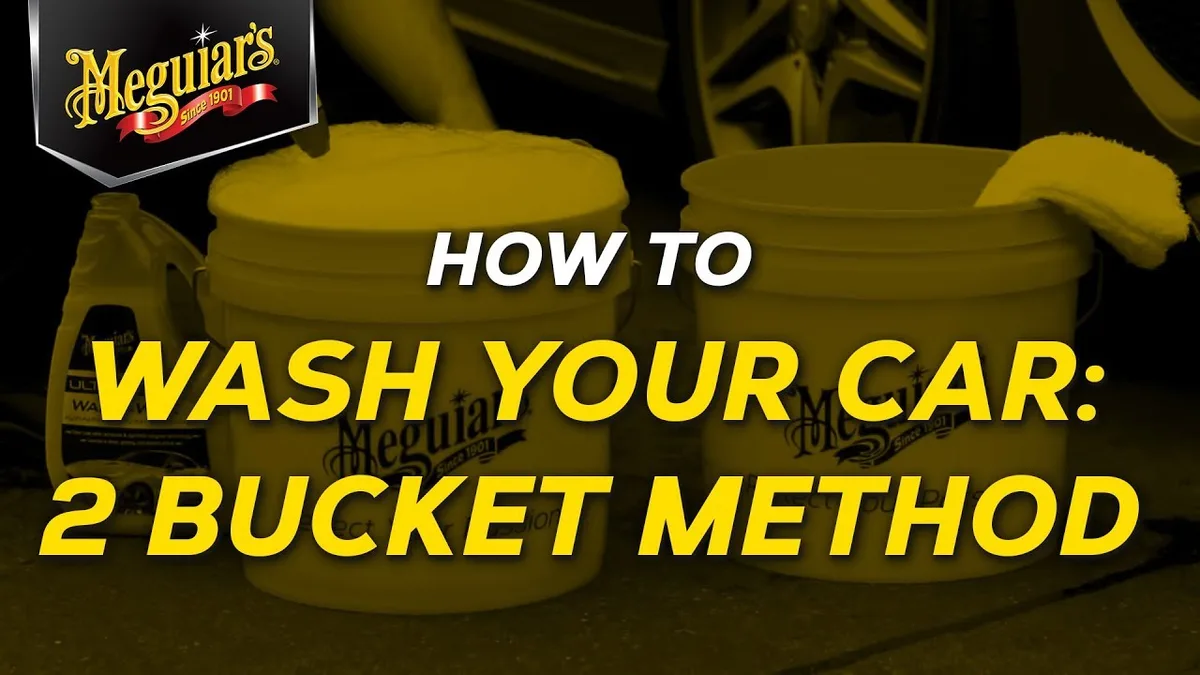
The two-bucket method is the gold standard for washing a Tesla. One bucket holds soapy water, the other holds clean water for rinsing your mitt.
This method prevents dirt from being re-deposited on the paint. When you rinse your mitt in the clean water bucket, you remove the dirt you’ve just picked up. This reduces the risk of swirl marks and scratches.
It’s also a great way to extend the life of your soap. The clean water bucket helps keep your soapy water from getting too dirty too quickly. For the best bucket for car wash, look for one with a grit guard to trap dirt at the bottom.
Tesla-Approved Products vs. Aftermarket: What’s the Difference
Tesla sells its own car care kit. It includes a pH-balanced soap, microfiber cloths, and a spray bottle. These products are formulated specifically for Tesla vehicles.
Aftermarket products can work just as well. Many pH-balanced car soaps from reputable brands meet the same standards. The key is checking the pH level and ensuring it’s safe for automotive paint.
Tesla’s products are convenient and guaranteed to be compatible. Aftermarket options often offer more variety and can be more cost-effective.
How Often Should You Wash Your Tesla? (It Depends)
Wash your Tesla every two weeks if you drive it daily. This keeps dirt and grime from building up and damaging the paint.
If you live in an area with heavy pollution, salt, or bird droppings, wash it weekly. These contaminants can etch the paint if left too long. In dry, dusty climates, a quick rinse between washes can help.
For Teslas with ceramic coatings, you can stretch the interval to three or four weeks. The coating provides extra protection. Still, regular washing maintains the coating’s hydrophobic properties and keeps the car looking its best.
FAQs About Washing a Tesla
Can I use dish soap on my Tesla?
No. Dish soap is too harsh and will strip wax and ceramic coatings. It can also damage the clear coat over time.
Stick to pH-balanced car soap.
Is a touchless car wash safe for my Tesla?
It can be, but only if it uses pH-balanced soap and avoids high-pressure sprays. Brushes are always a risk. Hand washing is the safest option.
What’s the best way to dry my Tesla?
Use a clean microfiber towel or a blower. Avoid air-drying, as it can cause water spots. For extra shine, apply a quick detailer spray after drying.
Can I use a pressure washer on my Tesla?
Yes, but keep the PSI between 1200 and 1900. Use a foam cannon with pH-balanced soap. Avoid spraying directly at sensors or cameras.
Will washing my Tesla too often damage the paint?
No. Regular washing with the right soap and method protects the paint. It removes contaminants that can cause long-term damage.
How do I clean Tesla’s Autopilot cameras?
Use a microfiber cloth and a small amount of isopropyl alcohol. Avoid harsh chemicals or abrasives. Clean gently to avoid scratching the lens.