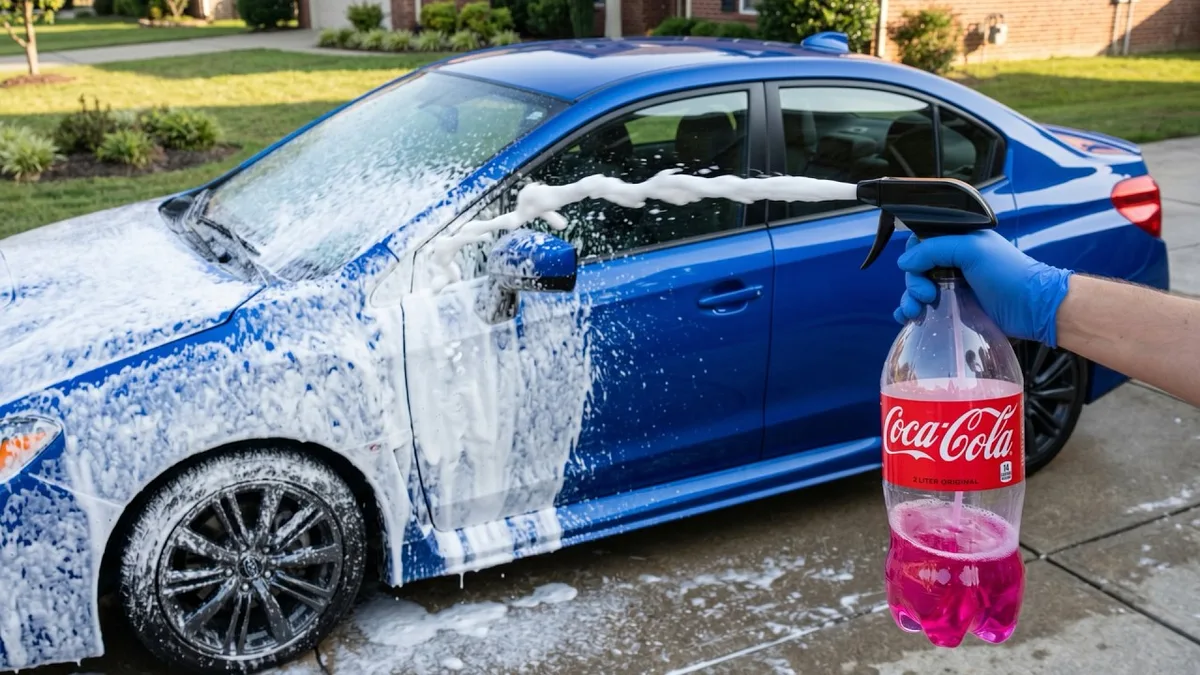
Making your own car wash soap saves money and lets you control what touches your paint. The question of how to make car wash soap comes up often because store-bought options can be harsh, overpriced, or full of fillers. A proper DIY mix cleans effectively without stripping wax or leaving residue, as long as you get the chemistry right.
Most commercial car soaps sit between pH 6 and 8, which is safe for clear coats. Get this wrong, and you risk dulling your finish or even causing long-term damage.
Quick Answer
How to make car wash soap starts with a mild surfactant. Mix 1 oz of pH-neutral dish soap with 5 gallons of water. Add a water softener if your tap water is hard.
Always test on a small area first.
Why Homemade Car Wash Soap (And When It’s a Bad Idea)
DIY car soap works well for routine maintenance washes, especially if you live in a hard water area or need a gentler formula. You can adjust the concentration, scent, and additives to suit your needs.
But it’s not for everyone. If you own a car with a ceramic coating or matte wrap, manufacturer specs often require specific pH-balanced products to avoid voiding warranties. As of 2026, many detailers also warn against homemade mixes for vehicles with fresh paint or clear coat, as improper pH can etch the surface over time.
How Car Wash Soap Actually Works (And Why Dish Soap Fails)
Car wash soap relies on surfactants to lift dirt without damaging the paint. These molecules break down grime, oil, and road film, allowing them to rinse away cleanly. The best formulas also include lubricants to reduce friction, which prevents swirl marks during washing.
Regular dish soap, like Dawn, is too aggressive. It strips wax, dries out rubber trim, and can leave a film that attracts more dirt. Aggregate reviews from detailing forums consistently show that even a single wash with dish soap can dull a car’s finish over time.
Key Ingredients: What to Use (And What to Avoid)
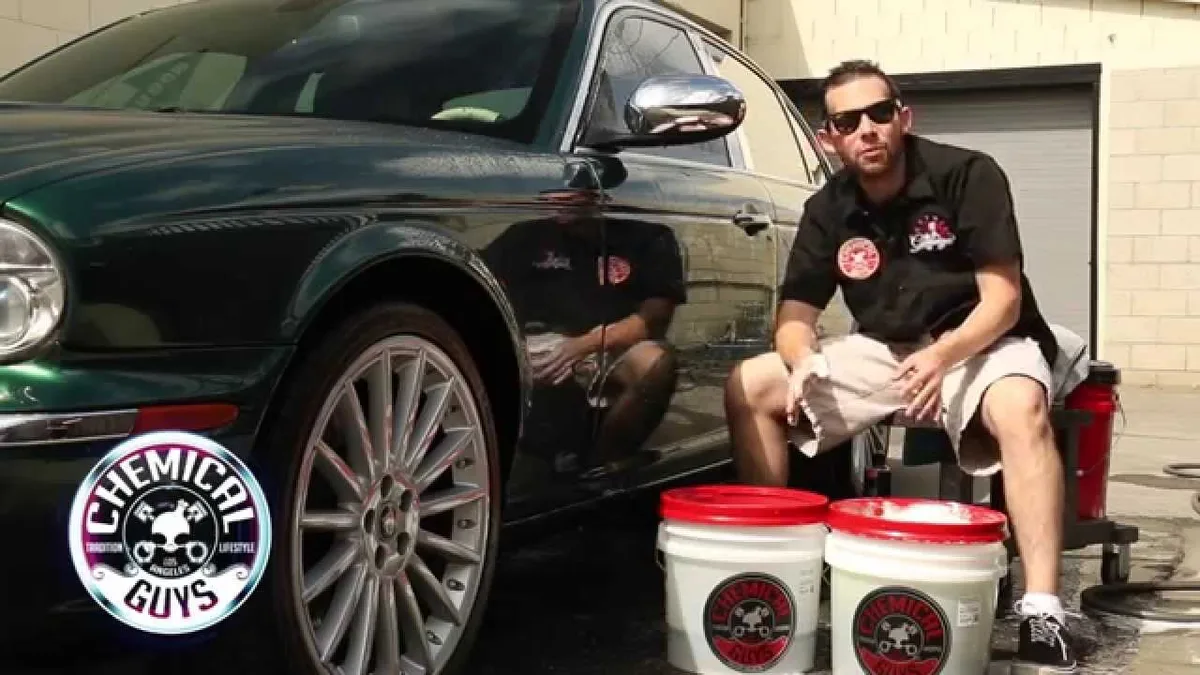
Start with a mild, pH-neutral base. Look for liquid soaps labeled as "free and clear" or specifically designed for cars. Avoid anything with strong degreasers, phosphates, or high alkalinity, as these can harm your paint and undercoating.
| Ingredient | Purpose | Safe to Use? | Notes |
|---|---|---|---|
| pH-neutral dish soap | Primary cleaning agent | Yes | Dilute heavily; avoid citrus-based types |
| Distilled water | Prevents mineral spots | Yes | Better than tap water in hard water areas |
| Baking soda | Deodorizes, mild abrasive | In small amounts | Can raise pH; use sparingly |
| White vinegar | Hard water softener | Yes | 1 part vinegar to 10 parts water max |
| Rubbing alcohol | Speeds up drying | Yes | Use 10% or less to avoid paint damage |
| Essential oils | Scent | Yes | Optional; avoid citrus oils |
| Dish soap (Dawn) | Strong cleaner | No | Strips wax and damages clear coat |
| Laundry detergent | Heavy-duty cleaning | No | Too harsh for automotive finishes |
For the best results, stick to ingredients that won’t compromise your car’s protective layers. If you’re unsure, check the International Carwash Association’s guidelines on safe cleaning practices.
pH Matters: The Hidden Risk to Your Car’s Paint
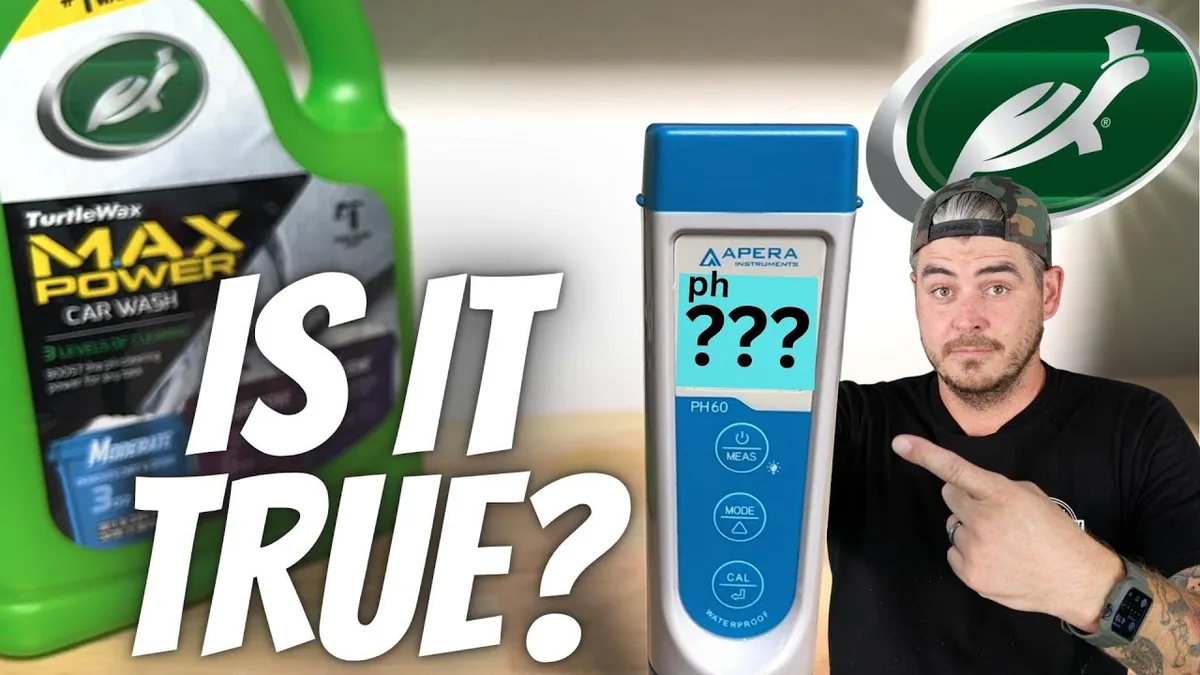
The pH level of your soap determines how safe it is for your car’s finish. A pH between 6 and 8 is neutral to slightly alkaline, which is gentle enough for regular use. Anything below 5 or above 10 can etch paint, corrode metal, or degrade rubber and plastic trim.
You can test your mix with pH strips, available at pool supply stores or online. If your soap tests too alkaline, add a small amount of white vinegar to lower it. If it’s too acidic, a pinch of baking soda can help balance it.
Manufacturer specs for most car paints confirm that prolonged exposure to extreme pH levels leads to oxidation and fading.
Step-by-Step: 3 Ways to Make Car Wash Soap at Home
Basic Bucket Soap (Beginner-Friendly)
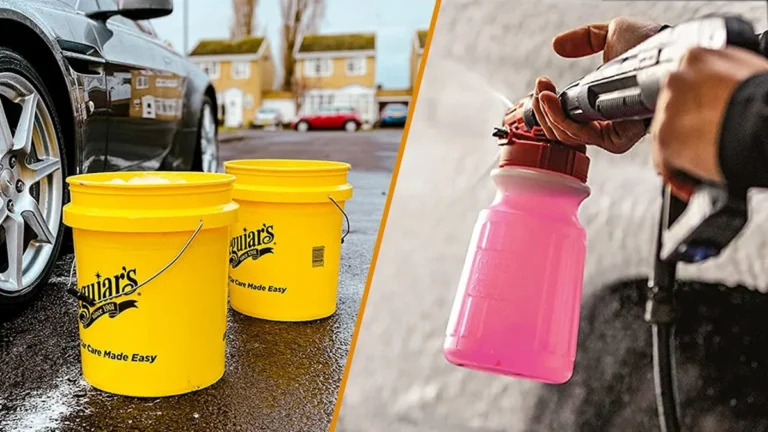
This is the simplest method for a hand wash. You’ll need a 5-gallon bucket, a grit guard, and a microfiber wash mitt.
- Fill the bucket with 4 gallons of distilled or filtered water.
- Add 1 oz (2 tablespoons) of pH-neutral dish soap or car wash concentrate.
- Mix gently to avoid excessive sudsing.
- If your water is hard, add 1⁄2 cup of white vinegar to soften it.
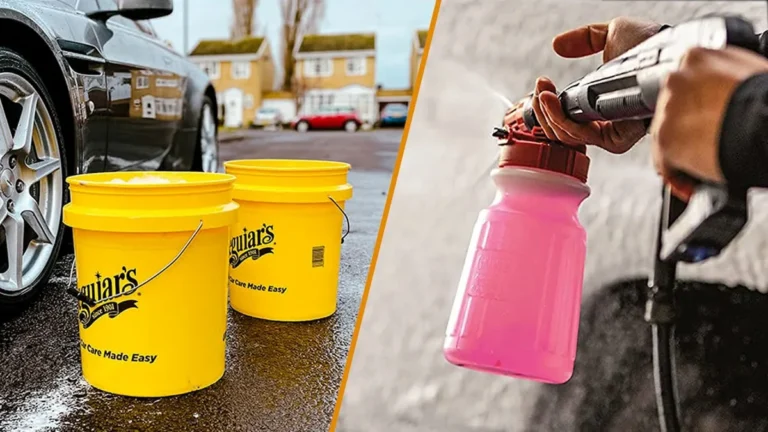
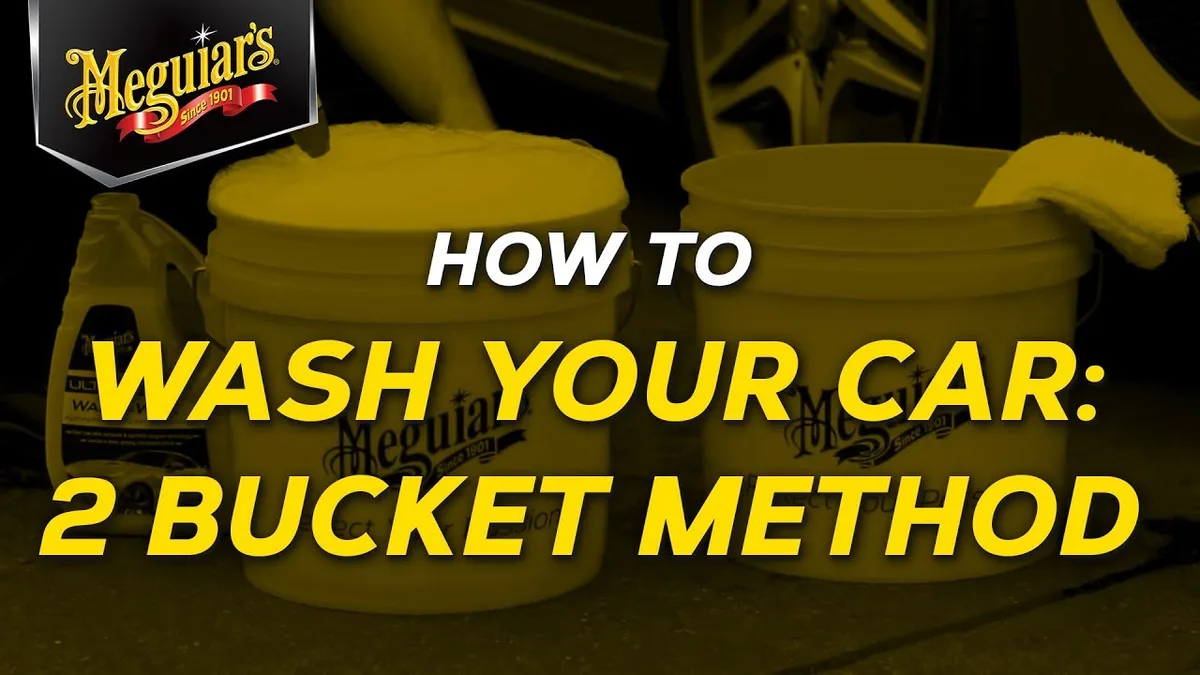
Use the two-bucket method for best results: one bucket for soap, one for rinsing your mitt. This prevents dirt from being reintroduced to your car’s surface. For more on proper washing techniques, check out our guide on a reliable machine for pressure washing.
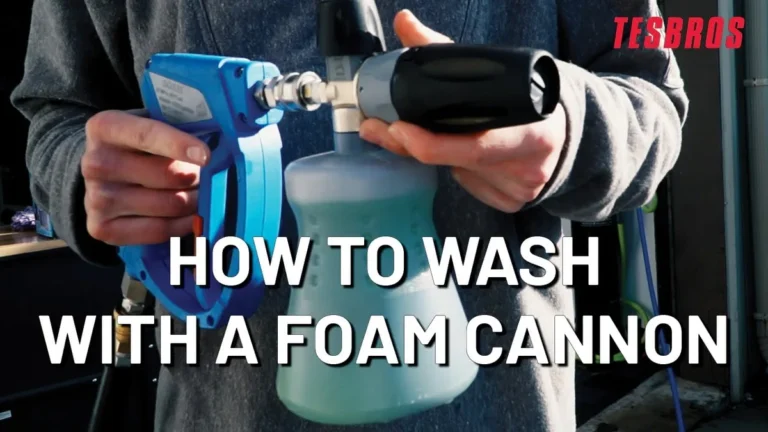
Foam Cannon Mix (For Pressure Washers)
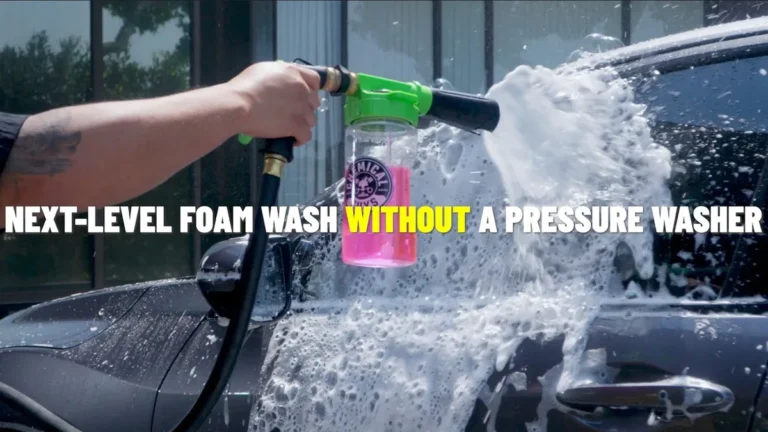
A foam cannon attaches to your pressure washer and applies a thick layer of suds to loosen dirt before rinsing. This method is great for heavy grime but requires a pressure washer with at least 1.4 GPM and 2000 PSI.
- Fill the foam cannon’s reservoir with 1 gallon of distilled water.
- Add 2, 4 oz of car wash soap or a dedicated foam cannon shampoo.
- Adjust the cannon’s dial to control foam thickness.
- Apply to the car from top to bottom, letting the foam dwell for 2, 3 minutes before rinsing.
For optimal results, use a pressure washer with adjustable PSI. If you're unsure about the right settings, our guide on the correct fluid level for car washing can help.
Hard Water Formula (Prevents Spots)
Hard water leaves mineral deposits that create spots on your paint. This formula helps prevent that.
- Mix 5 gallons of distilled water with 1 oz of pH-neutral soap.
- Add 1 cup of white vinegar to neutralize minerals.
- Optional: Add 1 tsp of rubbing alcohol to speed up drying and reduce streaking.
Always rinse thoroughly with distilled water to avoid new spots from forming. If you frequently deal with hard water, consider investing in a reliable machine to soften your water supply.
Commercial vs. Homemade: Cost, Performance, and Trade-Offs
Homemade car soap costs pennies per wash. A 5-gallon batch runs about $2, $5 in ingredients, while commercial soaps average $1, $3 per wash. The savings add up fast if you wash your car weekly.
But commercial products often include additives you can’t easily replicate at home. These might be UV protectants, gloss enhancers, or specialized lubricants for scratch resistance. Aggregate reviews from detailing forums show that high-end commercial soaps also tend to produce richer foam and rinse cleaner, which can be a plus for heavily soiled vehicles.
| Factor | Homemade | Commercial |
|---|---|---|
| Cost per wash | $0.10–$0.50 | $1–$3 |
| Customization | Full control over ingredients | Limited to pre-mixed formulas |
| pH consistency | Requires testing | Pre-balanced for automotive use |
| Additives | Basic (surfactants, water softeners) | Often includes gloss enhancers, UV protection |
| Convenience | Mixing required | Ready to use |
For most car owners, homemade soap is a smart choice for routine maintenance. But if you’re detailing a show car or need extra protection, a commercial product might be worth the investment.
Who Should (And Shouldn’t) DIY Their Car Soap
DIY car soap is perfect for budget-conscious owners who wash their cars regularly. It’s also a great option if you have specific needs, like avoiding harsh chemicals or adding a custom scent. If you live in a hard water area, making your own lets you adjust the formula to prevent spots.
Avoid DIY mixes if you have a new car with fresh paint or a specialty finish like matte or satin. Manufacturer specs for these vehicles often require pH-balanced commercial products to maintain warranties. The same goes for cars with ceramic coatings, which can be sensitive to improper pH levels.
If you’re unsure, check your vehicle’s care manual or consult a professional detailer. For those with a Tesla, the manufacturer recommends specific products to preserve the paint and coatings.
Common Mistakes That Damage Your Car (And How to Fix Them)
Using the wrong soap is the most common mistake. Dish soap or laundry detergent strips wax and can etch paint over time. If you’ve already used these, restore protection with a fresh coat of wax or sealant.
Another frequent error is skipping the rinse. Soap residue left on the car attracts dirt and can cause water spots. Always rinse thoroughly with clean water, preferably using the two-bucket method to avoid reintroducing dirt.
Over-diluting your soap reduces its effectiveness, while under-diluting can leave a film. Stick to the recommended ratios: 1 oz of soap per 5 gallons of water for bucket washes, or 2, 4 oz per gallon for foam cannons. If you notice streaking, adjust the concentration slightly.
Pro Tips for Better Cleaning, Less Waste
Pre-wash your car with a pressure washer to remove loose dirt before applying soap. This reduces the amount of grime your wash mitt has to handle, which minimizes scratches. For the best results, use a pressure washer with at least 1.4 GPM and 2000 PSI, as recommended by detailing experts.
Work in sections, starting from the top of the car and moving downward. This prevents soap from drying on lower panels before you can rinse it off. If you’re washing in direct sunlight, do it early in the morning or late in the afternoon to avoid premature drying.
Use a grit guard in your bucket to trap dirt at the bottom. This keeps your wash mitt cleaner and reduces the risk of swirl marks. For more on this, our guide on a reliable machine covers the best buckets and accessories for car washing.
Safety & Compliance: What You’re Legally Allowed to Dump
Dumping soapy water down storm drains is often illegal. Many municipalities have strict rules about runoff, as it can contaminate local waterways. Always check your local regulations before washing your car at home.
If you’re in an area with water restrictions, consider using a waterless wash product or visiting a commercial car wash. These facilities are required to treat their wastewater before disposal. The EPA provides guidelines on safe car washing practices to protect the environment.
For eco-friendly options, use biodegradable soaps and minimize water usage. If you’re unsure about the rules in your area, consult your local environmental agency or visit the EPA’s website for more information.
Maintenance & Long-Term Optimization
Store homemade car soap in a sealed container to prevent contamination. A 5-gallon bucket with a lid works well, but avoid metal containers as they can react with some ingredients. Label the container with the date and ingredients for future reference.
Shelf life depends on the ingredients. A simple mix of water and pH-neutral soap lasts about 1, 2 weeks. Adding preservatives like rubbing alcohol can extend this to 3, 6 months.
If the soap develops an odd smell or changes color, discard it and make a fresh batch.
For best results, use distilled water in your mix. This prevents mineral buildup in your container and on your car. If you’re using tap water, consider adding a water softener to your formula.
Real Scenarios & Case Examples
In coastal areas, salt air accelerates corrosion and leaves a stubborn film on cars. A homemade mix with extra water softeners helps remove this residue without damaging the paint. Detailers in these regions often add a small amount of vinegar to their soap to counteract the effects of salt.
For vehicles with ceramic coatings, the wrong soap can degrade the protective layer. Aggregate reviews from detailing professionals show that pH-neutral formulas are essential for maintaining these coatings. If you’ve applied a ceramic coating, stick to commercial products designed for this purpose or test your homemade mix on a small area first.
If you frequently wash your car in direct sunlight, the soap can dry too quickly, leaving spots. To avoid this, wash in the shade or during cooler parts of the day. Using a foam cannon can also help, as the thick foam clings to the car longer, giving you more time to work.
FAQs
Can I use Dawn dish soap to wash my car?
No. Dawn and similar dish soaps are too harsh for automotive paint. They strip wax and can cause long-term damage to your car’s finish.
How often should I wash my car with homemade soap?
Wash your car every 2 weeks to remove dirt and contaminants. If you live in a harsh climate or drive frequently, wash it weekly.
What’s the best pH for car wash soap?
Aim for a pH between 6 and 8. This range is neutral to slightly alkaline, which is safe for most automotive finishes.
Can I add essential oils to my car wash soap?
Yes, but use them sparingly. Stick to a few drops per gallon to avoid leaving a residue. Avoid citrus oils, as they can be too acidic.
How do I prevent water spots with homemade soap?
Use distilled water in your mix and rinse thoroughly. Adding a small amount of rubbing alcohol can help speed up drying and reduce spotting.
Is homemade car soap safe for all car finishes?
No. Avoid homemade mixes for new paint, matte finishes, or ceramic coatings. These require specific pH-balanced products to maintain their appearance and protection.
Final Decision Guide: Should You Make Your Own?
Make your own car wash soap if you want to save money and control the ingredients. It’s ideal for regular maintenance washes and works well for most standard car finishes.
Stick with commercial products if you have a specialty finish, like matte paint or a ceramic coating. These require specific formulas to maintain their appearance and protection. Also, if you’re short on time or prefer convenience, a commercial soap might be the better choice.