ByMax Lee
Best Way to Remove Dust From Car Bodywork
Dust on your car isn’t just ugly, it can scratch the clear coat over time if you remove it the wrong way. The best way to remove dust from car bodywork depends on how much is there and what tools you have, but the safest methods always avoid dry wiping with rough materials.
Manufacturer specs and detailing standards confirm that microfiber cloths with a GSM rating of 300 or higher are the gold standard for paint-safe dusting.
Bing (Web (fair-use with source credit))
Quick Answer
The best way to remove dust from car bodywork is with a clean microfiber cloth or a blower. Use a two-bucket wash for heavier dust. Always work on a cool surface.
Avoid paper towels or household rags.
Why Dust on Your Car Is More Than Just an Eyesore
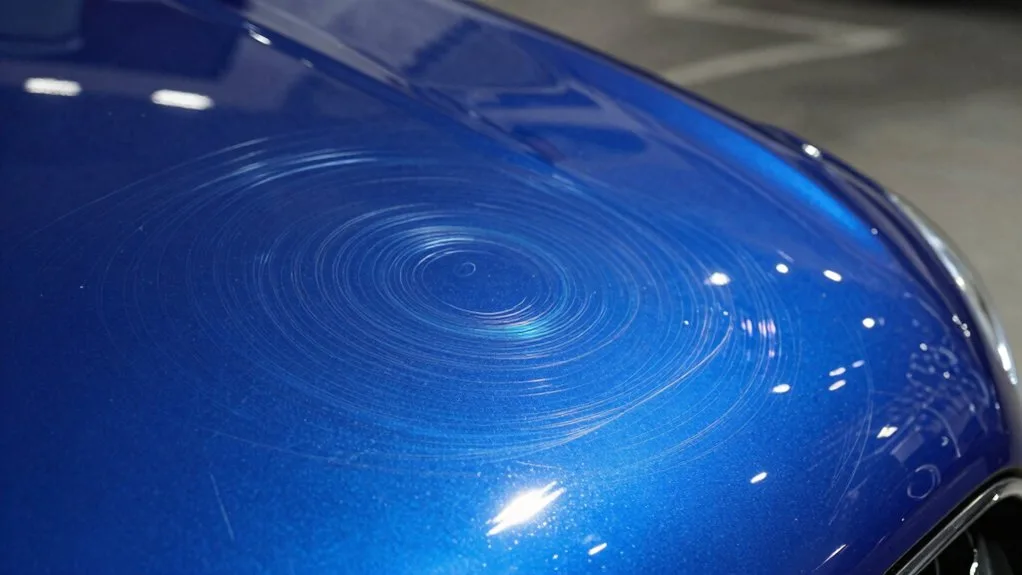
Dust contains tiny abrasive particles that can scratch your clear coat when wiped improperly. Over time, these micro-scratches dull the paint and make the car look older.
The type of dust matters. Loose surface dust is easy to remove, but embedded dust or pollen often needs pre-wash rinsing. According to SAE International standards, even fine dust can cause visible swirl marks if dragged across the paint.
The 3 Types of Dust on Car Bodywork (And Why It Matters)
Not all dust is the same. The method you choose depends on what’s actually on your car.
- Loose dust: Fine particles sitting on the surface. Best removed with a blower or a dry microfiber cloth.
- Pollen or sticky dust: Clings to the paint and often needs a pre-wash rinse or quick detailer spray.
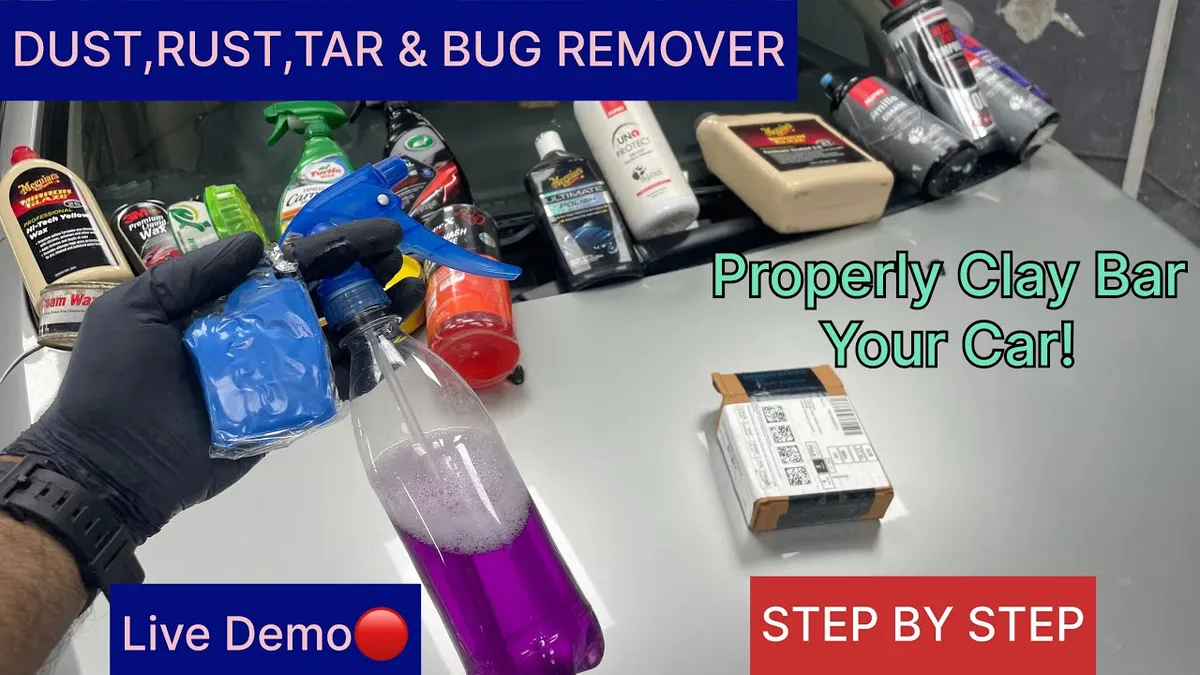
- Embedded dust/grime: Requires a full wash, possibly with a clay bar for deep cleaning.
If you’re dealing with loose dust, a quick wipe or blow-off is enough. If it’s sticky or embedded, skipping the pre-wash can lead to scratches.
Tools You Actually Need (And What to Skip)
You don’t need a garage full of gear, but the right tools make all the difference.
| Tool | Purpose | What to Avoid |
|---|---|---|
| Microfiber cloths | Safe dusting and drying | Paper towels, old T-shirts |
| Wash mitt | Gentle pre-wash cleaning | Sponges, brushes with hard bristles |
| Two buckets | Separates clean and dirty water | Single-bucket washing |
| Grit guards | Traps dirt at the bucket bottom | Washing without them |
| Quick detailer spray | Lifts dust without water | Household cleaners |
| Clay bar | Removes embedded contaminants | Reusing a dropped clay bar |
Skip the leaf blower if you don’t have a low-pressure setting. High-speed air can push dust into the paint. Never use a vacuum, as the nozzle can scratch the surface.
The Decision Tree: Pick Your Dust-Removal Method
The best approach changes based on how much dust is on your car and how much time you have.
If the dust is light and loose, use a dry microfiber cloth or a blower. This takes under 5 minutes and is the safest for daily maintenance.
If the dust is sticky or there’s a visible layer, pre-rinse with water or a quick detailer spray before wiping. This prevents dragging particles across the paint.
For heavy dust or if it’s been weeks since the last wash, do a full two-bucket wash. This is the only method that guarantees no swirl marks.

Bing (Web (fair-use with source credit))
Step-by-Step: How to Remove Dust the Right Way
Dry Dusting (Fastest Method)
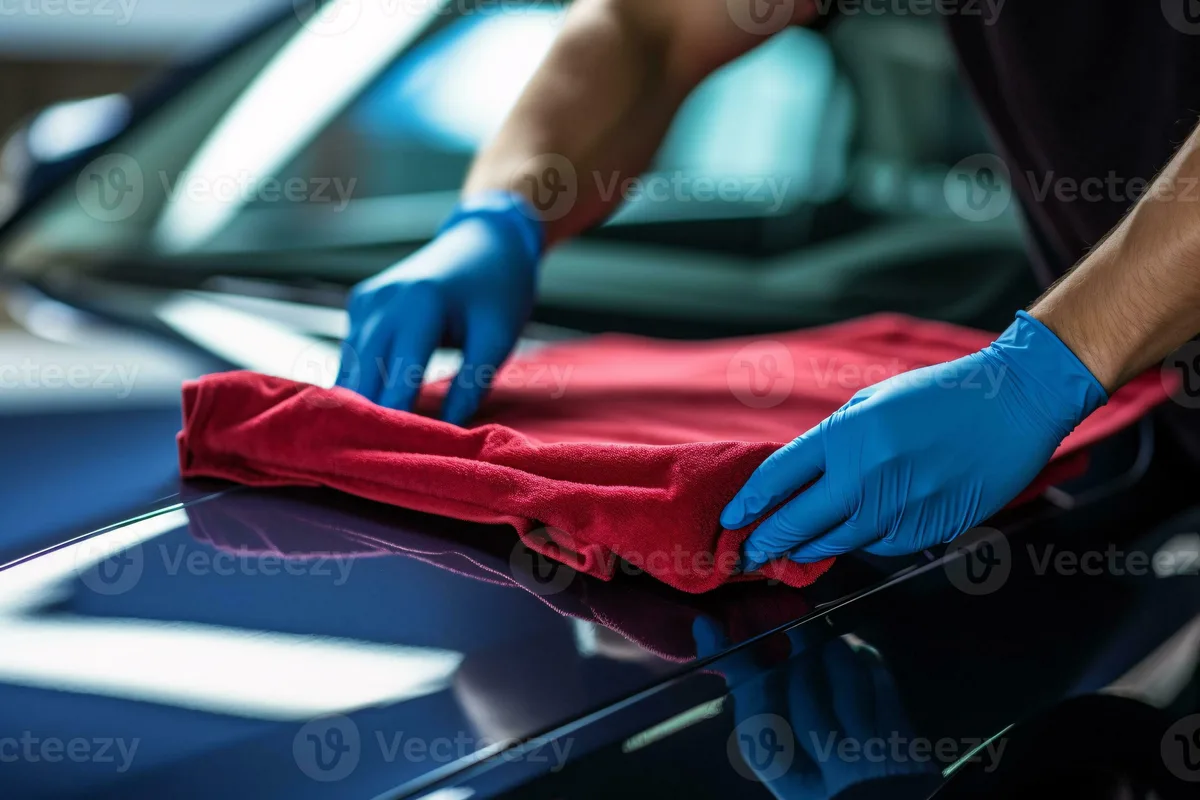
Use a clean microfiber cloth with a GSM of 300 or higher. Fold it into quarters and flip to a fresh side as it gets dirty. Work in straight lines, not circles, to avoid swirl marks.
This method is best for light dust on a dry, cool surface. If the dust is sticky or the car is hot, skip this and pre-rinse instead.
Pre-Wash Rinse (For Loose Dust)
Rinse the car with a hose or pressure washer set below 1,500 PSI. Start from the top and work down to let gravity help remove dust.
This step prevents dragging abrasive particles across the paint during washing. It’s especially useful in dry climates where dust builds up quickly.
Two-Bucket Wash (Deep Clean)
Fill one bucket with soapy water and the other with clean rinse water. Use a grit guard in both to trap dirt at the bottom.
Dip your wash mitt in the soap bucket, wash a section, then rinse the mitt in the clean water bucket before reloading with soap. This keeps dirt from going back onto the car.
Waterless Wash (No Hose Needed)
Spray a waterless wash product onto a small section. Wipe with a microfiber cloth, flipping to a clean side as needed.
This works well for light dust on a cool surface. Avoid using it on heavy grime or in direct sunlight, as it can leave streaks.
Blower Method (For Hard-to-Reach Spots)
Use a leaf blower on its lowest setting to remove dust from grilles, emblems, and crevices. Hold the blower at least 12 inches away to avoid pushing dust into the paint.
This is ideal for areas where a cloth can’t reach. It’s also useful for drying the car after a wash to prevent water spots.
Bing (Web (fair-use with source credit))
Common Mistakes That Ruin Your Paint
Using the Wrong Cloth
Paper towels, old T-shirts, or rough towels can scratch the clear coat. Stick to high-quality microfiber with a tight weave.
Washing in Direct Sunlight
Water and soap dry too quickly in the sun, leaving spots and streaks. Always wash in the shade or on a cool, overcast day.
Skipping the Grit Guard
Without a grit guard, dirt settles at the bottom of the bucket but gets picked up again by the mitt. This defeats the purpose of the two-bucket method.
Overlooking Drying Technique
Dragging a towel across the paint can cause swirl marks. Instead, pat dry with a plush microfiber towel or use a blower to avoid contact.
Bing (Web (fair-use with source credit))
Dust Removal vs. Full Wash: When to Do Which
A quick dusting is enough for daily maintenance. It takes 5 minutes and keeps the car looking clean between washes.
A full wash is necessary when dust is embedded or the car hasn’t been cleaned in weeks. This takes 30 to 60 minutes but ensures no damage to the paint.
If you’re unsure, do a pre-wash rinse first. If the water runs clear, a quick dusting is sufficient. If it’s dirty, proceed with a full wash.
Pro Tips for a Swirl-Free Finish
The Right Wiping Motion
Always wipe in straight lines, not circles. This reduces the risk of swirl marks and keeps the paint looking sharp.
How to Test Your Towel
Run your fingers over the microfiber. If it feels rough or gritty, it’s time to wash or replace it. A good towel should feel smooth and plush.
When to Reapply Protection
After a full wash, apply a layer of wax or sealant to protect the paint. This makes future dust removal easier and adds a glossy finish.
How Often Should You Remove Dust? (By Climate & Usage)
In dry climates with frequent dust storms, a quick wipe-down every 2 to 3 days prevents buildup. This stops abrasive particles from settling into the clear coat.
In urban areas with pollution, weekly dust removal keeps the paint protected. Heavy traffic means more grime, so don’t wait longer than a week.
For garage-kept cars, a monthly dusting is usually enough. If the car sits unused, dust still accumulates and should be removed regularly.
FAQs About Dust and Car Paint
Does dust scratch car paint?
Yes, dust contains microscopic abrasives that can scratch the clear coat if wiped improperly. Always use a soft microfiber cloth and avoid dry rubbing on a dirty surface.
Can I use a vacuum to remove dust?
No, vacuum nozzles can scratch the paint. A leaf blower on low setting is safer for crevices, but a microfiber cloth is best for the bodywork.
Is a leaf blower safe for my car?
Yes, if used on the lowest setting and held 12 inches away. Higher speeds can push dust into the paint, causing micro-scratches.
What’s the best cloth for dusting?
A high-GSM microfiber cloth (300+ GSM) is ideal. It traps dust instead of pushing it around and won’t scratch the paint.
Final Decision Guide: Match Your Situation to the Best Method
If your car has light dust and you’re short on time, use a dry microfiber cloth or blower. This takes under 5 minutes and is the safest for daily upkeep.
If the dust is sticky or there’s a visible layer, pre-rinse with water or a quick detailer spray. This prevents dragging particles across the paint.
For heavy dust or if it’s been weeks since the last wash, do a full two-bucket wash with grit guards. This is the only method that guarantees no swirl marks.
If you’re dealing with embedded contaminants, use a clay bar after washing. This removes particles that washing alone can’t.
In dry climates, dust more frequently. In urban areas, focus on weekly removal. For garage-kept cars, monthly dusting is usually sufficient.