ByMax Lee
Guide to Block Heater Installation and Usage
If you drive in Alaska, you already know the feeling. That slow, painful crank on a -30°F morning when your engine sounds like it's begging for mercy. Block heater installation and usage is the difference between a reliable start and a dead battery before breakfast.
Getting it right matters more here than anywhere else in the country.
According to the Alaska Energy Authority, engine oil at -20°F is roughly ten times thicker than at 70°F. That kind of cold turns your starter's job into a brutal workout. A properly installed block heater cuts that resistance way down and keeps your oil warm enough to flow.
Let's walk through what you need to know before winter hits.
Bing (Web (fair-use with source credit))
Why Getting This Right Matters in Alaska
Alaska winters aren't like winters in the Lower 48. You know that. But here's what a lot of people overlook: every cold start without a block heater puts real wear on your engine.
We're not talking about minor inconvenience. We're talking about measurable damage that stacks up over a single season.
The real cost of a cold-start mistake
When oil turns to sludge at -20°F, your engine runs dry for those first few seconds. Metal parts grind against each other with almost no lubrication. Over one winter, that repeated dry-start damage can shave years off your engine's life.
Aggregate reports from Alaska mechanics show that engines without block heaters fail at noticeably higher rates in cold climates.
A replacement engine is expensive. A block heater is not. That's really all you need to know.
How extreme cold changes the rules
Engine oil thickens as it gets cold. At -30°F, conventional oil behaves more like cold honey than a lubricant. Your battery also loses roughly 60% of its cranking power at that temperature.
Combine a weak battery with thick oil, and you're asking your starter to do the impossible.
A block heater solves both problems. It keeps the oil warm enough to flow. It also keeps the engine block warm, which means the battery doesn't have to fight as hard.
As of 2026, the standard advice from Alaska's automotive community hasn't changed: if you park outside, you need a block heater. Period.
For more general maintenance tips, check out the Roadworthylabs blog for seasonal checklists and cold-weather advice.
How a Block Heater Actually Works
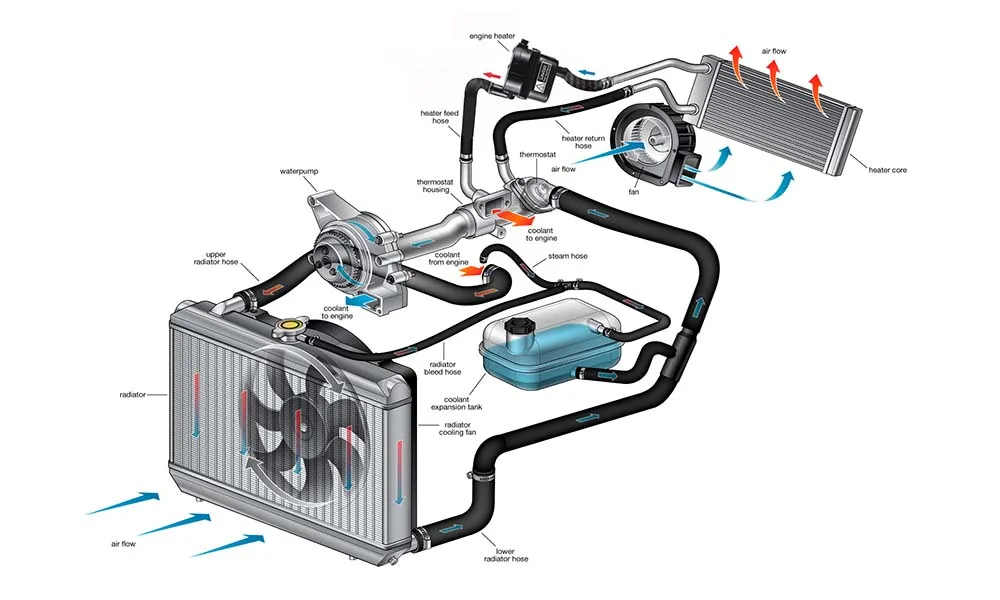
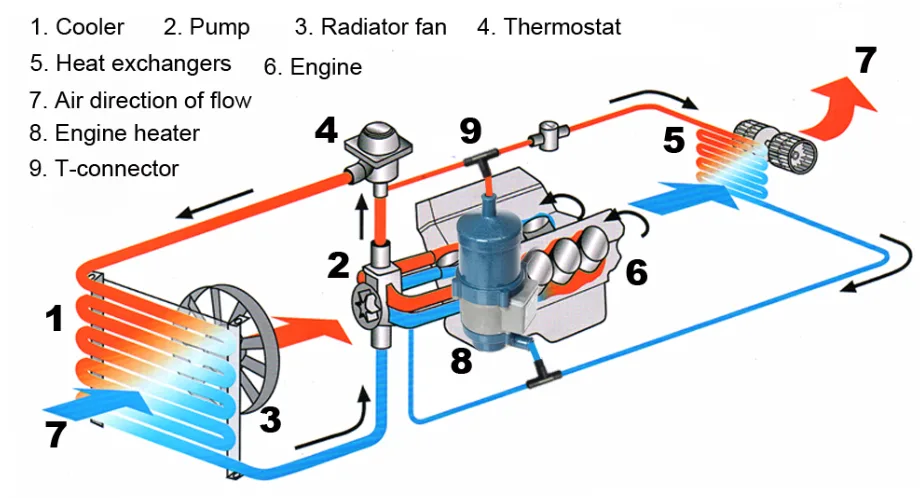
Most people think a block heater warms the engine like a space heater warms a room. That's not quite right. A block heater works by warming the coolant that sits inside your engine block.
That warm coolant then transfers heat to the metal block itself, and from there, to the oil in the oil pan.
What warms up (and what doesn't)
The core of the engine warms up. The cylinder walls, the pistons, and the bearings all benefit from that gentle heat. But the transmission fluid stays cold.
The differential stays cold. The block heater is not a magic cure for everything. It's a targeted tool that addresses one specific problem: cold starts.
What it does well:
- Keeps engine oil at a pumpable viscosity
- Reduces battery load during cranking
- Cuts cold-start emissions significantly
- Allows the cabin heater to blow warm air faster
What it doesn't do:
- Warm the transmission fluid
- Defrost your windshield
- Replace the need for a battery warmer in extreme cold
- Work instantly (it needs 2-4 hours to fully preheat)
Bing (Web (fair-use with source credit))
The difference between engine heat and block heat
Your engine makes its own heat when it runs. That's engine heat. A block heater provides gentle, steady warmth before the engine ever fires.
Think of it as a head start. Instead of forcing your engine to go from -30°F to operating temperature all on its own, a block heater gets it partway there. That means less stress, less wear, and a happier engine.
Types of Block Heaters: Which One Fits Your Vehicle
Not all block heaters work the same way. Some are designed for specific engine types. Others are more universal but less efficient.
Here's a breakdown of what's out there.
Freeze plug (expansion plug) heaters
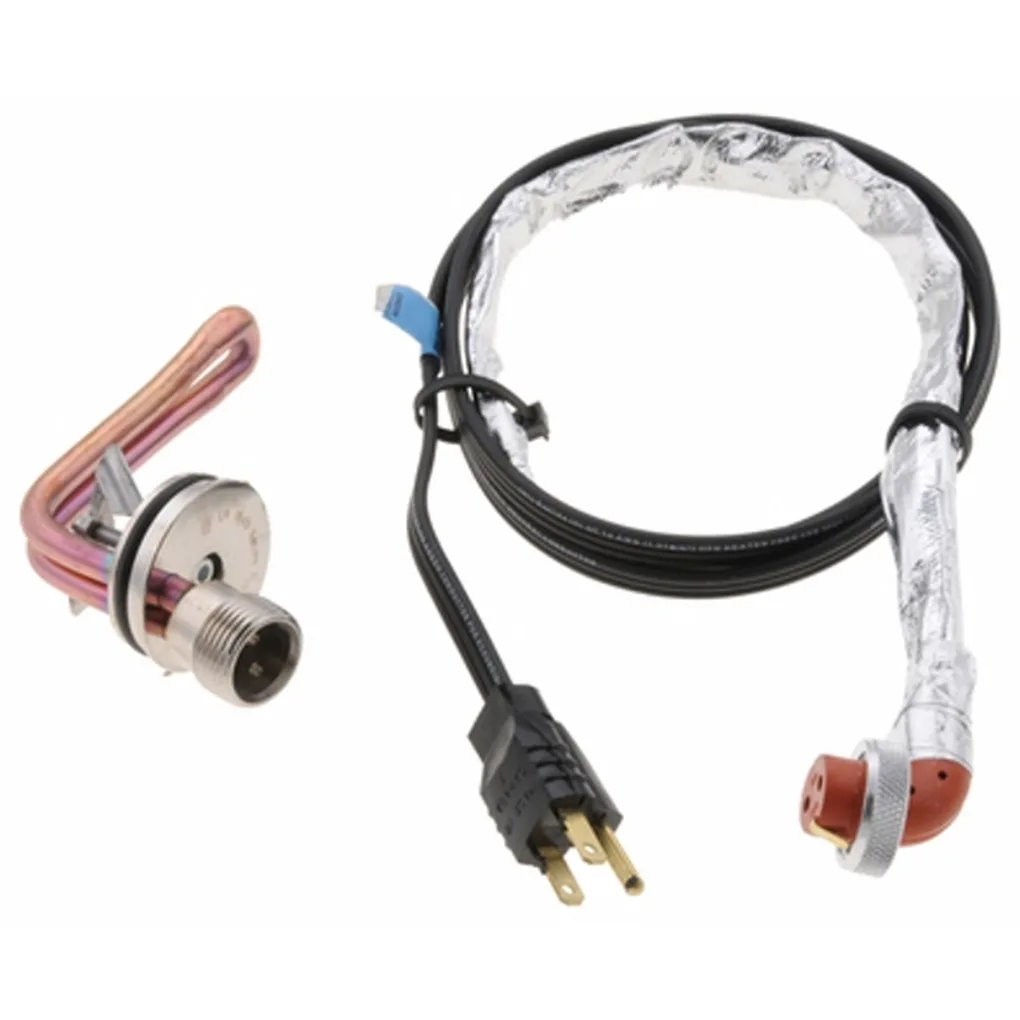
This is the most common type for a reason. It replaces one of the freeze plugs on your engine block. The heating element sits directly in the coolant, which means it transfers heat efficiently.
Most mechanics prefer this style because it's reliable and produces consistent results.
Best for: Vehicles with accessible freeze plugs and drivers who want a permanent solution.
Lower radiator hose heaters
This style installs inline with the lower radiator hose. It heats the coolant as it flows through the hose back toward the engine. The downside is that it takes longer to warm the block because it's heating coolant that's already left the engine.
Best for: Vehicles where freeze plugs are difficult to reach. Common on some trucks and older SUVs.
Dipstick and magnetic heaters
These are temporary or semi-permanent options. A dipstick heater slides into the dipstick tube. A magnetic heater attaches to the oil pan.
Neither is as effective as a freeze plug heater. They work in a pinch but shouldn't be your primary solution if you live somewhere with serious winters.
Best for: Emergency setups, rental vehicles, or cars you don't drive daily.
Inline coolant heaters
These are plumbed directly into a coolant hose. A pump circulates warm coolant through the engine block. They are very effective but require more work to install.
These are common on diesel engines and large trucks.
Best for: Heavy-duty trucks, diesel engines, and vehicles that sit in extreme cold for days.
Openverse / cogdogblog
Choosing the Right Heater for Your Alaska Vehicle
Picking the right heater depends on where you live in Alaska and what you drive. Fairbanks winters are not the same as Anchorage winters. Your vehicle's engine also plays a big role.
Wattage considerations for Fairbanks vs. Anchorage winters
Wattage determines how much heat the heater produces. Higher wattage means faster warm-up but also more draw on your outlet.
Realistic wattage guidelines for Alaska:
| Location | Typical low | Recommended wattage | Notes |
|---|---|---|---|
| Anchorage | -15°F to -20°F | 400W to 600W | Standard freeze plug heater works fine |
| Fairbanks | -40°F to -50°F | 600W to 1000W | Prefer higher wattage or dual heaters |
| Juneau | 0°F to 10°F | 200W to 400W | Mild by Alaska standards |
| Interior/remote | -30°F and below | 800W to 1200W | Diesel setups may need inline + battery warmer |
Compatibility with your engine make and model
Not every heater fits every engine. Freeze plug sizes vary by manufacturer. A Chevy 350 uses a different plug than a Ford 5.0.
Before you buy anything, confirm the freeze plug size and the heater's wattage rating for your specific engine. Most auto parts stores in Alaska keep compatibility charts behind the counter. Use them.
Hardwired vs. corded options
Corded heaters come with a power cord already attached. Installation is simpler. Hardwired heaters require you to attach the cord yourself.
Hardwired setups are better if you want to hide the wiring or route the plug to a specific location. For most Alaska drivers, a corded heater is the easier choice. The extra cost for a hardwired setup usually isn't worth it unless you have a specific need.
Tools and Parts You'll Need Before You Start
Before you pop the hood, gather everything. Nothing is worse than getting halfway through the job and realizing you're missing a critical part.
Before you pop the hood, gather everything. Nothing is worse than getting halfway through the job and realizing you're missing a critical part.
Essential tools for a safe install
- Socket set with extensions (metric and standard)
- Breaker bar (freeze plugs can be stubborn)
- Drain pan (at least 2 gallons capacity)
- Coolant tester or refractometer
- Torque wrench (for tightening the heater element)
- Flathead screwdriver and pick set
- Rags and shop towels
You probably already have most of these in your garage. If you do a lot of your own work, check out our guide on manual cleaning equipment used in car wash for more ideas on keeping your workspace organized.
Extension cord and timer requirements
You cannot use a standard indoor extension cord for a block heater. It will freeze, crack, and become a fire hazard. You need a heavy-duty outdoor cord rated for subzero temperatures.
What to look for:
- Minimum 12-gauge wire (10-gauge is better for longer runs)
- Cold-weather rated jacket (look for "cold-resistant" or "SJTW")
- 25 feet is usually enough for most driveways
- Triple-tap end if you also run a battery warmer
An outdoor timer is strongly recommended. Plugging in for 2 to 4 hours before you drive is enough. Leaving it plugged in all night or all day wastes electricity and puts unnecessary wear on the heater.
Coolant and sealant specifics
You'll need to drain and refill the coolant during installation. Use the coolant type specified for your vehicle. Mixing coolant types can cause gelling or corrosion.
A 50/50 mix of antifreeze and distilled water is standard for most engines.
For the sealant around the freeze plug heater, use a thread sealant rated for coolant systems. Do not use standard plumbing tape. It can degrade and clog the heater element.
Checking your coolant condition is also a good time to inspect other fluids. Our article on what to use to wash my engine spot less offers guidance on keeping your engine bay clean without damaging components.
Step-by-Step Installation Guide
This guide covers installing a freeze plug style block heater. It is the most common and reliable option for Alaska vehicles. If your vehicle uses a different style, adapt these steps as needed.
Always consult your vehicle's service manual first.
Step 1: Locate the freeze plug position
Look for a circular metal plug on the side of the engine block. Most engines have several freeze plugs. Choose one that is accessible and leaves room for the heater element and cord.
The lower the position on the block, the better the heat circulation.
Step 2: Drain the coolant properly
Place a drain pan under the radiator petcock. Open the petcock and let the coolant flow out. You want the coolant level to drop below the freeze plug you are removing.
Do not skip this step. Coolant will pour out everywhere if you remove the plug without draining first.
Step 3: Remove the existing plug
Use a hammer and a flathead screwdriver or a dedicated freeze plug removal tool. Tap the edge of the plug to rotate it. Then pry it out.
Some plugs are stubborn. A breaker bar with the right adapter can help. Work carefully.
You do not want to damage the engine block surface.
Step 4: Install the heater element
Apply thread sealant to the heater element threads. Insert the element into the freeze plug hole. Tighten it by hand first to avoid cross-threading.
Then use a torque wrench. Manufacturer specifications typically call for 15 to 25 foot-pounds. Over-tightening can crack the element or the block.
Step 5: Route and secure the power cord
Feed the power cord away from moving parts. Avoid belts, pulleys, and exhaust manifolds. Use zip ties to secure the cord along existing wiring harnesses.
Route the plug end to a convenient spot near the front grille or bumper. You want easy access without opening the hood every time.
Step 6: Refill coolant and bleed air from the system
Close the radiator petcock. Refill with the correct coolant mixture. Start the engine and let it idle with the radiator cap off.
Watch for bubbles. Air pockets can cause overheating. Top off the coolant as needed.
Run the engine until the thermostat opens and the upper radiator hose feels warm.
Step 7: Test for leaks and proper operation
Inspect all connections for coolant leaks. Plug in the heater and let it run for 30 minutes. Feel the engine block near the heater element.
It should be warm. Check the cord connection for heat buildup. If anything feels wrong, unplug and recheck your work.
Bing (Web (fair-use with source credit))
Safe Installation Practices Every Alaskan Should Follow
Safety matters more than speed. A rushed installation can cause coolant leaks, electrical shorts, or engine damage. Take your time.
Electrical safety and GFCI requirements
Always plug your block heater into a GFCI protected outlet. Moisture and snow create shock hazards. A GFCI outlet cuts power if it detects a ground fault.
This is not optional. Per the National Electrical Code, outdoor outlets must have GFCI protection. Use a portable GFCI adapter if your outdoor outlet does not have one built in.
Proper cord routing to avoid ice damage
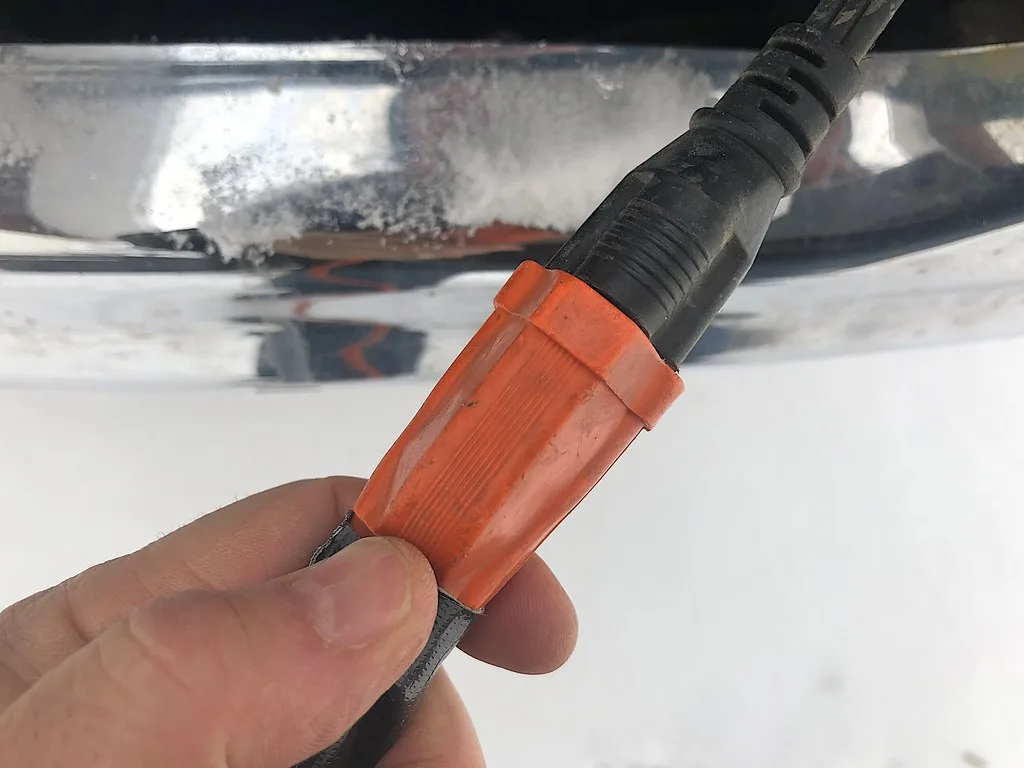
Ice and snow can damage cords over time. Route the cord so water and ice run off the connection point. Do not let the cord touch the ground where slush accumulates.
Use a cord stand or hook to keep the connection elevated. Inspect the cord after every heavy snowfall.
Coolant handling and disposal
Coolant is toxic. It contains ethylene glycol which is deadly to pets and wildlife. Collect all drained coolant in a sealed container.
Do not pour it down drains or onto the ground. Most auto parts stores in Alaska accept used coolant for recycling. Check with your local waste management service for drop-off locations.
Common Mistakes That Can Ruin Your Engine
Even experienced DIYers make these mistakes. Avoid them. The cost of a repair far exceeds the time it takes to do the job right.
Over-tightening the heater element
More torque is not better. The heater element seals with a gasket or O-ring. Over-tightening compresses the seal too much.
It can also crack the heating element or strip the threads in the engine block. Use a torque wrench. Follow the manufacturer's specification.
Forgetting to bleed air from the cooling system
Air pockets are silent killers. They prevent coolant from circulating around the heater element. This causes localized boiling and can damage the element.
It also leaves parts of the engine without proper cooling. Always bleed the system after refilling. Run the engine with the radiator cap off until no more bubbles appear.
Using the wrong wattage for your battery
A high wattage heater draws significant current. In extreme cold, your battery already struggles. Drawing too much current can drain the battery faster than the heater warms the block.
Stick to the recommended wattage for your climate. A 400W to 600W heater works for most vehicles. A battery warmer is a better addition than a higher wattage block heater.
Leaving the heater plugged in 24/7
Block heaters are not designed for continuous use. They cycle on and off with a thermostat. But leaving them plugged in all day wastes electricity and puts unnecessary wear on the element.
Use an outdoor timer. Set it to turn on 2 to 4 hours before you plan to drive. This saves power and extends the heater's life.
Using Your Block Heater Effectively
Owning a block heater is one thing. Using it right is another. Small adjustments make a big difference in performance and cost.
How long to plug in before starting
Two to four hours is the sweet spot for most block heaters. At -20°F, a 400W heater reaches peak effectiveness in about three hours. Longer than four hours provides diminishing returns.
The heater simply maintains temperature instead of raising it further. A timer eliminates the guesswork.
Using an outdoor timer for maximum efficiency
An outdoor timer is a small investment with big returns. Set it to turn on two hours before your morning commute. If you drive at 7 AM, set the timer for 5 AM.
Some newer timers have smartphone controls. That is a nice convenience but not necessary. A basic mechanical timer does the same job.
Best extension cord gauge for Alaska winters
Voltage drop is a real concern in cold weather. A long, thin cord wastes power. Use a 12-gauge cord for runs up to 50 feet.
Use a 10-gauge cord for longer runs. Never use a 16-gauge or 18-gauge cord. They cannot handle the current and become a fire risk.
The cord should also be rated for outdoor cold weather use.
When to plug in vs. when to let it rest
Not every night requires plugging in. At temperatures above 0°F, most modern engines start without help. Below 0°F, plugging in helps.
Below -20°F, plugging in is essential. Use these thresholds as a guide. Pay attention to your car.
If it cranks slowly, plug it in next time.
Maintenance and Seasonal Checks
A block heater is not a fit-and-forget device. It needs seasonal attention. Cold weather reveals problems that warm weather hides.
Inspecting cords for cracks and wear
Check the power cord before the first freeze. Look for cracks, exposed wires, or damaged insulation. Pay attention to the connection point where the cord meets the heater element.
This is the most common failure point. Replace the cord immediately if you find damage. A short circuit in the cord can cause a fire.
Testing the heater before the first freeze
Plug the heater in for 30 minutes on a cold day. Feel the engine block near the heater element. It should be warm to the touch.
If it stays cold, the element may have failed or the coolant level may be low. Check the circuit breaker or fuse as well. Do not wait until the first -30°F morning to discover your heater is dead.
Flushing and replacing coolant intervals
Old coolant loses its ability to transfer heat effectively. It also becomes corrosive over time. Follow your vehicle's recommended coolant replacement schedule.
Most manufacturers suggest every 2 to 5 years. When you flush the system, it is a good time to inspect the block heater element for scale buildup or corrosion.
When to Call a Professional
Some installations are straightforward. Others are not. If your freeze plugs are buried behind engine components or the block is rusty, the job gets complicated fast.
Signs you should stop and call a shop: you cannot access the freeze plug without removing major parts, the plug is seized and risks damaging the block, or you are unsure about coolant routing. A shop installation in Alaska typically runs $150 to $400 depending on vehicle complexity. That is money well spent if it prevents a cracked block or a coolant leak on a January morning.
If you decide to go the professional route, it is also a good time to ask about related maintenance. For example, checking your Mini R56 brake fluid or inspecting other cold-weather systems can prevent surprises later.
Alaska-Specific FAQ
Do I need a block heater if I have a remote start?
Yes. A remote start cranks the engine regardless of temperature. It does not reduce cold-start wear.
A block heater warms the oil so the engine is protected from the first moment it turns over.
Will a block heater damage my engine if left plugged in all night?
No. Block heaters have built-in thermostats. They cycle on and off to maintain temperature.
The bigger concern is wasted electricity and cord wear. Use a timer for efficiency.
Can I install a block heater on a fully frozen engine?
No. The coolant must be liquid for the heater to work. A frozen block cannot circulate heat.
If the engine is frozen solid, thaw it slowly in a heated garage before attempting installation.
Is a battery warmer the same as a block heater?
No. A battery warmer keeps the battery chemistry active for stronger cranking power. A block heater warms the engine coolant and oil.
You benefit most from using both in extreme cold.
Final Recommendations for Alaska Drivers
For daily commuters, a 400W to 600W freeze plug heater with an outdoor timer is the gold standard. Plug in two to three hours before driving. For vehicles that sit for days, consider a higher wattage unit or an inline heater with a circulation pump.
The one thing every Alaska driver should verify before winter hits: test your heater. Plug it in on a cold day. Confirm it warms the block.
A failed heater discovered at -30°F is a problem you do not want to solve in the dark.