Black Friday deals are live on Amazon · limited-time discounts, grab them before they’re gone
Grab the deals

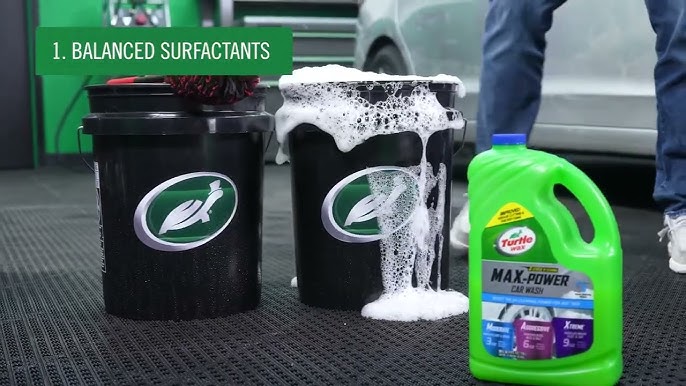
ByMax Lee
Can You Use Dish Detergent to Wash a Car? Risks and Alternatives Explained
Yes, you can use dish detergent to wash a car in an emergency, but it is not a good regular substitute for automotive shampoo. Dish detergent is formulated to cut through cooking grease on dishes. Car-wash soap is designed to lift road film and dirt while being gentler on paint protection, rubber, plastics, and previously applied wax or sealants.
The biggest risk is usually not that one wash will instantly ruin your clear coat. The more realistic concern is that repeated use can remove waxes, sealants, and other protective products. Once that protection is gone, poor washing technique, sun, road salt, bird droppings, and contamination can cause the finish to look dull or develop fine scratches more easily. You can also read our guide on how to do a car wash for fundraising.
What Dish Detergent Does Differently
Dish detergent contains surfactants that loosen oils and food residue. That powerful degreasing action is useful in a kitchen, but automotive paint normally benefits from a milder cleaning approach.
A modern vehicle’s exterior generally consists of:
- A metal, plastic, or composite panel
- Primer and color coat
- A clear coat
- Optional protection, such as wax, paint sealant, or ceramic coating
Dish detergent is most likely to affect the outer protection layer, not instantly dissolve the clear coat. The detergent may remove or weaken wax and some sealants, leaving the paint less protected from ultraviolet exposure, water spots, and contaminants. You can also read our guide on how to keep a black car clean between washes.
It can also leave a finish that feels unusually clean or “squeaky.” That sensation is not proof that the paint is healthier. It often means lubricating residues and protective products have been removed.
Is Dish Soap Bad for Car Paint?
Occasional use is unlikely to cause immediate, visible paint failure when the vehicle is rinsed thoroughly and washed with clean tools. However, dish soap is a poor choice for routine maintenance because:
- It can strip wax and weaken some sealants.
- Strong degreasing formulas may dry out exterior rubber and trim over time.
- It may not provide enough lubrication for safely moving grit across paint.
- Left to dry, it can contribute to streaks and residue.
- It encourages people to scrub aggressively when dirt does not release quickly.
A common mistake is blaming the soap for scratches that were actually caused by a dirty sponge, a single bucket, or washing in circles. Soap choice matters, but wash media and technique often determine whether the clear coat gets swirled. You can also read our guide on are car washes safe for black cars.
For vehicles protected with a ceramic coating, dish detergent may also reduce the slick, water-beading behavior owners expect. It does not automatically remove a properly cured coating in one wash, but it is still unnecessary and can remove sacrificial products applied over that coating. Understand the difference between temporary surface protection and a permanent coating before choosing a cleaner; this coating-care explanation provides useful context.
Dish Detergent vs. Car-Wash Soap
| Feature | Dish detergent | Automotive car shampoo |
|---|---|---|
| Designed for | Food oils and kitchen grease | Road film, dust, and automotive contamination |
| Cleaning strength | Strong degreasing action | Balanced cleaning with paint-safe lubrication |
| Effect on wax | May remove or weaken it | Usually formulated to preserve it when used correctly |
| Lubrication for washing | Varies and may be limited | A primary design feature |
| Regular-use suitability | Not recommended | Intended for routine washing |
| Best use | Rare emergency only | Normal exterior maintenance |
Not every dish detergent has the same formula, and not every car shampoo is equally gentle. Read the label and avoid products containing bleach, abrasive particles, solvents, or household disinfectants. A product marketed for vehicles is still the safer starting point because its intended surface and dilution instructions are automotive-specific. You can also read our guide on are drive thru car washes bad.
Automotive manufacturers and detailing-product makers commonly emphasize using the correct product for the surface rather than assuming that any household cleaner is interchangeable. Product-care information from an established automotive-care manufacturer is a useful place to compare dedicated exterior cleaners and protection products.
When Using Dish Detergent May Be Acceptable
If you have no car shampoo and need to remove a dangerous contaminant, one careful wash with diluted dish detergent is generally preferable to leaving corrosive material on the vehicle. Examples include:
- Bird droppings that have begun to dry
- Tree sap
- Road salt
- Mud containing abrasive grit
- Food or drink spilled on the exterior
- A greasy film that must be removed before a repair
This is an emergency compromise, not a recommended maintenance schedule. Use the least aggressive method that works, rinse promptly, and replace the protection afterward if necessary. You can also read our guide on how to get a loan to buy a car wash.
For a normally dusty car, waiting until you can buy automotive shampoo is often better than repeatedly using dish detergent. If the vehicle is only lightly dusty, a clean rinse may remove loose material without introducing household chemicals.
What to Do If You Only Have Dish Soap
Follow these steps to reduce the risk of marring the finish:
- Park in the shade. Work on a cool surface so the solution does not dry quickly.
- Rinse from top to bottom. Use plenty of water to remove loose sand and grit before touching the paint.
- Dilute the detergent heavily. Do not pour concentrated dish soap directly onto the vehicle. Use only enough to create light cleaning power and lubrication.
- Use a clean microfiber wash mitt. Avoid an old kitchen sponge, brush, or rough towel.
- Clean one small section at a time. Start with the roof and upper panels, then move downward to dirtier areas.
- Rinse the mitt frequently. A second rinse bucket helps release grit before the mitt returns to the soapy water.
- Rinse the vehicle completely. Do not allow detergent to dry on paint, glass, trim, or rubber.
- Dry without scrubbing. Use a clean, plush microfiber drying towel or a suitable air blower.
- Restore protection later. Apply a compatible wax or paint sealant once the surface is clean and dry.
For a safer process during normal washes, follow a two-bucket cleaning setup with separate wash and rinse water. This does not make dish detergent ideal, but it reduces the chance of dragging loosened grit across the paint. You can also read our guide on are brushless car washes better.
Better Alternatives to Dish Detergent
1. pH-balanced car shampoo
A dedicated car shampoo is the best all-purpose option. Look for a product that states it is safe for clear coats, waxes, sealants, or ceramic coatings if your vehicle has one.
Use the manufacturer’s dilution instructions. More soap is not necessarily better: excessive product can increase residue and make rinsing harder.
2. Rinseless wash solution
A rinseless product is useful when water is limited or outdoor washing is restricted. It suspends light dirt in a lubricated solution that can be wiped away with multiple clean microfiber towels.
Do not use a rinseless method on heavy mud, thick sand, or heavily contaminated paint unless the product instructions specifically support that use. Pre-rinse or use a conventional wash when the surface contains loose abrasive material.
3. Waterless wash product
Waterless products are intended for light dust and fingerprints, not a visibly muddy vehicle. Spraying and wiping a heavily dirty panel can grind grit into the clear coat.
Use several towels, fold to a clean side frequently, and stop if the surface is not releasing contamination easily.
4. Professional car wash
A professional wash can be practical when you lack suitable equipment or need to remove winter salt quickly. Automatic systems vary considerably. Before choosing one, consider whether the equipment uses clean, well-maintained wash material and whether the service is appropriate for delicate trim or a recently applied coating. These car-wash safety considerations can help you compare common wash types.
Avoid assuming that “touchless” always means superior or that brushes always guarantee damage. Chemicals, water pressure, maintenance, and the condition of the vehicle all matter. A properly maintained system may be preferable to an improvised wash with contaminated towels.
How to Wash a Car Safely
Gather the right supplies
Use:
- Automotive shampoo
- Two buckets, preferably with grit guards
- A clean microfiber wash mitt
- A separate wheel brush or mitt
- A hose or pressure washer used at a sensible distance
- Several microfiber drying towels
- A dedicated glass cleaner
- A compatible wax, sealant, or coating topper if needed
Keep wheel and tire tools separate from paint-washing tools. Brake dust and road grit can cause scratches when transferred to painted panels.
Wash in the correct order
- Let the vehicle cool and work out of direct sunlight.
- Clean wheels and tires first, using separate tools.
- Rinse the entire vehicle from top to bottom.
- Wash the roof, windows, hood, and upper panels first.
- Clean lower doors, bumpers, and the rear of the vehicle last.
- Rinse each section before the solution dries.
- Dry with minimal pressure.
Use straight passes rather than aggressive circular scrubbing. If the mitt catches or the surface feels gritty, stop and rinse the area and mitt again.
Avoid common sources of scratches
Do not use:
- Kitchen sponges
- Old bath towels
- Paper towels on paint
- A brush reserved for wheels
- One bucket for both dirty and clean water
- Concentrated household degreaser
- A dry towel on dusty paint
The paint-safe washing approach is especially important on black or very dark vehicles, where fine swirl marks are easier to see.

Use a clean, soft mitt and plenty of rinse water rather than scrubbing dry contamination.
Credit: www.autolaundry.com
What About Wheels, Tires, Glass, and Trim?
Dish detergent may remove light grease from some wheels, but it is not a universal wheel cleaner. Wheel finishes vary: clear-coated alloy, polished metal, painted surfaces, and specialty finishes can react differently to strong chemicals or improper dwell time.
For wheels:
- Rinse loose brake dust first.
- Use a wheel-specific cleaner compatible with the finish.
- Keep the wheel tool away from paint.
- Never let cleaner dry on a hot wheel.
- Rinse thoroughly.
For tires, use a tire cleaner when you need to remove old dressing or heavy road film. For exterior plastics and rubber, repeated exposure to strong degreasers may leave the material looking dry or faded.
Glass should be cleaned with an automotive glass product and a lint-free towel. Avoid allowing detergent or wheel cleaner to dry on windows, mirrors, or trim.
If you regularly wash at home, consider local rules about wastewater. Soap, brake dust, oil, and road contaminants can enter storm drains. The EPA’s environmental information explains why keeping vehicle-wash runoff away from storm drains is a responsible practice.
How Often Should You Wash Your Car?
There is no single schedule for every vehicle. Wash when contamination accumulates, with extra attention after:
- Road-salt exposure
- Heavy rain after dusty conditions
- Bird droppings or insect impacts
- Tree sap or pollen buildup
- Construction-zone travel
- Long periods parked outdoors
The goal is not to wash on a rigid calendar while ignoring contamination. Remove bird droppings, sap, and bug residue promptly because they can etch the finish when left in heat.
A protective wax or sealant can make routine washing easier, but it does not make the car scratch-proof. Even a protected vehicle still needs clean wash media and gentle contact.
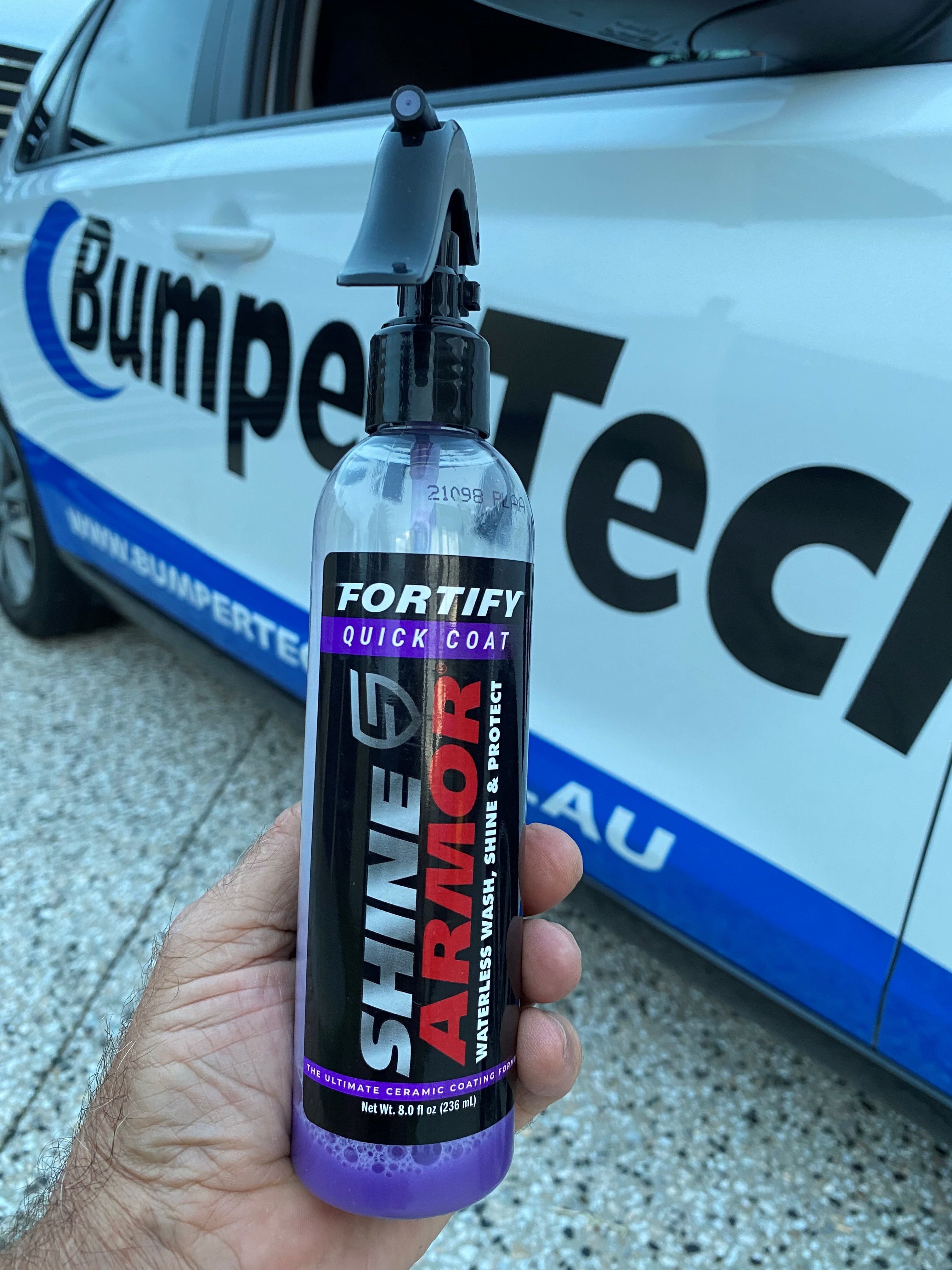
After washing and drying, inspect the finish for residue, missed contamination, and water spots.
Credit: www.bumpertech.com.au
Frequently Asked Questions
Will one wash with dish detergent ruin my car?
Usually not. One properly rinsed wash is unlikely to destroy a healthy clear coat, but it may reduce wax or sealant protection. The larger risk comes from repeated use, concentrated detergent, drying residue, or abrasive washing tools.
Can dish detergent remove car wax?
It can weaken or remove some waxes and sealants, especially with repeated washing or a strong concentration. It does not remove every type of paint protection equally, so do not treat dish detergent as a guaranteed coating remover.
Is dish soap safe for a ceramic-coated car?
It is better to use a shampoo labeled as compatible with ceramic coatings. Dish soap may remove products applied over the coating and can make the surface behave differently, even if the underlying coating remains intact.
Can I use dish detergent on car wheels?
Only as a rare, diluted emergency option after checking the wheel’s finish. A wheel-specific cleaner is safer because wheels may have delicate clear coats, polished surfaces, or specialty finishes.
What should I use instead of dish detergent?
Use a pH-balanced automotive shampoo for routine washing. Choose a rinseless or waterless product only when the vehicle’s level of dirt is appropriate for that method.
How can I protect the paint after an emergency wash?
Rinse and dry the vehicle completely, then inspect for residue. Once the surface is clean, apply a compatible wax or sealant according to its instructions. If the finish feels rough or shows marks, professional decontamination or paint correction may be necessary.
Final Answer: Can You Use Dish Detergent to Wash a Car?
You can use diluted dish detergent once in a while when there is no better option, but it should not become your regular car-washing product. Its strong degreasing action may strip wax and sealants, and it does not necessarily provide the lubrication needed for safe paint washing.
For routine care, buy a dedicated car shampoo, use clean microfiber tools, rinse before touching the paint, and keep wheel-cleaning equipment separate. If you must use dish detergent today, keep the solution weak, work in the shade, rinse quickly, dry gently, and restore protection afterward. That approach addresses the immediate cleaning need without making household dish soap a long-term substitute for proper automotive care.








