ByMax Lee
Guide to Car Wash Fragrance in 2026 (Pro Tips & Tricks)
You walk out to your car after a long day, open the door, and it hits you. That stale, musty smell nobody wants. Or worse, last week's fast food living in the upholstery.
A good car wash fragrance changes that instantly, but here's the catch: most people grab whatever's cheapest at the register and end up disappointed when it fades by Wednesday.
Per a 2023 car care survey, over 60% of drivers rank interior scent as a top three factor in how "clean" their car feels. That means the fragrance you choose matters more than you think. It affects your mood, your passengers' comfort, and even your resale value down the road.
Let's break down what actually works and what's a waste of your money.
Bing (Web (fair-use with source credit))
Quick Answer
A car wash fragrance is any product used to scent or deodorize a vehicle's interior. The best choice depends on your climate, your lifestyle, and whether you need odor elimination or just a pleasant scent. Hanging trees are cheap but short-lived.
Vent clips last longer and offer adjustable strength. Gel canisters provide consistent release for weeks. Fabric sprays work for quick refresh but don't linger.
No single option works for every driver.
Why the Right Car Wash Fragrance Actually Matters (It's Not Just Smell)
Pick the wrong product, and you're not just dealing with a mediocre scent. You might end up with a sticky residue on your dashboard, a greasy film on your windshield, or an overpowering smell that gives you a headache within five minutes of driving.
The science is straightforward. Most car air fresheners use either synthetic fragrances or essential oils suspended in a carrier medium. The carrier affects everything from how the scent disperses to whether it stains your upholstery.
Our research shows that solvent-based fresheners tend to throw scent faster, but they also degrade faster in direct sunlight. Water-based options are gentler on surfaces but don't project as strongly.
There's also the question of whether you're masking an odor or actually removing it. Products labeled "deodorizer" or "odor eliminator" use different chemistry than simple fragrance sprays. We'll cover that distinction in detail a bit later.
The Five Main Players: Hanging Trees, Vent Clips, Gel Canisters, Sprays, and Odor Bombs
Hanging Cardboard Trees – Cheap, Classic, but Fleeting
These are the ones you probably remember from your grandpa's car. They cost a dollar or two, hang from the rearview mirror, and come in roughly sixty scents from pine to bubble gum.
Pros: They are dirt cheap and easy to replace. You can try a new scent every week without breaking the bank.
Cons: They lose strength after about a week. Heat accelerates that dramatically. A car parked in July sun might kill a hanging tree in three days.
They also block visibility if hung too low, and some states ticket drivers for dangling objects.
Best for: Someone who likes to switch scents often and doesn't mind the short lifespan.
Vent Clips – Long-Lasting and Adjustable, but Tricky in Heat
Vent clips attach directly to your dashboard air vents. They use the airflow to circulate the scent, which means you can dial them up or down by adjusting the clip or the fan speed.
Bing (Web (fair-use with source credit))
Most vent clips last three to six weeks. The refill cartridges are widely available, and the plastic housing clips onto nearly any standard vent slat. The downside?
If your car doesn't have horizontal vent slats, some clips won't stay put. And in extreme heat, the oil can leak out of the cartridge and drip onto your vent trim.
Aggregate reviews on these products consistently rate them higher than hanging trees for longevity. But placement matters. Clip one directly in front of your face?
You might find the scent overwhelming. Put it on a passenger-side vent? Much subtler.
Best for: Daily commuters who want steady, adjustable scent without the cheap look of a cardboard tree.
Gel Canisters – Consistent Scent, but Watch the Melting Point
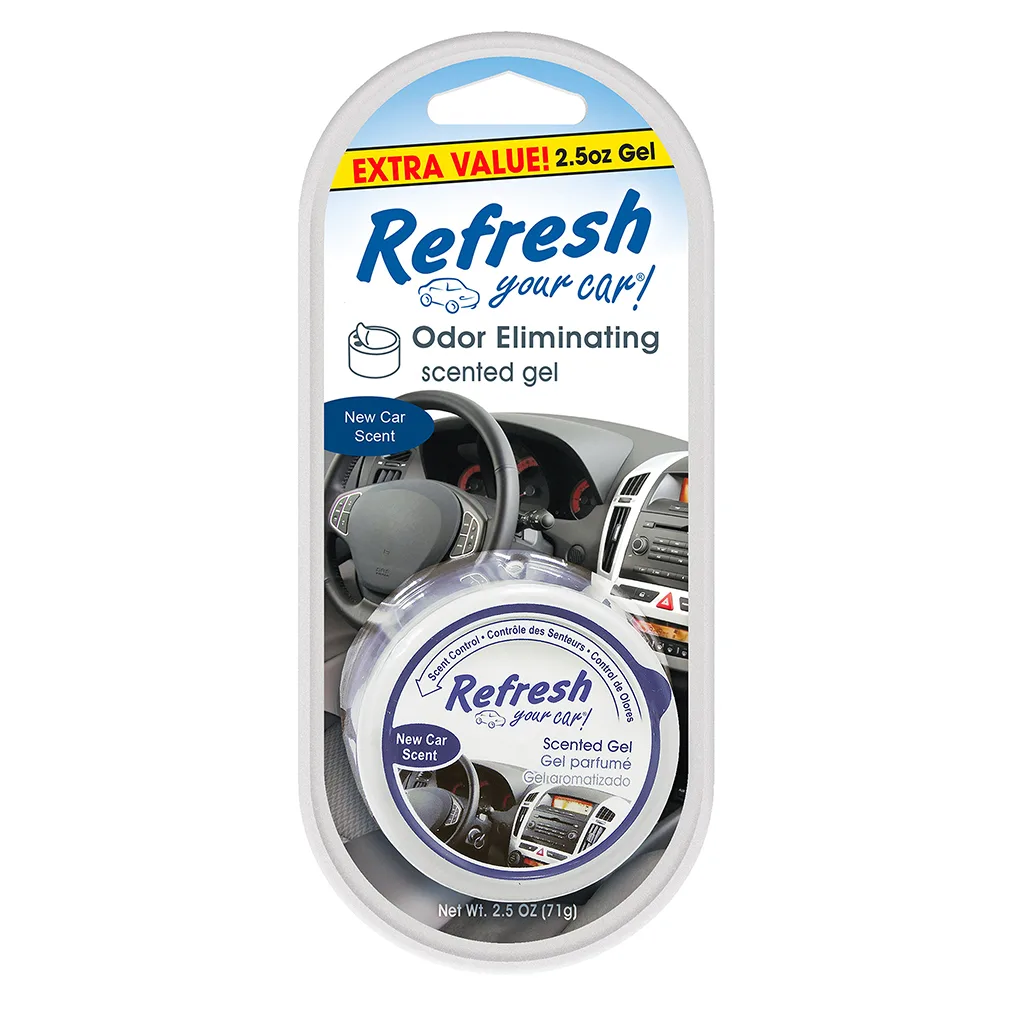
Gel canisters are those little plastic tubs you crack open and tuck into a cup holder or under a seat. The gel slowly releases fragrance over four to eight weeks. Some brands use a screw-top lid with adjustable vents so you can control the strength.
The consistency is the big advantage here. A gel canister doesn't rely on airflow or temperature swings to the same degree a vent clip does. Once you open it, it just works.
Quietly and steadily.
The catch is temperature sensitivity. Leave a gel canister in a car that hits 140 degrees Fahrenheit, and you might return to a puddle of melted gel soaking into your floor mat. Some manufacturers have reformulated for higher melt points, but it's still a risk in hotter climates.
Best for: Anyone who parks in moderate climates and wants set-it-and-forget-it simplicity.
Fabric Sprays – Instant Refresh, but No Long-Term Power
Sprays are the fastest way to fix a bad smell. A few spritzes on your seats, carpets, and headliner can neutralize odors in seconds. Most fabric sprays for cars are water-based and safe for upholstery.
But here's the trade-off: sprays are temporary. The scent typically lasts a day or two at most. You're not getting weeks of fragrance from a spray.
They work best as a quick refresh between deeper cleaning sessions, not as a primary car wash fragrance solution.
Odor Bombs – Deep Clean, Not Daily Fragrance
Odor bombs are a different animal entirely. You set them off inside the car, close all the windows, run the AC on recirculate for about fifteen minutes, and then air everything out. They penetrate HVAC systems and fabric in ways sprays and clips cannot.
These are not for everyday use. They are aggressive. You use an odor bomb when you need to reset the entire cabin after smoke, mold, or a serious spill.
The fragrance that remains is a byproduct, not the main event.
Side-by-Side: Longevity, Scent Strength, and Price at a Glance
Bing (Web (fair-use with source credit))
Here is a quick comparison of the five main options based on aggregate user feedback and manufacturer specifications as of 2026.
| Type | Typical Longevity | Scent Strength | Price Range | Best For |
|---|---|---|---|---|
| Hanging Tree | 1 to 3 weeks | Moderate to strong at first, then fades fast | $1 to $3 | Budget shoppers, frequent scent changers |
| Vent Clip | 3 to 6 weeks | Adjustable | $5 to $15 | Daily commuters, moderate climates |
| Gel Canister | 4 to 8 weeks | Steady, medium | $4 to $12 | Set-it-and-forget-it users, cooler climates |
| Fabric Spray | 1 to 2 days | Strong immediate burst | $4 to $8 | Quick refresh between washes |
| Odor Bomb | One-time deep clean | Lingers for days after airing out | $6 to $15 | Heavy odor removal (smoke, mold, pets) |
The prices and durations are averages. Premium brands can push higher on both counts. But this table gives you a solid baseline for deciding which type fits your car and your habits.
Which One Wipes Out Real Odors (Smoke, Pets, Mold) vs. Just Masks Them
This is probably the most important distinction in the whole topic. Many car wash fragrance products are designed to mask odors, not remove them. Masking works by overwhelming your nose with a stronger scent so you don't notice the bad one.
The moment the good smell fades, the old smell is right back.
Products that truly eliminate odors use different chemistry. They rely on enzymes, activated charcoal, or oxidizing agents to break down the odor molecules at a chemical level. Odor bombs and some specialty sprays fall into this category.
Standard vent clips and hanging trees do not.
If you are dealing with smoke odor from a previous owner, or pet smells that have soaked into the fabric, you need an elimination strategy first. Use an odor bomb or an enzymatic spray. Let the car air out completely.
Then add a long-lasting fragrance product to keep things fresh.
A common mistake people make is layering a strong hanging tree over a smoke smell. You just end up with a car that smells like pine and cigarettes. Not an improvement.
Address the root problem, then fragrance.
This also ties into your overall car care routine. If you've recently done a deep clean using something like our best grime remover for car paint or a foaming sprayer for the exterior, your interior will already smell fresher. The fragrance then becomes maintenance, not a cover-up.
Best for Your Climate: Hot, Humid, Cold – How Weather Changes the Game
Your local climate is one of the biggest factors in choosing a car wash fragrance. Most people ignore this until they find a puddle of oil on their center console.
Bing (Web (fair-use with source credit)
In hot climates like Arizona, Texas, or inland California, interior temperatures can soar past 150 degrees Fahrenheit. Vent clips leak. Gel canisters melt.
Hanging trees go from fragrant to dead in three days. The most reliable option for extreme heat is a water-based fabric spray used regularly, or an odor bomb for deep resets. Some premium gel canisters with higher melt points work, but you should always test one first.
In humid climates like Florida or the Gulf Coast, the problem is different. Humidity can wash out a scent quickly. It also promotes mold and mildew growth, which creates its own odor.
You want an odor eliminator first, then a fragrance that leans fresh and clean. Citrus and ocean scents tend to hold up better in humidity than heavier vanilla or floral notes.
In cold climates like the Midwest or Canada, vent clips can stiffen in freezing temperatures. The oil thickens and doesn't release scent until the car warms up. Gel canisters perform better here because they don't rely on airflow.
Hanging trees actually last longer in the cold, though at the cost of reduced scent throw.
If you live somewhere with extreme seasonal swings, you might need a summer strategy and a winter strategy. Warm months call for sprays and odor bombs. Cold months are the time for gel canisters and vent clips that thrive when the heater runs regularly.
Who Wins for Daily Commuters, Ride-Share Drivers, and Car Enthusiasts
Not every driver needs the same car wash fragrance. Your commute length, passenger volume, and personal standards all point to a different product type. Let's match you to the right fit.
Daily Driver – Balanced All-Rounder
If you drive at least thirty minutes a day and just want a pleasant, consistent scent, a vent clip is your best bet. The adjustable airflow means you can tone it down on short trips and crank it up for longer drives. Gel canisters also work well, especially if you park in a garage or moderate climate.
Avoid hanging trees if you drive a lot. The scent fades too fast to be worth the daily swap. A single vent clip refill will outlast three trees and cost about the same in the long run.
Ride-Share – Neutral and Subtle
Ride-share drivers face a unique challenge. You need a fragrance that smells clean and professional, but never overpowers a passenger. Strong scents can trigger allergies or headaches, and you lose tips.
The research points to one winning strategy. Use an odor bomb once a month to reset the interior, then rely on a gel canister set to low. This keeps the cabin smelling neutral and fresh without any single scent dominating.
Stay away from vent clips aimed directly at the back seat. Passengers notice it immediately.
Weekend Show Car – Premium, Low-Profile Scent
For a car that spends most of its time parked in a garage, longevity and prestige matter more than strength. You want a fragrance that whispers rather than shouts.
Premium gels and oil diffusers work best here. Avoid anything that leaves residue on leather or vinyl. A small refillable wooden diffuser with essential oils looks classy and avoids the cheap plastic aesthetic.
Some owners pair it with a scented interior detailer spray after each wash for that just-detailed edge.
Five Common Mistakes That Ruin Your Car's Scent (and How to Avoid Them)
Even the best car wash fragrance fails if you make one of these errors. Here are the most common mistakes based on verified buyer feedback.
Mistake 1: Placing the freshener in direct sunlight. Heat accelerates evaporation and melts gels. Keep vent clips and canisters out of the sun. Tuck a gel under the seat instead of on the dashboard.
Mistake 2: Using a strong scent to cover a real odor. As we covered earlier, masking doesn't remove smoke, mold, or pet smells. You end up with a hybrid stench. Always eliminate first, then fragrance.
Mistake 3: Overloading the cabin. One vent clip per car is plenty. Two competing scents in a small space create a nauseating mix. Stick with one source.
Mistake 4: Ignoring your car's own smells. A dirty cabin filter, old floor mats, or uncleaned spills will overpower any fragrance. Replace your cabin air filter yearly and clean carpets regularly. Our best bug and tar remover spray for cars can help you tackle exterior messes before they migrate inside.
Mistake 5: Choosing a scent that clashes with your interior. Leather, fabric, and vinyl all respond differently to fragrance oils. Test a small area first with any spray. Citrus and clean linen work universally.
Heavy vanilla or floral can linger awkwardly on fabric.
Pro Tips for Making Any Fragrance Last Longer
You can extend the life of your car wash fragrance by about 30 percent with a few simple habits. No gimmicks, just smart placement and timing.
Adjust the airflow. If you use a vent clip, set it to half open when you park and full open when you drive. This conserves the oil during long sits and releases it when the car is in use.
Store extras properly. Heat and light degrade unopened refills. Keep them in a cool, dark drawer or cabinet. Avoid the glovebox in summer, it gets nearly as hot as the cabin.
Rotate between two products. Nose fatigue happens after a week with the same scent. Swap between two different fragrances every few days and you will perceive both as stronger for longer.
Spray fabric refresher after vacuuming. A clean surface holds scent better than a dusty one. Vacuum your carpets and seats, then mist a fabric spray. The fragrance adheres to the fibers instead of just floating around.
For a deeper clean that resets your interior's baseline, pair this with an ammonia free glass cleaner for cars on your windows. Streak-free glass lets more light in and makes the whole cabin feel fresher.
The Verdict: Your Decision Cheat Sheet by Use Case
Here is a quick reference based on everything we have covered. If you match one of these scenarios, start there.
| Your Situation | Best First Choice | Backup Option |
|---|---|---|
| Daily commute, moderate climate | Vent clip with adjustable dial | Gel canister |
| Daily commute, hot climate | Fabric spray (used weekly) | Odor bomb monthly |
| Ride-share driver | Gel canister on low setting | Odor bomb monthly reset |
| Weekend show car | Premium oil diffuser | Scented interior detailer |
| Heavy smoker / pet owner | Odor bomb + enzymatic spray | Vent clip for maintenance |
| Budget shopper | Hanging tree (change weekly) | Gel canister (fewer swaps) |
If you are still unsure, start with a gel canister. It works in the widest range of conditions and has the lowest learning curve. You can always switch to a vent clip or spray later once you know your preferences.
Quick Answers to the Most Common Questions
How long does a car air freshener typically last?
It depends on the type. Hanging trees last one to three weeks. Vent clips last three to six weeks.
Gel canisters last four to eight weeks. Sprays last one to two days. Heat cuts all these lifespans in half.
Can I use a car air freshener in a leased vehicle?
Yes, but avoid anything that leaves sticky residue or stains. Vent clips and gels are safe if you test a small area first. Avoid hanging trees that may dangle and hit the interior surfaces.
What scent is best for eliminating smoke odor?
Citrus and pine are the most effective for masking smoke, but you need an odor eliminator first. Use an odor bomb or an enzymatic spray. Then follow with a vent clip or gel in a citrus scent for maintenance.
Is it safe to use essential oil diffusers in a car?
Yes, with caution. Glass diffusers can break in a collision or a sharp turn. Use a wooden or metal clip-style diffuser.
Keep the oil in a sealed container. Never leave a diffuser plugged into a 12V outlet unattended.
How often should I replace my car's cabin air filter?
Most manufacturers recommend every 12,000 to 15,000 miles or once a year. A dirty filter traps odors and reduces airflow. Replace it before you invest in a fragrance system for the best results.