A car wash manual isn’t just a list of steps, it’s your roadmap to keeping your vehicle’s finish pristine without causing damage. Whether you’re dealing with stubborn road grime or just want to maintain that showroom shine, the right process prevents swirls, water spots, and premature paint wear.
Per manufacturer guidelines like those from Meguiar’s, using the wrong pressure or harsh chemicals can strip protective coatings. The good news is that with the right tools and sequence, anyone can achieve professional-level results at home.
Quick Answer
A car wash manual outlines the proper steps to clean a vehicle safely. It covers prep, washing, drying, and finishing. The goal is to remove dirt without scratching the paint.
Most manuals recommend a two-bucket method for best results.
The 3 Types of Car Washes: Which One Fits Your Situation?
Not all car washes are created equal. The method you choose depends on your car’s condition, your budget, and how much time you’re willing to invest.
Automatic car washes are fast and convenient. They’re ideal for quick cleanups when you’re short on time. However, the brushes can sometimes leave micro-scratches, especially on softer paint or wraps.
If your car has a matte finish or vinyl wrap, avoid brush-based systems entirely.
Self-service car washes give you more control. You handle the pressure washer and soap, which reduces the risk of damage. These are great for regular maintenance, but you’ll need to know the right techniques to avoid streaks or missed spots.
As of 2026, many self-service bays now offer foam cannons for better coverage.
Hand washing is the gold standard for detail and safety. It’s the only method that lets you inspect every inch of your car. The downside is the time and effort required.
For enthusiasts or those with high-end finishes, this is the way to go.
If you’re unsure, start with a hand wash to learn the process. Once you’re comfortable, you can decide whether to switch to self-service for speed.
Automatic vs. Self-Service vs. Hand Wash: Pros, Cons, and When to Use Each
| Type | Pros | Cons | Best For |
|---|---|---|---|
| Automatic | Fast, hands-off | Brushes may scratch paint | Quick cleanups, busy schedules |
| Self-Service | More control, cost-effective | Requires some skill | Regular maintenance, DIYers |
| Hand Wash | Safest, most thorough | Time-consuming | Enthusiasts, luxury/collector cars |
Automatic washes are best when you need speed. Self-service works well if you’re willing to put in a little effort for better results. Hand washing is the only option for cars with delicate finishes or when you want museum-quality cleanliness.
For Tesla owners, specialized care is often recommended due to the unique paint and coatings. Similarly, if you’re dealing with hard water, a portable water softener can prevent spots.
The Full Step-by-Step Manual Car Wash Process (No Scratches, No Swirls)
Start with a rinse to remove loose dirt. Use a pressure washer set to 1,200, 1,900 PSI to avoid damaging the paint. If you don’t have one, a garden hose with a nozzle works, but it’s less efficient.
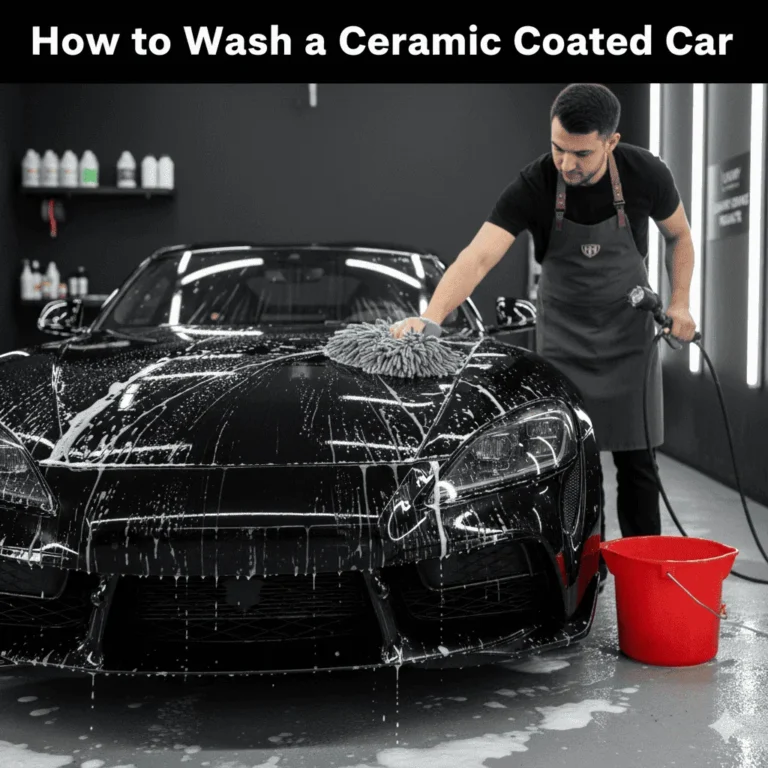
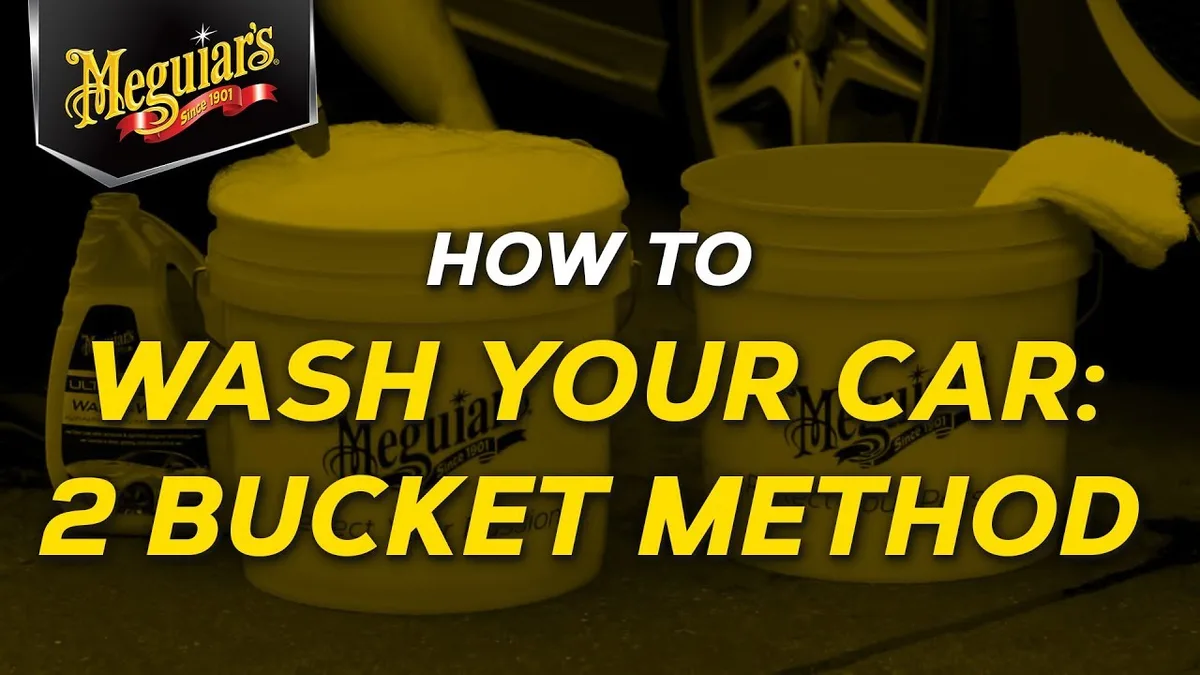
Next, apply a pH-balanced car soap using the two-bucket method. This keeps dirt from being reintroduced to the paint. Work from the top down, cleaning one section at a time.
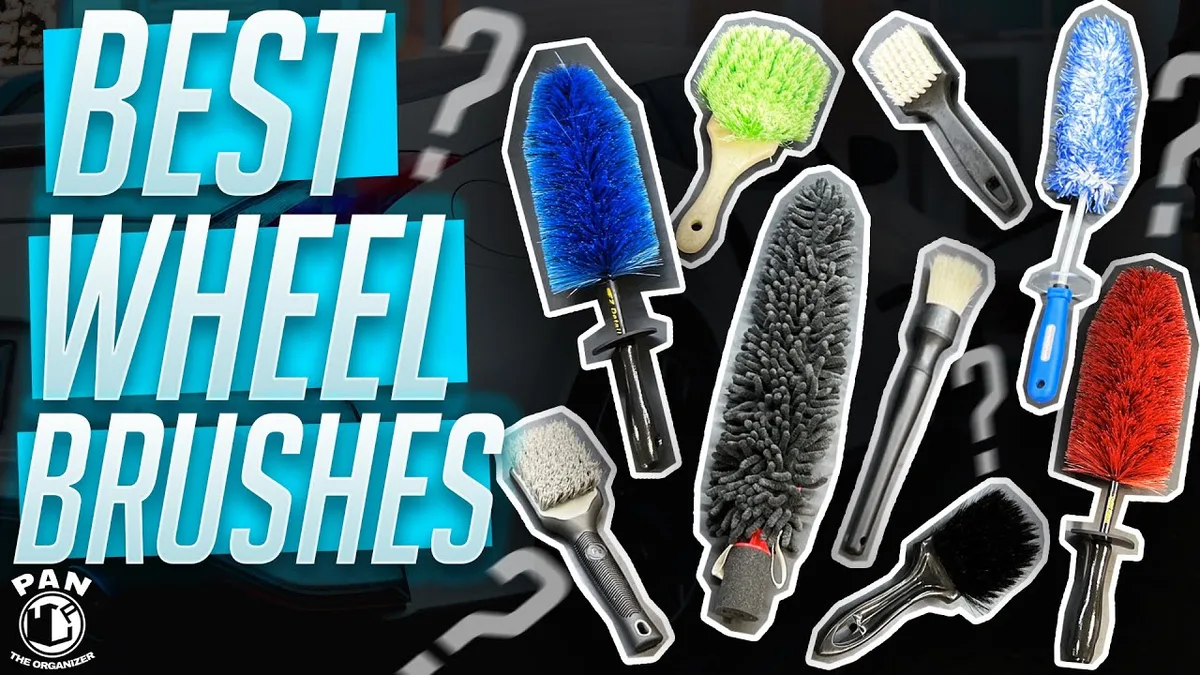
Use a separate brush for wheels and tires, as they collect the most grime and require stronger cleaners.
Rinse each section immediately after washing to prevent soap from drying. After the entire car is washed, use a clay bar to remove embedded contaminants. This step is often overlooked but makes a huge difference in smoothness and shine.
Finally, dry the car with a clean microfiber towel or a blower. Avoid air-drying, as it can leave water spots. If you’re using a high-quality towel, you’ll reduce the risk of swirl marks.
Essential Tools and Products You Actually Need (And What to Skip)
You don’t need every gadget on the market, but a few key items are non-negotiable.
Must-haves:
- Pressure washer (1,200, 1,900 PSI) or a hose with a nozzle
- Two buckets with grit guards (prevents swirls)
- pH-balanced car soap (dish soap strips wax)
- Microfiber wash mitts and towels (soft, lint-free)
- Wheel cleaner (pH-neutral for most wheels, acid-based for tough brake dust)
- Clay bar and lubricant (removes embedded contaminants)
- Car wax or sealant (protects paint after washing)
Nice-to-haves:
- Foam cannon (for better soap coverage)
- Blower (for touch-free drying)
- Iron remover (for brake dust and rail dust)
- Water softener (if you have hard water)
Skip the cheap sponges and household towels, they’ll scratch your paint. Also, avoid automatic car wash brushes if your car has a wrap or matte finish.
For those with a Tesla or electric vehicle, check the manufacturer’s recommendations, as some finishes require specific products.
The Two-Bucket Method: How to Wash Without Damaging Your Paint
The two-bucket method keeps dirt off your paint. One bucket holds soapy water, the other holds clean rinse water. Dip your mitt in the soap bucket, wash a panel, then rinse the mitt in the clean water bucket before reloading with soap.
This prevents cross-contamination. Grit guards at the bottom of each bucket trap dirt particles. Without this system, you’re essentially grinding dirt into your clear coat with every pass.
Use separate mitts for the upper body and lower panels. The lower half of your car collects more road grime. For white cars, this method helps maintain that bright, clean look longer.
Drying Like a Pro: How to Prevent Water Spots and Streaks
Water spots form when minerals in water dry on the paint. Hard water is the worst offender. Always dry your car immediately after washing to prevent this.
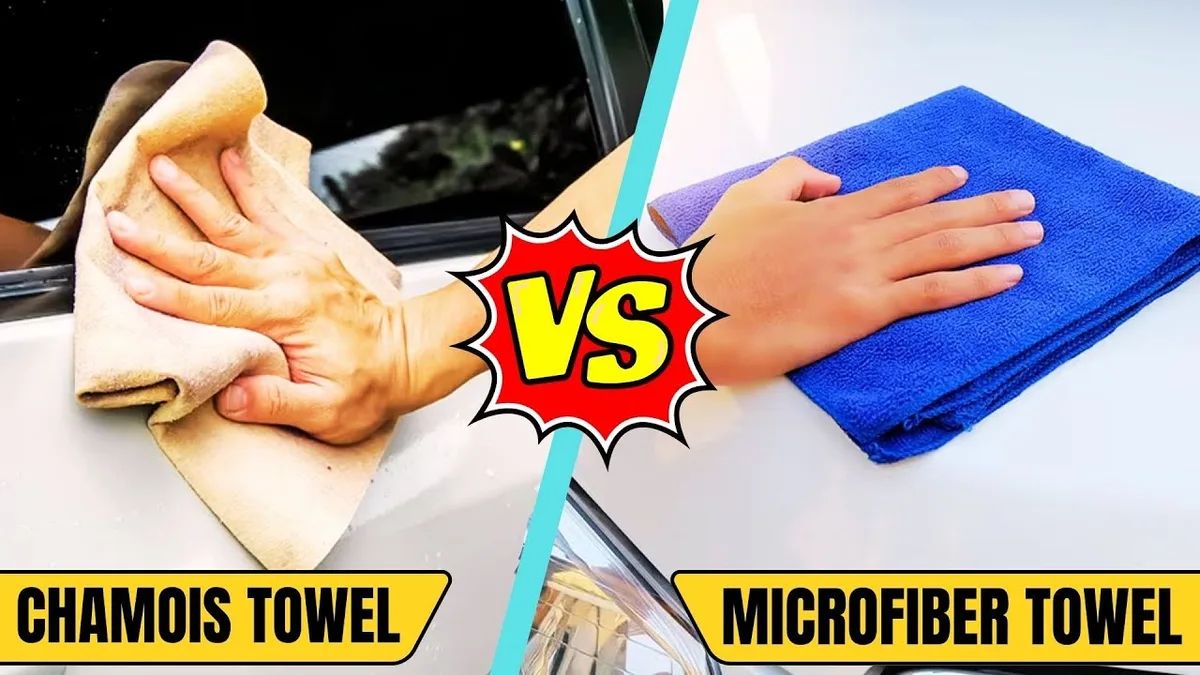
Use a high-quality microfiber towel or a blower. Drag the towel gently across the surface instead of pressing down. For stubborn spots, a water spot remover can help, but prevention is easier than correction.
If you’re washing in direct sunlight, work in small sections. The heat causes water to evaporate quickly, increasing the risk of spots. A waterless wash can be a good alternative for touch-ups between full washes.
Wax, Sealant, or Ceramic Coating? What to Apply After Washing
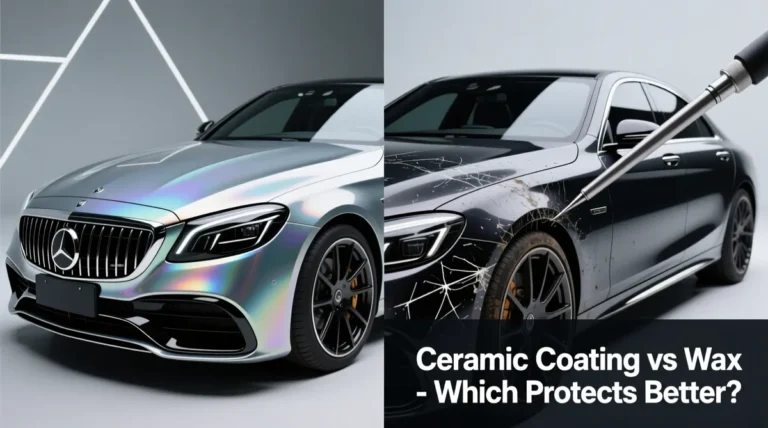
Wax provides a warm, deep shine but lasts only 1-3 months. It’s easy to apply and great for enthusiasts who enjoy the process. Synthetic sealants last longer, typically 4-6 months, and offer better UV protection.
Ceramic coatings are the most durable, lasting 2-5 years. They provide superior protection against UV rays, chemicals, and minor scratches. However, they require professional application and are more expensive.
| Product | Durability | Protection Level | Ease of Application |
|---|---|---|---|
| Carnauba Wax | 1-3 months | Moderate | Easy |
| Synthetic Sealant | 4-6 months | High | Moderate |
| Ceramic Coating | 2-5 years | Very High | Professional Required |
For most car owners, a quality wax or sealant is sufficient. If you have a Tesla with a premium finish, a ceramic coating might be worth the investment.
Common Car Wash Mistakes That Ruin Your Paint
Using dish soap instead of car soap strips wax and damages paint. Household detergents are too harsh for automotive finishes. Always use a pH-balanced car shampoo.
Washing in direct sunlight causes water to dry too quickly. This leads to water spots and streaks. Choose a shaded area or wash early in the morning.
Skipping the wheel cleaner means brake dust stays embedded. This can corrode wheels over time. Use a dedicated wheel cleaner and brush for best results.
Not drying the car properly leaves water spots. Always use a clean microfiber towel or blower. For black cars, this is especially important to maintain that deep, glossy finish.
Winter, Summer, or Dusty Roads: Adjusting Your Wash for the Season
In winter, road salt is your biggest enemy. Wash your car frequently to prevent corrosion. Pay extra attention to the undercarriage where salt accumulates.
Summer brings UV rays and bug splatter. Wash more often to remove contaminants that can damage paint. A good wax or sealant provides extra UV protection.
In dusty areas, you’ll need to wash more frequently. Use a foam cannon to help lift dirt before contact washing. For wrapped cars, be extra gentle to avoid lifting the edges of the wrap.
How Often Should You Really Wash Your Car?
Most experts recommend washing every two weeks. This prevents dirt buildup that can damage paint over time. In harsh winter conditions with road salt, wash weekly.
For cars parked in garages with minimal exposure, monthly washes may suffice. However, bird droppings and tree sap should be removed immediately. These contaminants can etch paint if left too long.
If you have a car wrap, follow the manufacturer’s guidelines. Some wraps require more frequent, gentler washing to maintain the adhesive and finish.
DIY vs. Professional Detailing: When to Do It Yourself (And When to Pay)
DIY washing works for regular maintenance. It’s cost-effective and lets you control the process. With the right tools and techniques, you can achieve excellent results.
Professional detailing is worth it for deep cleaning and paint correction. Detailers have access to specialized equipment and products. They can also apply ceramic coatings and perform paint corrections that are difficult to do at home.
For Tesla owners, professional detailing can help maintain the unique finishes and coatings. However, for most daily drivers, a thorough DIY wash is sufficient.
Safety and Compliance: What You Might Be Doing Wrong Legally
Never let soapy water run into storm drains. Many municipalities have strict regulations about this. Use a wash area that drains to a treatment system or use waterless products.
Avoid washing in direct sunlight. This can cause water to dry too quickly, leading to spots and streaks. It can also make some cleaning products less effective.
Always follow product instructions. Some cleaners require dilution or specific application times. Misuse can damage your car’s finish or void warranties.
According to EPA guidelines, proper disposal of automotive cleaning products is crucial. Many contain chemicals that can harm the environment if not handled correctly.
FAQs About Car Washing That Everyone Gets Confused By
Can I use dish soap to wash my car?
No. Dish soap is too harsh for automotive paint. It strips wax and can damage the clear coat over time.
Always use a pH-balanced car shampoo.
Is it bad to wash my car in the sun?
Yes. The heat causes water to evaporate quickly, leading to water spots. It can also make cleaning products dry too fast, reducing their effectiveness.
How do I prevent swirl marks?
Use the two-bucket method and clean microfiber towels. Avoid automatic car washes with brushes. Always wash in straight lines, not circles.
Should I wax my car after every wash?
No. Waxing too often can build up and create a hazy appearance. Apply wax every 3-4 months or as needed based on the product’s durability.
Can I use a pressure washer on my car?
Yes, but keep the PSI between 1,200 and 1,900. Higher pressure can damage paint or strip wax. For pressure washer recommendations, choose one designed for automotive use.
Will a car wash damage my wrap?
It can if not done properly. Avoid brush car washes and high-pressure sprays. Hand washing with gentle products is safest for wrapped vehicles.