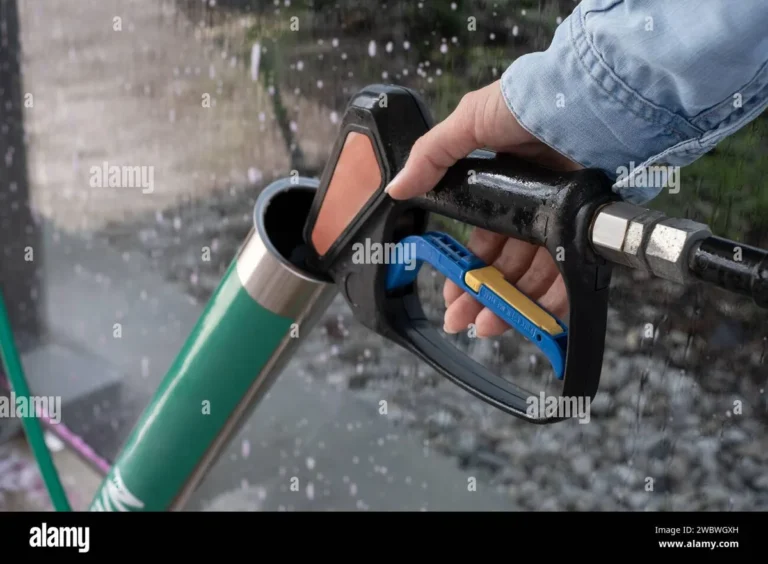
Washing your car’s engine at a carwash seems like a quick way to tackle built-up grime, but do it wrong and you could fry electrical components or leave corrosion in hidden spots. The truth is you can wash a car engine at a carwash, but only if you follow strict prep steps and avoid high-pressure water near sensitive parts.
Manufacturer specs confirm that most modern engines can handle light water exposure, but the risk comes from improper drying or direct spray on alternators and fuse boxes.
Quick Answer
Yes, you can wash a car engine at the carwash.
Use low pressure and cover electrical parts first.
Let the engine cool completely before starting.
Dry everything thoroughly to prevent shorts or corrosion.
Why Washing a Car Engine at the Carwash Can Be Risky (And When It’s Safe)
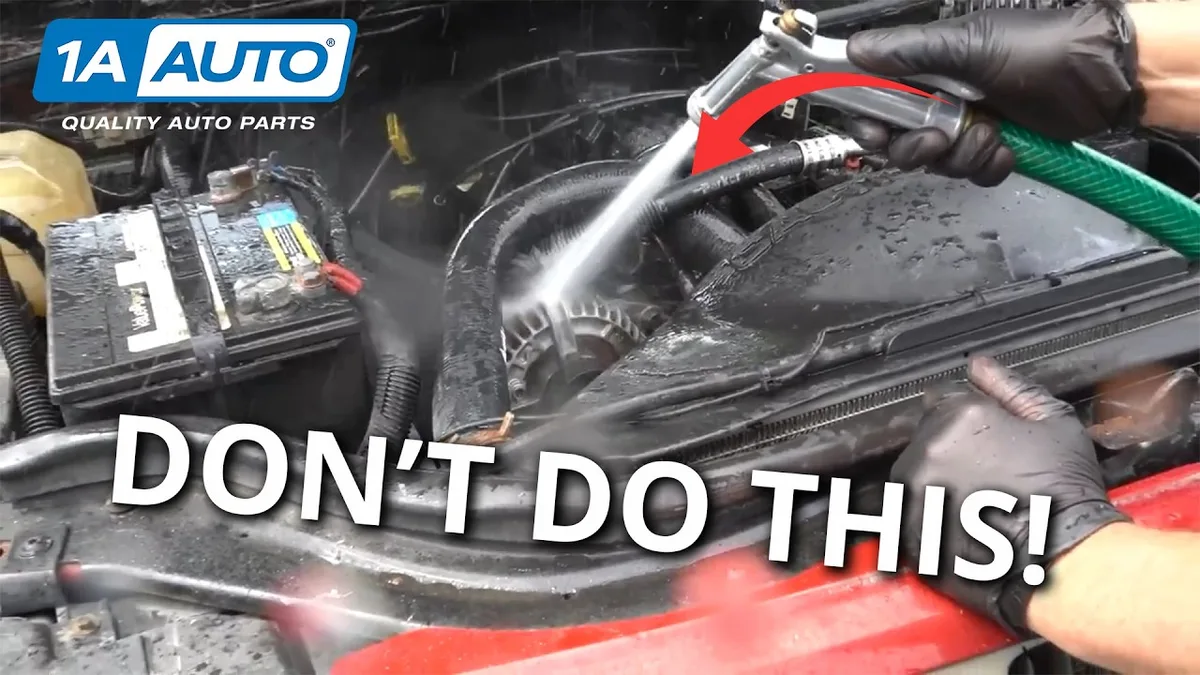
A carwash’s high-pressure spray can force water into spark plug wells, alternators, or fuse boxes. If water pools in these areas, it can short circuits or corrode connections over time. The risk is highest with older vehicles or engines with exposed wiring.
That said, it’s safe if you take precautions. Modern engines with sealed components handle light water exposure better, but you still need to avoid direct spray on electrical parts. The key is preparation: covering sensitive areas and using the right cleaning agents.
What You Need to Wash an Engine Safely
| Item | Purpose | Notes |
|---|---|---|
| Engine degreaser | Breaks down oil and grime | Use a water-based, non-corrosive formula |
| Plastic bags | Covers electrical components | Secure with rubber bands or tape |
| Soft-bristle brush | Scrubs without scratching | Avoid wire brushes on plastic or rubber |
| Microfiber towels | Dries surfaces without lint | Keep a few on hand for thorough drying |
| Garden hose or pressure washer | Rinses off cleaner | Pressure washer max: 1,500 PSI |
| Compressed air | Blows water out of crevices | Optional but helpful for hard-to-reach spots |
Skip the harsh solvents or abrasive tools. These can damage hoses, wires, or plastic parts. Stick to products labeled safe for automotive use.
Step-by-Step: How to Wash a Car Engine at the Carwash
Prep Work: Protecting Electrical Components
Start with a cool engine. If you’ve been driving, wait at least 30, 60 minutes to avoid thermal shock from cold water hitting hot metal.
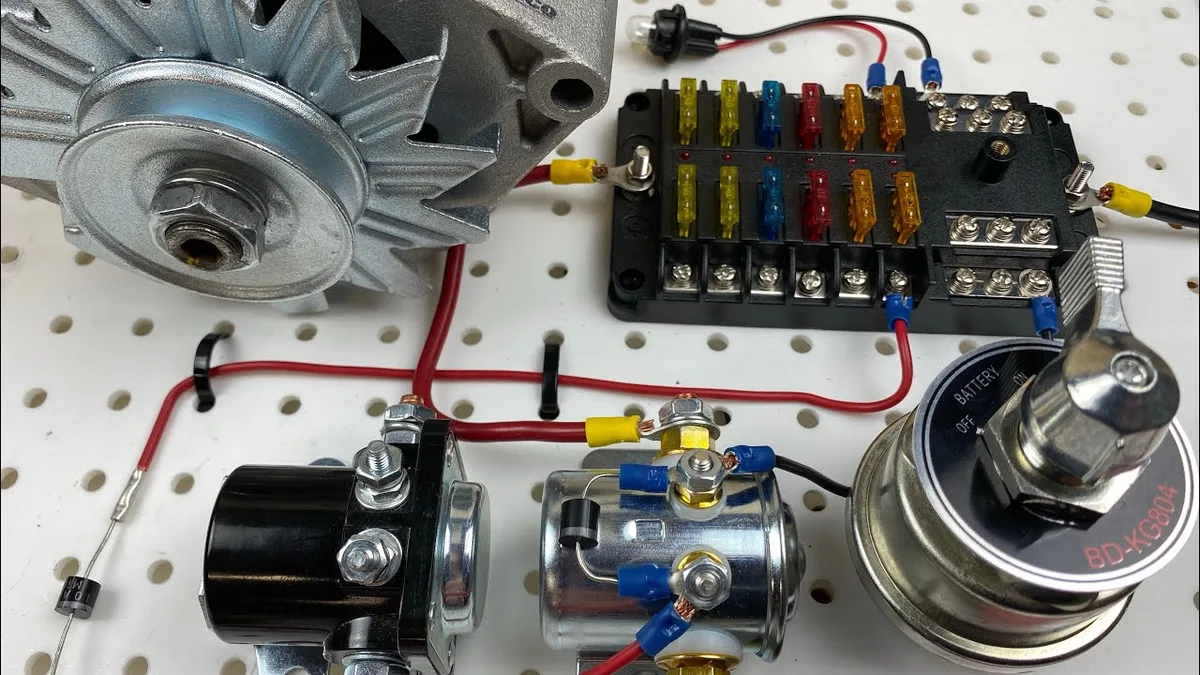
Disconnect the battery’s negative terminal first. This prevents accidental shorts if water gets near the terminals. Then, cover the alternator, fuse box, spark plug wells, and distributor (if your engine has one) with plastic bags.
Secure them tightly with electrical tape or rubber bands.
Remove loose debris with a dry brush or compressed air. This keeps dirt from turning into mud when you add water.
Applying Degreaser and Scrubbing
Spray a water-based degreaser onto heavily soiled areas like the engine cover, hoses, and battery tray. Let it sit for 5, 10 minutes to break down grime. Avoid overspraying onto painted surfaces or plastic trim, as some degreasers can dull finishes.
Use a soft-bristle brush to scrub stubborn spots. Focus on the valve cover, oil cap, and around the battery. For tight spaces, a toothbrush or small detailing brush works well.
Rinsing Without Damaging Anything
Use a garden hose with an adjustable nozzle for controlled rinsing. Keep the spray wide and gentle to avoid forcing water into sensitive areas.
If using a pressure washer, stay below 1,500 PSI and maintain a 2-foot distance from the engine. Angle the nozzle away from electrical components and openings like the intake or exhaust.
Drying the Engine Bay Properly
Start with compressed air to blow water out of crevices and around covered parts. This step is critical for preventing moisture buildup in hard-to-reach areas.
Follow up with microfiber towels to wipe down all surfaces. Pay extra attention to the battery tray, fuse box cover, and spark plug wells. Remove the plastic bags only after everything is dry.
Pressure Washer vs. Garden Hose: Which Is Safer?
A garden hose is the safer choice for most DIYers. It gives you more control over water pressure and flow, reducing the risk of forcing water into sensitive areas. The downside is it takes longer to rinse off thick degreaser.
A pressure washer speeds up the job but requires caution. Keep the PSI below 1,500 and use a wide-angle nozzle (25, 40 degrees). Hold the wand at least 2 feet away from the engine to avoid damaging components.
Never aim directly at electrical parts, even if they’re covered.
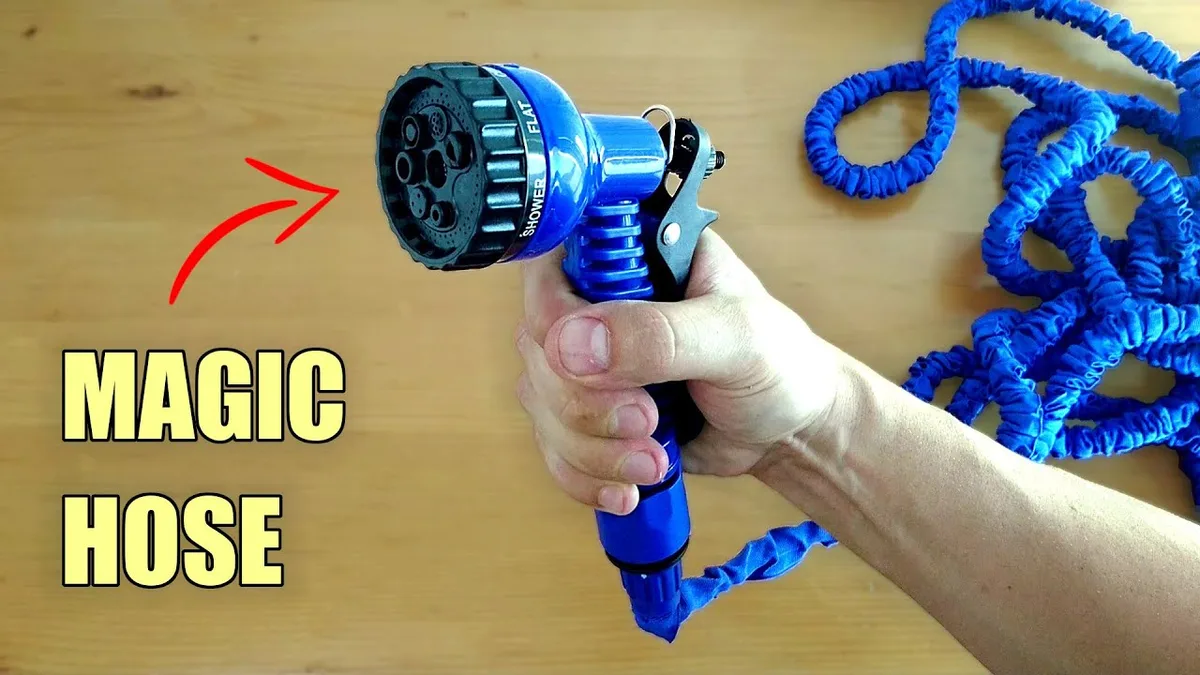
For most people, a garden hose with an adjustable nozzle is the best balance of safety and effectiveness. Save the pressure washer for the undercarriage or wheels, where the risk of electrical damage is lower.
Common Mistakes That Ruin Engines (And How to Avoid Them)
Skipping the cool-down period is the top mistake. Spraying cold water on a hot engine can warp components or crack plastic covers. Always wait at least 30 minutes after driving.
Using too much pressure is another common error. A pressure washer above 1,500 PSI can force water into spark plug tubes or electrical connectors. Stick to a garden hose or low-pressure setting.
Not covering electrical parts leads to shorts. Even a little water in the alternator or fuse box can cause expensive damage. Plastic bags and tape are cheap insurance.
Forgetting to dry thoroughly is just as bad as not covering parts. Water left in crevices will cause corrosion over time. Use compressed air and microfiber towels to remove all moisture.
Best Degreasers for Engine Cleaning
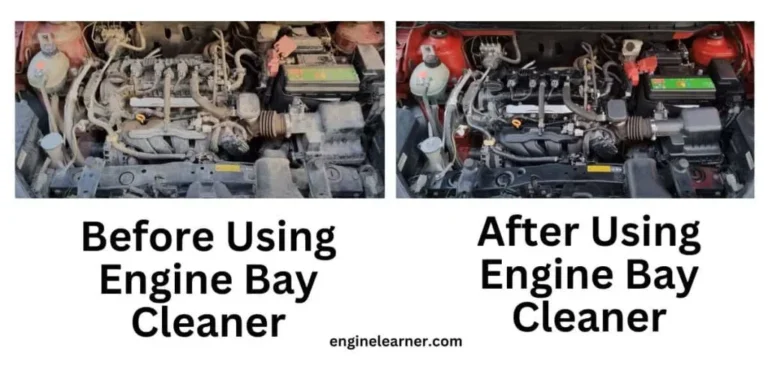
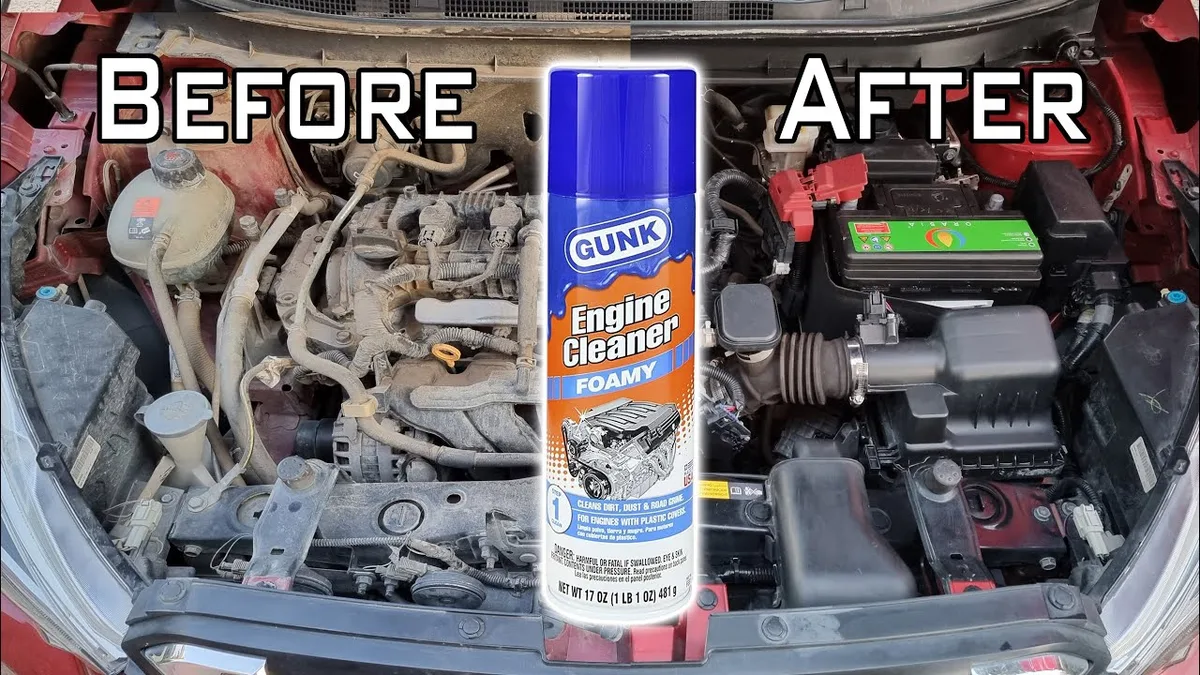
Water-based degreasers are the safest choice for most engines. They break down grease without harming rubber hoses or plastic parts. Brands like Simple Green or Gunk are widely recommended by mechanics.
Avoid solvent-based degreasers unless the manufacturer specifies they’re safe for your engine. These can damage seals and gaskets over time. Always check the label for automotive use.
For heavy buildup, a foam degreaser clings better to vertical surfaces. It gives the cleaner more time to work on stubborn grime. Rinse it off completely to prevent residue.
When to Skip the Carwash and Call a Pro
If your engine has exposed wiring or aftermarket electrical components, leave it to the professionals. They have the tools and experience to clean safely without risking damage.
Older vehicles with brittle hoses or cracked covers are also better handled by a detailer. The risk of water intrusion is higher, and a pro can inspect for wear while cleaning.
If you’re unsure about covering electrical parts correctly, don’t guess. A professional detailer will know exactly what to protect and how to dry everything properly.
Safety Warnings You Can’t Ignore
Never wash a running engine. The combination of water and live electrical parts is a serious shock hazard. Always turn off the car and disconnect the battery first.
Avoid spraying water directly into the intake or exhaust. Water in these areas can cause hydro-lock or damage catalytic converters. Keep the nozzle angled away from openings.
Wear gloves and eye protection. Degreasers can irritate skin, and flying debris during scrubbing can cause eye injuries. Basic safety gear prevents unnecessary accidents.
How Often Should You Clean Your Engine Bay?
Most mechanics recommend cleaning the engine bay every 1, 2 years under normal driving conditions. This prevents excessive grime buildup without risking frequent water exposure.
If you drive in dusty or off-road conditions, clean it more often. Dirt and debris can clog cooling fins and reduce engine efficiency. A quick rinse every 6 months may be needed.
For show cars or vehicles in humid climates, more frequent cleaning helps prevent corrosion. Just be sure to dry everything thoroughly to avoid moisture-related issues.
Frequently Asked Questions
Can I use dish soap to clean my engine bay?
No, dish soap isn’t strong enough for engine grease and may leave residue. Use a dedicated engine degreaser instead. These are formulated to cut through oil without harming automotive surfaces.
How long does it take to wash an engine at the carwash?
Expect to spend 30, 60 minutes for a thorough job. This includes prep time, cleaning, rinsing, and drying. Rushing increases the risk of missing spots or leaving water in sensitive areas.
What happens if water gets in the spark plugs?
Water in spark plug wells can cause misfires or prevent the engine from starting. If this happens, remove the plugs, dry the wells with compressed air, and check for corrosion before reinstalling.
Is it safe to wash a hybrid or electric car engine?
Hybrid and electric vehicles have high-voltage components that require extra caution. Avoid washing the battery or inverter areas entirely. Stick to cleaning the traditional engine bay if your hybrid has one, and leave the rest to professionals.
Can I use a steam cleaner instead of water?
Yes, steam cleaners are a safe alternative for engine bays. They use high heat to loosen grime without excessive water. Just avoid directing steam at electrical connections or sealed components.