You’ve just been in a minor fender bender on I-95 in Connecticut and traffic is backing up fast. The Connecticut move it law for clearing minor accidents from travel lanes requires you to move your vehicle if it’s safe and drivable. This law exists to prevent secondary crashes and keep traffic flowing.
As of 2026, failing to move when possible can result in a fine under Connecticut General Statutes § 14-250. Here’s what you need to know to stay compliant and safe.
Quick Answer
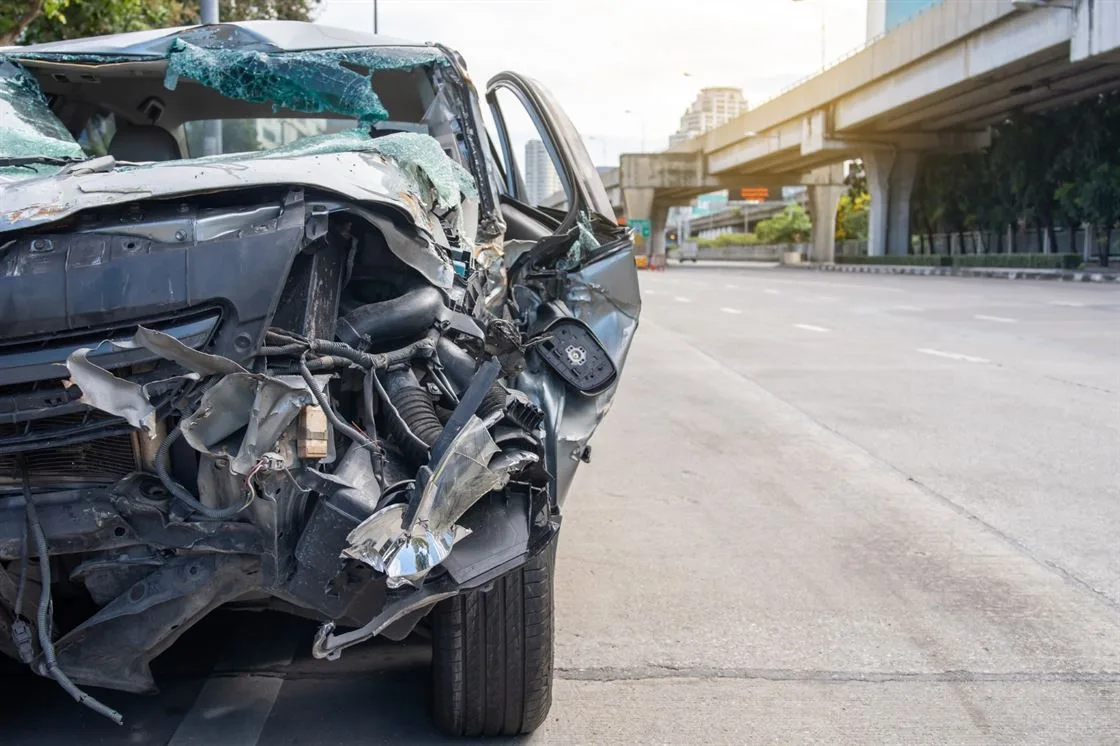
The Connecticut move it law for clearing minor accidents from travel lanes mandates moving vehicles after a minor crash. It applies if no one is injured and cars can be driven. You must move to the shoulder or a safe nearby area.
Fines apply if you block traffic unnecessarily.
What Connecticut’s “Move It” Law Actually Means
This law is about keeping roads clear after minor accidents. Connecticut General Statutes § 14-250 requires drivers to move their vehicles out of travel lanes if the accident is minor and the cars are drivable. The goal is to reduce congestion and prevent further collisions.
The law doesn’t apply if someone is injured or if moving the vehicle would be unsafe. It also doesn’t override the need to exchange information or report the accident if required.
When You Must Move Your Car After a Minor Accident
You must move your car if the accident is minor and your vehicle is drivable. Minor means no injuries and only property damage. Both parties should agree it’s safe to move.
If your car can’t be driven or moving it would create a hazard, stay put. In these cases, turn on your hazard lights and wait for help. Connecticut State Police recommend moving only when it’s clearly safe to do so.
When You Shouldn’t Move Your Vehicle
Don’t move your car if anyone is injured or if the vehicle is undriveable. If fluids are leaking or the car is in a dangerous position, leave it. Moving could worsen damage or cause another accident.
If you’re unsure whether it’s safe to move, err on the side of caution. Call 911 for guidance.
The Exact Steps to Follow at the Scene
First, check for injuries. If anyone is hurt, call 911 immediately and do not move the vehicles. If it’s a minor accident with no injuries, assess whether the cars can be driven.
If safe, signal and move both vehicles to the shoulder or a nearby parking lot. Turn on your hazard lights to alert other drivers. Exchange insurance and contact information with the other driver.

What Happens If You Don’t Move Your Car
You’ll face a fine if you leave drivable vehicles in the travel lane. Connecticut courts typically impose $75 to $100 for violating CGS § 14-250. The ticket is an infraction, not a criminal charge.
You also risk causing a secondary accident. Blocked lanes force other drivers to swerve or brake suddenly.
How to Document the Accident Before Moving
Take photos of the damage on both vehicles. Capture the license plates and the accident location. Include wide shots showing the road and traffic conditions.
Write down the time, date, and weather. Note any witnesses and their contact information.
Connecticut’s Accident Reporting Rules (And When Police Must Be Called)
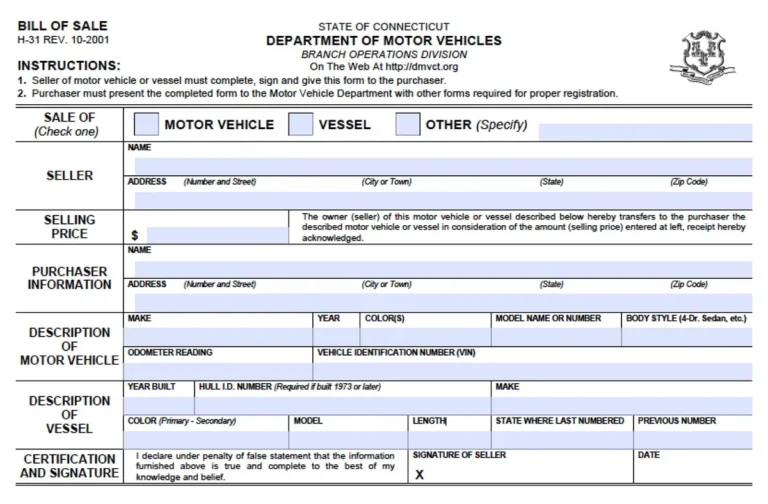
You must report the accident if damage exceeds $1,000. File a report with the Connecticut Department of Motor Vehicles within five days. Use form J-1160.
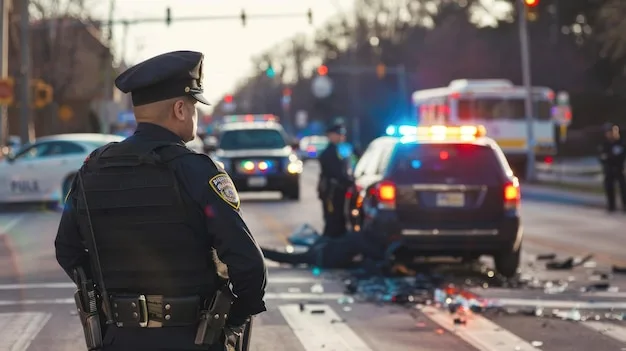
Call 911 immediately if there are injuries or fatalities. Police must also be notified if a driver is under the influence.
Common Mistakes Drivers Make After a Minor Crash
Many drivers forget to exchange information. Always get the other driver’s name, insurance details, and license plate number.
Some drivers admit fault at the scene. Avoid saying “it was my fault” or signing any statements.
Others fail to document the scene. Without photos or notes, disputes over what happened are harder to resolve.
FAQs About Connecticut’s Move It Law
Do I have to move my car if it’s barely drivable?
Yes, if it can be safely driven to the shoulder or a nearby safe area. The law requires you to clear the travel lane when possible. Only stay put if moving would create a hazard.
What if the other driver refuses to move their car?
You should still move your vehicle if it’s safe. Take photos of their car blocking traffic. Note their refusal in your accident report.
How do I know if the damage is over $1,000?
Estimate the cost of repairs for both vehicles. If the total seems close to or above $1,000, file a report.
Can I be ticketed if I move my car but don’t exchange information?
Yes. Moving your car doesn’t replace the legal requirement to exchange details. Always share your name, insurance, and contact information with the other driver.
Does the Move It Law apply on private property?
No. The law only covers public roads and highways. On private property like parking lots, different rules may apply.