DOT 3, DOT 4, and DOT 5 brake fluid bottles for classic Dodge vehicles
If you're restoring a classic Dodge and wondering what type of brake fluid for classic Dodge is right, the answer starts with your model year and brake system. Using the wrong fluid can ruin seals, cause spongy pedals, or even lead to complete brake failure.
Per SAE J1703 standards, most classic Dodges from the 1960s and 70s run on DOT 3 or DOT 4 glycol-based fluid. The difference comes down to boiling points and moisture resistance. For more on this, see our guide on maryland move over law rules for emergency vehicles.
Quick Answer
Most classic Dodges need DOT 3 brake fluid. Some 1970s muscle cars may require DOT 4. DOT 5 is silicone-based and rarely compatible.
Always check your service manual first. Never mix different DOT types.
Why the Right Brake Fluid Matters for Classic Dodges
Brake fluid transfers force from your pedal to the wheels. The wrong type can degrade rubber seals in older systems. Classic Dodges often have different material tolerances than modern cars. For more on this, see our guide on maryland emissions testing rules for newer vehicles.
Manufacturer specs confirm that glycol-based fluids (DOT 3/4) are standard for most vintage hydraulic systems. Silicone-based DOT 5 can cause leaks in systems not designed for it.
In practice, classic Dodge brake systems often use natural rubber or early synthetic seals that are particularly sensitive to fluid chemistry. Glycol-based fluids maintain seal pliability, while silicone-based DOT 5 can cause hardening or shrinkage over time in these older components.
How Classic Dodge Brake Systems Work
Classic Dodges use a hydraulic system with a master cylinder, brake lines, and wheel cylinders or calipers. When you press the pedal, fluid moves through the lines to apply pressure at each wheel.
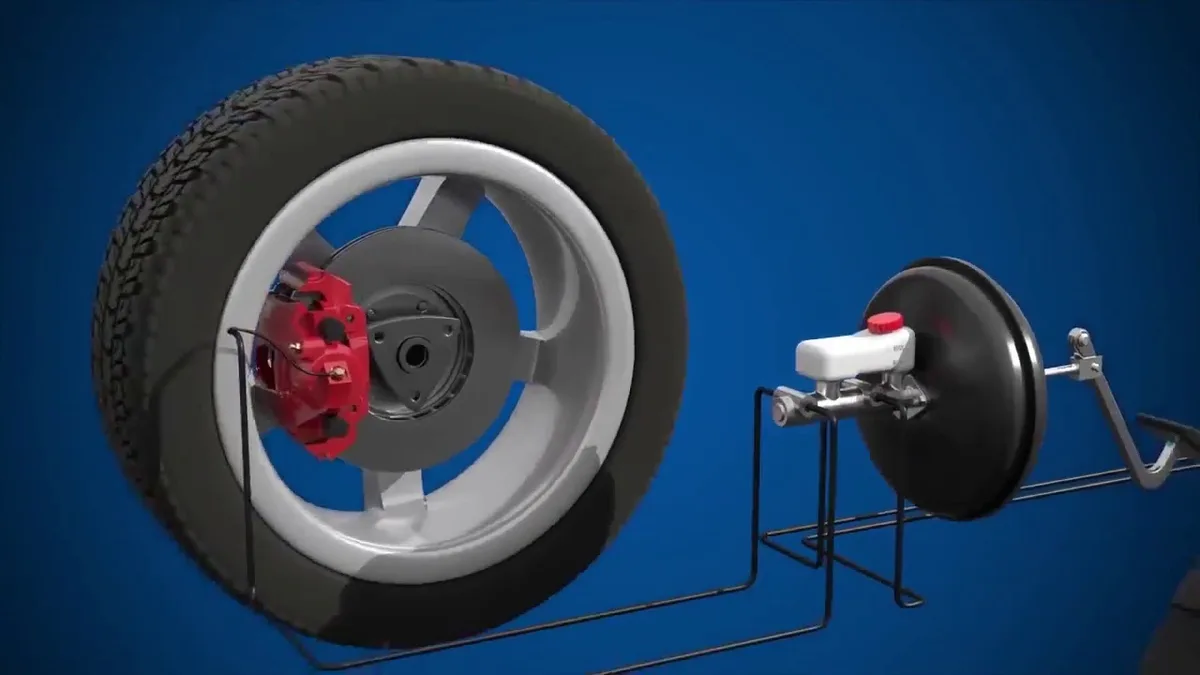
Schematic of a classic Dodge hydraulic brake system with master cylinder and wheel cylinders
The master cylinder pushes fluid to either drum or disc brakes. Drum brakes were common on earlier models, while disc brakes appeared on performance variants.
Early Dodge drum brake systems often used single-circuit master cylinders, which are particularly vulnerable to fluid contamination. A common mistake is assuming all drum brake systems can tolerate any glycol-based fluid—some early 1960s models had specific additive packages in their original fluid that modern DOT 3 may not fully replicate.
DOT 3 vs. DOT 4 vs. DOT 5: What’s the Difference?
| Fluid Type | Base | Dry Boiling Point | Wet Boiling Point | Compatibility |
|---|---|---|---|---|
| DOT 3 | Glycol | 401°F (205°C) | 284°F (140°C) | Most classic Dodges |
| DOT 4 | Glycol | 446°F (230°C) | 311°F (155°C) | High-performance models |
| DOT 5 | Silicone | 500°F (260°C) | 356°F (180°C) | Rarely compatible |
DOT 3 and DOT 4 are glycol-based and can sometimes be mixed in an emergency. DOT 5 is silicone-based and should never be mixed with glycol fluids. The higher boiling point of DOT 4 makes it better for heavy braking.
The "wet" boiling point is particularly important for classic cars that may sit unused for periods. Moisture absorption occurs even in sealed systems over time, and a fluid with a higher wet boiling point like DOT 4 provides better protection against vapor lock during spirited driving.
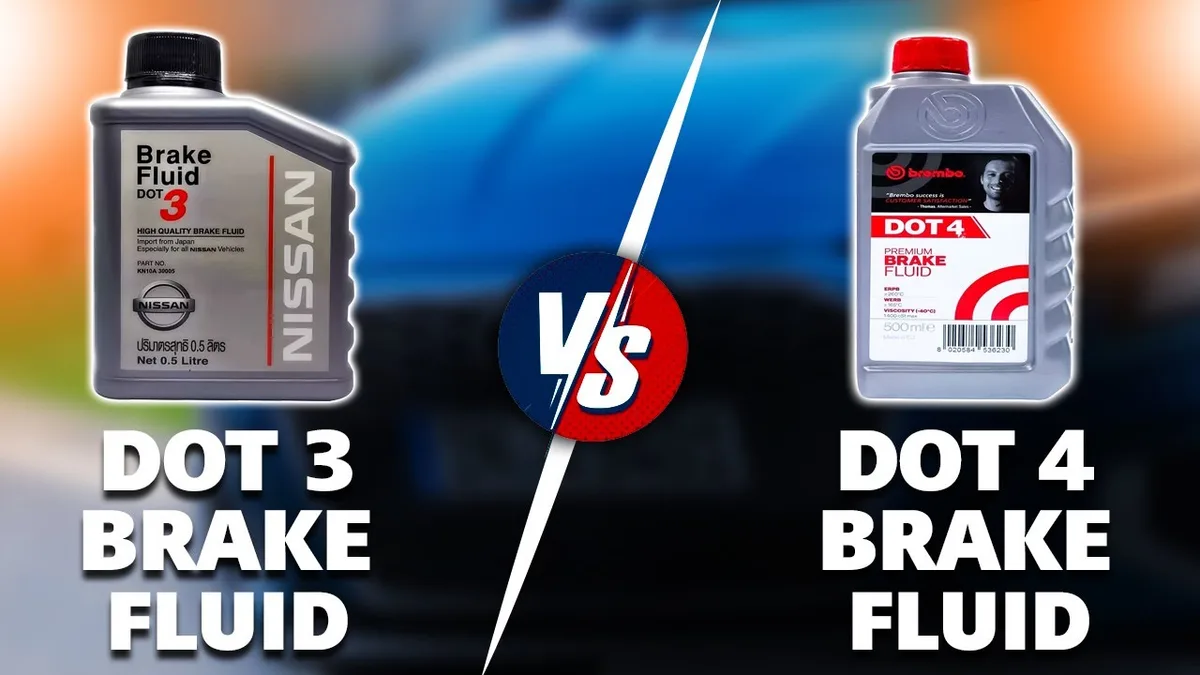
Comparison of DOT 3 and DOT 4 brake fluid containers showing different labeling
Which Classic Dodges Need Which Brake Fluid
1960s Models (Dart, Coronet, Polara)
Most 1960s Dodges with drum brakes use DOT 3. The lower boiling point is sufficient for standard driving.
For these models, it's worth noting that the original factory fill was often a mineral oil-based fluid in very early 1960s vehicles before the widespread adoption of glycol-based DOT 3. If you're restoring a 1962 or earlier Dodge to absolute concours correctness, you may need to source period-correct fluid, though modern DOT 3 is perfectly safe for normal use.
1970s Muscle Cars (Charger, Challenger)
High-performance models often specify DOT 4. The higher boiling point handles the heat from aggressive braking.
The 1970 Challenger R/T and Charger R/T with disc brakes came from the factory with DOT 4, as did the 440 and Hemi-equipped models. These cars generate significant brake heat, and using DOT 3 can lead to premature fluid degradation under track or spirited street use.
Late 1970s–1980s Models
As disc brakes became more common, DOT 4 became standard. Always verify with your specific model's documentation.
This transition period saw some interesting variations. For example, the 1978-1980 Dodge Magnum with the police package often used a special high-temperature DOT 4 variant. When in doubt, the factory service manuals for your specific VIN are the most reliable source.
How to Check Your Current Brake Fluid Type
The easiest way is to look at the reservoir cap. It often lists the recommended DOT specification. If not, check the color and consistency.
DOT 3 and DOT 4 are usually light amber when new. Dark or murky fluid means it's time for a change regardless of type. DOT 5 is typically purple.
A practical tip for classic Dodge owners: if your reservoir cap is missing or unreadable, check the brake lines and components. Original DOT 5 systems (rare in Dodges) often have specific markings or different material hoses designed for silicone fluid compatibility. Also, if you find greenish fluid, it's likely DOT 3 or 4, while purple indicates DOT 5.
Step-by-Step: Flushing and Replacing Brake Fluid
Start with a clean workspace and the right tools. You'll need fresh fluid, a brake bleeder wrench, clear tubing, and a drain pan.

Technician performing a brake fluid flush on a classic Dodge using clear tubing
Begin at the wheel farthest from the master cylinder. Attach the tubing to the bleeder valve and submerge the other end in the drain pan. Have an assistant pump the brake pedal and hold it down while you open the valve.
Close the valve before the pedal hits the floor. Repeat until clean fluid flows out. Refill the master cylinder reservoir between each wheel to prevent air from entering the system.
For classic Dodges with drum brakes, pay special attention to the wheel cylinders. These components are particularly prone to sediment buildup from old fluid. It's often worth removing and cleaning the wheel cylinders during a complete fluid flush, especially if the car has been sitting for an extended period. Also, consider using a vacuum bleeder for one-person operation, which can be particularly helpful when working on these older systems.
Common Mistakes That Damage Classic Brake Systems
Using DOT 5 in a system designed for DOT 3 or 4 is a frequent error. The silicone base doesn't mix with glycol fluids and can cause seal failure.
Overlooking moisture contamination is another issue. Brake fluid absorbs water over time, which lowers its boiling point. Always use fresh fluid from a sealed container.
Skipping the bleeding process after a fluid change leaves air in the lines. This results in a spongy pedal and reduced braking power.
Another common oversight is not checking the master cylinder condition before flushing. Many classic Dodge master cylinders have internal seals that may have deteriorated, and flushing with fresh fluid won't fix a failing master cylinder. Also, be cautious with aftermarket master cylinders—some reproduction parts may specify different fluid requirements than the original equipment.
Safety Warnings and Best Practices
Never reuse brake fluid. It degrades with use and moisture exposure. Always dispose of old fluid properly as it's toxic.
Wear gloves when handling brake fluid. Glycol-based fluids can damage paint and irritate skin. Keep a spill kit handy in case of accidents.
Test your brakes after any fluid change. Start with gentle stops in a safe area to confirm everything works.
When working on classic Dodges, it's particularly important to protect the car's finish. Glycol-based brake fluid can strip paint and damage chrome if spilled. Keep plenty of rags on hand and consider using a drip pan under the master cylinder during the flush process. Also, remember that brake fluid is hygroscopic—it absorbs moisture from the air—so keep containers tightly sealed when not in use.
Where to Buy the Right Brake Fluid
Auto parts stores carry DOT 3, DOT 4, and DOT 5 fluids. Stick to reputable brands like Valvoline, Prestone, or ATE.
Online retailers offer convenience but check shipping restrictions. Some carriers won't transport hazardous materials. Always verify you're getting the correct specification.
For rare classic Dodges, specialty suppliers may be your best bet. They often stock fluids that meet original equipment specifications.
For the most authentic restorations, consider sourcing fluid from suppliers that specialize in vintage Mopar parts. Some companies offer reproduction fluid that matches the original specifications for specific model years. However, for most classic Dodge owners, a high-quality modern DOT 3 or DOT 4 from a trusted brand will provide excellent performance and protection. If you're maintaining a streak-free finish on your classic Dodge, be sure to clean any fluid spills immediately to prevent damage to the paint.
Brake Fluid Compatibility Chart for Classic Dodges
| Model Year | Model | Brake Type | Recommended Fluid | Notes |
|---|---|---|---|---|
| 1960-1966 | Dart, Coronet, Polara | Drum | DOT 3 | Standard driving |
| 1967-1969 | Charger, Coronet R/T | Drum/Disc | DOT 3 or DOT 4 | DOT 4 for performance models |
| 1970-1974 | Challenger, Charger | Disc | DOT 4 | High-performance models |
| 1975-1979 | Aspen, Diplomat | Drum/Disc | DOT 3 or DOT 4 | Check service manual |
| 1980-1989 | Mirada, St. Regis | Disc | DOT 4 | Standard for disc brakes |
Special Considerations for Classic Dodge Brake Systems
Power Brake Systems
Many classic Dodges came with power brake options, particularly in the late 1960s and 1970s. These systems use a vacuum booster to assist braking and have the same fluid requirements as non-power systems. However, the vacuum booster itself doesn't contain brake fluid—it's a dry system that uses engine vacuum.
Brake Line Materials
Classic Dodges typically used steel brake lines with rubber hoses at the wheels. When replacing lines, stick with the same materials unless you're upgrading the entire system. Some modern braided stainless steel lines may specify different fluid compatibility, so always check the manufacturer's recommendations.
Master Cylinder Upgrades
If you've upgraded your classic Dodge's master cylinder to a dual-circuit system (common in restomods), you may need to reconsider your fluid choice. Dual-circuit systems often generate more heat, making DOT 4 a better choice even if the original system used DOT 3.
How to Properly Dispose of Old Brake Fluid
Brake fluid disposal requires special care due to its toxic nature. Never pour it down the drain or onto the ground. Most auto parts stores and service centers have recycling programs for used brake fluid. You can also check with your local hazardous waste disposal facility for proper procedures. In many areas, it's illegal to dispose of brake fluid with regular trash, and improper disposal can result in significant fines.
Signs Your Classic Dodge Needs a Brake Fluid Change
Beyond the recommended 2-year interval, watch for these signs that your brake fluid needs attention:
- Spongy or soft brake pedal
- Pedal that slowly sinks to the floor when depressed
- Visibly dark or contaminated fluid in the reservoir
- Brake warning light on the dashboard (if equipped)
- Longer than normal stopping distances
- Brake fade during repeated stops
If you notice any of these symptoms, address them immediately. Brake system issues can compromise your safety and the safety of others on the road.
DOT 5.1: The Often Overlooked Option
While DOT 5 is silicone-based and generally incompatible with classic Dodge systems, DOT 5.1 is a different story. This glycol-based fluid offers several advantages:
- Higher boiling point than DOT 4 (dry: 500°F/260°C, wet: 356°F/180°C)
- Better moisture resistance
- Compatible with all DOT 3 and DOT 4 systems
- Often used in European and high-performance applications
DOT 5.1 can be an excellent upgrade for classic Dodge owners who want better performance without the compatibility issues of DOT 5. However, it's typically more expensive than DOT 4 and may not be necessary for most classic car applications unless you're doing track days or other high-performance driving.
Final Decision Guide: Pick the Right Fluid for Your Ride
Start with your service manual. It's the most reliable source for your specific model.
1960s Dodges with drum brakes typically use DOT 3. 1970s muscle cars with disc brakes often need DOT 4. Late 1970s to 1980s models usually specify DOT 4.
When in doubt, DOT 4 is the safer choice for most classic Dodges. It offers better performance than DOT 3 and wider compatibility than DOT 5. Always flush the system completely when switching fluid types.
For those looking to maintain their classic Dodge's appearance as well as its performance, consider pairing your brake fluid change with a thorough cleaning. Using a pH-neutral foam cannon soap can help remove brake dust and fluid residue without damaging your paint, while the ideal foam cannon soap mixing ratio ensures you get the best results for a showroom finish.
Conclusion
Choosing the right brake fluid for your classic Dodge comes down to understanding your vehicle's specific requirements and the characteristics of different fluid types. For most classic Dodges, DOT 3 or DOT 4 glycol-based fluids are the correct choice, with DOT 4 offering better performance for high-demand situations. Always consult your service manual, never mix fluid types without a complete system flush, and prioritize regular fluid changes to maintain your brake system's integrity.
Your next step: check your service manual or factory documentation to confirm the exact fluid specification for your model year, then perform a complete fluid flush using the correct type. This simple maintenance task can significantly improve your classic Dodge's braking performance and reliability.
FAQs About Classic Dodge Brake Fluid
Can I mix DOT 3 and DOT 4 in my classic Dodge
Yes, DOT 3 and DOT 4 can be mixed in an emergency. They share the same glycol base. However, this lowers the overall boiling point to DOT 3 levels.
How often should I change brake fluid in a classic car
Replace brake fluid every 2 years regardless of mileage. Moisture absorption degrades performance over time.
What happens if I use DOT 5 in a DOT 3 system
DOT 5's silicone base won't mix with glycol fluids. This can cause air pockets and brake failure. It may also damage rubber seals not designed for silicone.
How do I know if my brake fluid is bad
Dark, murky fluid indicates contamination. A spongy pedal suggests air or moisture in the system.
Is there a difference between DOT 4 and DOT 5.1
DOT 5.1 is glycol-based like DOT 4 but with a higher boiling point. It's compatible with DOT 3 and 4 systems. DOT 5 is silicone-based and different entirely.
Can I use synthetic brake fluid in my classic Dodge
Yes, synthetic glycol-based fluids (often labeled as DOT 4 or DOT 5.1) are compatible with classic Dodge systems. These offer better moisture resistance and higher boiling points than conventional fluids. Just ensure it's glycol-based, not silicone-based.
What should I do if I accidentally mix DOT 3 and DOT 5
If you've accidentally mixed DOT 3 (glycol) and DOT 5 (silicone), you must completely flush the system immediately. This mixture can cause brake failure. Use the correct fluid type for your system and bleed all lines thoroughly.
Are there any special considerations for winter storage
For classic Dodges going into winter storage, it's a good idea to change the brake fluid before storing the car. This removes any moisture that could cause corrosion during the off-season. Also, consider using a moisture-absorbing product in the brake fluid reservoir if the car will be stored for an extended period.
How can I test my brake fluid's condition
You can use brake fluid test strips to check for moisture content and copper contamination. These inexpensive strips change color to indicate the fluid's condition. A moisture content above 3% or copper content above 200 ppm typically indicates it's time for a fluid change.