Delaware auxiliary lighting and off road light bar highway restrictions can be confusing, especially when you just want better visibility without breaking the law. The rules are strict about what’s allowed on public roads versus off-road use, and a simple mistake can lead to fines or safety hazards.
Per Delaware Title 21, Chapter 43, auxiliary lights must comply with specific color, placement, and usage rules. If you’ve ever wondered whether that light bar on your truck is legal, the answer depends on how and where you use it.
Quick Answer
Delaware allows auxiliary lighting but restricts off-road light bars on highways. White or amber forward-facing lights are permitted if DOT/SAE compliant. Red and blue lights are prohibited for civilian use.
Covers are required for non-compliant lights when driving on public roads.
How Delaware Defines Auxiliary & Off-Road Lighting
Auxiliary lighting includes any additional lights beyond your vehicle’s standard headlights and taillights. This covers fog lights, driving lights, and light bars. Off-road lighting is designed for non-public roads, often with higher brightness and different beam patterns.
Delaware treats these differently. Auxiliary lights must meet DOT or SAE standards for on-road use. Off-road lights, like high-powered LED bars, are typically not street-legal unless covered or removed when driving on highways.
Where the Law Draws the Line: On-Road vs. Off-Road Use
On public roads, Delaware requires all forward-facing lights to be white or amber. Red and blue lights are reserved for emergency and law enforcement vehicles. Off-road, you have more flexibility, but the moment you hit a highway, the rules change.
If your light bar isn’t DOT/SAE compliant, you must cover it or remove it entirely when driving on public roads. This isn’t just a suggestion, it’s a legal requirement.
Delaware’s Specific Restrictions You Can’t Ignore
Light Color Rules (White, Amber, Red, Blue)
White and amber are the only legal colors for forward-facing auxiliary lights. Red and blue are strictly off-limits for civilian vehicles, even if they’re part of an off-road setup.
Mounting Height & Placement Limits
Delaware doesn’t specify a maximum height for auxiliary lights, but they must not obstruct the driver’s view or blind oncoming traffic. Typically, light bars mounted above the roof line or in a way that creates excessive glare are considered illegal.
Flashing, Oscillating, or Strobe Lights
Flashing or oscillating lights are prohibited for civilian use. This includes any light bar with a strobe or flash function, even if it’s marketed for off-road use.
Obstruction of Driver’s View
Any auxiliary lighting that blocks the driver’s line of sight is illegal. This includes light bars mounted in front of the windshield or side mirrors.
DOT-Compliant vs. Off-Road-Only Light Bars: What’s the Difference?
DOT-compliant light bars meet federal standards for on-road use. They’re designed to minimize glare and are typically marked with a DOT or SAE stamp. These can be used on highways as long as they follow Delaware’s color and placement rules.
Off-road-only light bars are built for maximum brightness and often lack DOT/SAE certification. They’re intended for trails, private property, or other non-public areas.
The key difference is compliance. DOT/SAE lights are tested for road safety, while off-road lights prioritize performance over regulation.
Step-by-Step: How to Stay Legal with a Light Bar in Delaware
Before You Buy: Check These Specs
Look for the DOT or SAE stamp on the light bar. This confirms it meets federal standards for on-road use. Avoid bars labeled "off-road only" unless you plan to cover them for highway driving.
Check the beam pattern. Spot beams are for distance, flood beams for width. Combo beams offer both but must still comply with Delaware’s glare restrictions.
Installation Tips to Avoid Fines
Mount the light bar below the roofline to prevent glare. Delaware doesn’t set a height limit, but higher mounts increase the risk of blinding other drivers.
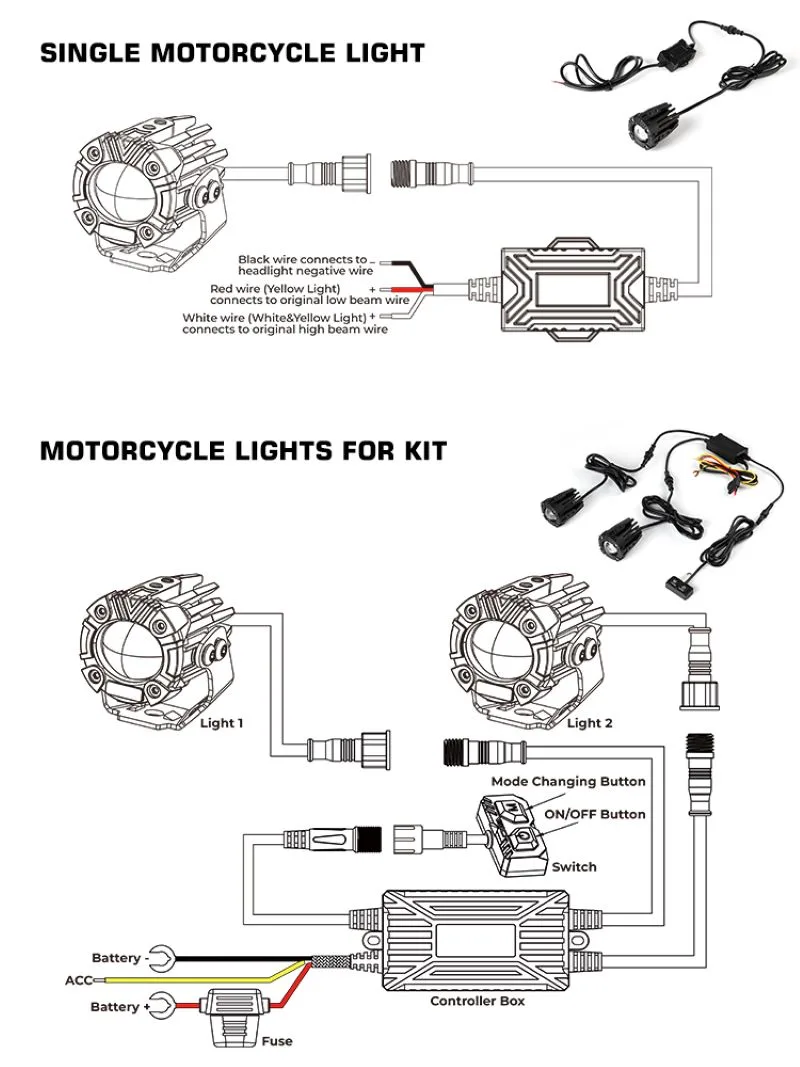
Use a wiring harness with a relay to prevent electrical overload. Poor wiring can trigger a vehicle inspection failure.
When & How to Cover or Remove Lights for Highway Driving
Non-compliant light bars must be covered or removed when on public roads. Covers should be opaque and securely fastened. Removing the bar entirely is the safest option if you frequently switch between off-road and highway use.
Common Mistakes That Get Delaware Drivers Ticketed
Leaving off-road lights uncovered on highways is the most common violation. Even if you’re not using them, uncovered non-compliant lights can still earn you a fine.
Using red or blue lights is another quick way to get pulled over. These colors are reserved for emergency vehicles, and civilian use is strictly prohibited.
Improper mounting is also a frequent issue. Lights that obstruct the driver’s view or create excessive glare are illegal, regardless of compliance stamps.
Who’s Exempt? Emergency, Work, and Special Vehicles
Emergency vehicles, including police, fire, and EMS, are exempt from most lighting restrictions. They can use red, blue, and flashing lights as part of their official duties.
Work vehicles, like construction trucks, may use amber lights under specific conditions. These are typically limited to warning lights for slow-moving or oversized vehicles.
Farm equipment and certain industrial vehicles also have exemptions. However, these are narrowly defined and don’t apply to personal vehicles.
Penalties & Fines for Non-Compliance in Delaware
Fines for illegal auxiliary lighting start at $50 and can go up to $200 for repeat offenses. The exact amount depends on the violation and the officer’s discretion.
In some cases, you may also be required to remove or modify the lighting before the vehicle can be driven again. This is more common for severe violations, like using emergency vehicle colors.
Real-World Scenarios: What’s Allowed, What’s Not
Driving to an Off-Road Park
If you’re heading to Redden State Forest, you can use your light bar off-road. The moment you hit a public highway, covers must go on or the bar must come off.
Commuting with Auxiliary Lights
Fog lights and DOT-compliant driving lights are fine for daily driving. Non-compliant light bars must stay off and covered.
Work Vehicles and Construction Zones
Amber warning lights are permitted for slow-moving work vehicles. These must be properly mounted and not confuse other drivers.
FAQs About Delaware’s Light Bar & Auxiliary Lighting Laws
Are light bars legal in Delaware?
Yes, but only if they’re DOT/SAE compliant and follow state color and placement rules. Non-compliant bars must be covered or removed on public roads.
Can I use a red light bar in Delaware?
No. Red lights are reserved for emergency vehicles. Civilian use of red lights is illegal and can result in fines.
Do I need to cover my light bar on the highway?
Yes, if it’s not DOT/SAE compliant. Covers must be opaque and securely fastened to prevent light from showing.
What’s the maximum height for a light bar in Delaware?
Delaware doesn’t specify a height limit, but lights must not blind other drivers or obstruct your view. Lower mounts are safer and less likely to cause issues.
Can I use flashing lights on my truck?
No. Flashing or oscillating lights are prohibited for civilian vehicles. This includes any light bar with strobe functions.
Final Checklist: Are Your Lights Legal in Delaware?
Check for DOT or SAE compliance stamps on your light bar. Non-compliant bars need covers for highway use.
Ensure all forward-facing lights are white or amber. Red and blue are illegal for civilian vehicles.
Mount lights where they won’t blind others or block your view.
Cover or remove off-road lights before driving on public roads.
Verify wiring and installation meet safety standards. For additional guidance on vehicle equipment regulations, refer to the Delaware DMV official site.
Check for DOT or SAE compliance stamps on your light bar. Non-compliant bars need covers for highway use.
Ensure all forward-facing lights are white or amber. Red and blue are illegal for civilian vehicles.
Mount lights where they won’t blind others or block your view.
Cover or remove off-road lights before driving on public roads.
Verify wiring and installation meet safety standards. For additional guidance on vehicle equipment regulations, refer to the Delaware DMV official site.