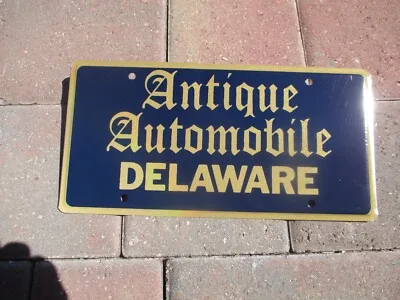
Delaware historic vehicle and antique plate eligibility and usage rules can be confusing, especially with varying age requirements and usage restrictions. The state has clear but often misunderstood guidelines for what qualifies and how these special plates can be used.
As of 2026, Delaware requires vehicles to be at least 25 years old to qualify for historic or antique plates. This means any car from 1999 or earlier meets the age threshold, but there are additional conditions to consider.
Quick Answer
Delaware historic vehicle and antique plate eligibility and usage rules apply to cars 25+ years old. Vehicles must remain in original or restored condition. Usage is limited to parades, shows, and club events.
Daily driving is not permitted.
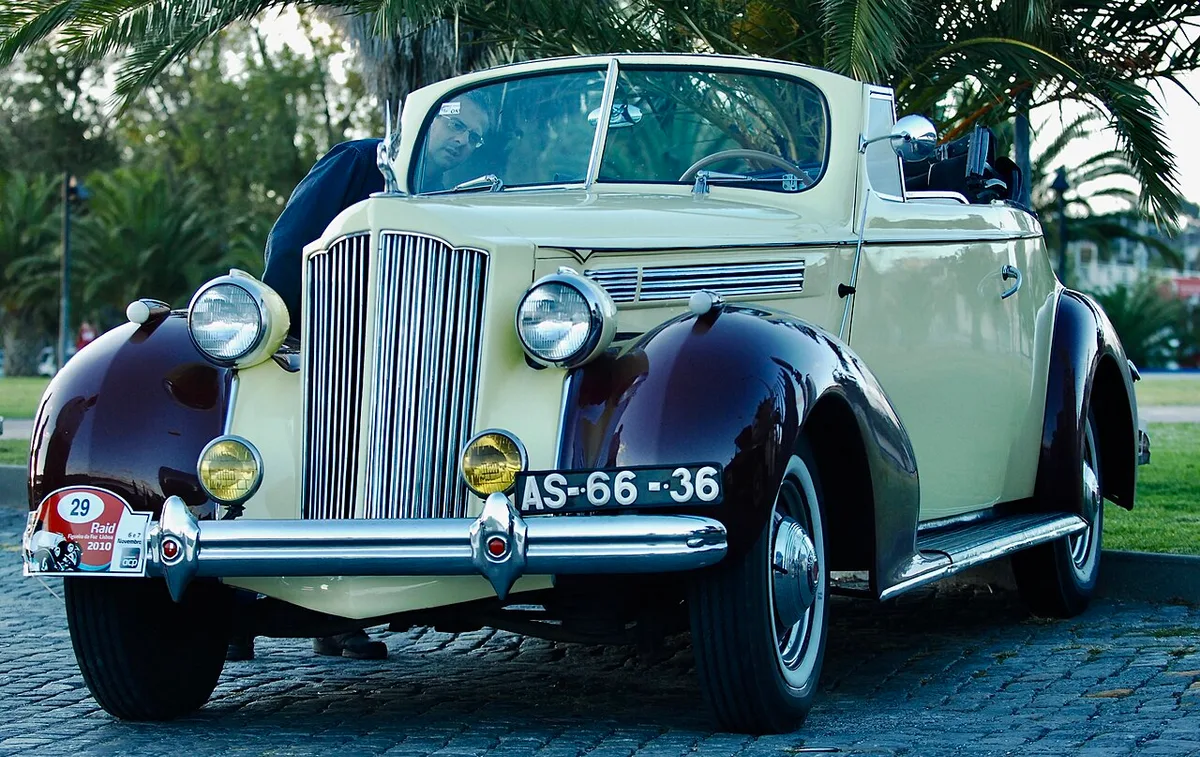
How Delaware Defines Historic vs. Antique Vehicles
Delaware treats historic and antique vehicles the same under state law. The primary difference is terminology, not function. Both categories require the same 25-year age minimum.
The state does not distinguish between "historic" and "antique" plates in terms of eligibility or usage. The Delaware Division of Motor Vehicles uses these terms interchangeably on applications and official documentation.
What matters most is the vehicle's age and condition. Modified vehicles may not qualify if changes alter the original manufacturer specifications. The DMV verifies this during the application process.
What You Can (and Can’t) Do With Historic/Antique Plates
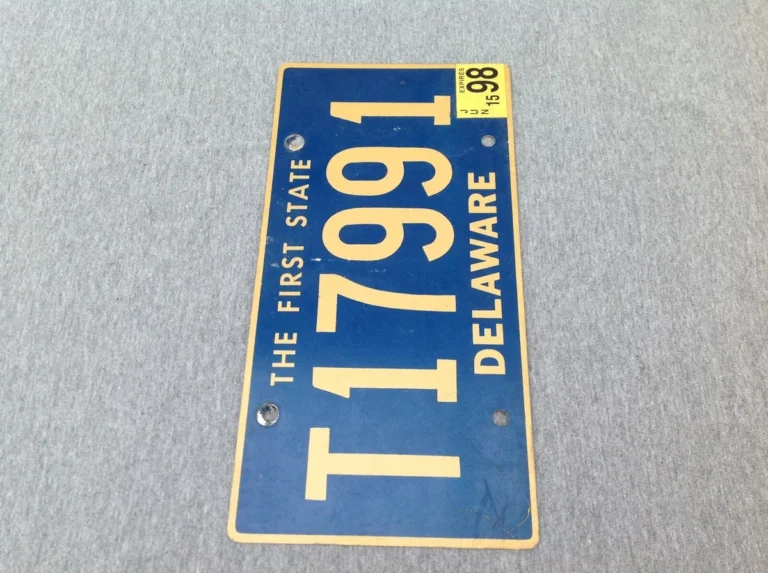
Historic and antique plates come with strict usage limitations. These plates are not for daily transportation. They are intended for occasional use, primarily for exhibitions and special events.
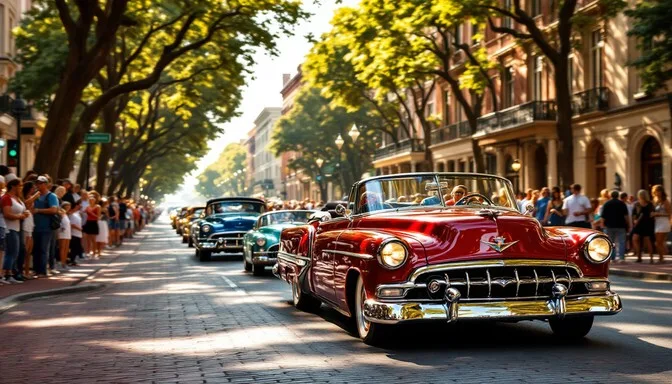
You can use your vehicle for:
- Car shows and exhibitions
- Parades and club events
- Occasional pleasure driving
You cannot use your vehicle for:
- Daily commuting
- Commercial purposes
- Regular errands or transportation
Violating these restrictions can result in fines or plate revocation. The Delaware DMV enforces these rules as outlined in Title 21 of the Delaware Code.
Step-by-Step: How to Apply for Delaware Historic or Antique Plates
Start by confirming your vehicle meets the 25-year age requirement. Check your title or manufacturer's certificate for the model year.
Gather the required documents:
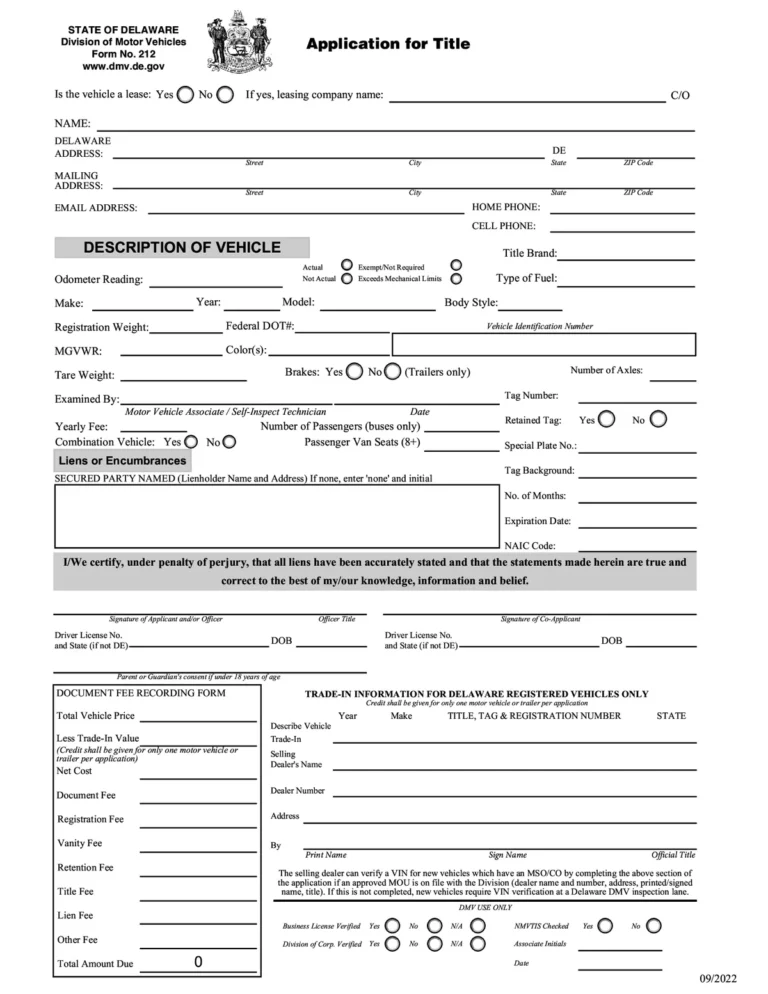
- Completed MV212 application form
- Proof of ownership (title in your name)
- Vehicle identification number verification
- Valid Delaware insurance card
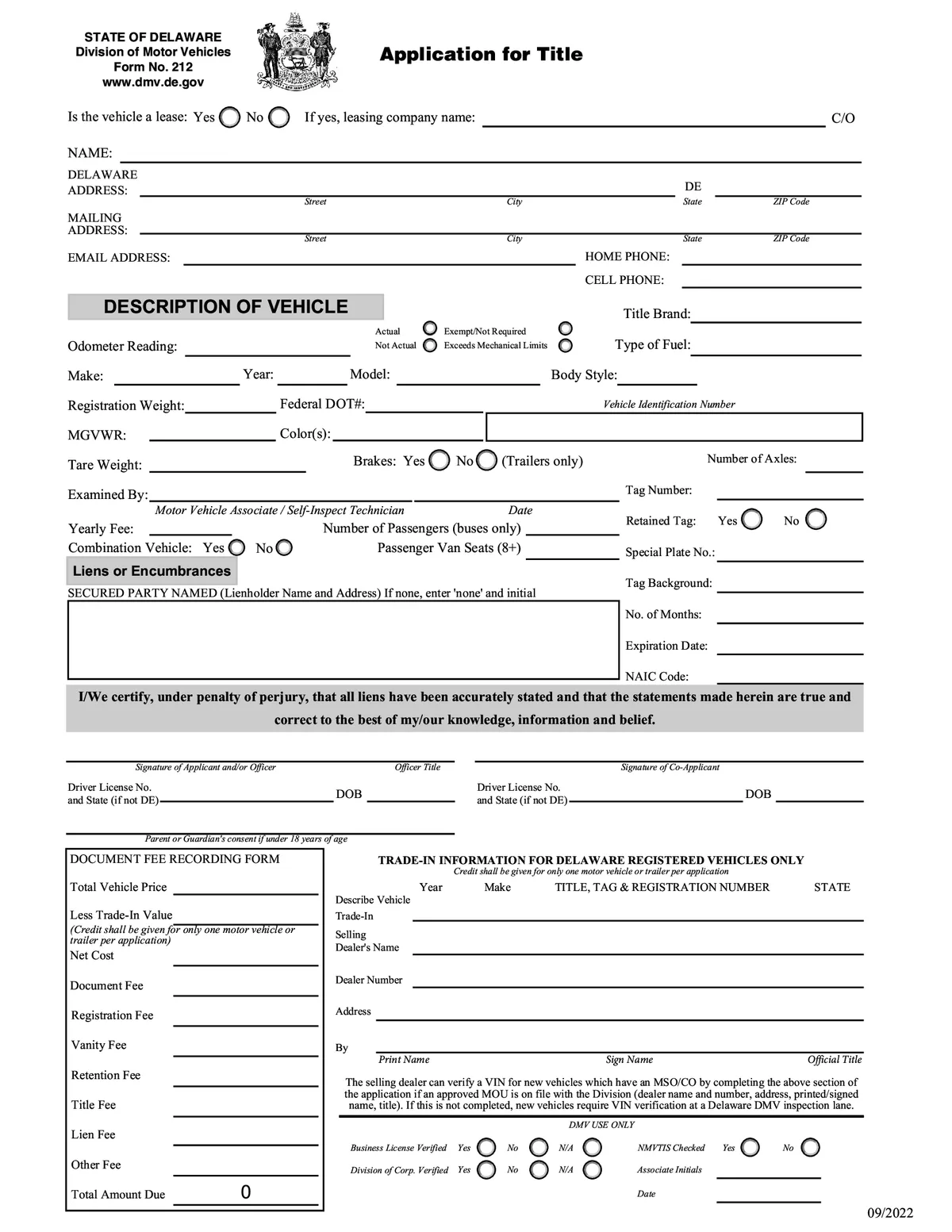
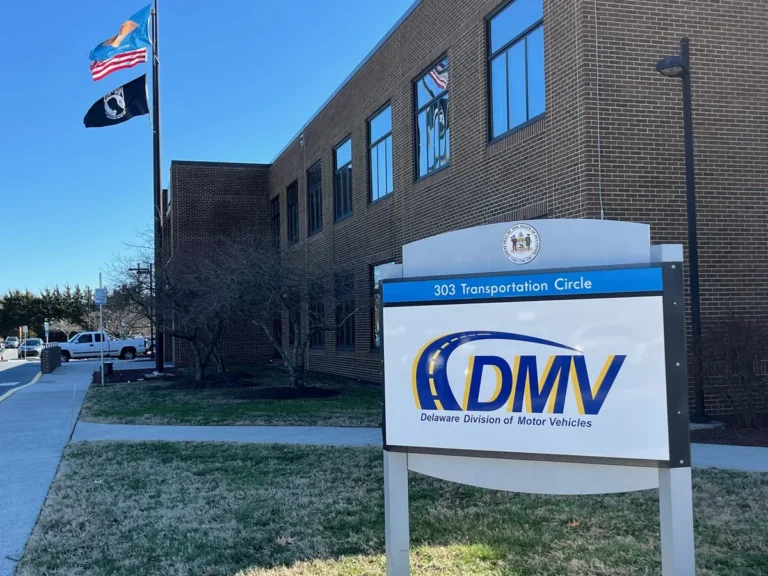
Submit your application in person at a Delaware DMV office. There are locations in Wilmington, Dover, Georgetown, and Bridgeville. Bring all documents and be prepared for a VIN inspection if this is your first time registering the vehicle.
Pay the required fees. The initial issuance fee is $25, with a $10 renewal fee every two years. These fees are current as of 2026 and may change, so check the Delaware DMV fee schedule for updates.
Costs, Fees, and Renewal Rules
The financial aspect of historic and antique plates is straightforward. Initial plate issuance costs $25. Renewals occur every two years at a cost of $10.
There are no additional fees for emissions testing. Vehicles 25 years and older are exempt from Delaware's biennial emissions testing requirement.
Renewal follows the same process as standard plates. You'll receive a notice in the mail when it's time to renew. The process can typically be completed online, by mail, or in person at a DMV office.
For comparison, neighboring states have different fee structures. Connecticut historic vehicle rules offer a different age threshold and fee system.
Common Reasons Delaware DMV Rejects Applications
The most frequent rejection comes from vehicles that don’t meet the 25-year age requirement. If your car is a 2000 model, it won’t qualify until 2026.
Modified vehicles often face rejection if changes alter the original manufacturer specifications. This includes engine swaps, body modifications, or significant aftermarket additions.
Incomplete paperwork is another common issue. Missing the MV212 form, proof of ownership, or insurance documentation will result in an automatic denial.
Insurance and Legal Requirements You Can’t Skip
Delaware requires valid insurance for historic and antique vehicles. The minimum liability coverage is 25/50/10. This means $25,000 for bodily injury per person, $50,000 per accident, and $10,000 for property damage.
Some insurers offer specialized classic car policies. These often include agreed-value coverage, which can be beneficial for rare or restored vehicles.
You must carry proof of insurance when driving your historic or antique vehicle. Failure to provide this during a traffic stop or DMV inspection can lead to penalties.
Delaware vs. Neighboring States: How the Rules Differ
Delaware’s 25-year rule is more lenient than some neighboring states. Pennsylvania requires vehicles to be at least 15 years old for historic plates. Maryland sets the threshold at 20 years.
New Jersey has a similar 25-year requirement but includes additional restrictions on usage. Their historic plates also come with a lower registration fee.
FAQs About Delaware Historic and Antique Plates
Can I drive my historic car daily in Delaware?
No. Historic and antique plates are for occasional use only.
What’s the oldest car that qualifies for historic plates in 2026?
Any vehicle from 1999 or earlier meets the 25-year age requirement.
Do I need emissions testing for a historic vehicle?
No. Vehicles 25 years and older are exempt from Delaware’s biennial emissions testing.
Can I transfer my antique plates to another vehicle?
No. Antique plates are non-transferable between vehicles.
Are there any special events where I can use my historic vehicle?
Yes. Car shows, parades, and club events are the primary intended uses.
Final Checklist: Are You Ready to Apply?
Confirm your vehicle is at least 25 years old. Check the model year on your title or manufacturer’s certificate.
Gather all required documents. This includes the MV212 form, proof of ownership, VIN verification, and insurance card.
Ensure your vehicle is in original or restored condition. Major modifications can disqualify it.
Visit a Delaware DMV office to submit your application. Be prepared for a VIN inspection if this is your first time registering the vehicle.
Pay the $25 initial fee and plan for the $10 renewal every two years. Keep your insurance current and carry proof at all times.
Confirm your vehicle is at least 25 years old. Check the model year on your title or manufacturer’s certificate.
Gather all required documents. This includes the MV212 form, proof of ownership, VIN verification, and insurance card.
Ensure your vehicle is in original or restored condition. Major modifications can disqualify it.
Visit a Delaware DMV office to submit your application. Be prepared for a VIN inspection if this is your first time registering the vehicle.
Pay the $25 initial fee and plan for the $10 renewal every two years. Keep your insurance current and carry proof at all times.