Delaware blue and red light prohibition for private motor vehicles is a strict rule with no gray area. The state bans these colors on non-emergency vehicles to prevent confusion with police, fire, and EMS. This applies to all private cars, trucks, and motorcycles unless you meet very specific exemptions.
Per Delaware Code Title 21, even a single blue or red light visible from the front can trigger a citation. The law exists to keep roads safe and emergency signals unambiguous.
Quick Answer
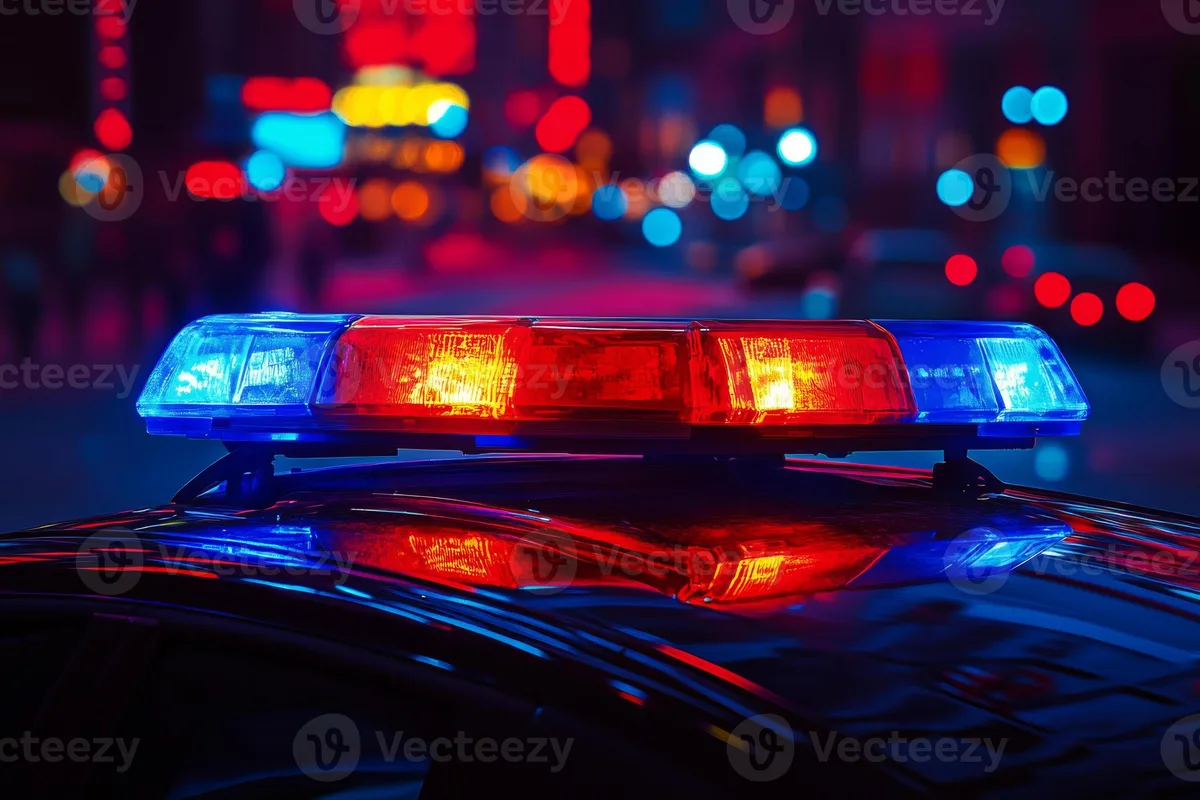
Delaware prohibits blue and red lights on private motor vehicles. Only authorized emergency and volunteer responder vehicles may use them. Front-facing red lights are always illegal for private use.
Rear red lights are permitted only if they meet standard tail light requirements.
Is It Legal to Have Blue or Red Lights on a Private Car in Delaware?
No. Delaware law explicitly prohibits blue and red lights on private vehicles, with limited exceptions. This includes aftermarket LED strips, underglow, or any modification that emits these colors.

The restriction covers all visible light sources, not just headlights or taillights. Even interior lighting that shines blue or red outward can violate the statute. Enforcement focuses on visibility to other drivers, so internal lighting that doesn’t project externally may be overlooked.
Why Delaware Bans Blue and Red Lights for Private Vehicles
The primary reason is public safety. Blue and red lights are reserved for emergency vehicles to ensure immediate recognition. When private cars use these colors, it creates dangerous ambiguity on the road.
This aligns with national standards, as the National Highway Traffic Safety Administration emphasizes clear visual signals for emergency responders. Delaware’s approach removes any doubt about which vehicles have priority.
The ban also prevents misuse. Without strict rules, drivers might use blue or red lights to mimic authority or gain unfair advantages in traffic.
Who’s Allowed to Use Blue or Red Lights in Delaware
Only authorized emergency vehicles can legally display blue and red lights. This includes:
- Police cars and state troopers
- Fire trucks and rescue vehicles
- Ambulances and EMS units
- Tow trucks responding to emergencies (with proper permits)
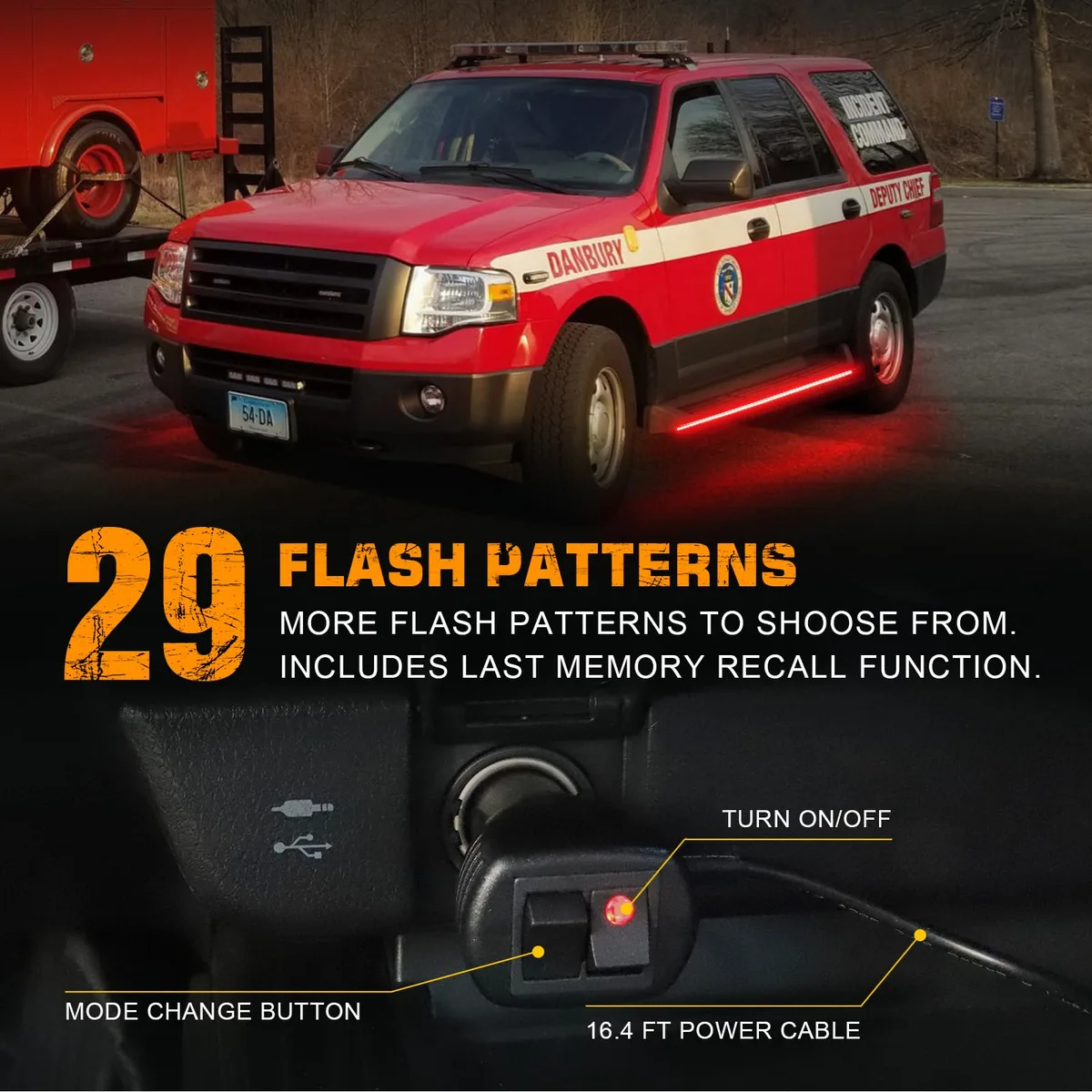
Volunteer firefighters and EMTs may also use these lights, but only when actively responding to calls. They must carry proper identification and follow Delaware Division of Motor Vehicles guidelines.
Private security vehicles, even those patrolling gated communities, do not qualify for exemptions. The law makes no provisions for non-governmental emergency services.
The Exact Legal Exceptions (And How to Qualify)
Delaware Code Title 21, § 4313 outlines the precise exceptions. To qualify, a vehicle must be:
- Owned or operated by a government agency
- Designated as an emergency vehicle by the state
- Equipped with lights that meet state specifications
Volunteer responders must register their vehicles with the Delaware State Fire Prevention Commission. They’ll receive a permit that authorizes the use of blue and red lights during active duty.
No private citizen can obtain a permit for personal use. The process is reserved for official emergency personnel only.
Where on Your Car the Rules Change (Front vs. Rear vs. Interior)
Front-facing blue or red lights are always illegal on private vehicles. This includes headlights, fog lights, or any aftermarket additions. The law treats these as emergency signals, which only authorized vehicles may use.
Rear red lights follow different rules. Standard tail lights and brake lights are permitted, as they’re required for safety. However, any additional red lighting that mimics emergency vehicles is prohibited.
Interior lighting is a grayer area. If blue or red lights are visible from outside the car, they likely violate the statute. This often catches drivers with custom interior LED setups.
What Happens If You Break the Law (Fines, Citations, Fixes)
Violating Delaware’s lighting laws typically results in a traffic citation. Fines start around $100 but can increase for repeat offenses. The exact amount depends on the court handling the case.
You’ll also need to remove or disable the non-compliant lights. Law enforcement may require immediate correction before allowing you to drive away. Some officers may issue a fix-it ticket, giving you a short window to comply.
Persistent violations can lead to higher penalties. In extreme cases, your vehicle could be impounded until the issue is resolved.
Common Mistakes That Get Delaware Drivers in Trouble
Many drivers assume underglow kits are legal if they’re not blue or red. However, some colors like green or purple may still violate local ordinances. Always check Delaware’s specific regulations.
Another common error is using red or blue lights for aesthetic purposes. Even if they’re not flashing, these colors are reserved for emergency use. The law doesn’t distinguish between steady and flashing lights.
Some drivers believe volunteer responder permits apply to personal vehicles. These permits are strictly for official emergency response, not daily driving.
How to Check If Your Lights Are Legal (Step-by-Step)
First, inspect all exterior lights on your vehicle. Note any blue or red lighting, regardless of position or function.
Next, verify the purpose of each light. Standard tail lights and brake lights are legal. Any additional red lighting is likely prohibited.
For interior lights, check visibility from outside the car. If blue or red light is visible through windows, it’s probably illegal.
When in doubt, consult the Delaware Division of Motor Vehicles. They can provide official guidance on specific setups.
Delaware vs. Neighboring States: How the Laws Differ
Pennsylvania allows red rear lights but bans blue for private vehicles. Their rules are similar to Delaware’s but with slightly more flexibility for certain colors.
New Jersey takes a stricter approach. They prohibit all colored lights except white and amber for private vehicles. This includes underglow and interior lighting.
Maryland’s laws are closest to Delaware’s. They also reserve blue and red for emergency vehicles only. However, their enforcement may vary by county.
FAQs About Delaware’s Blue and Red Light Prohibition
Can I use blue or red lights if they’re not flashing?
No. Delaware prohibits these colors regardless of whether they flash or stay steady. The law focuses on the color itself, not the lighting pattern.
Are underglow kits legal if they’re not blue or red?
Not always. Some colors may still violate local ordinances. Delaware restricts certain colors to emergency vehicles only.
What about interior LED strips that are blue or red?
If they’re visible from outside the vehicle, they’re likely illegal. The law considers any externally visible blue or red light as a potential violation.
Do the rules apply to motorcycles?
Yes. The same restrictions cover all private motor vehicles, including motorcycles. No exceptions exist for two-wheeled vehicles.
Can I get a permit to use blue or red lights on my personal car?
No. Permits are reserved for official emergency vehicles and volunteer responders. Private citizens cannot obtain exemptions for personal use.
What should I do if I already have blue or red lights installed?
Remove or disable them immediately. Continuing to use them risks citations and potential vehicle impoundment. Check with the Delaware DMV for compliance guidance.