ByMax Lee
Guide to Do White Cars Get Dirty Easily: Complete Guide
So, you're wondering do white cars get dirty easily? It's one of those questions that seems simple until you actually own a white car and realize the answer isn't a straight yes or no. The truth is, white paint handles dirt differently than other colors, it hides some types surprisingly well but makes others stand out like a sore thumb.
Understanding that difference is the key to knowing what you're really signing up for.
Per the SAE J1545 standard for color measurement, white paint reflects roughly 80-90% of visible light. That high reflectance is why it masks fine dust and pollen better than dark colors. But it's also why water spots and mud become so obvious.
Let's dig into what that means for your daily driving and your wash routine.
Quick Answer
White cars do not get dirtier faster than other colors. They just show certain types of dirt more clearly while hiding others. Light dust and pollen are less visible on white.
Mud, road grime, water spots, and bird droppings are more visible. Overall, white is a middle-of-the-road choice. Silver and light gray hide dirt best.
Black shows everything.
Why This Confuses Everyone
The confusion comes from two conflicting experiences. You park your white car next to a black one after a week with no rain. The black car looks dusty and dull.
Your white car still looks reasonably clean. That's real. But then you drive down a muddy road, and suddenly your white car looks like it went through a swamp while the silver SUV next to you barely looks dirty.
It's all about contrast. White creates a high-contrast background for dark, wet dirt. But it creates a low-contrast background for light, dry dust.
That's why the same car can look pristine in the desert and filthy in the rain.
This is also why many people think white cars are low maintenance. They see the white cars in parking lots that look clean from 20 feet away. Up close, those same cars often have water spotting, bug splatter, and fine grime that disappears at a distance.
The science backs this up. Our eyes perceive brightness differences more than color differences. A speck of dark mud on white paint has a high brightness contrast.
That same mud on gray paint has a much lower contrast. Simple physics, but it changes your whole experience.
How Different Types of Dirt Show Up on White
Let's break down the most common offenders so you know what to expect.
Light Dust and Pollen
This is white paint's best friend. Fine, light-colored dust and yellow pollen blend into the brightness of the paint. You can go a week or two without noticing it from a few feet away.
If you live in a dry, dusty area like Arizona or Nevada, white is actually a smart choice. The fine dust that coats everything barely registers on white.
Mud, Road Grime, and Slush
Here's where white struggles. Wet, dark mud or slush creates maximum contrast. A single drive on a dirt road after rain and your white car looks like a mess.
The same applies to winter road salt mixed with slush. It sticks to lower panels and splashes up on doors. On white, it's glaring.
Water Spots and Mineral Deposits
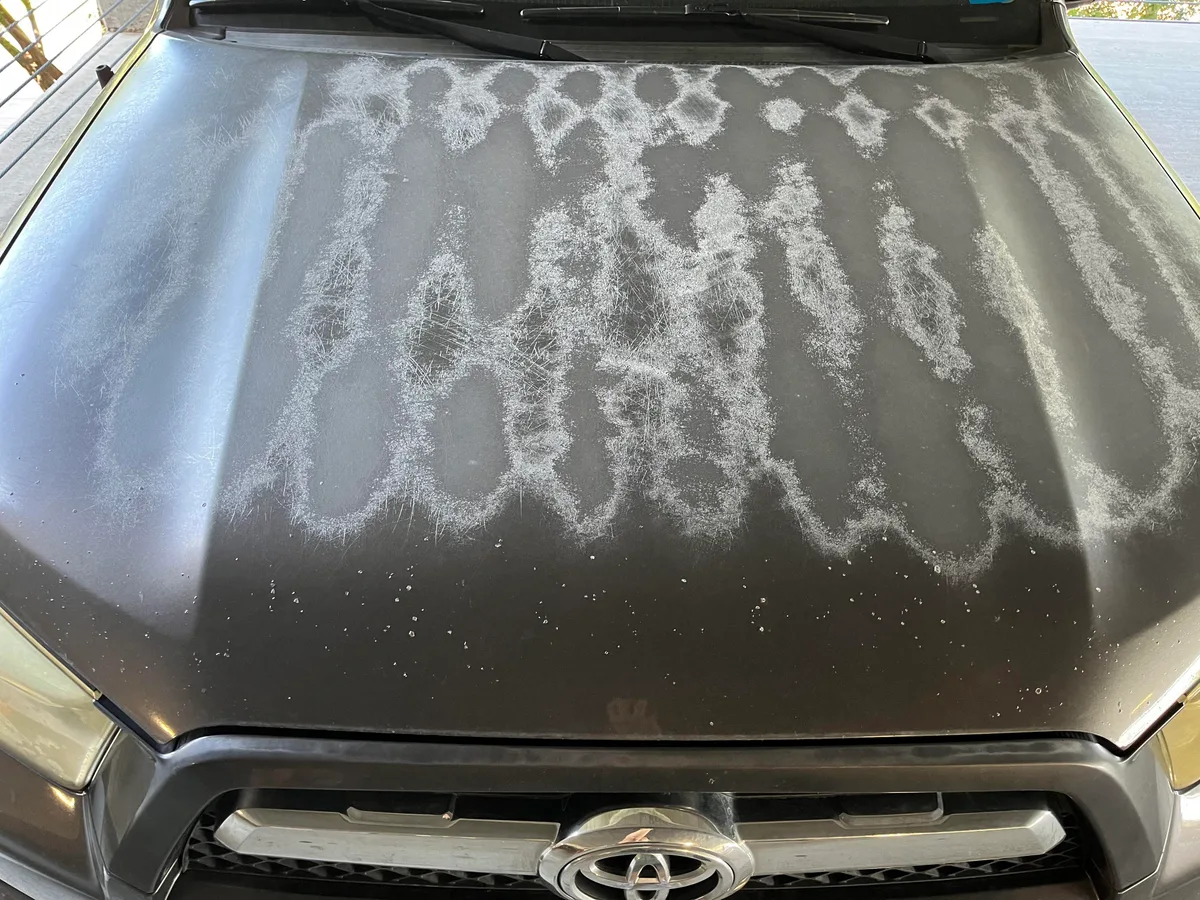
This is the biggest pain point for white car owners. Hard water leaves calcium and mineral deposits when it dries. On dark cars, you might not notice them until the sun hits just right.
On white, they form a cloudy, white film that's immediately visible. This is especially bad in areas with hard tap water. Many white car owners end up using a dedicated water spot remover like the one we cover at Best Hard Water Spot Remover For Cars to keep the paint clean.
Bird Droppings, Tree Sap, and Bug Splatter
These are high-contrast nightmares on white. Bird droppings are dark and acidic. Tree sap is often amber or dark.
Bug splatter is brown or black. All of them stand out sharply. Worse, they can damage the clear coat if left on too long.
For sap, you'll want a dedicated solution like the options reviewed at Best Sap Remover For Cars.
Brake Dust and Tar
Brake dust from your pads settles on lower doors and rear bumpers. It's dark and metallic. On white, it creates a visible line.
Tar from fresh asphalt or road construction is another dark spot that jumps out. Our guide at Best Tar Remover For White Cars covers how to handle that effectively.
Swirl Marks and Micro-Scratches
Here's a win for white. Fine swirl marks from improper washing are much less visible on white paint than on dark colors. Black or dark blue cars show every single swirl in direct sunlight.
White paint diffuses light and hides them. So if you're someone who doesn't obsess over paint perfection, white can save you stress.
The Honest Pros and Cons of White Paint for Cleanliness
Let's lay it out clearly.
| Pros | Cons |
|---|---|
| Hides light dust, pollen, and fine dirt well | Mud, road grime, and slush show up strongly |
| Water spots are less obvious than on black (but still visible) | Hard water spots form a cloudy film that's obvious |
| Minor scratches and swirl marks hide better | Touch-up paint is notoriously hard to match |
| Reflects heat, keeps interior cooler | Yellows over time with UV exposure |
| Looks "okay" longer between washes if dust is the main contaminant | Needs more aggressive decontamination for embedded dirt |
| Lower contrast winter salt residue is less noticeable | Bird droppings and sap are high contrast and damage paint faster if left |
The biggest takeaway? White is a compromise. It's not the best dirt-hider overall (silver and light gray take that crown), but it's far from the worst.
It all depends on your local climate and driving conditions.
How White Compares to Other Car Colors
To really understand where white falls, look at the full spectrum.
Silver and Light Gray, These are the champions. They hide almost everything. Light dust, dark mud, water spots, scratches, all mid-tone.
If your only goal is low-maintenance cleanliness, silver is the answer.
White vs. Black, Black is the worst. It shows dust, scratches, water spots, and every imperfection.
White is significantly better on pollen and swirl marks but worse on dark mud and bug splatter. Most people would rather own white than black in terms of perceived cleanliness.
White vs. Dark Blue or Red, Mid-tone blues and reds hide dirt better than white. They have enough color saturation to mask light and dark contaminants.
But they show swirl marks more than white.
White vs. Beige or Cream, Similar performance to white. Beige may hide water spots slightly better because it's not as bright.
Quick guide to "days looking clean between washes" based on aggregate owner feedback:
| Color | Typical days looking clean | Best for |
|---|---|---|
| Silver / Light Gray | 10–14 | General low-maintenance |
| White | 7–10 | Hot climates, light dust |
| Beige / Cream | 7–10 | Water spot areas |
| Medium Blue / Red | 5–7 | Balanced appearance |
| Black / Dark Navy | 2–4 | If you wash weekly |
If you live in a place with heavy pollen, white wins. If you drive muddy back roads, silver wins. If you park under trees, no color is safe, you'll need regular bug and tar remover like the ones at Best Bug And Tar Remover For Vehicles.
White also has a practical advantage: heat reflection. A white car can stay 20-30°F cooler inside than a black one on a sunny day. That means less AC strain and less interior fading.
For many owners, that trade-off is worth a little extra attention to mud and water spots.
Who Should Choose a White Car – and Who Shouldn't
White works best in specific conditions. If you live in a hot, sunny climate like the Southwest or Australia, white reflects heat and keeps your car cooler. That's a real benefit.
It also handles fine desert dust better than dark colors. If you park outdoors in full sun, white hides light pollen and dust surprisingly well between washes.
But white is a poor choice if you drive on unpaved roads regularly. Mud and clay stick to the lower panels and become highly visible. If you park under trees, bird droppings and sap create an immediate eyesore.
White also frustrates perfectionists. Water spots and hard water etching show faster than on silver or gray.
Who it's best for:
- Daily commuters in dry, dusty climates
- People who wash their car once every 1-2 weeks
- Owners who prioritize heat reflection over daily cleanliness
- Fleet managers who want lower perceived dirtiness at a distance
Who should think twice:
- Off-road enthusiasts or rural drivers
- Owners in areas with hard tap water who dislike water spots
- Anyone obsessed with swirl-free, perfect paint (though scratches hide better, water spots and tar will bother you)
- People who want the absolute lowest maintenance color (choose silver instead)
If you do buy white and plan to keep it long term, be ready for occasional deeper cleaning. Tar and bug residue need targeted removers. The products reviewed at Best Bug And Tar Remover Spray For Cars can help keep white looking fresh between hand washes.
The Two Things That Trip Up White Car Owners
Most white car owners run into two common frustrations. Knowing them upfront saves you time and money.
1. Assuming white hides everything.
After a few days with light dust, you think your white car is a miracle. Then it rains. Or you drive through construction.
Suddenly you realize white only hides one type of dirt well. The moment you hit wet roads, everything changes. Manage your expectations. While keeping your car clean is important, there is such a thing as overdoing it — read our guide on whether washing your car too much can damage the paint to find the right balance.
White is not a magic color. It's a specific tool for specific conditions.
2. Using the wrong wash products.
White paint shows residue from improper drying and poor soap choices. Many owners use dish soap or cheap car soap that leaves a film. That film looks cloudy on white.
You also need a good drying towel to prevent water spots. A dedicated drying aid or ceramic spray wax helps. For stuck-on contaminants like tree sap or tar, standard car soap won't cut it.
A targeted Best Glue Remover For Cars can help with adhesive residues that show on white.
Another trap: using a single bucket and sponge. That drags dirt across the paint and creates fine scratches. White hides those scratches better than dark colors, but the damage is still there.
A two-bucket wash method with a grit guard is a simple fix.
Real Owner Scenarios: What White Looks Like in Different Climates
Let's look at how white performs in real environments. Aggregate feedback from owners in different regions tells a clear story.
Desert Southwest (Arizona, Nevada)
Fine dust and dry conditions. White looks clean for 7-10 days. The light dust blends into the paint.
Occasional rain creates mud streaks that stand out, but rain is rare. Overall, white is a strong choice here. Owners report being happy with the reduced wash frequency.
Snowy Northeast (New York, Michigan)
Road salt and slush are the enemy. Salt creates a white-gray film that actually blends into white paint from a distance. But wet slush and mud splashes create dark lines.
Brake dust on lower panels also shows quickly. Owners here wash more often in winter, but the car doesn't look as bad as a black car would.
Humid Coastal (Florida, Gulf Coast)
Hard water and salt spray cause water spots quickly. White paint shows chalky mineral deposits after just a few days. Rain rinses dust but leaves spots.
Owners in these areas often use a water softener for rinsing or apply a ceramic coating to reduce spotting.
Agricultural Midwest (Iowa, Nebraska)
Spring pollen is heavy and yellow. On white, it's actually less visible than on dark colors. But summer dust and mud from farm roads create contrast.
Owners find white works well in spring but requires more attention during harvest season.
Urban Environments (City parking, construction zones)
Brake dust, industrial fallout, and road tar are constant. White shows tar spots clearly. Owners in cities often use a dedicated Best Tar Remover For Car every few months to keep lower panels clean.
A good sealant helps prevent contaminants from bonding.
Expert Maintenance Tips for Keeping White Looking Clean
You don't need to wash your white car daily. You just need the right approach. Here's what our research and verified owner feedback recommend.
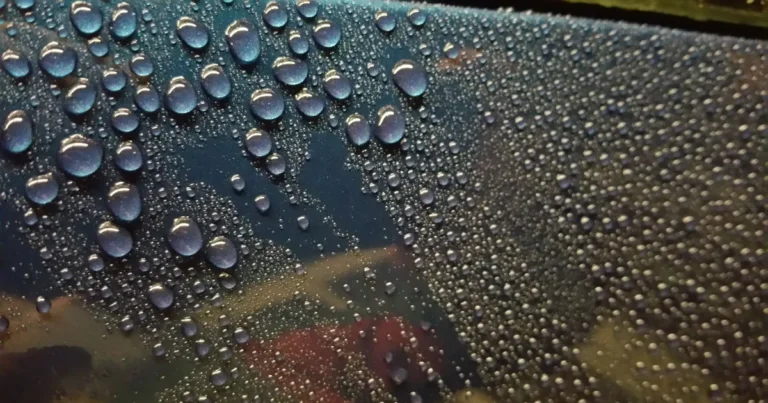
Use a ceramic coating or paint sealant. This creates a hydrophobic surface that repels water and dirt. Water beads and runs off, taking dust with it. It also makes water spots less likely to bond to the paint.
Many owners apply a spray-on ceramic topper after every wash.
Dry your car thoroughly. Air drying leaves mineral deposits. Use a clean microfiber drying towel and pat the surface dry. In hard water areas, use a filtered or distilled water rinse for the final step.
This alone cuts water spots by 80%.
Wash with a pH-neutral soap. Harsh detergents strip wax and leave a film. A dedicated car shampoo with lubricants lifts dirt without scratching. Follow the two-bucket method.
If you're new to it, the guide at How Does A Foaming Sprayer Work explains how to apply foam evenly for a gentler wash.
Address contaminants immediately. Bird droppings and tree sap are acidic. They etch clear coat within hours. Keep a quick detailer spray and a microfiber cloth in your trunk.
Wipe off fresh droppings as soon as you spot them. For sap, use a dedicated remover like those at Best Pine Tar Remover For Cars.
Wax or seal every 3-4 months. White paint needs UV protection to prevent yellowing. A good carnauba wax or synthetic sealant blocks UV rays and fills minor swirls. Apply after every wash session.
This also makes future washes easier because dirt doesn't bond as strongly.
Consider a clay bar treatment twice a year. White paint shows embedded contaminants as rough spots. A clay bar removes industrial fallout, overspray, and bonded dirt. Finish with a wax or sealant.
This keeps the paint smooth and bright.
Frequently Asked Questions
Does white get dirtier than other colors?
No. All cars get equally dirty. White just makes certain dirt more visible and other dirt less visible.
The actual amount of dirt is the same regardless of paint color.
Will I wash my white car less than a black one?
In most cases, yes. White hides light dust and pollen so well that you can go longer between washes before the car looks dirty. Black shows every speck within a day or two.
Owners typically wash black cars twice as often to keep them looking presentable.
How do I prevent water spots on a white car?
Dry the car immediately after washing. Use a microfiber drying towel. In areas with hard water, use a spot-free rinse system or distilled water for the final rinse.
A ceramic coating also helps water bead off before it dries into spots.
Is pearl white worse than solid white for showing dirt?
Pearl white has metallic flakes that add depth. This can make light dirt slightly less noticeable because the flakes scatter light. But both types show dark mud, tar, and water spots similarly.
The difference is minimal in practice.
Should I buy a white car if I'm lazy about washing?
If you live in a dry, dusty area, yes. If you live in a rainy or muddy area, choose silver or light gray instead. White is middle of the pack.
It forgives light dust but punishes mud and water spots.
Bottom Line: Should You Buy a White Car Based on Dirt Factor?
White is a solid middle-ground choice. It hides light dust and pollen well, but it shows mud, water spots, and dark grime clearly. If you live in a dry climate and wash every week or two, white works great.
If you drive muddy roads or obsess over water spots, choose silver or light gray instead.
The real question is about your tolerance. White makes some dirt invisible and other dirt obvious. That trade-off is worth it for many owners.
The heat reflection alone saves fuel and keeps the interior cooler. As of 2026, white remains one of the most popular car colors worldwide for good reason.
Just go in with your eyes open. Keep a quick detailer in the trunk. Address bird droppings and sap fast.
Use a ceramic coating to repel water spots. And remember that from twenty feet away, a white car always looks cleaner than it really is. That's the real secret.