ByMax Lee
Guide to Is Diswhasing Good for Cars 2026
So you're standing in the driveway, looking at a car that's covered in road grime, tree sap, or just a dull layer of old wax. You check the garage, no car shampoo, just that half-full bottle of dish soap under the sink. Is dishwashing good for cars?
It's a fair question, and the short answer depends entirely on what you're trying to do.
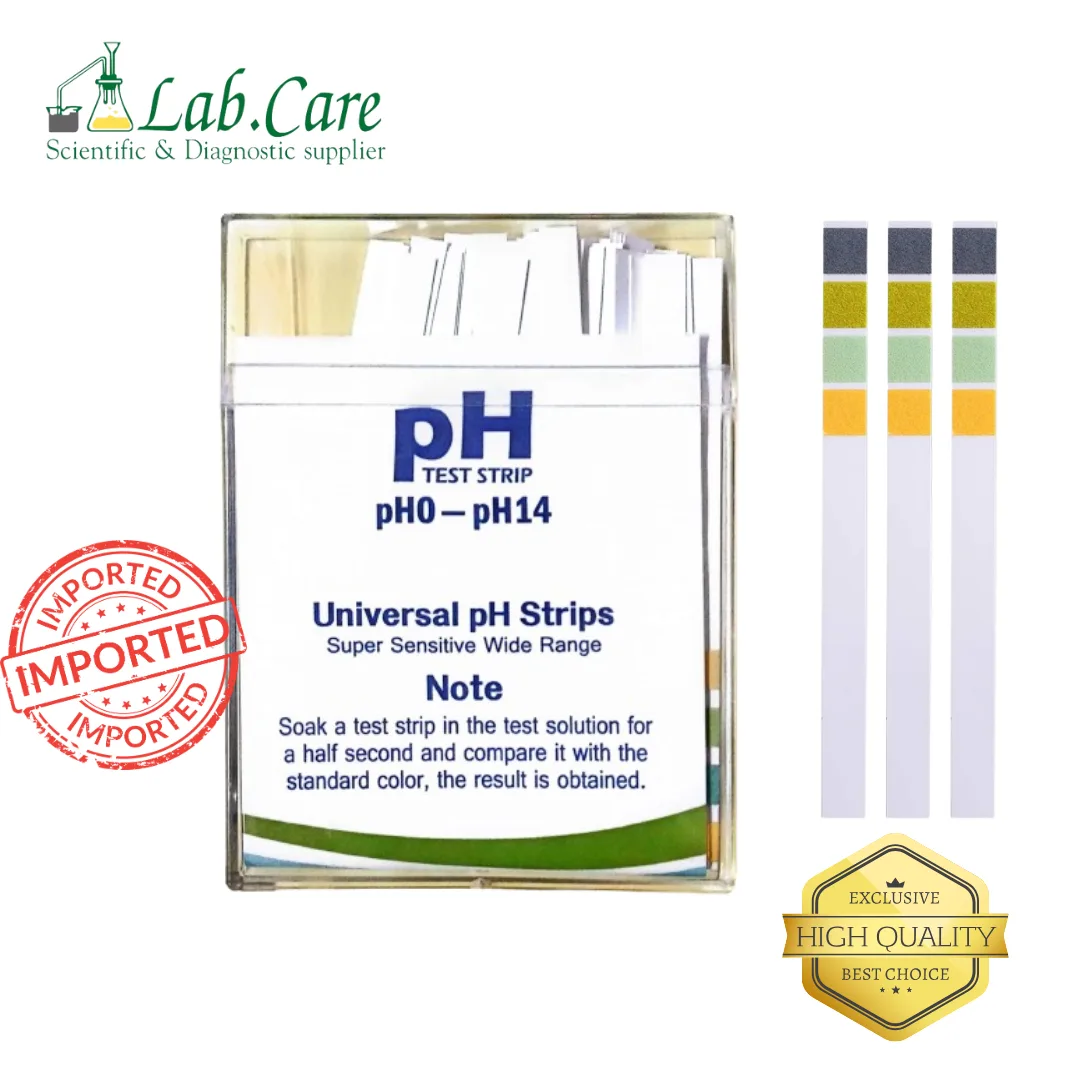
Manufacturer specifications indicate that dish soap has a pH level between 9 and 10, while dedicated car shampoos sit around 7, neutral. That alkalinity is exactly what makes dish soap a powerful cleaner, and also what makes it risky if you use it wrong. Let's work through when it helps, when it hurts, and how to decide before you pick up that bottle.
Bing (Web (fair-use with source credit))
The Real Problem: Why You're Even Considering Dish Soap
Chances are, you're considering dish soap for one of three reasons. Either your car's paint feels rough and you think a stronger cleaner will fix it, you're about to apply a fresh coat of wax or ceramic coating and need to strip the old layer, or you simply ran out of car shampoo and don't want to make a special trip.
The first reason is the most common and the most dangerous. Rough paint is usually embedded contamination, tree sap, road tar, or bonded fallout, not something dish soap can dissolve. According to automotive paint repair manuals from major OEMs (like Ford and Toyota), using alkaline soaps repeatedly can accelerate clear coat wear.
If your paint feels like sandpaper, you need a dedicated best grime remover for car paint or a clay bar, not a stronger wash.
Bing (Web (fair-use with source credit))
Quick Answer / The Two-Second Rule
No, dish soap is not good for regular car washing. It strips wax quickly. It dries out rubber seals.
It can dull clear coat over time. Use it only when you want to remove old wax or heavy grease. Otherwise, stick with pH-neutral car shampoo.
Core Explanation: What Dish Soap Actually Does to Car Paint
Dish soap works by breaking down oils and grease. That's what makes it great for dirty pans, and terrible for paint protection. The surfactants in dish soap are designed to emulsify fats and lift them away with water.
On a car, those fats include the wax or sealant you spent money and time applying.
Here's what happens chemically. Most car waxes and synthetic sealants rely on a molecular bond to the clear coat. Dish soap's high pH (9, 10) breaks that bond in minutes.
The same alkalinity also pulls out natural oils from rubber and plastic trim, leaving them dry and prone to cracking. Over several washes, it can also gradually thin the clear coat, not dramatically per wash, but the wear adds up.
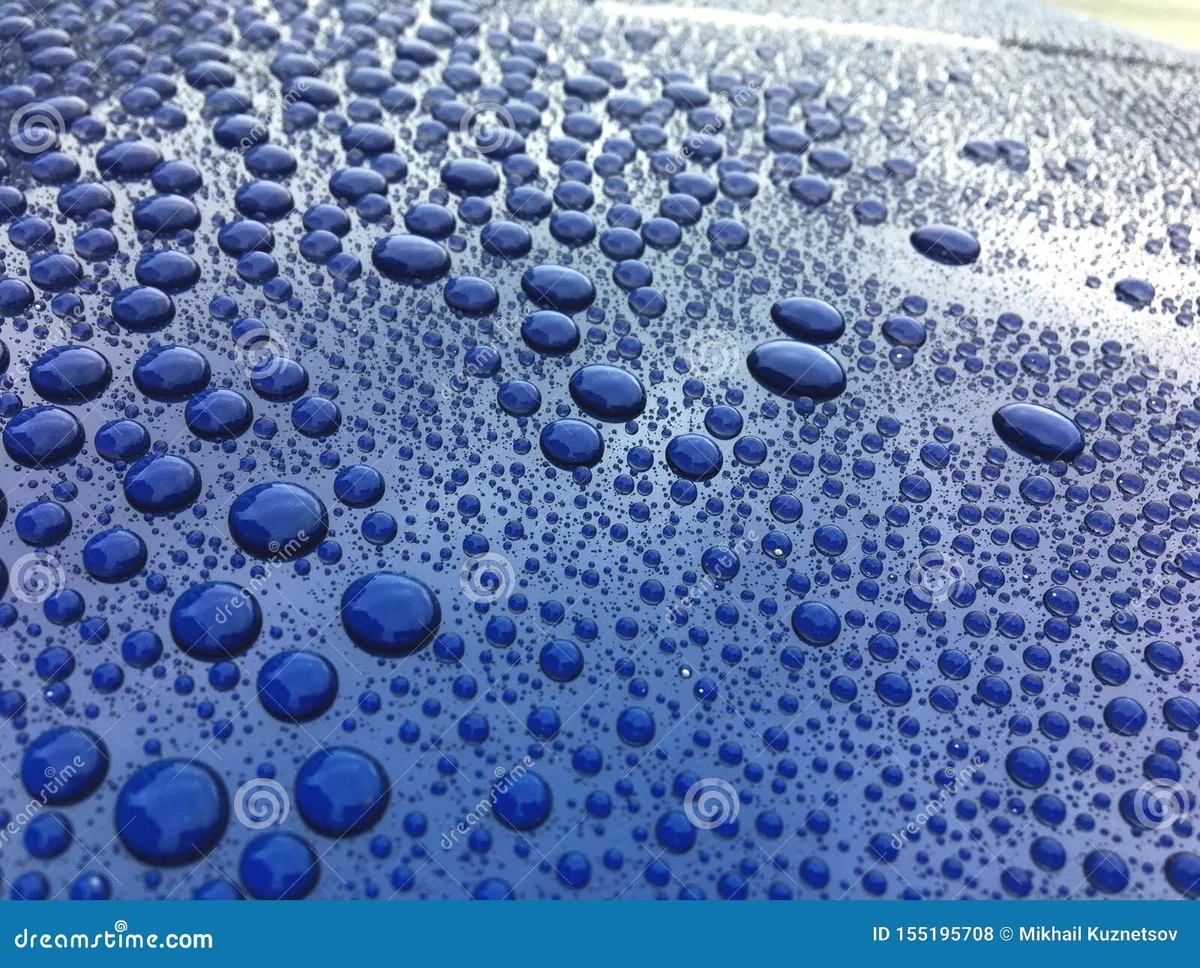
How long until it matters? Aggregate user feedback and detailer reports suggest that using dish soap every two to four weeks can noticeably dull a car's finish within six months. The clear coat becomes less reflective, water beads differently, and you'll likely need a polish or compound to bring the shine back. That's why professional detailers treat dish soap as a stripping tool, not a maintenance wash, a nuance that often gets lost in generic advice.
If you want a gentler foam pre-wash, check out our guide on how does a foaming sprayer work for the right setup.
Decision Tree / Your Situation → Right Move
The right answer changes based on your goal. Here's a simple decision tree to walk through.
You just want a clean car (maintenance wash).
Use pH-neutral car soap. Dish soap will strip your wax and leave the paint unprotected. This is the most common situation and the one where dish soap is a bad idea.You're prepping for new wax, sealant, or ceramic coating.
Dish soap is the cheapest wax stripper available. Use it once, then apply your new protection within 24, 48 hours. This is the one scenario where dish soap is the right tool.You have heavy grease, tree sap, or road tar on the paint.
Yes, but only as a spot treatment. Apply diluted dish soap directly to the stuck-on grime, let it sit 30 seconds, then rinse. Don't wash the whole car with it.
For heavy sap, use a dedicated best sap remover for cars or tar remover instead, they work better and don't affect your wax.
- Your car has a ceramic coating.
Avoid dish soap. It can slowly degrade SiO₂ bonds. Use a ceramic-safe shampoo that's pH neutral.
Dish soap will shorten the life of your coating.
- You have matte paint, fresh paint (<30 days), or old single-stage paint.
Hard no. Dish soap can permanently flatten matte finishes, interfere with fresh paint curing, or strip the thin clear coat on older cars. Use only a dedicated matte car soap.
Step-by-Step Process: How to Strip Wax with Dish Soap (If You Decide To)
If you've decided to strip old wax (branch B above), here's how to do it safely. This process works for any liquid dish soap, brand doesn't matter much. Dawn, Fairy, Sunlight, or generic store brand all have similar stripping power.
Bing (Web (fair-use with source credit))
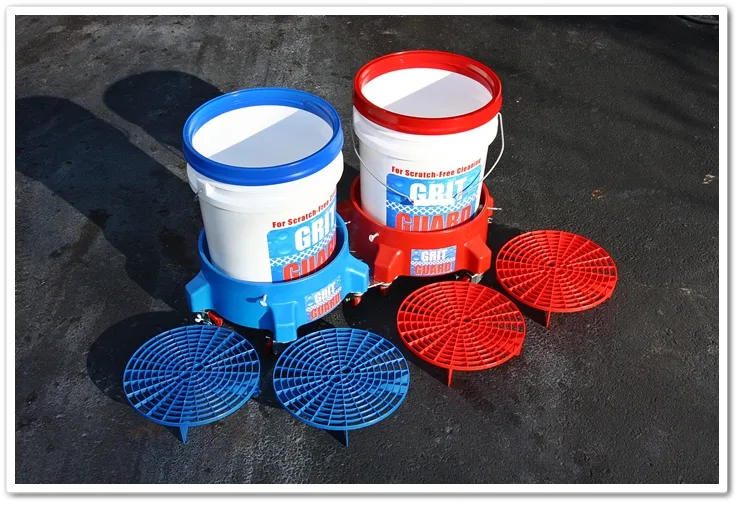
Gather supplies. You'll need two buckets (each with a grit guard), a microfiber wash mitt, and quality dish soap. Use 1 to 2 teaspoons per gallon of water, never full strength. Too much soap leaves residue and increases the risk of etching.
Wash in the shade. Direct sunlight makes the soap dry on the paint, leaving hard water spots. If you're in a hard-water area, dry each panel immediately with a microfiber towel. For existing water spots, we have a guide on best hard water spot remover for cars to help.
Use the two-bucket method. Fill one bucket with soapy water, the other with plain water for rinsing the mitt. Dip, wash a panel, rinse the mitt in clean water, then back to soap. This prevents dirt from being rubbed back into the paint.
Wash in straight lines, not circles. Circles create micro-scratches that show up as swirl marks in sunlight. Overlap each pass slightly to cover evenly.
Rinse thoroughly. Dish soap residue can leave a film that makes reapplication of wax or sealant difficult. Rinse from the top down until all suds are gone.
Dry immediately. Use a waffle-weave drying towel. Don't let water air-dry, it will leave mineral spots. If you see water spots, a best water spot remover for glass can help, but prevention is easier.
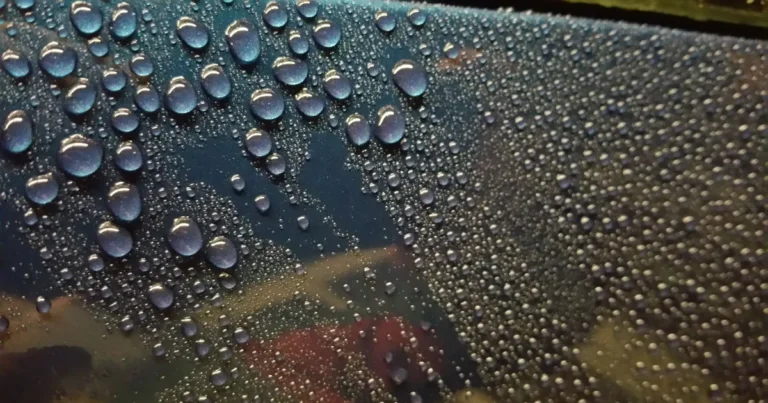
Check for stripping. After drying, spray a little water on the hood. If it beads up tightly, there's still wax. If it sheets flat and doesn't bead, the wax is gone. Apply your new protection within 24 hours to prevent contamination from settling into the bare clear coat.
Mistakes to Avoid / Common Errors
Using dish soap undiluted. Full-strength dish soap can etch clear coat in seconds, especially on hot paint. Stick to 1 or 2 teaspoons per gallon. That dilution is still strong enough to strip wax.
Washing in direct sunlight. The soap dries before you rinse it. That leaves hard water spots and a hazy film. If you must wash in sun, work one panel at a time and dry immediately.
A dedicated best hard water spot remover for cars can fix existing spots, but prevention is easier.
Scrubbing too hard on soft clear coats. Some manufacturers (Honda, Toyota, Subaru) use softer paint. Dish soap already reduces lubricity. Heavy pressure creates micro-marring that shows up as swirl marks.
Use light pressure and a clean mitt.
Forgetting to reapply wax after stripping. This is the most common downstream mistake. You strip the wax, the car looks clean, and you drive off. Within a week, contamination bonds directly to bare clear coat.
Always apply protection within 24 to 48 hours.
Using dish soap on ceramic coatings or matte paint. Ceramic coatings can tolerate a single strip wash, but repeated use degrades the SiO₂ bonds. Matte paint loses its flat finish permanently. No fix for that.
Alternatives vs. Dish Soap (When to Choose What)
Dish soap has a narrow use case. For everything else, there's a better tool. Here's a quick comparison table.
| Situation | Recommended Product | Why |
|---|---|---|
| Regular weekly wash | pH-neutral car shampoo | Preserves wax and clear coat |
| Removing old wax or sealant | Dish soap (one time) | Cheapest and fastest stripper |
| Heavy tree sap or road tar | Dedicated sap or tar remover | Dissolves sticky residue without stripping entire car |
| Iron fallout / rail dust | Iron remover spray | Reacts chemically, turns purple, then rinses off |
| Final prep before coating | IPA wipe-down (50-70% isopropyl) | Leaves zero residue |
| Clay bar lubrication | Rinseless wash diluted as clay lube | Higher lubricity than dish soap |
For sticky tree sap, a best sap remover for cars works faster and doesn't touch your wax. For tar on the lower panels, a best bug and tar remover spray for cars targets the problem area without affecting the rest of the paint.
Bing (Web (fair-use with source credit))
When dish soap still wins. If you're applying a fresh coat of wax, sealant, or ceramic coating, dish soap is the cheapest way to strip the old layer. You don't need a specialty stripper. One wash with diluted dish soap, followed by a thorough rinse, gives you a clean slate.
Pro Advice: What Detailers Actually Do
We looked at feedback from professional detailers and shop owners. The consensus is clear. Dish soap has a place in the shop, but it's not on the weekly menu.
They use dish soap for stripping only. If a car comes in with heavy silicone-based dressings or a failing wax coat, a dish soap wash removes it fast. Then they do a full decontamination and paint correction before coating.
They never use it for maintenance washes. Every pro detailer stocks pH-neutral car shampoo. It's safer, has better lubricity, and doesn't strip the protection they just applied. Using dish soap on a freshly waxed car would undo hours of work.
They warn customers about home use. Many shops report seeing cars that look dull after a few months of home washing with dish soap. The clear coat isn't damaged beyond repair, but it needs a polish to bring back gloss. That's an extra cost the customer didn't expect.
One exception. Some mobile detailers use dish soap on engine bays and wheel wells. It cuts grease without damaging painted surfaces in those areas. But they rinse thoroughly and never let it touch the body panels.
Real-World Scenarios / Case Examples
Scenario 1: The new car owner. A 2024 sedan, six months old. Owner used dish soap every two weeks because "it's what they had." After six months, the paint looked hazy. Water beaded unevenly.
A paint depth gauge showed clear coat thickness was within spec, but the surface needed a light polish to restore gloss. The owner switched to car shampoo and reapplied wax. The dullness didn't return.
Scenario 2: The enthusiast prepping for coating. A three-year-old SUV with heavy dealer-installed wax. Owner wanted to apply a ceramic coating. One wash with diluted dish soap stripped the wax completely.
A clay bar test showed no remaining contamination. The coating bonded perfectly and lasted the full advertised two years.
Scenario 3: The heavy sap rescue. A car parked under a pine tree for a month. Sticky sap all over the roof and hood. The owner tried dish soap full-strength and scrubbed hard.
That removed the sap but left micro-scratches in the clear coat. A proper sap remover (like best bug and tar remover for getting sap) would have dissolved the sap with less effort and no damage.
What these cases show. Dish soap is a tool, not a routine. Use it intentionally, and you get good results. Use it carelessly, and you pay the price.
Frequently Asked Questions
Does dish soap ruin clear coat?
Over time, yes, if used repeatedly. Alkaline surfactants slowly wear down the clear coat. One or two washes won't cause visible damage, but regular use every few weeks will dull the finish within months.
How many times can I use dish soap before it damages paint?
Professional detailers recommend no more than once every three to six months. That's the frequency needed for stripping old wax before a fresh application. Using it more often increases the risk.
Can I use dish soap as clay bar lubricant?
In a pinch, heavily diluted (half teaspoon per gallon). But dedicated clay lubes or rinseless washes provide more lubricity. Using dish soap as clay lube increases the risk of marring on soft paints.
Is Dawn better than Fairy for stripping wax?
Chemically, they're almost identical. Both contain strong surfactants with a pH around 9 to 10. Brand matters less than dilution and technique.
Use 1 to 2 teaspoons per gallon regardless of brand.
Will dish soap remove ceramic coating?
It can degrade the coating over multiple washes. One wash won't strip a properly cured ceramic coating, but repeated use will shorten its lifespan. Use ceramic-safe shampoo instead.
What about using dish soap for wheels and tires?
That's one area where it works well. Wheels accumulate brake dust, road grime, and tire dressing residue. A diluted dish soap wash cuts through that without damaging clear-coated or painted wheels.
Just avoid getting it on the body panels.
Final Verdict / Decision Guide
Here's the quick checklist to run through before you grab that dish soap bottle.
| Your situation | Use dish soap? | What to do instead |
|---|---|---|
| Regular weekly wash | No | pH-neutral car shampoo |
| Prepping for new wax or coating | Yes, one time | Follow the strip wash process |
| Heavy tar or sap on one panel | No | Spot treatment with tar remover |
| Car has ceramic coating | No | Ceramic-safe shampoo |
| Matte or fresh paint | No | Dedicated matte car soap |
| Engine bay or wheels | Yes, diluted | Rinse thoroughly, avoid body panels |
The one-line takeaway. Dish soap is a stripping tool, not a maintenance routine. Use it intentionally when you need a clean slate. Use it carelessly, and you'll pay for a polish or new wax sooner than expected.
Final recommendation. Keep a bottle of dish soap in your garage for two things. Stripping old wax before a fresh application and cleaning greasy wheels or engine bays. For everything else, stock a dedicated pH-neutral car shampoo.
Your paint will stay glossier, your protection will last longer, and you won't be asking yourself six months from now why the clear coat looks dull.