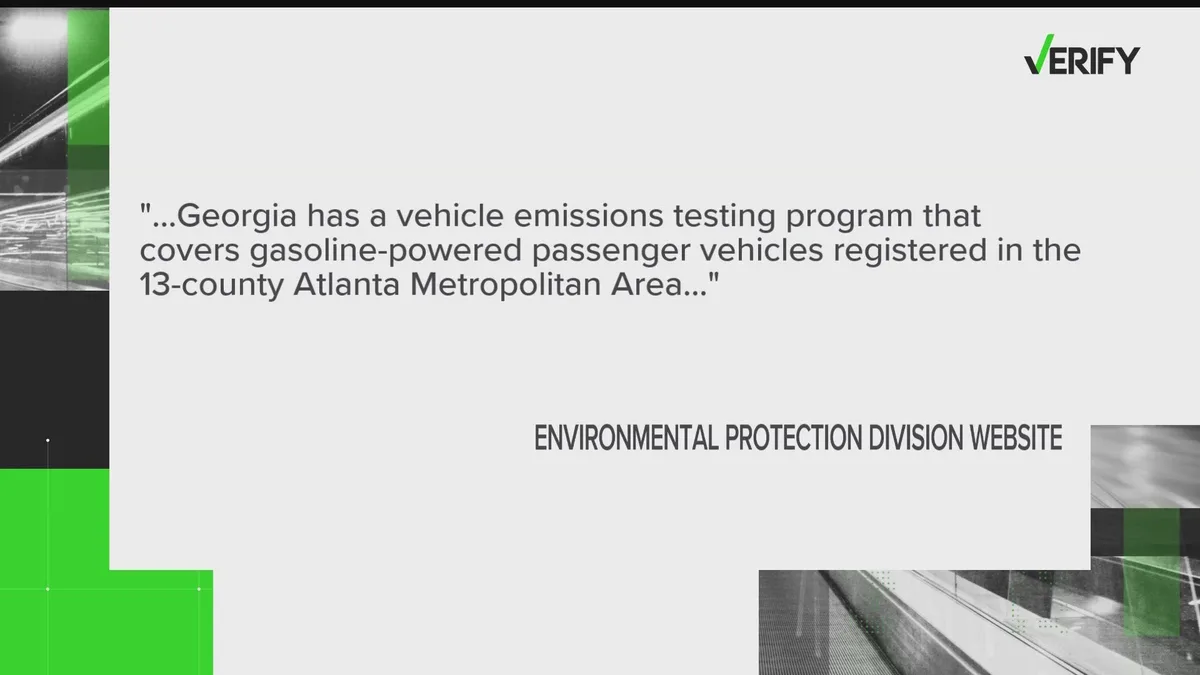
If you own a car in metro Atlanta, you’ve probably wondered whether you need to get it tested for emissions. The Georgia annual emissions testing requirements for metro Atlanta counties apply to most gasoline-powered vehicles in 13 specific counties, and skipping the test can block your registration renewal.
As of 2026, the program is run by the Georgia Clean Air Force, and the test costs $25. The rules hinge on your county, your vehicle’s age, and its fuel type, so the first step is figuring out if you’re even required to comply.
Quick Answer
Georgia annual emissions testing requirements for metro Atlanta counties apply to most gasoline vehicles in 13 metro counties. The test is annual for 1996 and newer models. Older vehicles may be exempt or require a different test.
The fee is $25. You must pass before renewing registration.
Do You Need an Emissions Test in Metro Atlanta?
You need an emissions test if you live in one of these 13 metro Atlanta counties: Cherokee, Clayton, Cobb, Coweta, DeKalb, Douglas, Fayette, Forsyth, Fulton, Gwinnett, Henry, Paulding, or Rockdale. The requirement is tied to your vehicle’s primary garaging address, not where you work or frequently drive.
If your county isn’t on that list, you’re off the hook. For everyone else, the next step is checking whether your specific vehicle qualifies for an exemption.
Which Metro Atlanta Counties Require Emissions Testing
The 13 counties currently under the Georgia emissions testing program are all part of the Atlanta nonattainment area for air quality. This designation comes from the U.S. Environmental Protection Agency, which identifies regions not meeting federal clean air standards.
| County | Testing Required? | Notes |
|---|---|---|
| Cherokee | Yes | Included as of recent expansion |
| Clayton | Yes | Original metro area |
| Cobb | Yes | Original metro area |
| Coweta | Yes | Added later |
| DeKalb | Yes | Original metro area |
| Douglas | Yes | Original metro area |
| Fayette | Yes | Added later |
| Forsyth | Yes | Added later |
| Fulton | Yes | Original metro area |
| Gwinnett | Yes | Original metro area |
| Henry | Yes | Original metro area |
| Paulding | Yes | Added later |
| Rockdale | Yes | Original metro area |
If you’re unsure whether your county is included, check your vehicle registration or the Georgia Clean Air Force website.
What Vehicles Are Exempt from Georgia’s Emissions Test
Not every vehicle needs testing. Here’s who gets a pass:
- Model year 1967 and older: Fully exempt statewide, no testing required.
- 1968, 1974 models: Exempt in some metro counties but not all. Check your county’s specific rules.
- 1975, 1995 models: Typically require a two-speed idle test instead of the OBD test.
- 1996 and newer: Must pass an OBD-II test if registered in a covered county.
- Diesel-powered vehicles: Exempt from emissions testing in Georgia.
- Electric and hybrid vehicles: Exempt, as they produce zero tailpipe emissions.
- Motorcycles: Exempt from emissions testing.
- Vehicles over 8,500 lbs GVWR: Exempt, as they fall under different regulations.
If your vehicle falls into one of these categories, you won’t need to visit a testing station. But always confirm with the Georgia Department of Revenue if you’re unsure.
How the Emissions Test Works in Georgia
The test itself is straightforward, but the method depends on your vehicle’s age. For most drivers, it’s an OBD-II test, which checks your car’s onboard diagnostics system for emissions-related issues.
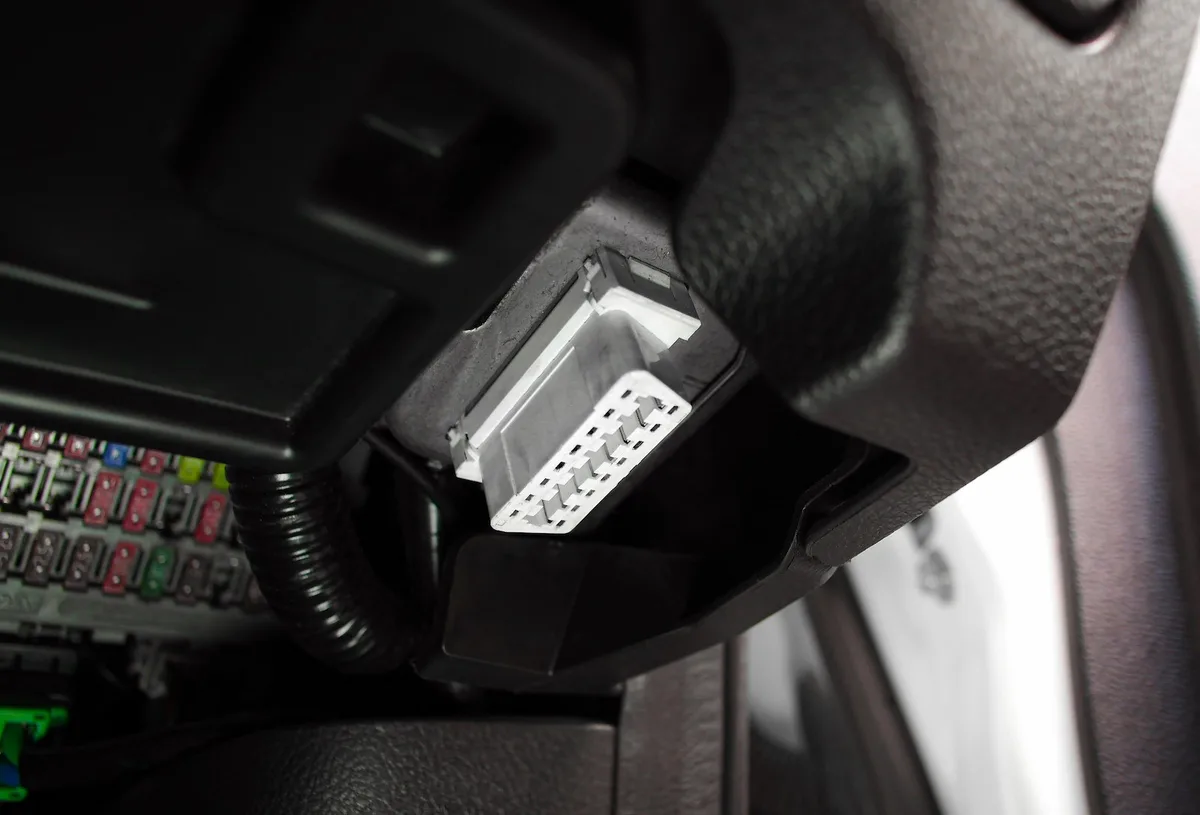
Here’s how it breaks down:
- OBD-II test (1996 and newer): A technician plugs a scanner into your vehicle’s OBD-II port, usually located under the dashboard. The system checks for trouble codes and verifies that all emissions-related monitors are ready. This takes about 10, 15 minutes.
- Two-speed idle test (1975, 1995): Older vehicles without OBD-II undergo this test, where the car’s emissions are measured at idle and at 2,500 RPM. This takes a bit longer, around 20, 30 minutes.
- Visual inspection: The technician may also check for tampering with emissions equipment, like a removed catalytic converter.
The test isn’t about your car’s overall health, it’s specifically looking for emissions control system failures. If your check engine light is on, you’ll almost certainly fail.
Where to Get Your Emissions Test Done
Georgia uses private testing stations approved by the Georgia Clean Air Force. You can find locations on their official site, which includes a search tool by ZIP code or county.
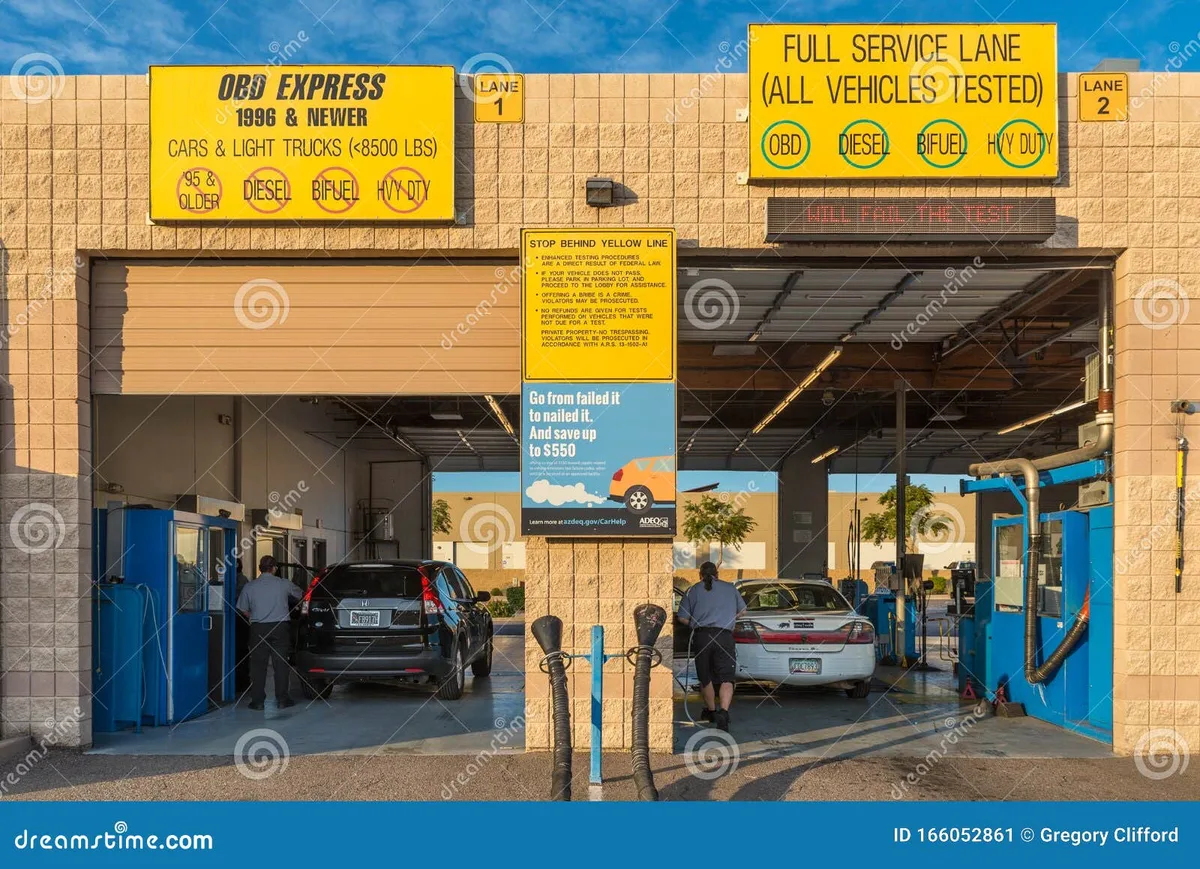
Most stations accept walk-ins, but appointments can save time. Bring your vehicle registration and proof of insurance. The test takes 15 to 30 minutes depending on the method.
Step-by-Step: How to Pass the Georgia Emissions Test
Start by checking your vehicle’s readiness. If the check engine light is on, address the issue first. Most auto parts stores will scan the code for free.
For OBD-II tests, drive your car for at least 15 minutes before testing. This ensures the monitors are ready. If you’ve recently disconnected the battery, wait a week or drive 100 miles to reset the system.
Arrive with a nearly full gas tank. Low fuel can trigger a failure. Turn off all accessories like the radio and A/C during the test.
What Happens If You Fail the Emissions Test
You’ll receive a report detailing the failure reason. Common causes include a faulty catalytic converter, oxygen sensor, or EVAP system.
Georgia allows one free retest within 30 days if you fail. Use this time to make repairs. Many repair shops offer emissions-related diagnostics and fixes.
If you don’t pass within the retest window, you’ll pay the $25 fee again. You cannot renew your registration until you pass.
Costs, Fees, and Deadlines for Georgia Emissions Testing
The emissions test costs $25 as of 2026. This fee is separate from registration renewal costs. Payment is typically due at the time of testing.
You must pass the test before renewing your vehicle registration. There’s no grace period, so plan ahead. If your registration expires, you risk late fees or penalties.
Some counties may have additional local fees. Check with your county tax commissioner’s office for details.
Common Reasons for Failing (and How to Fix Them)
A lit check engine light is the top reason for failure. Even if the issue seems minor, the test will fail. Get the code read and repaired.
A faulty gas cap can trigger an EVAP system failure. Tighten or replace it and drive for a few days before retesting.
Old or dirty spark plugs can cause high emissions. Replacing them is a quick and inexpensive fix. A clogged air filter can also lead to failure.
Replace it if it’s dirty.
Out-of-State Vehicles and New Residents: What You Need to Know
New Georgia residents must comply with emissions testing within 30 days of establishing residency. This applies if you register your vehicle in one of the 13 covered counties.
If your out-of-state vehicle already passed an emissions test in the last year, you may qualify for a waiver. Check with the Georgia Department of Revenue to confirm. Bring your out-of-state registration and proof of a recent test.
Emissions Testing vs. Vehicle Registration: How They Connect
You cannot renew your vehicle registration without a passing emissions test in covered counties. The test result is electronically submitted to the Georgia DOR in most cases.
If you’re registering a used car from a private seller, the emissions test must be completed before the title transfer. Dealerships typically handle this for new purchases. Keep your test receipt until the registration is finalized.
FAQs About Georgia’s Emissions Testing Requirements
Do I need an emissions test if my car is older than 25 years?
Vehicles from 1967 and older are exempt statewide. For 1968 to 1974 models, exemptions vary by county. Always verify with your local tax commissioner.
How long does the emissions test take?
The OBD-II test usually takes 10 to 15 minutes. The two-speed idle test for older vehicles can take 20 to 30 minutes. Walk-ins are welcome but appointments can reduce wait times.
What if my check engine light is on?
You will fail the test. Get the code diagnosed and repaired before testing. Many auto parts stores offer free code scans.
Can I get a waiver if my car fails?
Georgia does not offer waivers for failing emissions. You must repair the vehicle and retest. The first retest within 30 days is free.
Do electric vehicles need emissions testing?
No. Electric and hybrid vehicles are exempt from emissions testing in Georgia.
Quick Checklist Before You Go
Bring your vehicle registration and proof of insurance. Ensure your check engine light is off. Drive the car for at least 15 minutes before testing to warm up the system.
Check your gas tank level. Aim for at least half a tank. Turn off all accessories during the test.
If you’ve recently disconnected the battery, drive 100 miles or wait a week before testing.
Bring your vehicle registration and proof of insurance. Ensure your check engine light is off. Drive the car for at least 15 minutes before testing to warm up the system.
Check your gas tank level. Aim for at least half a tank. Turn off all accessories during the test.
If you’ve recently disconnected the battery, drive 100 miles or wait a week before testing.