ByMax Lee
Guam U-Turn Laws: Intersections & Highway Crossovers
Guam U-turn laws at controlled intersections and highway crossovers can trip up even experienced drivers. The rules aren’t always intuitive, and a wrong move can mean a fine or worse. As of 2026, Guam’s traffic code treats U-turns differently depending on whether you’re at a signalized intersection or a highway crossover.
Our research into the Guam Vehicle Code and local enforcement practices shows most violations happen because drivers miss a sign or misjudge right-of-way. Here’s what you actually need to know.
Quick Answer
U-turns are legal at most Guam controlled intersections unless a sign prohibits them. At highway crossovers, they’re only allowed at designated median breaks. Always yield to oncoming traffic and pedestrians.
Violations carry fines up to $200. Emergency vehicles are exempt.
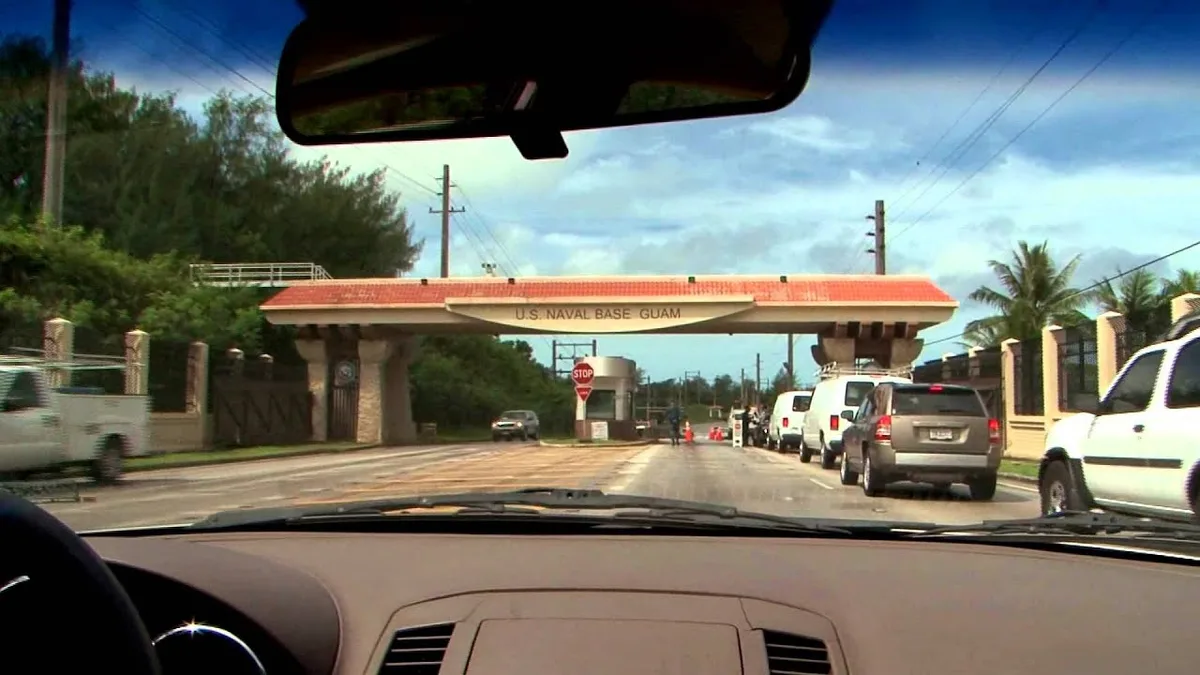
YouTube / JRM Guam (YouTube thumbnail (fair-use with source credit))
Why Getting This Wrong Matters
A single illegal U-turn in Guam can cost you $150, $200 in fines. More serious is the safety risk: Guam’s traffic enforcement data shows U-turn collisions often involve drivers misjudging gaps in oncoming traffic.
Worse, tourists unfamiliar with local signage are overrepresented in these incidents. The rules exist to prevent exactly these kinds of predictable crashes.
Core Laws: Guam's U-Turn Rules at Controlled Intersections
Guam’s traffic code (Title 10, Chapter 60) states U-turns are permitted at controlled intersections unless a "No U-Turn" sign is posted. Controlled intersections have traffic signals or stop signs regulating flow.
The key is visibility and signage. If you don’t see a prohibition sign, you can typically make the turn, but you must yield to all oncoming traffic and pedestrians.
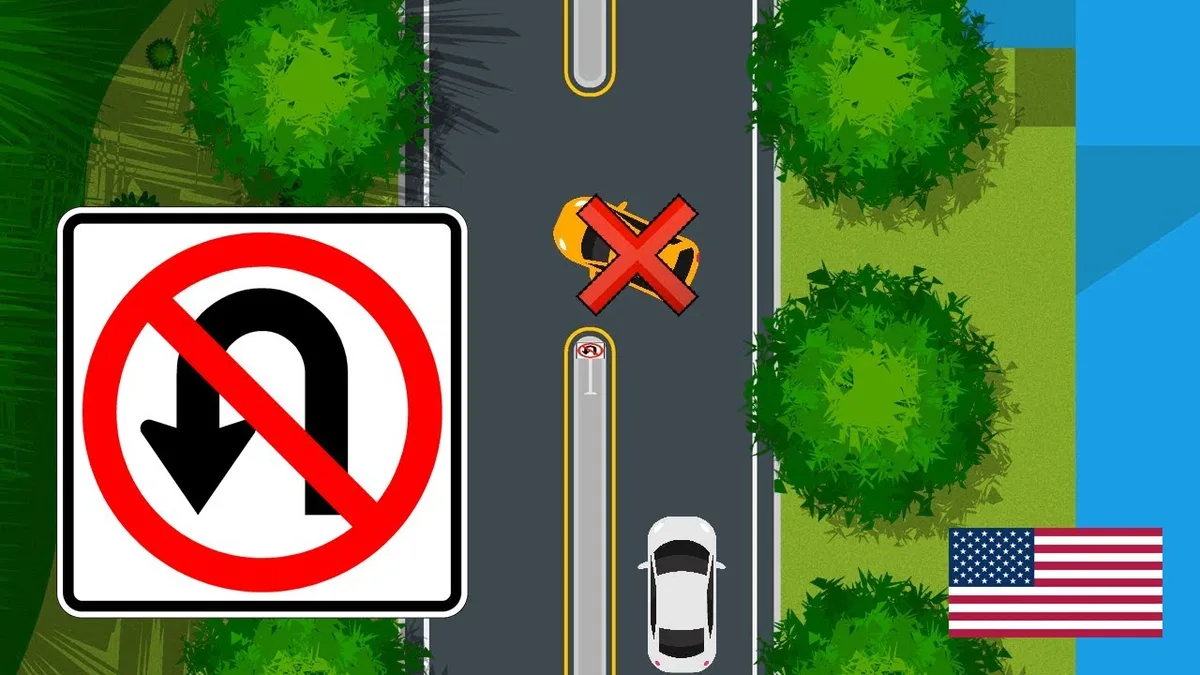
YouTube / Indokid Studio (YouTube thumbnail (fair-use with source credit))
What counts as a controlled intersection?
- Any intersection with traffic lights
- Any intersection with stop signs
- Any intersection with yield signs
What doesn’t count?
- Unmarked intersections
- Private driveways
- Highway on/off ramps
Highway Crossovers: Special Rules and Common Confusion
Highway crossovers are different from regular intersections. These are the median breaks that allow vehicles to cross from one direction of a divided highway to the other.
At these locations, U-turns are only legal where the median break is explicitly designed for them. You’ll typically see a "U-Turn Permitted" sign or a clearly marked turning lane. Without these, assume U-turns are prohibited.
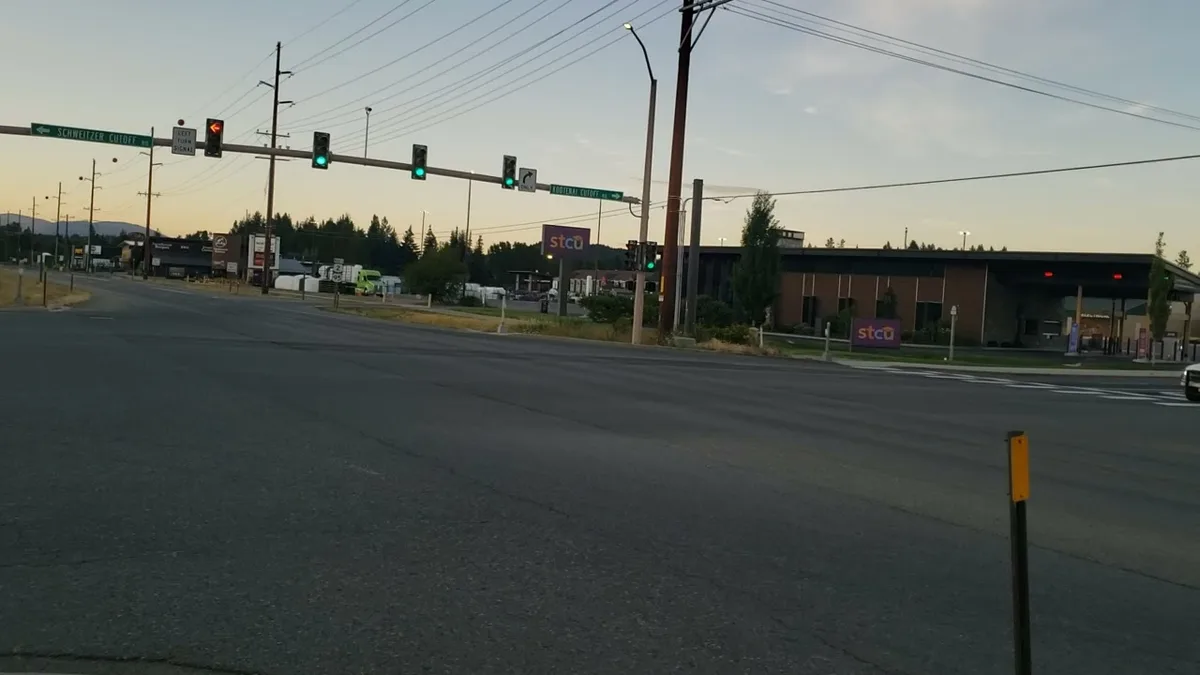
YouTube / Futures Exploring Adventure (YouTube thumbnail (fair-use with source credit))
How to spot a legal crossover U-turn:
- Designated turning lane in the median
- "U-Turn Permitted" sign
- No "No U-Turn" sign posted
Red flags for illegal U-turns:
- Solid double yellow lines
- No visible turning lane
- "No U-Turn" sign present
Safe Practices: How to Execute a Legal U-Turn in Guam
Start by checking for signs. If you see a "No U-Turn" sign, don’t attempt it, no exceptions. At permitted locations, follow this sequence:
- Signal your intention at least 100 feet before the turn
- Move into the designated turning lane or the leftmost lane
- Yield to all oncoming traffic and pedestrians
- Complete the turn without impeding other vehicles
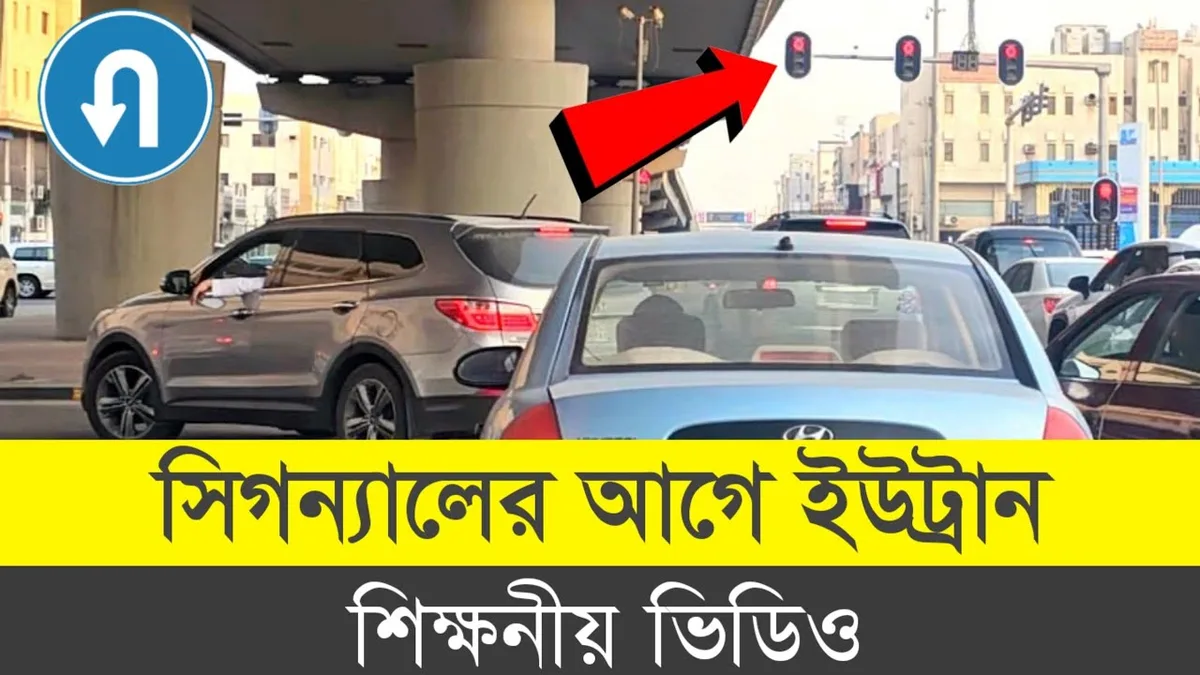
YouTube / Motors FanBoy (YouTube thumbnail (fair-use with source credit))
Pro tips from local driving instructors:
- Never make a U-turn from a right-turn lane
- Watch for motorcycles and bicycles in your blind spot
- In heavy traffic, wait for a clear gap
- At night, be extra cautious of reduced visibility
Risk Factors: When U-Turns Become Dangerous or Illegal
Guam’s busiest intersections see the most U-turn violations. Tumon’s tourist district and Hagåtña’s downtown core are hotspots where drivers often misjudge gaps in traffic.
Limited visibility is another major factor. Rainy season (July, November) reduces stopping distances, and some crossovers lack adequate lighting at night.

YouTube / kuamnews (YouTube thumbnail (fair-use with source credit))
High-risk scenarios:
- Turning across multiple lanes of fast-moving traffic
- Attempting a U-turn from a right-turn-only lane
- Ignoring pedestrian crosswalks during the maneuver
- Making the turn where a curve or hill blocks visibility
Penalties and Consequences: What Happens If You Get It Wrong
The base fine for an illegal U-turn in Guam is $150. If the violation causes an accident, that jumps to $200 plus potential court fees.
Your driving record takes a hit too. Two points are added to your license for an illegal U-turn conviction. Accumulate 12 points in 12 months, and you’re looking at a license suspension.
Other potential consequences:
- Increased insurance premiums
- Mandatory traffic school for repeat offenders
- Civil liability if your U-turn causes property damage or injury
Emergency Vehicle Exceptions: Who Can Bypass These Rules
Ambulances, fire trucks, and police vehicles can make U-turns where others can’t. This exemption only applies when they’re responding to emergencies with lights and sirens activated.
Even then, they must do so safely. Emergency vehicles can’t disregard all traffic rules, just the ones that would prevent them from reaching their destination quickly.
What this means for you:
- Pull over and stop if an emergency vehicle approaches
- Never follow an emergency vehicle through a prohibited U-turn
- Expect emergency vehicles to make sudden maneuvers
Expert Tips: What Local Drivers Know
Guam’s traffic signs follow U.S. federal standards, but local drivers develop a sixth sense for where U-turns are tolerated. If you see locals making the turn, it’s probably safe, but always check for signs first.
Driving instructors emphasize the "three-second rule" for U-turns. After the last oncoming vehicle passes, count to three before starting your turn. This gives you a buffer against misjudging speed.
Local insights:
- Morning rush hour (7, 9 AM) is the worst time for U-turn attempts
- Some intersections have unmarked but accepted U-turn patterns
- Tourist areas have stricter enforcement
Verified Summary: Your U-Turn Checklist for Guam
Use this quick reference before attempting any U-turn. If you can’t check all the boxes, don’t make the turn.
At controlled intersections:
- No "No U-Turn" sign is visible
- You’re in the leftmost lane or designated turn lane
- You have clear visibility in both directions
- You’ve signaled for at least 100 feet
At highway crossovers:
- There’s a designated median break
- A "U-Turn Permitted" sign is posted
- No oncoming traffic is approaching

YouTube / draw.io (YouTube thumbnail (fair-use with source credit))
Use this quick reference before attempting any U-turn. If you can’t check all the boxes, don’t make the turn.
At controlled intersections:
- No "No U-Turn" sign is visible
- You’re in the leftmost lane or designated turn lane
- You have clear visibility in both directions
- You’ve signaled for at least 100 feet
At highway crossovers:
- There’s a designated median break
- A "U-Turn Permitted" sign is posted
- No oncoming traffic is approaching
YouTube / draw.io (YouTube thumbnail (fair-use with source credit))
FAQs: U-Turn Laws in Guam
Is a U-turn legal at every green light in Guam?
No. A green light doesn’t automatically permit a U-turn. You must still check for "No U-Turn" signs and yield to oncoming traffic.
Many intersections in Hagåtña and Tumon specifically prohibit U-turns despite having a green signal.
Can I make a U-turn across a double yellow line?
No. Double solid yellow lines on Guam indicate no crossing. Attempting a U-turn there is illegal and dangerous.
Only do so where there is a median break or a designated U-turn lane.
What's the difference between a crossover and an intersection?
A crossover is a break in a divided highway’s median that lets you cross or turn. An intersection is where two or more roads meet, often with traffic lights or stop signs. Different rules apply, especially regarding U-turns.
Are there U-turn restrictions in Tamuning or Hagåtña?
Yes. Both areas have high pedestrian traffic and narrow roads. Many intersections restrict U-turns during peak hours.
Look for time-based signs, usually posted between 7 AM and 9 AM or 4 PM and 6 PM.
Do tourists need a special license to make U-turns in Guam?
No. A valid driver’s license from any U.S. state is acceptable. Foreign visitors must have an International Driving Permit.
Tourists must follow the same local traffic laws as residents.
When to Seek Clarification or Legal Advice
If you receive a citation and believe it was issued in error, you have options. The Guam Police Department’s Traffic Division handles most U-turn violations. You can call or visit their office to ask for clarification.
For more serious cases involving accidents or injuries, consulting a traffic attorney is wise. Guam’s court system handles moving violations through the Superior Court of Guam. A lawyer can help you understand your rights and potentially reduce fines.
The Department of Public Works Traffic Division handles signage and road design questions. They can confirm whether a specific intersection should have a U-turn permit. If you’re planning to dispute a ticket, request the traffic signal timing records for the location in question.