Guam mandatory liability insurance minimum 25/50/25 coverage limits are the legal baseline every driver must carry to operate a vehicle on the island. These numbers represent the minimum bodily injury and property damage coverage required by Guam law, and falling short can mean serious penalties.
As of 2026, the standard breaks down to $25,000 per person for bodily injury, $50,000 total per accident for bodily injury, and $25,000 for property damage.

Quick Answer
Guam requires 25/50/25 liability coverage. That means $25,000 per person for bodily injury. $50,000 total per accident for bodily injury. $25,000 for property damage. These are the legal minimums to drive on Guam.

Quick Answer: What 25/50/25 Actually Means in Guam
The 25/50/25 structure is shorthand for three separate coverage caps. The first number covers bodily injury per person. The second covers total bodily injury per accident.
The third covers property damage per accident.
These limits apply to third-party claims, not your own injuries or vehicle.
The breakdown of each number and why it matters for your coverage
- $25,000 per person bodily injury: Maximum your insurer pays for one person's medical expenses in an accident you cause
- $50,000 per accident bodily injury: Total cap for all injured parties combined in a single accident
- $25,000 property damage: Maximum for repairing or replacing the other party's property
How Guam's Mandatory Liability System Works
Guam operates under a tort system. The at-fault driver's insurance covers the other party's damages. Your liability coverage doesn't pay for your own injuries or vehicle damage.
Third-party coverage structure and what it protects
Your policy protects others from your mistakes. If you're at fault, your insurer pays for:
- Medical bills of injured parties
- Lost wages for injured parties
- Repair or replacement of damaged property
Who is covered and what scenarios trigger the limits
The coverage applies to:
- Drivers listed on your policy
- Passengers in other vehicles
- Pedestrians or cyclists you may injure
- Other vehicles or property you damage
It does not cover:
- Your own medical expenses
- Your own vehicle repairs
- Damage to your property
Legal Requirements: Staying Compliant in Guam
Guam law mandates these minimums for all registered vehicles. You must maintain continuous coverage to keep your registration valid.

Exact minimum limits per Guam statute
The Guam Code Annotated requires:
- $25,000 bodily injury per person
- $50,000 bodily injury per accident
- $25,000 property damage per accident
Proof of insurance requirements for registration
You must provide proof of insurance when:
- Registering a new vehicle
- Renewing your registration
- Reinstatement after a lapse
- Requested by law enforcement
Acceptable proof includes:
- Insurance card from your provider
- Digital proof on your phone
- A letter from your insurer
Penalties for driving without meeting the 25/50/25 threshold
Driving without valid insurance can result in:
- Fines up to $500
- Vehicle registration suspension
- License suspension
- Reinstatement fees
License suspension and reinstatement consequences
If your license is suspended for insurance violations:
- You'll need to pay all fines
- Provide proof of current insurance
- Pay reinstatement fees
- May need to file an SR-22
When 25/50/25 Isn't Enough: Real Risks of Minimum Coverage
The minimum limits may not cover all costs in a serious accident. Medical expenses and vehicle repairs can quickly exceed these amounts.

Accident scenarios that exceed minimum limits
A multi-vehicle accident can easily surpass $50,000 in medical bills. A single severe injury might exceed $25,000 in treatment costs. Luxury vehicles or multiple damaged cars can exceed $25,000 in property damage.
Medical cost realities on Guam
Hospital stays on Guam can cost tens of thousands. Emergency room visits often exceed $10,000. Rehabilitation and long-term care add significant expenses.
Property damage costs that can quickly surpass $25,000
Newer vehicles often cost more than $25,000 to repair or replace. Multiple damaged vehicles compound the costs. Damage to buildings or other property adds to the total.
Long-term financial exposure from an underinsured accident
If your coverage is exhausted, you may be personally responsible for:
- Remaining medical bills
- Additional property damage costs
- Legal fees if sued
- Wage garnishment for judgments
How to Get and Maintain Compliant Insurance in Guam
Obtaining proper coverage is straightforward. The key is maintaining continuous insurance without lapses.

Step-by-step process for obtaining a policy
- Contact a licensed insurance provider in Guam
- Provide your vehicle information
- Select your coverage limits (minimum 25/50/25)
- Choose any additional coverage options
- Pay your premium and receive your policy documents
What documents you'll need
Typically required:
- Vehicle registration
- Driver's license
- Vehicle identification number (VIN)
- Current odometer reading
Keeping continuous coverage to avoid lapses
Set up automatic payments if possible. Renew your policy before it expires. Update your insurer if you change vehicles or address.
Switching providers while maintaining compliance
Get your new policy before canceling the old one. Ensure there's no gap in coverage. Provide proof to the Guam Department of Revenue and Taxation if requested.
Comparing Coverage Levels: Minimum vs. Higher Limits
Most drivers start with the legal minimum, but that may not provide adequate protection. Higher limits cost more but shield you from significant financial risk.
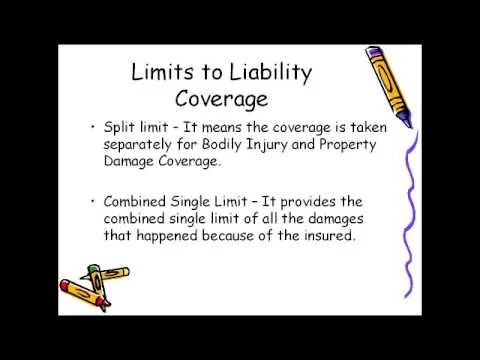
Side-by-side comparison of 25/50/25 vs. 50/100/50 vs. 100/300/100
| Coverage Level | Per-Person BI | Per-Accident BI | Property Damage |
|---|---|---|---|
| 25/50/25 | $25,000 | $50,000 | $25,000 |
| 50/100/50 | $50,000 | $100,000 | $50,000 |
| 100/300/100 | $100,000 | $300,000 | $100,000 |
BI stands for bodily injury. These numbers show maximum payouts per accident.
Cost differences and affordability on Guam
Premiums increase with higher limits, but not proportionally. A jump from 25/50/25 to 50/100/50 typically adds $20 to $50 per month. Moving to 100/300/100 usually adds another $30 to $60 monthly.
When upgrading makes financial sense
Consider higher limits if:
- You own significant assets worth protecting
- You have a family relying on your income
- You frequently drive in heavy traffic areas
- You own a newer or more expensive vehicle
Full coverage vs. liability-only: what's right for you
Liability-only coverage pays for damage you cause to others. Full coverage includes collision and comprehensive. Collision covers your own vehicle repairs after an accident.
Comprehensive covers non-collision events like theft or storm damage.
If your vehicle is older and worth less, liability-only may be sufficient. Newer vehicles generally warrant full coverage protection.
Common Mistakes Guam Drivers Make
Several mistakes put drivers at risk of penalties and inadequate protection. Avoiding these errors keeps you compliant and covered.
Assuming minimum coverage is sufficient
Minimum limits were designed to be affordable, not adequate. One serious accident can exhaust $50,000 in bodily injury coverage quickly. Drivers who rely only on minimums often face personal lawsuits after major crashes.
Letting policies lapse during registration renewal
A gap in coverage triggers automatic registration suspension. You cannot renew your vehicle registration without valid insurance. Even a single-day lapse creates compliance problems and reinstatement fees.
Misunderstanding per-person vs. per-accident limits
The per-person limit applies to each injured individual. The per-accident limit is the total pool for all injured parties. If two people are hurt, the first $25,000 covers one, and the remaining $25,000 covers the other.
Not reviewing coverage after major life changes
Getting married, buying a home, or starting a business increases your assets. Higher assets mean greater risk of lawsuits. Your coverage should grow with your financial exposure.
Failing to add optional protections that matter in Guam
Guam has limited uninsured driver statistics, but gaps exist. Adding uninsured motorist coverage protects you if hit by an uninsured driver. Medical payments coverage helps with your own medical bills regardless of fault.
Expert Tips: Protecting Yourself Beyond the Minimum
Going beyond the legal floor costs relatively little and provides substantially more security. These strategies help drivers find the right balance between cost and protection.
How to evaluate your personal risk factors
Consider your assets, income, and family situation. If someone could sue you for hundreds of thousands after an accident, minimum coverage leaves you exposed. A simple calculation helps: if your net worth exceeds your liability limits, you need higher coverage.
When uninsured/underinsured motorist coverage is essential
This coverage protects you when the at-fault driver lacks sufficient insurance. It covers medical bills and lost wages that your liability limits won't pay. Many experts recommend at least 50/100 limits paired with matching uninsured coverage.
Strategies for affordable higher limits
Ask your insurer about bundling discounts. Maintain a clean driving record to qualify for lower rates. Compare quotes from multiple Guam-based carriers.
Higher deductibles on collision/comprehensive can reduce premium costs while keeping strong liability limits.
Questions to ask your insurance agent in Guam
Inquire about local discounts for safe driving programs. Ask about payment plan options that fit your budget. Confirm the agent understands Guam-specific regulations.
Request a coverage review every policy renewal.
Frequently Asked Questions
Can I drive Guam with out-of-state insurance?
Yes, if your out-of-state policy meets or exceeds Guam's 25/50/25 minimums. You must carry proof of insurance while driving. Guam law requires all vehicles operated on the island to be insured per local standards.
How soon do I need insurance after moving to Guam?
You must obtain Guam-compliant insurance before registering your vehicle. New residents typically have 30 days to establish residency and register vehicles. Contact an insurer immediately upon arrival to avoid any coverage gaps.
What happens if I'm at fault in an accident with only minimum coverage?
Your insurer pays up to your limits, then you become personally responsible for excess costs. Medical bills exceeding $50,000 total become your obligation. Property damage above $25,000 also falls on you.
Creditors can pursue wage garnishment or asset seizure.
Is 25/50/25 the same as what other US states require?
No, requirements vary significantly across states. Some states require 25/50/25 like Guam. Others mandate 30/60/25 or 50/100/50 minimums.
If you relocate frequently, verify each jurisdiction's specific requirements.
How do I prove my insurance is valid at renewal?
Your insurer typically submits electronic proof to the Motor Vehicle Division. Keep a copy of your insurance card in your vehicle. Renewal notices arrive before your coverage expires, giving you time to resolve any issues.
Verified Summary: Key Takeaways for Guam Drivers
Guam mandates 25/50/25 liability coverage as the legal minimum for all registered vehicles. This means $25,000 per person for bodily injury, $50,000 total per accident, and $25,000 for property damage. Maintaining continuous coverage prevents registration suspension and license penalties.
The minimum limits often prove insufficient in serious accidents. Medical bills and repair costs frequently exceed these thresholds. Drivers with assets or dependents should consider upgrading to 50/100/50 or higher limits.
Always compare quotes from multiple licensed insurers. Verify your policy meets current requirements before each renewal. Add uninsured motorist coverage and medical payments protection for stronger financial security.