ByMax Lee
How Long Until a Car Wash Turns a Profit?
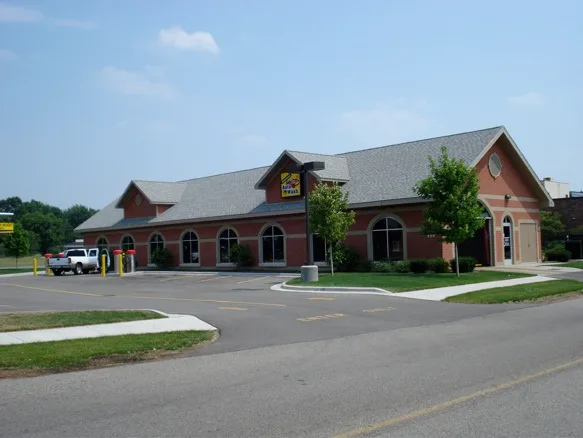
Wikimedia Commons / CurranH
How long does it take vehicle washes to make a profit depends entirely on the model you choose and how you run it. Self-serve car washes often break even in 12 to 18 months, while full-service operations can take 3 to 5 years.
Aggregate industry data shows automatic car washes typically need 2 to 4 years to turn a profit. The difference comes down to startup costs, local demand, and how well you control operating expenses.
Quick Answer
How long does it take vehicle washes to make a profit? Self-serve models often hit profitability in 1 to 2 years. Automatic car washes typically need 2 to 4 years.
Full-service operations may take 3 to 5 years. Mobile units can break even in 1 to 3 years with low overhead.
The Short Answer: Realistic Timelines by Business Model
Self-serve car washes have the fastest path to profitability. With lower startup costs and minimal staffing, they often break even within 12 to 18 months. The trade-off is lower revenue per customer, usually $5 to $10 per wash.
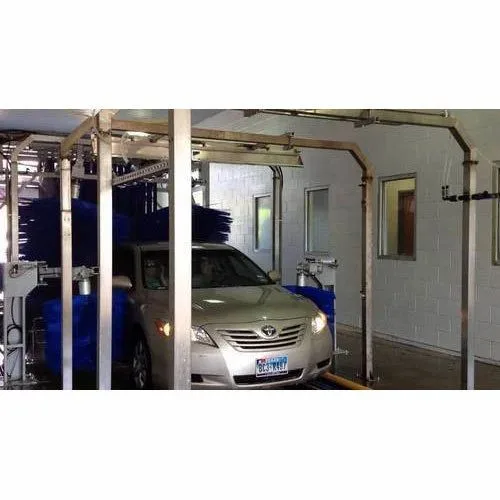
Automatic car washes balance cost and convenience. They require more equipment investment but can process 50 to 100 cars daily at $10 to $20 per wash. Break-even typically takes 2 to 4 years.
Full-service car washes demand the most capital and labor. With higher per-wash prices ($20 to $50), they can be lucrative but often need 3 to 5 years to turn a profit.
Mobile car washes offer flexibility with lower startup costs ($20,000 to $100,000). They can break even quickly in the right market but require more hands-on management.
Why the Timeline Varies So Much (Key Factors)
Location is the biggest variable. A car wash in a high-traffic urban area will outperform one in a rural or seasonal market. Look for spots with at least 20,000 daily vehicles passing by.
Operating costs also play a huge role. Water, electricity, and labor can eat into profits, especially for full-service models. Equipment quality matters too.
Cheaper systems may save money upfront but cost more in maintenance.
Local competition and pricing strategy are critical. In saturated markets, you’ll need to stand out with better service or unique add-ons. In areas with few car washes, even a basic operation can thrive.
Breakdown by Car Wash Type: Which One Fits Your Goals?
Self-Serve Car Washes
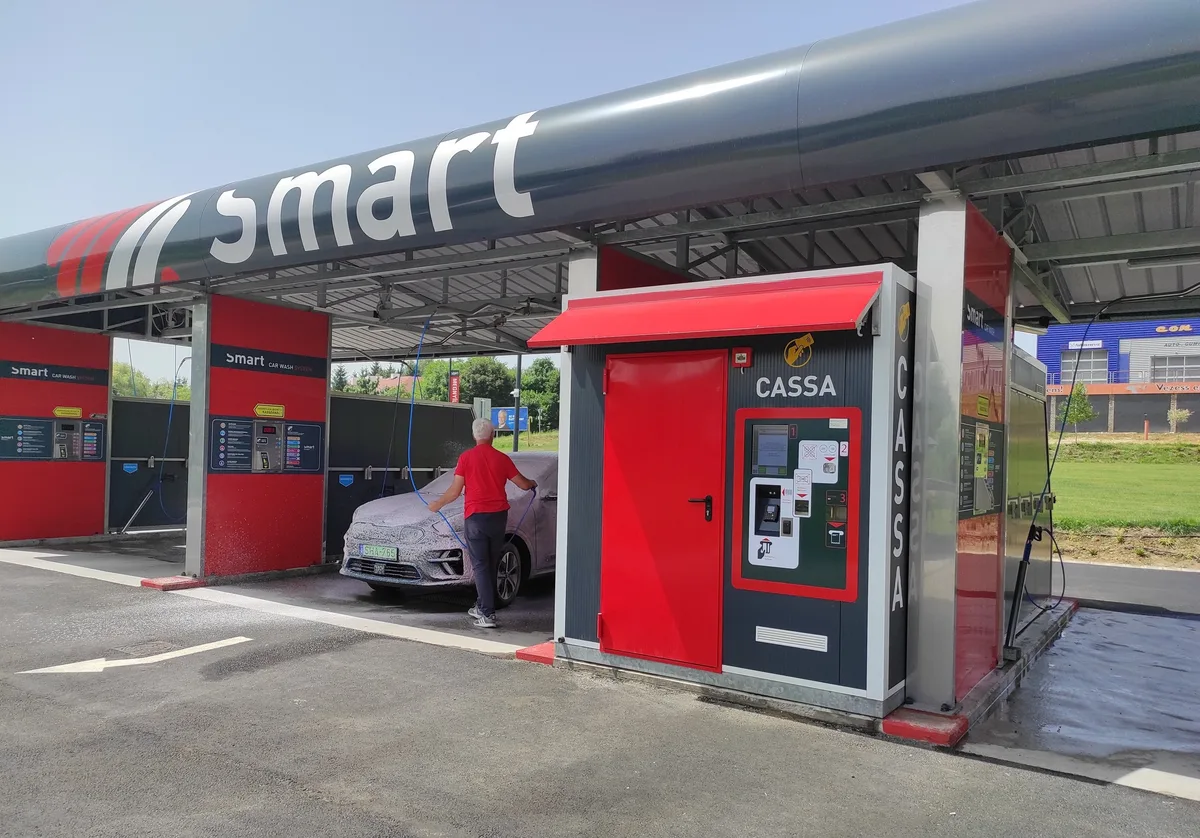
Self-serve car washes are the fastest to profitability. Customers do the work themselves, keeping labor costs minimal. The trade-off is lower revenue per wash, typically $5 to $10.
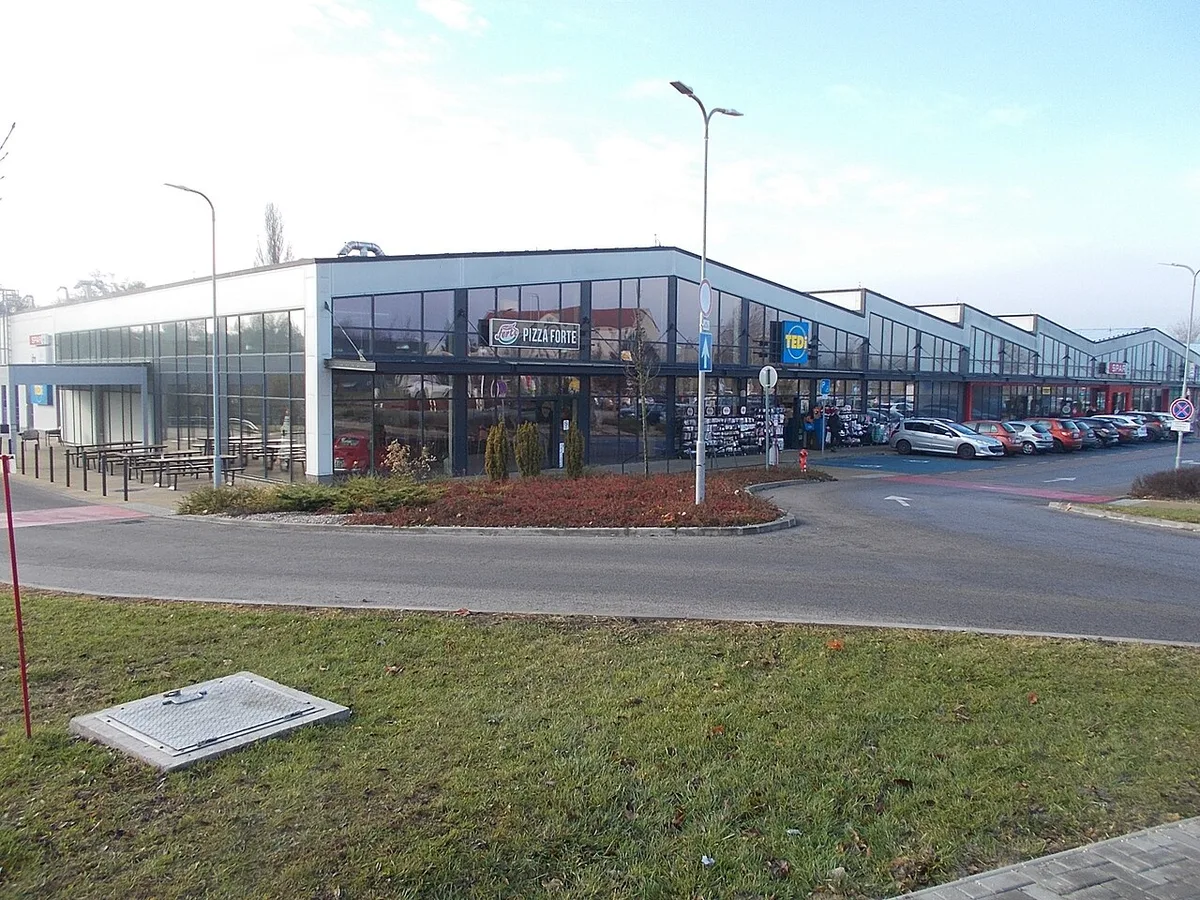
Wikimedia Commons / Globetrotter19 (CC BY-SA)
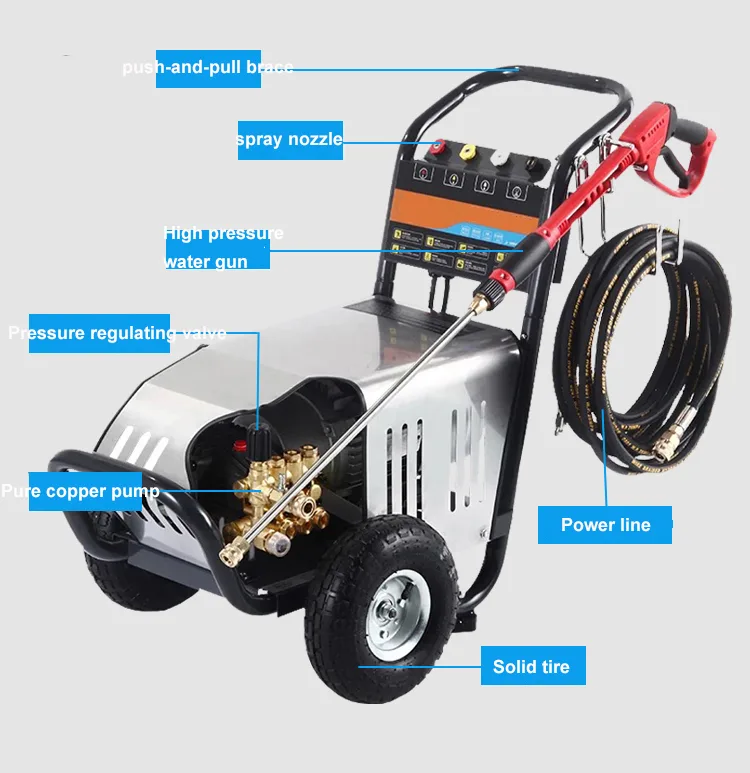
These are ideal for entrepreneurs who want a hands-off business. The biggest challenge is maintaining equipment, as high-pressure systems and payment terminals need regular upkeep.
Automatic (Rollover/In-Bay) Car Washes
Automatic car washes offer a middle ground. They require more equipment investment but can handle higher volumes with less labor than full-service models. A single bay can process 50 to 100 cars daily at $10 to $20 per wash.
Break-even typically takes 2 to 4 years. These work best for operators who want automation without the high overhead of full-service.
Startup Costs: What You’re Really Looking At
| Cost Category | Self-Serve | Automatic | Full-Service |
|---|---|---|---|
| Equipment | $30,000–$100,000 | $150,000–$400,000 | $300,000–$1M+ |
| Real Estate/Lease | $20,000–$100,000 | $50,000–$200,000 | $200,000–$1M+ |
| Permits & Licenses | $5,000–$20,000 | $10,000–$30,000 | $20,000–$50,000 |
| Operating Capital | $10,000–$30,000 | $20,000–$50,000 | $50,000–$100,000 |
Bing (Web (fair-use with source credit))
Real estate is often the biggest variable. In urban areas, leasing or buying property can double your initial investment. Permits can also be a hidden cost, especially in regions with strict water or zoning laws.
According to the International Carwash Association, operators often underestimate these expenses by 20 to 30 percent.
Revenue Streams: How Car Washes Actually Make Money
The primary revenue driver is the wash itself. Basic exterior washes bring in $8 to $15 per customer. Upsells like wax, interior cleaning, and scent boosts can double that per transaction.
Membership models are changing the game. Customers pay $15 to $30 monthly for unlimited washes, creating predictable recurring revenue. This works especially well in areas with frequent rain or road salt.
Bing (Web (fair-use with source credit))
Retail sales also contribute. Many car washes sell air fresheners, car care products, or snacks. These high-margin items can add 10 to 20 percent to your bottom line.
The Math Behind Profitability: Break-Even and Beyond
To hit profitability, you need to cover fixed costs first. These include equipment loans, rent, and insurance. Variable costs like water, chemicals, and labor scale with each wash.
Here’s a simplified break-even calculation:
| Model | Monthly Fixed Costs | Avg. Revenue/Wash | Washes to Break Even |
|---|---|---|---|
| Self-serve | $5,000 | $8 | 625 |
| Automatic | $15,000 | $12 | 1,250 |
| Full-service | $30,000 | $20 | 1,500 |
Full-service operations require the highest volume. With fixed costs around $30,000 and $20 per wash, you’d need 1,500 washes monthly just to break even.
Location Matters: Where to Open (and Where to Avoid)
High-traffic areas near gas stations, shopping centers, or busy commuter routes are ideal. These locations provide steady customer flow without heavy marketing. Look for spots with at least 20,000 vehicles passing daily.
Avoid rural areas with low population density. Even with minimal competition, the lack of foot traffic makes profitability difficult. Seasonal locations can work but require careful cash flow management during off-peak months.
Local climate plays a role too. Areas with harsh winters see more demand due to road salt and grime. Regions with frequent rain may have lower demand but benefit from customers wanting to protect their paint.
Common Mistakes That Delay Profitability
Underestimating startup costs is the most common pitfall. Many new owners forget to account for permits, insurance, and working capital. This can lead to cash flow problems before the business even opens.
Ignoring maintenance is another costly error. Car wash equipment takes a beating. Skipping regular servicing leads to downtime and expensive repairs.
Budget 5 to 10 percent of revenue for ongoing maintenance.
Poor pricing strategy can also hurt. Charging too little leaves money on the table. Charging too much drives customers away.
Research local competitors and adjust based on your service quality and speed.
How to Speed Up Profitability: Pro Tips
Optimize your pricing with tiered packages. Offer a basic wash, a premium wash with wax, and a deluxe package with interior cleaning. This encourages customers to spend more per visit.
Reduce water and energy waste. Install water reclamation systems to cut utility costs. LED lighting and energy-efficient equipment also lower overhead.
Build customer loyalty with a membership program. Recurring revenue stabilizes cash flow. Promote it heavily during slow periods.
Leverage technology. App-based payments and automated systems reduce labor costs. They also speed up service, allowing you to handle more cars per hour.
Real-World Examples: What the Numbers Look Like
Case Study: Self-Serve in a High-Traffic Area
A self-serve car wash in a Texas suburb broke even in 14 months. With 4 bays and $120,000 in startup costs, it averaged 200 washes daily at $8 each. Low labor costs and minimal maintenance kept overhead under $4,000 monthly.
Case Study: Full-Service in a Suburban Neighborhood
A full-service operation in Ohio took 4 years to turn a profit. Initial investment was $800,000 for 6 bays and a detail shop. Despite charging $25 per wash, high labor and chemical costs slowed early returns.
FAQs About Car Wash Profitability
How much does it cost to start a car wash?
Self-serve setups start around $50,000. Automatic systems range from $200,000 to $500,000. Full-service locations often exceed $1M due to staffing and facility needs.
Which car wash model is most profitable?
Self-serve offers the highest margins at 30 to 50 percent. Automatic car washes balance volume and profit at 20 to 40 percent. Full-service has lower margins but higher per-customer revenue.
Can a car wash be profitable in a rural area?
It’s possible but challenging. You’ll need minimal competition and a loyal local customer base. Mobile car washes often work better in low-traffic regions.
What’s the biggest expense for a car wash?
Equipment and real estate are the top costs. Water and labor follow closely, especially for full-service models. Permits and insurance add unexpected but significant expenses.
How do memberships affect profitability?
They create steady income and improve customer retention. Members visit more often, increasing revenue per customer. This model works best in areas with frequent car wash needs.
Final Decision Guide: Is a Car Wash Right for You?
If you want fast returns with low overhead, self-serve is the safest bet. It requires less capital and fewer staff but offers lower per-wash revenue.
For higher volume and automation, automatic car washes are a strong middle ground. They need more investment but can scale well in busy locations.
Full-service is the riskiest but most rewarding for the right operator. It demands significant capital and management but offers the highest revenue potential per customer.
Consider your budget, location, and willingness to manage operations. If you can secure a high-traffic spot and control costs, a car wash can be a lucrative business. If not, the timeline to profitability may stretch beyond what you’re willing to wait.