Black Friday deals are live on Amazon · limited-time discounts, grab them before they’re gone
Grab the deals

ByMax Lee
How to Make Car Window Washer Fluid: Easy DIY Recipe for Sparkling Glass
A clean windshield is essential for safe driving. Road spray, dust, insects, salt, and oily film can quickly reduce visibility—especially when headlights or sunlight hit the glass at an angle.
You can make a simple DIY car window washer fluid for mild weather with distilled water, a small amount of rubbing alcohol, and a few drops of mild dish soap. However, homemade fluid has important limitations: it may not protect against severe freezing, it may foam if over-soaped, and it is not always compatible with every vehicle or washer system. You can also read our guide on how to make car washer fluid.
Use the recipe below for a practical, low-cost alternative in above-freezing conditions. For winter driving or extreme temperatures, a properly rated commercial washer fluid is the safer choice.
Quick DIY Washer Fluid Recipe
For approximately 1 gallon of mild-weather washer fluid, combine:
- 1 gallon distilled water
- 1 cup 70% isopropyl alcohol
- 1 teaspoon mild liquid dish soap
Mix gently in a clean container, label it clearly, and test a small amount before filling the vehicle’s reservoir.
This formula is intended for normal cleaning when temperatures remain safely above freezing. It is not a guaranteed substitute for winter-rated washer fluid. You can also read our guide on how to use a manual car wash.
What Each Ingredient Does
| Ingredient | Purpose | Important limitation |
|---|---|---|
| Distilled water | Provides the main liquid base without adding mineral deposits | Can freeze in cold weather |
| Isopropyl alcohol | Helps dissolve oily residue and offers some cold protection | Flammable and not a guarantee against freezing |
| Mild dish soap | Loosens road film, insects, and grease | Too much causes foam and streaks |
Distilled water is preferable to tap water because minerals in hard water can leave deposits in spray nozzles and a cloudy film on glass. If distilled water is unavailable temporarily, use clean water and replace the mixture when possible.
The alcohol in this recipe is not the same as methanol-based industrial fluid. Methanol is highly toxic and should never be used in a homemade vehicle mixture. Isopropyl alcohol is also flammable, so keep the container away from flames, heat, and children. You can also read our guide on is it bad to wash your car in the cold weather.
How to Make Car Window Washer Fluid Step by Step
1. Choose a suitable container
Use a clean, chemical-resistant container with a secure cap. A clearly labeled household jug is suitable for storage, but never reuse a bottle that could be mistaken for drinking water or another household product.
Do not mix the ingredients directly inside the vehicle’s reservoir. A separate container makes it easier to measure accurately and prevents spills around the engine bay.
2. Add the distilled water
Pour one gallon of distilled water into the container. Leave a little empty space at the top so the liquid can be mixed without splashing.
3. Add the isopropyl alcohol
Measure one cup of 70% isopropyl alcohol and add it to the water. Pour slowly to reduce splashing and keep the container away from ignition sources.
4. Add only a small amount of soap
Add one teaspoon of mild liquid dish soap. More soap does not necessarily mean cleaner glass. In practice, excess soap is a common cause of bubbles, streaks, and a hazy windshield.
5. Mix gently
Close the container and slowly swirl it several times. Avoid vigorous shaking, which creates unnecessary foam.
6. Label and store the mixture
Write the contents and date on the container. Store it upright in a cool, ventilated place away from children, pets, sparks, and direct sunlight.

Measure the ingredients carefully to avoid excess soap and unwanted streaks.
Credit: www.reddit.com
Before You Pour It Into the Car
Check the owner’s manual before using any homemade fluid. Some manufacturers specify washer-fluid requirements, and certain vehicles may have sensitive sensors, heated washer systems, or special cleaning-fluid recommendations.
Inspect the washer-fluid reservoir first. The cap usually carries a windshield symbol, but the reservoir location varies by vehicle. Never pour washer fluid into the coolant reservoir, brake-fluid reservoir, engine-oil filler, or any other under-hood container.
If the reservoir contains an unknown product, avoid mixing fluids. Use a fluid extractor or have the reservoir drained before adding a different formula. Mixing incompatible products can cause cloudiness, separation, excess foam, or reduced cleaning performance.
For a practical walkthrough of locating and filling the correct container, use these reservoir filling steps alongside the instructions in your vehicle manual.
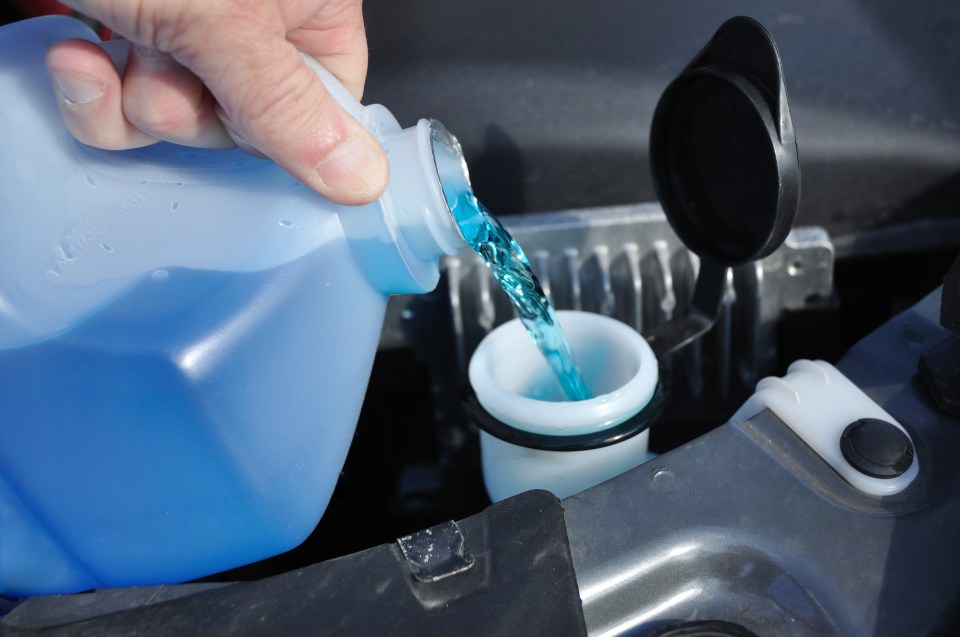
How to Add the Fluid Safely
- Park on level ground and switch off the engine.
- Open the hood and identify the washer-fluid reservoir by its windshield-washer symbol.
- Wipe dirt away from the cap before opening it.
- Pour the mixture slowly through a funnel if the opening is narrow.
- Stop below the maximum-fill mark, if one is provided.
- Close the cap firmly.
- Start the vehicle and spray the washers briefly.
- Check for leaks, weak spray, unusual foaming, or streaking.
If the spray pattern is poor, the problem may not be the fluid. Blocked nozzles, a split hose, a weak pump, worn wiper blades, or a clogged filter can produce similar symptoms.
How to Get Clearer Glass Without Streaks
Washer fluid cannot fully remove every type of contamination. Road film often builds up on the outside of the windshield and may require a proper glass cleaning session.
For the best result:
- Use fresh, clean wiper blades.
- Clean the rubber blade edges with a damp microfiber cloth.
- Wash the windshield first if it is covered in mud or heavy grit.
- Avoid adding more soap when the glass streaks.
- Clean the inside of the windshield with a glass-safe cleaner and a separate microfiber towel.
- Do not run dry wipers across dusty glass.
- Inspect the spray nozzles if fluid reaches only one side.
When washing the rest of the car, a controlled paint-safe wash method helps prevent grit from being dragged across the bodywork and glass.
A common mistake is blaming the washer fluid for streaks caused by worn blades or greasy interior glass. If the windshield still looks hazy after several sprays, clean the glass and inspect the blades before changing the formula.
Can You Add Vinegar?
Some DIY recipes include white vinegar because its acidity can help loosen mineral residue. It is not necessary for routine windshield cleaning, and it can create an unpleasant odor or leave residue if the mixture is too concentrated.
If you choose to experiment with vinegar, use only a small amount and test the mixture on glass outside the vehicle first. Do not combine vinegar with bleach or other cleaners. Never add household ammonia, bleach, hydrogen peroxide, or strong solvents to washer fluid.
For most drivers, distilled water, a small amount of isopropyl alcohol, and minimal soap are easier to control. A purpose-made automotive fluid remains the more predictable option.
Is Homemade Washer Fluid Safe in Winter?
Not reliably. The freezing point of a homemade mixture depends on the alcohol concentration, the alcohol’s percentage, the outside temperature, and the conditions inside the reservoir and spray lines. A basic cup-per-gallon recipe may remain liquid in cool weather but can freeze during a hard freeze.
Freezing can block the nozzles, stop the pump from moving fluid, and leave the windshield unclean when visibility is already poor. Water can also expand as it freezes, placing stress on hoses, fittings, or the washer pump.
Better winter practice
- Use commercial washer fluid labeled for the lowest temperature you expect.
- Do not dilute winter fluid unless its label specifically permits it.
- Do not pour boiling water into a frozen reservoir or onto the windshield.
- If the system freezes, move the vehicle to a warm location and allow it to thaw naturally.
- Check that the wipers, defroster, and washer spray work before a long winter trip.
Cold-weather visibility is part of broader vehicle preparation, particularly in mountainous regions; review the relevant winter vehicle requirements before driving through severe conditions.
What Not to Put in Washer Fluid
Avoid these ingredients and substitutions:
- Plain water in freezing weather: It can freeze in the reservoir and lines.
- Methanol or industrial solvents: Methanol is highly toxic, and unapproved solvents can damage components.
- Bleach: It can damage materials and create dangerous fumes when mixed with other cleaners.
- Ammonia-based household cleaner: It may harm some finishes, films, or nearby materials.
- Strong vinegar mixtures: They may produce odor and are unnecessary for normal cleaning.
- Laundry detergent: It can foam heavily and leave residue.
- Car wax or polish: These products can interfere with visibility and spray performance.
- Large amounts of dish soap: Foam can reduce spray quality and coat the windshield.
Never mix different washer fluids simply to use up leftovers. If you do not know what is already in the reservoir, drain or flush it first.
Homemade vs. Store-Bought Washer Fluid
| Consideration | Homemade mixture | Commercial automotive fluid |
|---|---|---|
| Cost | Usually inexpensive | Costs more per container |
| Mild-weather cleaning | Adequate for ordinary dirt and road film | Generally consistent |
| Freeze protection | Uncertain unless carefully formulated | Rated and labeled for a temperature range |
| Convenience | Requires measuring and storage | Ready to pour |
| Compatibility | Must be tested for your vehicle | Formulated for automotive washer systems |
| Specialty performance | Limited | Options may include bug removal, de-icing, or low-temperature protection |
Homemade fluid makes the most sense as a mild-weather cleaner when you understand its limitations. Commercial fluid is usually the better choice for winter, frequent highway driving, heavy insect buildup, or vehicles with manufacturer-specific requirements.
Clear windows also matter during inspections and safety checks. If you are preparing a vehicle for a state inspection, review the applicable visibility and equipment standards rather than assuming a homemade mixture alone satisfies every requirement.
Troubleshooting Common Problems
The windshield is streaky
Use less soap, clean the wiper blades, and wash the glass with a dedicated automotive glass cleaner. Streaks can also come from oily residue on the inside of the windshield.
The fluid smells strongly
A noticeable alcohol or vinegar smell may indicate that the mixture is too concentrated. Dispose of it responsibly and prepare a milder batch or use commercial fluid.
The washer fluid is foaming
Too much dish soap is the usual cause. Drain the reservoir if necessary, rinse it with appropriate clean water, and refill with a low-foam formula.
The spray is weak or uneven
Check for clogged nozzles, kinked hoses, a low fluid level, or a failing washer pump. Use a soft pin only if the vehicle manufacturer permits nozzle cleaning; forcing debris deeper can make the blockage worse.
The fluid freezes
Do not keep adding alcohol without knowing the resulting concentration or compatibility. Thaw the system safely and switch to a properly rated winter product.
The windshield remains cloudy
Clean the inside and outside surfaces separately. If the haze persists, inspect the wiper blades and check for scratches, pitting, or a damaged glass coating.
Safety and Disposal
Keep homemade washer fluid in a labeled container, away from food, drink containers, children, pets, flames, and direct heat. Avoid breathing concentrated alcohol vapors and wash your hands after handling the mixture.
If you spill it, wipe it up promptly and ventilate the area. Do not pour large quantities onto soil, into storm drains, or near waterways. Follow your local household hazardous-waste guidance for leftover alcohol-containing mixtures.
Washer fluid should never be stored in an unmarked bottle. Clear liquid in a drink bottle is an avoidable poisoning risk.
Frequently Asked Questions
What is the easiest homemade car washer fluid recipe?
Mix one gallon of distilled water with one cup of 70% isopropyl alcohol and one teaspoon of mild dish soap. This is a mild-weather formula, not a guaranteed winter blend.
Can I use tap water?
You can use tap water temporarily, but distilled water is better because it contains fewer minerals that can leave deposits in spray nozzles and on glass.
Can I use homemade fluid in freezing weather?
Do not rely on a basic homemade mixture in freezing conditions. Use commercial washer fluid labeled for the temperature range you expect.
Is rubbing alcohol safe for a car windshield?
A small amount of 70% isopropyl alcohol in a diluted washer mixture is generally used to help dissolve oily residue, but the mixture should be mild. Do not pour undiluted alcohol into the reservoir, and avoid contact with painted surfaces.
Should I add vinegar?
Vinegar is optional and unnecessary for routine use. It may add odor or residue, and it should never be mixed with bleach or other household chemicals.
Why does my homemade fluid leave streaks?
The most common causes are too much dish soap, dirty or worn wiper blades, greasy glass, hard-water minerals, or an overly concentrated mixture. Reduce the soap and clean the blades and windshield.
Can I mix homemade fluid with store-bought fluid?
It is better not to mix unknown formulas. Drain or use up the existing product, then refill with one clearly identified type of washer fluid.
How often should I replace homemade washer fluid?
Replace it if it becomes cloudy, develops an unusual odor, separates, or collects debris. Keep the container sealed and make only as much as you can use reasonably soon.
Final Takeaway
Making car window washer fluid at home is simple, but the safest recipe is also the most restrained: distilled water, a small amount of isopropyl alcohol, and very little mild soap. Measure carefully, label the container, test the mixture, and avoid using it when freezing temperatures are expected.
For dependable cold-weather protection, choose a commercial automotive washer fluid with a clearly stated temperature rating. Keep the windshield, wiper blades, spray nozzles, and interior glass clean as well—because clear visibility depends on the entire washer system, not just the liquid in the reservoir.
Use this mild DIY formula for above-freezing conditions, then switch to a rated winter fluid before the temperature drops.








