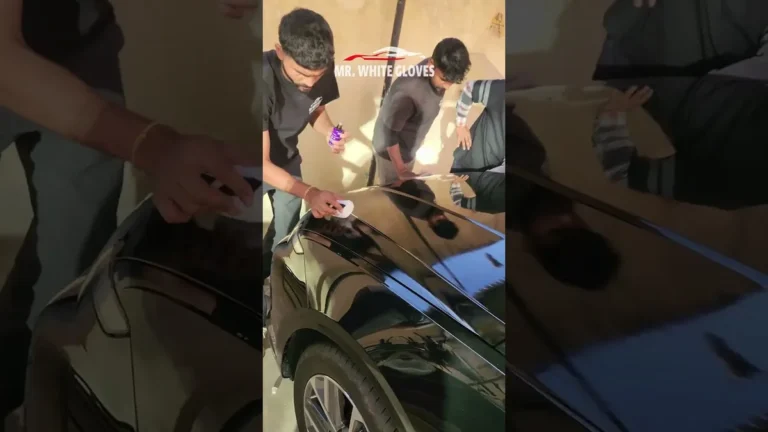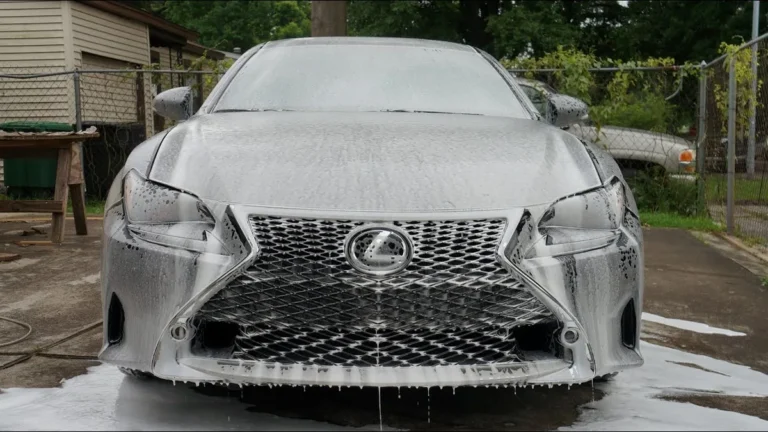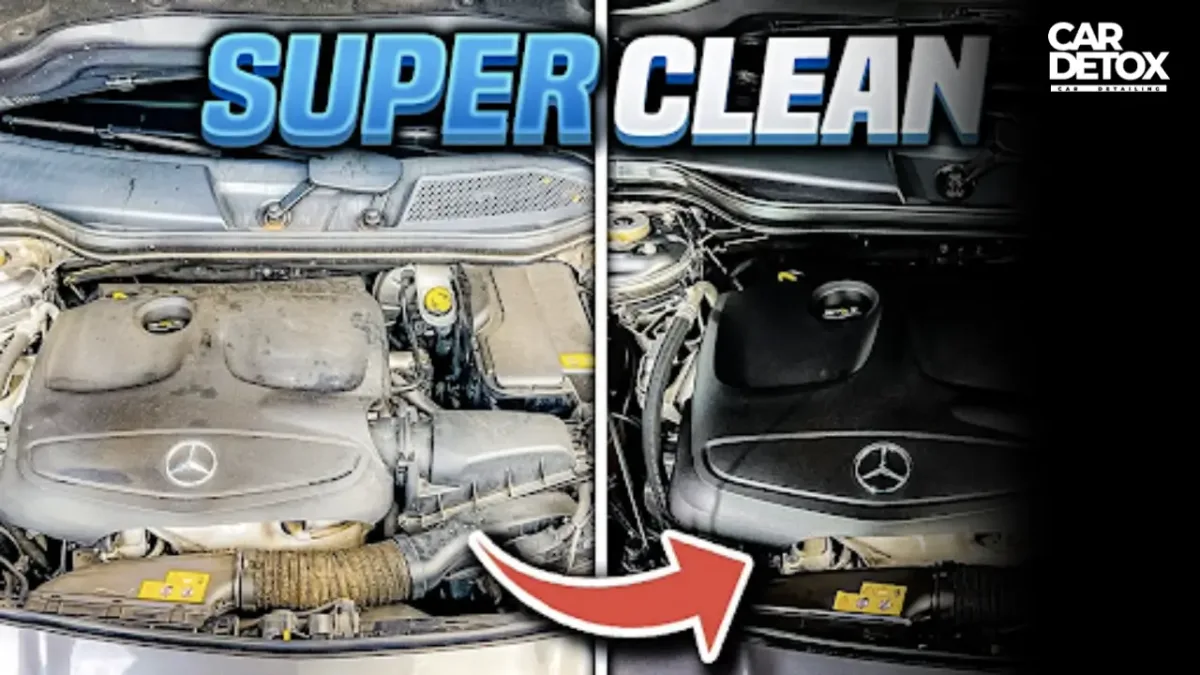
Washing a dirty motor and car isn’t just about looks, it’s about preventing long-term damage. Grime on the engine can trap heat, while road salt and bird droppings eat away at your car’s paint. Manufacturer specs confirm that regular cleaning extends the life of both the exterior and under-hood components.
Per SAE International standards, proper cleaning also helps spot leaks and wear before they turn into costly repairs. So when should you tackle this yourself, and when should you leave it to the pros?
Quick Answer
Washing a dirty motor and car removes harmful contaminants. Engine grime can cause overheating. Car paint lasts longer when cleaned regularly.
Always cover electrical parts before washing an engine.
Why Washing a Dirty Motor and Car Actually Matters
Dirt and oil buildup on your engine act like an insulator, trapping heat and reducing efficiency. The Idaho Basic Rule Law emphasizes vehicle maintenance for safety, and a clean engine runs cooler and more reliably.
On the exterior, road salt, tree sap, and bird droppings are more than eyesores. They corrode paint and clear coat over time. According to the EPA, proper vehicle maintenance, including cleaning, reduces harmful emissions by keeping engine components functioning optimally.
The Risks: What Can Go Wrong If You Do It Wrong
Water in the wrong places can short-circuit your car’s electrical system. Spark plug wells, the alternator, and fuse box are especially vulnerable. Even a small amount of water in these areas can cause misfires or complete electrical failure.
Harsh chemicals or incorrect pressure can damage paint, strip wax, or even crack plastic trim. Pressure washers above 1,900 PSI can etch paint if held too close. Manufacturer guidelines often warn against using household cleaners like dish soap, which can strip protective coatings.
Quick Decision Guide: Should You Wash the Engine Bay?
Do it yourself if:
- Your engine bay has light to moderate dirt buildup.
- You can safely cover electrical components with plastic bags and tape.
- You have access to a garden hose or pressure washer under 1,500 PSI.
Leave it to a professional if:
- Your engine has heavy grease or oil caked in hard-to-reach areas.
- You’re unsure about covering electrical parts correctly.
- Your car has sensitive electronics or a warranty that could be voided by improper cleaning.
If you’re dealing with a newer model with complex electronics, a detail shop with experience in engine bay cleaning is the safer choice.
Tools and Supplies You’ll Actually Need
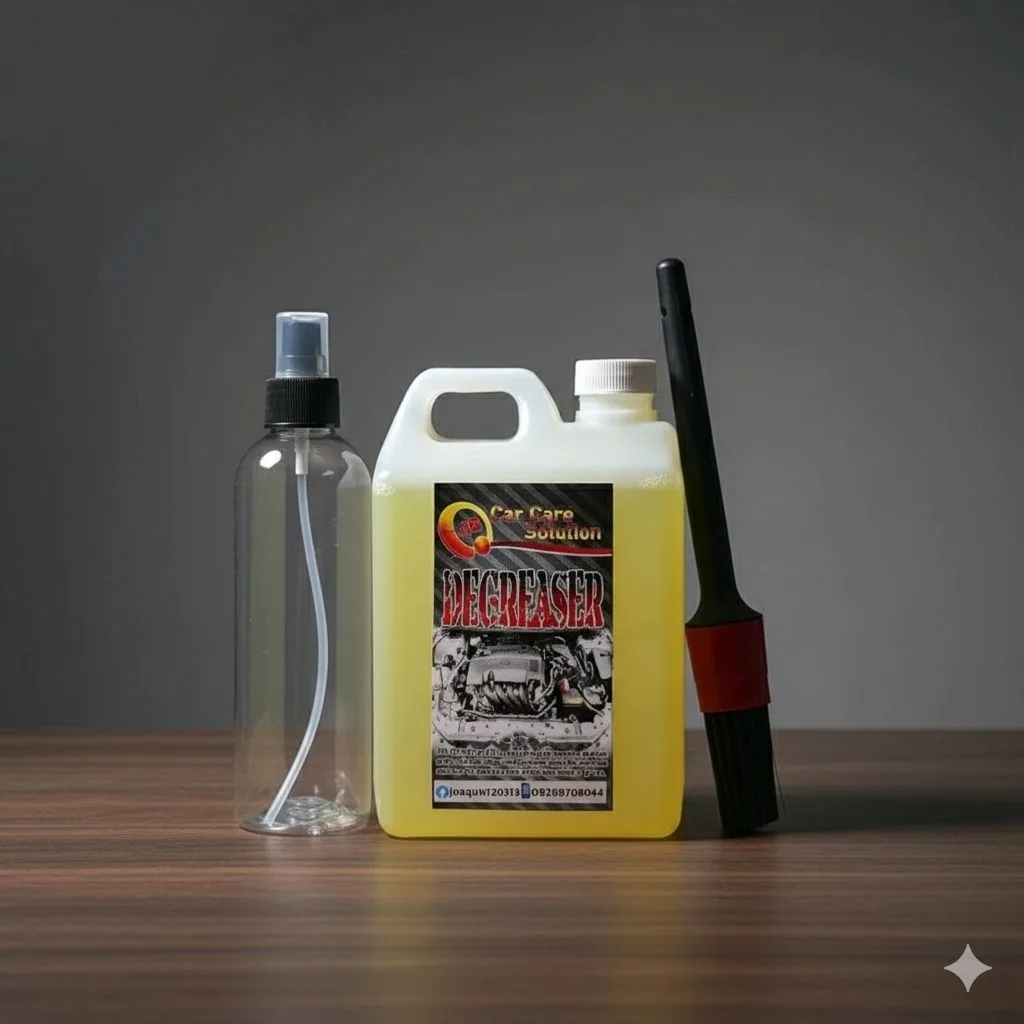
You don’t need a garage full of gear, but the right tools make the job safer and more effective.
| Tool/Supply | Purpose | Notes |
|---|---|---|
| Degreaser | Breaks down oil and grime | Use a water-based formula for plastics |
| Soft-bristle brushes | Agitates dirt without scratching | Nylon or boar’s hair for delicate areas |
| Microfiber towels | Drying and wiping surfaces | Lint-free to avoid scratches |
| Plastic bags + tape | Protects electrical components | Cover battery, fuse box, alternator |
| Pressure washer | Rinses engine bay and car exterior | Keep under 1,500 PSI for engines |
| Car wash soap | Cleans paint safely | pH-neutral to preserve wax and sealants |
| Garden hose | Alternative to pressure washer | Use a nozzle with adjustable spray |
Step-by-Step: How to Wash Your Car Exterior the Right Way
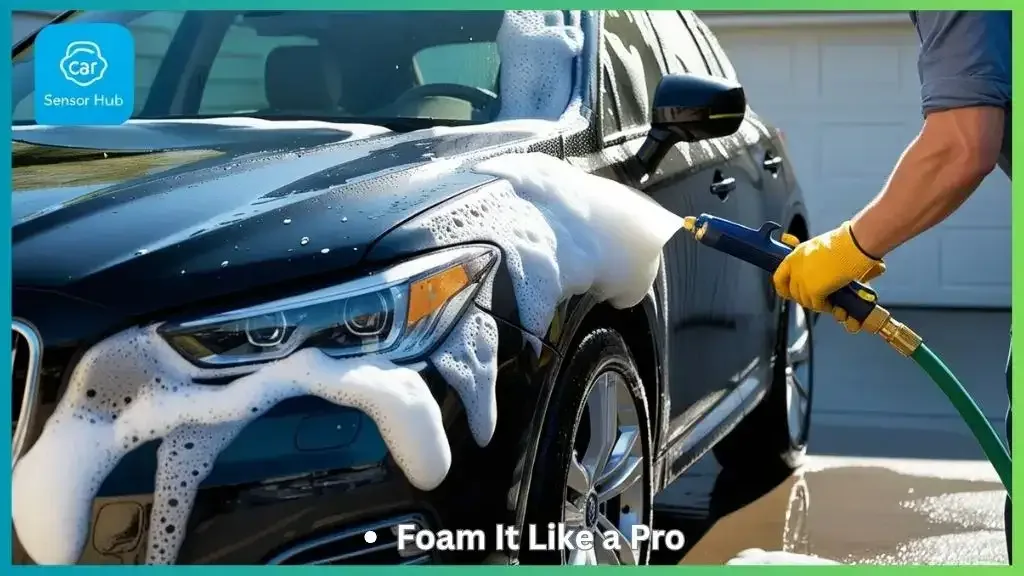
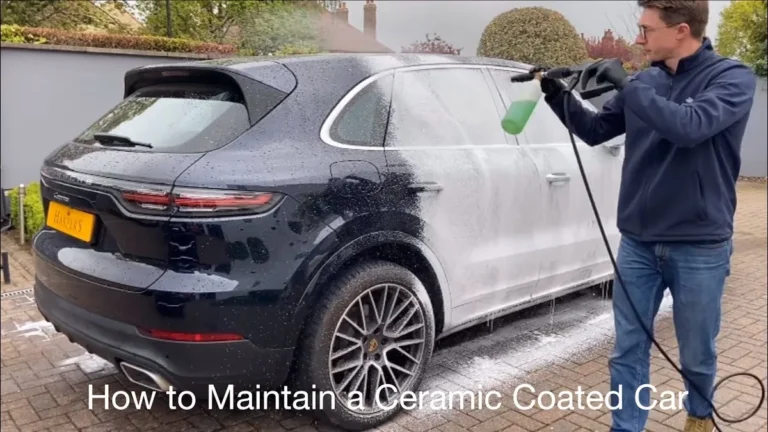
Start with a rinse to remove loose dirt. Use a pressure washer at 1,200, 1,900 PSI or a garden hose with a nozzle. Work from the top down to avoid re-soiling cleaned areas.
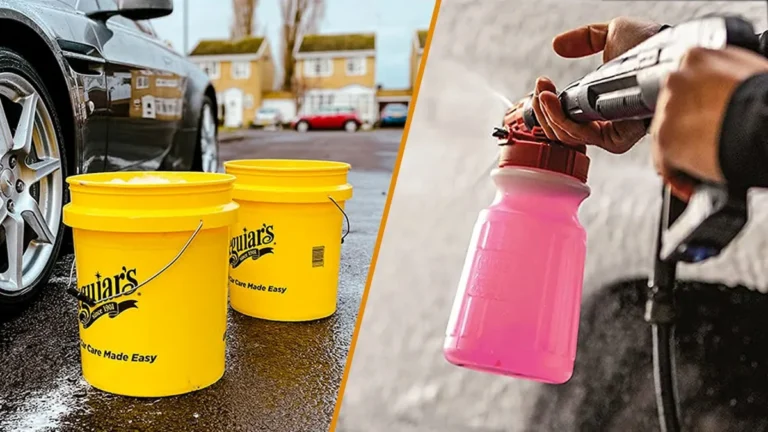
Use the two-bucket method. One bucket holds soapy water, the other holds clean rinse water. Dip your mitt in the soap bucket, wash a panel, then rinse the mitt in the clean water bucket before reloading with soap.
Wash wheels and wheel wells first. They collect the most brake dust and road grime. Use a dedicated wheel cleaner and a stiff brush for tires.
Avoid acidic cleaners on alloy wheels as they can cause corrosion.
Rinse thoroughly after washing. Leftover soap can leave streaks or spots. Dry with a microfiber towel or chamois to prevent water spots.
Step-by-Step: How to Clean an Engine Bay Without Frying Your Car
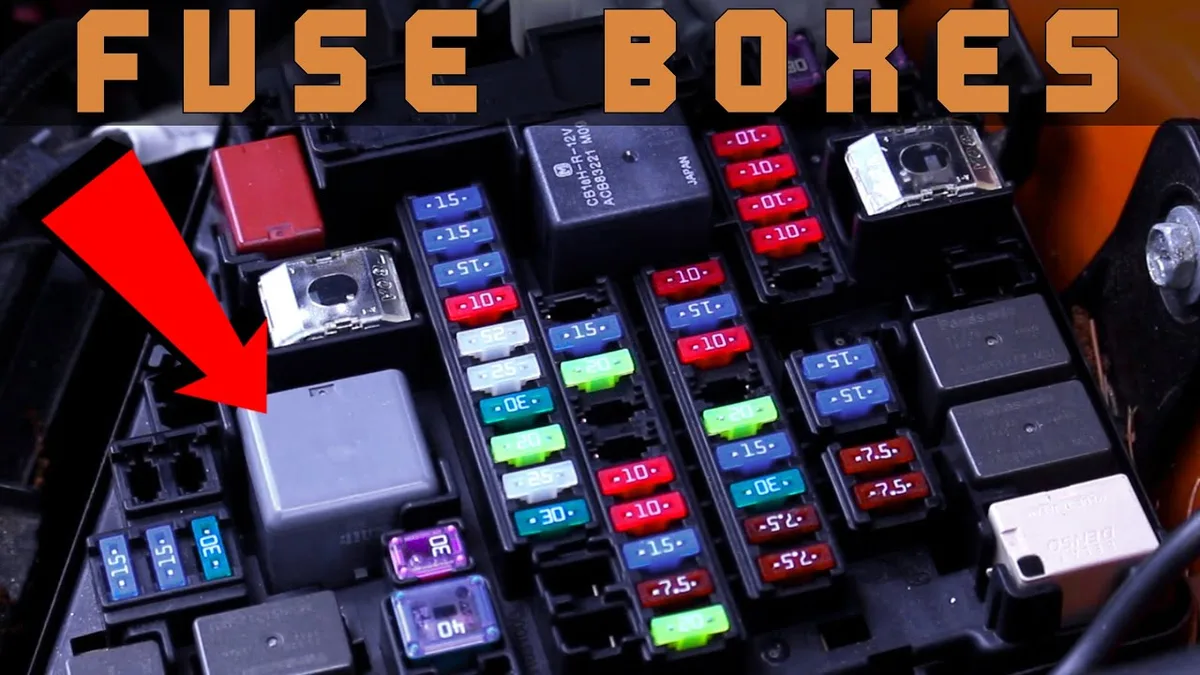
Let the engine cool completely. Hot components can warp or crack when exposed to cold water. This also prevents burns from touching hot surfaces.
Cover electrical parts with plastic bags and secure them with tape. Focus on the battery, fuse box, alternator, and spark plug wells. Remove any loose debris with a soft brush or compressed air.
Apply degreaser to heavily soiled areas. Let it dwell for 5, 10 minutes to break down grime. Use a soft-bristle brush to agitate stubborn spots.
Avoid spraying degreaser directly onto painted surfaces or plastic trim.
Rinse carefully with low pressure. Use a garden hose or pressure washer set below 1,500 PSI. Keep the nozzle at least 2 feet away from electrical components.
Remove the plastic bags and dry the engine bay with a microfiber towel or compressed air.
Pressure Washer vs. Garden Hose vs. Hand Wash: Which to Use When
A pressure washer is fastest for large jobs. It blasts away dirt quickly but requires caution around delicate parts. Keep the PSI under 1,900 for car paint and under 1,500 for engine bays.
A garden hose is safer for beginners. It provides enough force to rinse without risking damage. Use a nozzle with adjustable spray patterns for versatility.
Hand washing is best for precision. It lets you control the pressure and focus on tough spots. It’s time-consuming but ideal for small areas or sensitive surfaces.
Degreaser vs. Soap vs. All-Purpose Cleaner: What Works Best Where
Degreasers cut through oil and grease. They’re essential for engine bays and undercarriages. Use water-based formulas for plastics and rubber to avoid damage.
Car wash soap is pH-neutral. It cleans paint safely without stripping wax or sealants. Avoid dish soap as it can damage clear coats over time.
All-purpose cleaners are versatile but not ideal for everything. They can clean interior surfaces and some engine components. Test on a small area first to check for discoloration or damage.
Common Mistakes That Ruin Paint, Electronics, or Your Day
Using too much pressure can etch paint or force water into sensitive areas. Keep pressure washers at safe PSI levels and maintain distance from surfaces.
Skipping the pre-wash rinse leaves dirt to scratch the paint. Always rinse first to remove loose contaminants before washing.
Not drying the car properly leads to water spots. Use a clean microfiber towel or chamois to dry thoroughly. Water spots can etch into paint if left to bake in the sun.
Drying and Finishing: The Part Most People Skip (But Shouldn’t)
Use a microfiber towel or chamois to dry the car. Synthetic materials absorb water without scratching paint. Start from the top and work down to avoid dripping water onto dry areas.
For the engine bay, compressed air helps blow water out of crevices. A leaf blower on low setting works too. Follow up with a microfiber towel to catch any remaining moisture.
Apply a quick detailer or spray wax after drying. This adds a protective layer and enhances shine. For engine bays, a light coat of dressing on plastic and rubber parts restores a like-new look.
How Often Should You Really Be Doing This?
Wash the car exterior every two weeks. This prevents dirt buildup and protects the paint. In winter or high-salt areas, wash weekly to avoid corrosion.
Clean the engine bay every 6 to 12 months. More frequent cleaning is needed if you drive in dusty conditions or notice oil leaks. Over-cleaning can wear out seals and gaskets over time.
Pro Tips to Save Time, Avoid Damage, and Get Better Results
Work in the shade. Direct sunlight causes soap to dry too quickly, leaving streaks. Early morning or late afternoon are ideal times.
Use separate mitts for wheels and body. Wheel cleaner contains harsh chemicals that can contaminate your wash mitt. This prevents transferring brake dust to the paint.
Pre-treat bird droppings and tree sap immediately. These can etch paint if left too long. A dedicated cleaner or even a damp cloth can remove them before they harden.
When to Call a Professional Instead of DIY
Seek a pro if your engine bay has heavy oil or grease buildup. Professionals have industrial-strength degreasers and tools to handle tough jobs safely.
Consider a detail shop for paint correction. If your car has swirl marks or deep scratches, a professional can restore the finish. DIY attempts can sometimes make the damage worse.
For classic or high-end cars, professional cleaning is often worth the cost. These vehicles may have delicate finishes or unique materials that require specialized care.
Frequently Asked Questions
Can I use dish soap to wash my car?
No. Dish soap is too harsh for automotive paint. It strips wax and can damage clear coats over time.
Stick to pH-neutral car wash soap.
Is it safe to pressure wash an engine bay?
Yes, but with caution. Use a pressure washer under 1,500 PSI and keep the nozzle at least 2 feet away. Cover electrical components first.
How do I remove water spots from my car?
Use a water spot remover or a vinegar and water solution. Apply with a microfiber cloth and buff gently. Prevent spots by drying the car thoroughly after washing.
Can I clean my engine bay with just a garden hose?
Yes. A garden hose with a nozzle provides enough pressure for most jobs. It’s safer than a pressure washer for beginners.
What’s the best way to dry my car after washing?
Use a clean microfiber towel or chamois. Start from the top and work down. For hard-to-reach areas, a leaf blower on low setting helps remove water.