Black Friday deals are live on Amazon · limited-time discounts, grab them before they’re gone
Grab the deals

ByMax Lee
How to Wash and Dry a Black Car: Ultimate Guide for a Flawless Shine
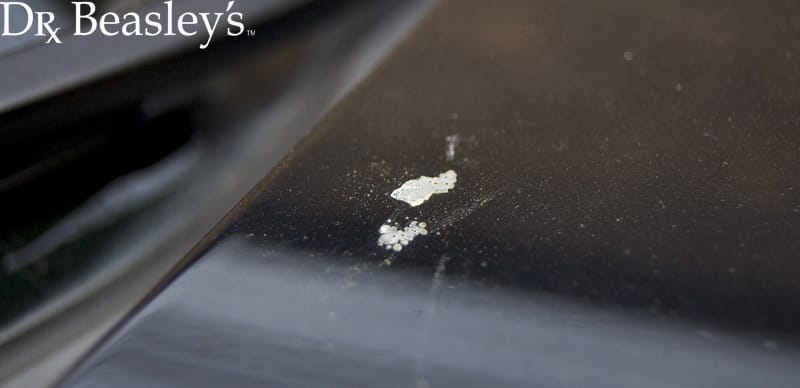
Black paint can look exceptionally glossy, but it also reveals everything: dust, dried water, fingerprints, swirl marks, and tiny scratches. The problem is not that black paint is automatically more delicate than lighter paint. Defects simply contrast more strongly against a dark, reflective surface.
The safest approach is to reduce friction, keep dirty water away from your wash media, and dry the vehicle before mineral deposits can remain on the finish. This guide explains how to wash and dry a black car safely, whether it has traditional wax, a paint sealant, or a ceramic coating. You can also read our guide on how often should i wash my black car.
What You Need Before Washing
Gather everything before turning on the hose. Searching for supplies while the vehicle is wet often allows soap or rinse water to dry on the paint.
Essential equipment
- Two clean buckets, preferably with grit guards
- pH-balanced automotive shampoo
- Microfiber wash mitts
- Separate wheel and paint-cleaning tools
- Hose with an adjustable nozzle
- Several clean, high-quality microfiber drying towels
- Soft detailing brushes for emblems, grilles, and trim
- Wheel cleaner suitable for your wheel finish
- A dedicated wheel brush
- Nitrile gloves, if your products require them
Optional products for deeper care
- Foam cannon or pump foamer
- Leaf blower or car dryer
- Iron-removing decontamination spray
- Clay mitt or clay bar with proper lubricant
- Spray sealant, wax, or coating maintenance product
- Automotive glass cleaner
- pH-neutral all-purpose cleaner for tires and wheel wells
A clean, plush microfiber towel is safer than a household towel because it is designed to trap particles rather than drag them across the clear coat. Avoid towels that have been washed with fabric softener, as residue can reduce absorbency. You can also read our guide on best car wash soap for ceramic coated cars.
For the wash solution, choose a shampoo compatible with your protection. If the car has a ceramic coating, a coating-safe shampoo is usually the appropriate choice. A compatible paint-safe wash routine helps preserve the coating’s water behavior without relying on aggressive cleaners.
Choose the Right Time and Location
Wash the car in shade, on a cool surface, and away from strong wind. Early morning or late afternoon is often easier than the middle of the day.
Do not judge the surface only by air temperature. If the hood or roof feels warm to your hand, water and shampoo may evaporate too quickly. Direct sunlight can leave mineral-rich droplets behind before you have time to rinse them.
Before starting:
- Close the windows, sunroof, doors, and trunk.
- Remove watches, rings, and bracelets that could touch the paint.
- Put the wash buckets in a stable position where they cannot tip over.
- Keep wheel tools separate from paint tools.
- Confirm that the paint is cool enough to remain wet during the wash.
If shade is unavailable, work one small panel at a time, rinse frequently, and stop whenever the surface begins drying.
Step 1: Rinse Away Loose Contamination
Begin with a thorough rinse from the roof downward. The objective is to remove loose dust, sand, road film, and grit before a wash mitt touches the paint.
Use the nozzle at a sensible distance. Extremely high pressure held close to a panel can force water under damaged trim, lift loose badges, or worsen existing paint chips. Pay special attention to:
- Wheel arches
- Lower doors
- Rocker panels
- Rear bumper
- Front grille
- Areas behind license plates
- Gaps around mirrors and emblems
A filtered water supply can reduce mineral spotting in hard-water areas. If you use a hose filter, choose one designed for washing rather than assuming any household filter will remove all dissolved minerals. A suitable wash-water filter can make drying easier, but it does not replace careful technique.
Step 2: Clean the Wheels and Tires
Wheels are usually among the dirtiest parts of the vehicle, so clean them before washing the painted panels. Brake dust and road grit can transfer to a mitt and create scratches.
Use a wheel cleaner labeled for your specific finish. Painted, clear-coated, polished, chrome, and matte wheels may require different products. Never allow wheel cleaner to dry on a hot wheel.
Work on one wheel at a time:
- Rinse the wheel, tire, and wheel arch.
- Apply the product according to its label.
- Agitate the tire sidewall with a dedicated brush.
- Clean the wheel face and inner barrel with separate tools.
- Rinse completely.
- Move to the next wheel.
Keep wheel brushes and wheel buckets away from the paint-washing equipment. Even a small piece of metallic brake dust can become an abrasive contaminant.
Step 3: Prepare the Two-Bucket Wash
Fill one bucket with clean rinse water and the other with the recommended amount of car shampoo and water. Add shampoo to the bucket after some water is already present to reduce excessive foam.
A grit guard can help particles settle at the bottom, although it does not make a contaminated bucket automatically safe. The important habit is to rinse the mitt thoroughly before returning it to the shampoo bucket.

Credit: www.drbeasleys.com
Use a dedicated microfiber mitt and plenty of lubricating shampoo.
Step 4: Wash the Paint from Top to Bottom
Start with the cleanest surfaces and finish with the dirtiest. A practical order is:
- Roof
- Windows and upper pillars
- Hood and trunk
- Upper door panels
- Lower doors
- Front and rear bumpers
- Rocker panels
Dip the mitt into the shampoo, then wash a small section using straight, light passes. Do not press hard. Pressure does not improve cleaning; it increases the chance that trapped grit will mark the clear coat.
After each small section:
- Rinse the mitt in the clean-water bucket.
- Agitate it gently against the grit guard or bucket surface.
- Inspect it for visible particles.
- Reload it with shampoo.
- Continue to the next section.
Use a separate mitt for the lower panels if the vehicle is heavily soiled. Do not use the same mitt on wheels and paint.

Credit: www.drbeasleys.com
Lubricating shampoo lets the mitt glide over the clear coat with less friction.
Step 5: Rinse Thoroughly
Rinse from the top down until no shampoo remains. Open the doors briefly and rinse the jambs if they contain road grime, but avoid flooding the interior.
A gentle final rinse can help water sheet off large panels. This leaves fewer droplets behind than a narrow, forceful stream. Check mirrors, grilles, handles, badges, and trim because these areas often hold hidden suds.
If your vehicle has a ceramic coating or sealant, strong water beading may leave many small droplets. That is useful for runoff, but it also means you must dry carefully before those droplets evaporate.
Step 6: Dry the Black Car Without Creating Swirl Marks
Drying is not an afterthought. On black paint, poor drying technique can create both visible water spots and fine marring.
The safest drying process
- Begin immediately after the final rinse.
- Use a clean, high-pile microfiber drying towel.
- Lay the towel flat and gently pull it across the panel, or blot it in place.
- Use a second towel when the first becomes saturated.
- Dry panel gaps, mirrors, handles, grilles, and trim before they drip onto finished panels.
- Finish with a clean, dry towel for any remaining beads.
Avoid circular rubbing. If a towel stops absorbing, replace it rather than applying more pressure. In practice, using several towels is safer than trying to make one towel cover the entire vehicle.
A filtered air dryer or leaf blower can remove water from badges, mirrors, window seals, grille openings, and wheel bolts before it runs back over clean paint. Keep the air stream free from dust and avoid directing debris toward the finish.
Drying aids
A drying aid or spray sealant can add lubrication while you towel-dry, but use only a product compatible with the vehicle’s existing protection. Apply it sparingly to a wet panel and follow the product directions. Too much product can leave streaks, especially on black paint.
Do not use a quick detailer to conceal heavy dirt. It is intended for light finishing after washing, not for cleaning a gritty vehicle without rinsing.
Step 7: Inspect the Finish in Good Lighting
Once dry, inspect the vehicle from several angles. Bright shade, a garage light, or indirect daylight can reveal:
- Water spots
- Remaining tar or bug residue
- Streaks from excess product
- Embedded iron particles
- Existing swirl marks
- Scratches or paint chips
If a mark remains after a proper wash, do not automatically scrub harder. It may be bonded contamination or etching rather than surface dirt. Scrubbing can worsen the defect.
Removing Bonded Contamination
Clay treatment
A clay bar or clay mitt can remove particles that washing does not release, such as overspray or industrial fallout. Use it only after washing and rinsing, with plenty of dedicated clay lubricant. Work a small area at a time and stop if the surface feels clean.
Clay can create light marring, particularly on soft or dark paint. Plan to apply a light polish afterward if the finish becomes hazy.
Iron and tar removal
An iron-removing product may help with embedded metallic particles, while a tar remover is more appropriate for asphalt spots and road residue. Follow the label, keep the surface cool, and never let chemical products dry on the paint.
If the paint has etched water spots or widespread swirl marks, correction usually requires polishing rather than repeated washing. Severe defects may need professional machine polishing.
Protect the Finish After Washing
Protection makes future cleaning easier, but it does not make the car scratch-proof.
Choose one system and maintain it according to its instructions:
- Wax: Easy to apply and visually warm, but generally requires more frequent renewal.
- Paint sealant: Usually lasts longer than traditional wax and is often easier to maintain.
- Ceramic coating: Provides durable chemical resistance and strong water behavior, but requires correct preparation and maintenance.
- Spray sealant: Convenient for regular upkeep and useful between larger detailing sessions.
Apply protection only to clean, dry paint unless the product specifically says it can be used on a wet surface. Keep wax and sealant off unprotected matte trim unless the label confirms compatibility.
For routine exterior care, an air compressor can help blow water from seams and emblems, provided the air is clean and the nozzle is kept at a safe distance. Select equipment based on practical airflow and duty-cycle needs rather than tank size alone.
How Often Should You Wash a Black Car?
There is no universal schedule. Wash when the car has accumulated visible road film, pollen, bird droppings, salt, or other contamination. Many daily-driven vehicles benefit from washing roughly every one to two weeks, while a garaged weekend vehicle may need less frequent cleaning.
Wash promptly after:
- Bird droppings
- Bug impacts
- Tree sap
- Road salt or de-icing chemicals
- Construction dust
- Heavy rain followed by hot sunlight
Bird droppings and bug residue can become difficult to remove when they dry. Soak them with a damp microfiber towel or appropriate cleaner rather than scraping them.
A consistent between-wash maintenance plan reduces the need for aggressive cleaning later.
Common Mistakes That Damage Black Paint
| Mistake | Why it causes problems | Better approach |
|---|---|---|
| Washing with one bucket | Dirty water returns grit to the mitt | Use separate wash and rinse buckets |
| Using dish soap regularly | It is not formulated for automotive finishes and may remove protection | Use pH-balanced car shampoo |
| Washing in direct sun | Water and shampoo dry before you can rinse them | Work in shade on a cool surface |
| Using a sponge with no pile | Particles can remain against the paint | Use a clean microfiber mitt |
| Washing wheels with the paint mitt | Brake dust and grit can scratch the clear coat | Keep wheel tools separate |
| Scrubbing stuck-on contamination | Friction can create marring or remove protection | Soak, chemically treat, or clay as appropriate |
| Reusing dirty towels | Trapped particles can drag across the finish | Wash and inspect towels after every use |
| Letting water dry naturally | Minerals can leave spots or etch the surface | Dry promptly with clean towels |
| Applying too much detail spray | Excess product can create streaks on dark paint | Use a light, even application |
| Treating a ceramic coating like a shield | Coatings resist chemicals but can still be scratched | Continue using gentle wash methods |
Environmental and Safety Considerations
Do not mix wheel cleaners, degreasers, iron removers, or other chemicals unless the product manufacturer explicitly permits it. Wear gloves and provide ventilation when using concentrated products.
Where possible, wash on a permeable surface and keep chemical-laden runoff away from storm drains. Local rules vary, so consult your municipality. The U.S. Environmental Protection Agency provides broader guidance on preventing pollutants from entering stormwater systems.
When cleaning glass, use a separate towel from the paint-drying towels. This prevents glass cleaner residue and interior grime from transferring to the clear coat.
A Practical Black-Car Wash Checklist
Before washing:
- Park in shade
- Confirm the paint is cool
- Separate wheel and paint tools
- Prepare clean microfiber towels
- Set up wash and rinse buckets
During washing:
- Rinse loose dirt first
- Work from top to bottom
- Rinse the mitt frequently
- Avoid pressure and circular scrubbing
- Keep every panel wet until rinsed
After washing:
- Rinse all shampoo from trim and gaps
- Dry immediately
- Blow or towel-dry mirrors and emblems
- Inspect under good lighting
- Apply compatible protection if needed
A clean exterior also makes it easier to notice chips, damaged lights, restricted visibility, or other issues before driving. For broader vehicle upkeep, you can review inspection requirements and window-visibility rules relevant to your location.
Frequently Asked Questions
Is black paint harder to wash than white paint?
The washing process is essentially the same, but black paint shows water spots, dust, and marring more clearly. The key difference is the need for careful drying and low-friction washing rather than harsher products.
What is the best soap for a black car?
Use a lubricating, pH-balanced automotive shampoo. Black paint does not require a special black-colored soap. Product compatibility matters more than color, particularly if the vehicle has wax, sealant, or ceramic coating.
Can I wash a black car in direct sunlight?
It is better to avoid direct sunlight. If you have no alternative, wash one small section at a time, keep the panel wet, rinse frequently, and dry immediately.
Should I use a pressure washer?
A pressure washer can improve pre-rinsing when used responsibly. Keep the nozzle away from damaged paint, loose trim, tires with sidewall damage, and sensitive seals. Pressure washing does not eliminate the need for a careful hand wash.
Can I let a black car air-dry?
Air-drying is risky in areas with hard water, high mineral content, dust, or heat. It can leave visible spots and may require polishing later. Dry with clean microfiber towels or filtered air instead.
Are regular bath towels safe for drying?
No. Household towels may be too rough, contaminated with lint or detergent residue, or unable to trap particles safely. Use clean automotive microfiber drying towels.
Does a ceramic coating prevent scratches?
No. A ceramic coating can improve chemical resistance and make maintenance easier, but it does not prevent scratches from dirty mitts, towels, brushes, or automatic wash equipment.
How do I remove water spots from black paint?
First wash and dry the vehicle properly. For fresh mineral deposits, use a manufacturer-approved water-spot remover. If the spots have etched the clear coat, polishing may be required. Do not attack them with aggressive scrubbing.
Conclusion
The best way to wash and dry a black car is to control contamination and friction at every stage. Rinse thoroughly, use separate wash and rinse water, clean from the top down, keep wheel grime away from the paint, and dry with clean microfiber towels before water evaporates.
Wash when the vehicle becomes contaminated rather than following a rigid calendar. With consistent technique and compatible protection, black paint can maintain a deep, reflective shine without unnecessary polishing or harsh cleaning.








