ByMax Lee
Idaho Right on Red Law: Complete Stop Rules Explained
Bing (Web (fair-use with source credit))
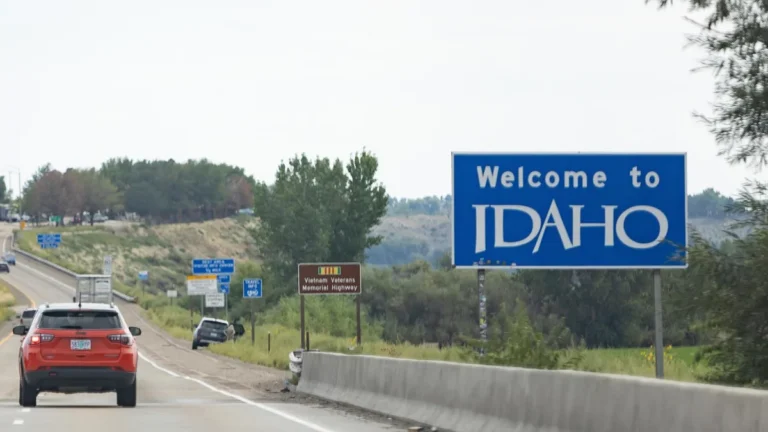
Idaho’s right-on-red law and complete stop requirements at intersections trip up even experienced drivers. The rules seem simple until you’re staring at a red light, wondering if that rolling stop was legal or if you can turn without getting ticketed.
Per Idaho Code §49-603 and §49-802, the difference between a legal turn and a $90 fine often comes down to a single second of hesitation. Get it wrong, and you’re not just risking a citation, you could be liable if an accident follows.
Quick Answer
Idaho allows right turns on red after a complete stop unless signs say otherwise. A complete stop means wheels motionless before the stop line or crosswalk. You must yield to pedestrians and cross traffic.
Red arrows have stricter rules than circular red lights.
Idaho’s Right-on-Red Law: What You Actually Need to Stop For
Idaho follows the national standard for right-on-red turns, but with a few key twists. The law permits the maneuver only after a full stop and when the path is clear. This isn’t just a suggestion, it’s a legal requirement under Idaho Code §49-603.
The rule exists to balance traffic flow with safety. Without it, intersections would clog, but with it comes the responsibility to stop completely. Skipping this step is one of the most common reasons drivers get pulled over in Idaho.
The Complete Stop Rule—What It Really Means in Idaho
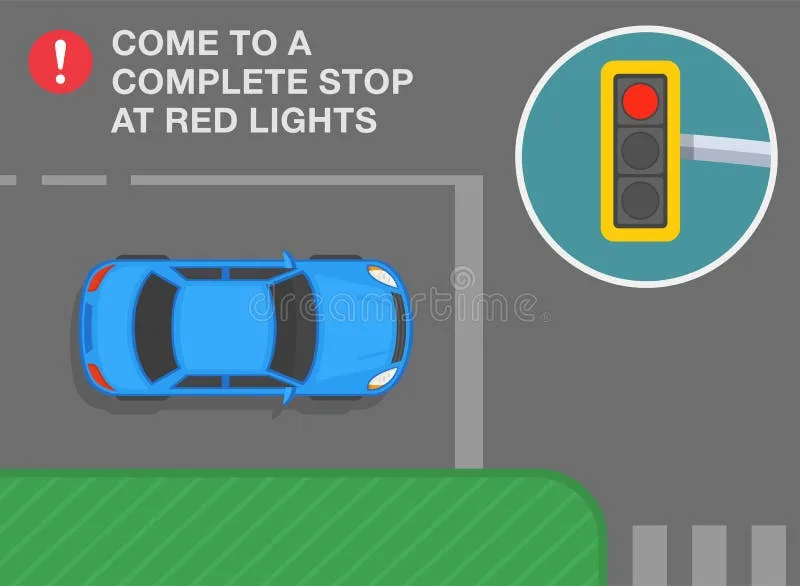
A complete stop isn’t open to interpretation. Idaho law defines it as bringing your vehicle to a halt with no forward momentum before the stop line, crosswalk, or intersection boundary. Rolling stops, even at 1 mph, don’t count.
Bing (Web (fair-use with source credit))
Courts and traffic cameras look for visible proof: wheels at rest, brake lights illuminated, and a clear pause. If an officer or camera can’t confirm a full stop, you’ll likely get a ticket. As of 2026, fines for this violation typically run $90, $120, plus court fees in some jurisdictions.
When You Can Turn Right on Red (And When You Can’t)
You can turn right on red in Idaho if:
- You’ve come to a complete stop
- No signs prohibit the turn (e.g., "No Turn on Red")
- The way is clear of pedestrians, cyclists, and oncoming traffic
- You’re not in a school zone or other restricted area
You cannot turn right on red if:
- A sign explicitly bans it
- You’re facing a red arrow (different from a circular red light)
- Pedestrians or cyclists are crossing or about to cross
- Local ordinances override state law (some cities ban it entirely)
Red Light vs. Red Arrow: The Critical Difference
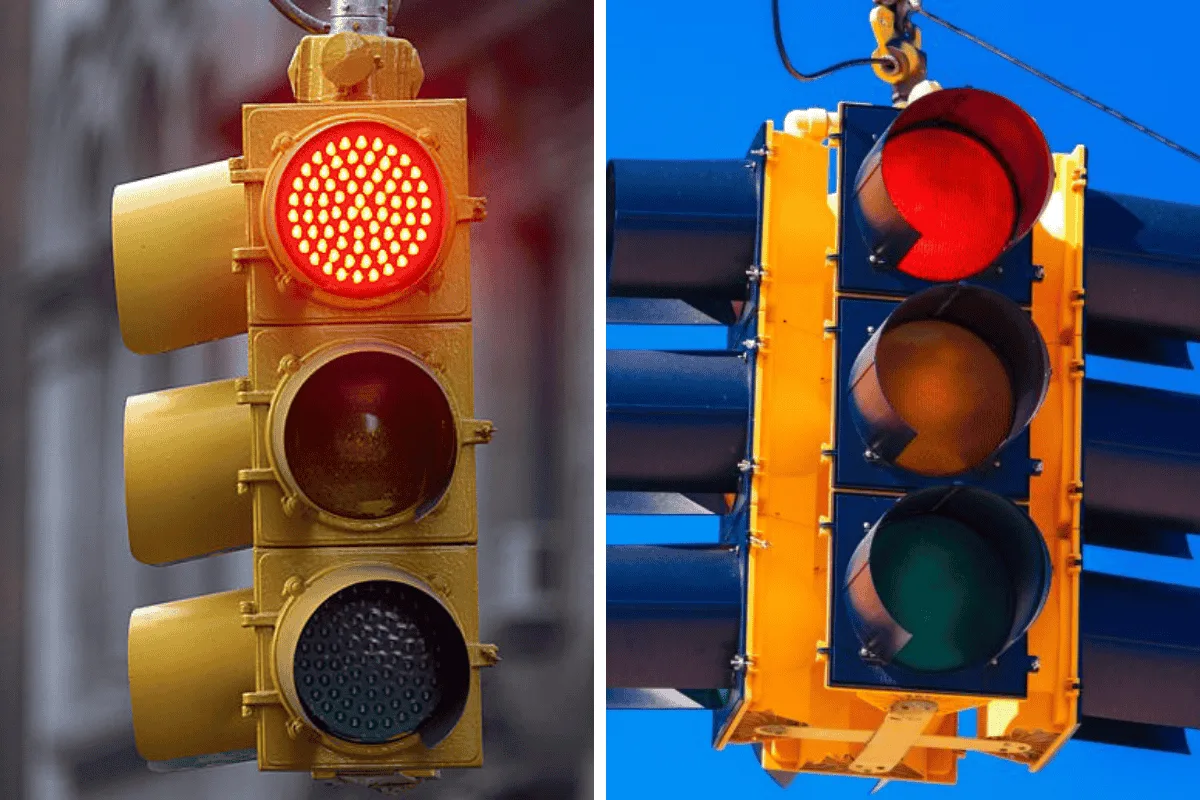
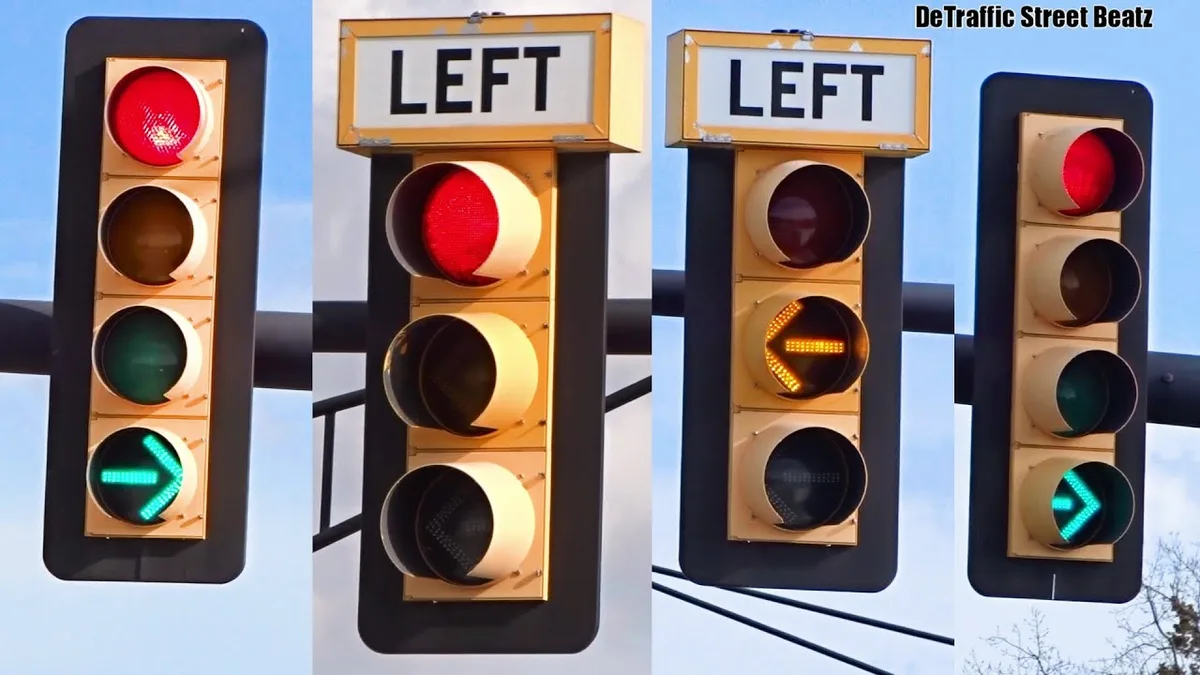
This is where many drivers get confused. A circular red light allows a right turn after a stop, but a red arrow does not, unless a sign says otherwise.
Bing (Web (fair-use with source credit))
A red arrow means no turns in that direction until the light changes. This applies to both right and left turns. The distinction is critical because violating a red arrow often carries the same penalties as running a red light, including higher fines and points on your license.
Pedestrians, Cyclists, and Cross Traffic—Who Has the Right of Way?
You must yield to all pedestrians and cyclists in the crosswalk or approaching the intersection. This rule applies even if they’re not directly in your path. Idaho Code §49-702 makes it clear: vehicles must stop for anyone legally crossing.
The same goes for oncoming traffic. If a car is turning left from the opposite direction, you can’t squeeze in a right turn until their path is clear. This is where most right-on-red accidents happen.
Local Exceptions: Cities and Zones Where Right-on-Red Is Banned
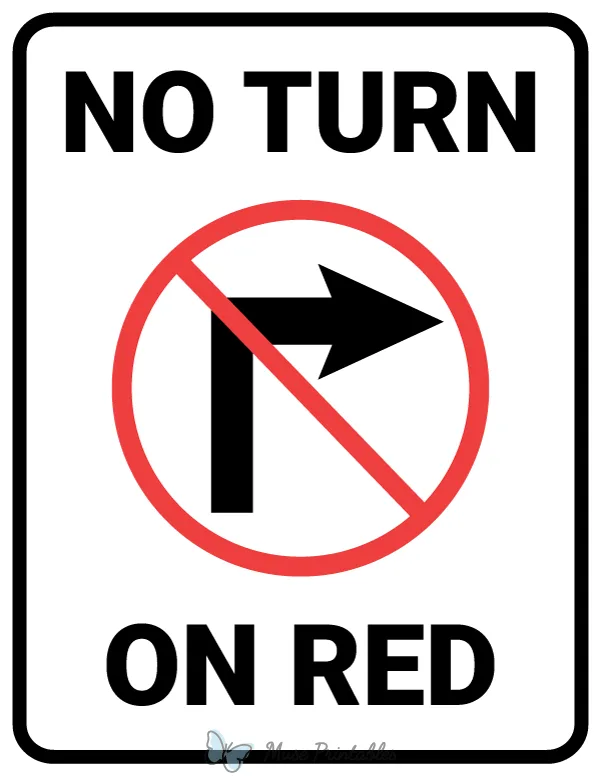
Some Idaho cities override the state rule with local ordinances. Boise, for example, bans right-on-red in certain high-traffic areas. Always look for signs.
Bing (Web (fair-use with source credit))
School zones and construction areas often have temporary restrictions. If you see a "No Turn on Red" sign, the rule is absolute. Ignoring it means a ticket, no exceptions.
The Exact Steps to Turn Right on Red Without Getting Ticketed
Come to a full stop behind the line or crosswalk. Check for signs prohibiting the turn. Look left, right, then left again for pedestrians and traffic.
Signal your turn and proceed only when the path is completely clear. Never assume other drivers will stop. A moment of hesitation can prevent a collision.
Rolling Stop vs. Full Stop—How Cops (and Cameras) Decide
A rolling stop is any movement while turning. Idaho law requires zero momentum before the stop line. Officers watch for brake lights and wheel movement.
Traffic cameras use the same standard. If your wheels don’t stop, it’s a violation. The fine is the same whether an officer or camera catches you.
Penalties for Getting It Wrong: Fines, Points, and Insurance Hits
A right-on-red or stop sign violation in Idaho typically costs $90, $120. It also adds 3 points to your license. Accumulate too many points, and you’ll face a license suspension.
Insurance companies often raise rates after a moving violation. A single ticket can increase your premium by 10, 20% depending on your provider. The financial hit lasts long after the fine is paid.
How to Fight a Right-on-Red or Stop Sign Ticket in Idaho
You can contest the ticket in court if you believe the stop was legal. Gather evidence like dashcam footage or witness statements. The burden of proof is on the officer or camera to show you didn’t stop completely.
If the signage was unclear or obscured, that may work in your favor. Judges often dismiss tickets when the violation isn’t cut and dry. Always show up prepared with documentation.
Winter Driving: Does Snow or Ice Change the Rules?
No, the rules stay the same even in bad weather. You must still come to a complete stop before turning. Snow or ice doesn’t excuse a rolling stop.
That said, visibility and braking distance are harder to judge in winter. If you can’t stop safely, don’t attempt the turn. Safety always comes before convenience.
Common Mistakes That Get Idaho Drivers Pulled Over
Assuming a right turn is always allowed is a big one. Many drivers don’t check for "No Turn on Red" signs. Another mistake is not yielding to pedestrians in the crosswalk.
Rolling stops are the most common violation. Officers watch for this, especially in school zones and busy intersections. A moment of impatience can cost you.
FAQs About Idaho’s Right-on-Red and Stop Sign Laws
Can you turn right on red at a red arrow in Idaho?
No. A red arrow means no turns in that direction until the light changes. This is stricter than a circular red light.
What counts as a complete stop in Idaho?
Your wheels must be motionless before the stop line or crosswalk. Any forward movement is a rolling stop and illegal.
Are right-on-red turns allowed in Boise?
Generally yes, but some intersections ban it. Always look for signs. Local ordinances can override state law.
How many points does a stop sign violation add to your license?
A stop sign or right-on-red violation adds 3 points to your Idaho driving record. Too many points can lead to suspension.
Can you get a ticket from a traffic camera for a rolling stop?
Yes. Idaho uses cameras to enforce stop sign and red light violations. The fine is the same as if an officer pulled you over.
Quick Reference: Idaho’s Right-on-Red Rules at a Glance
| Rule | Requirement |
|---|---|
| Complete stop | Wheels motionless before the line |
| Right turn on red | Allowed unless signs say otherwise |
| Red arrow | No turns in that direction |
| Pedestrians | Always yield right of way |
| Penalty | $90–$120 fine, 3 points on license |