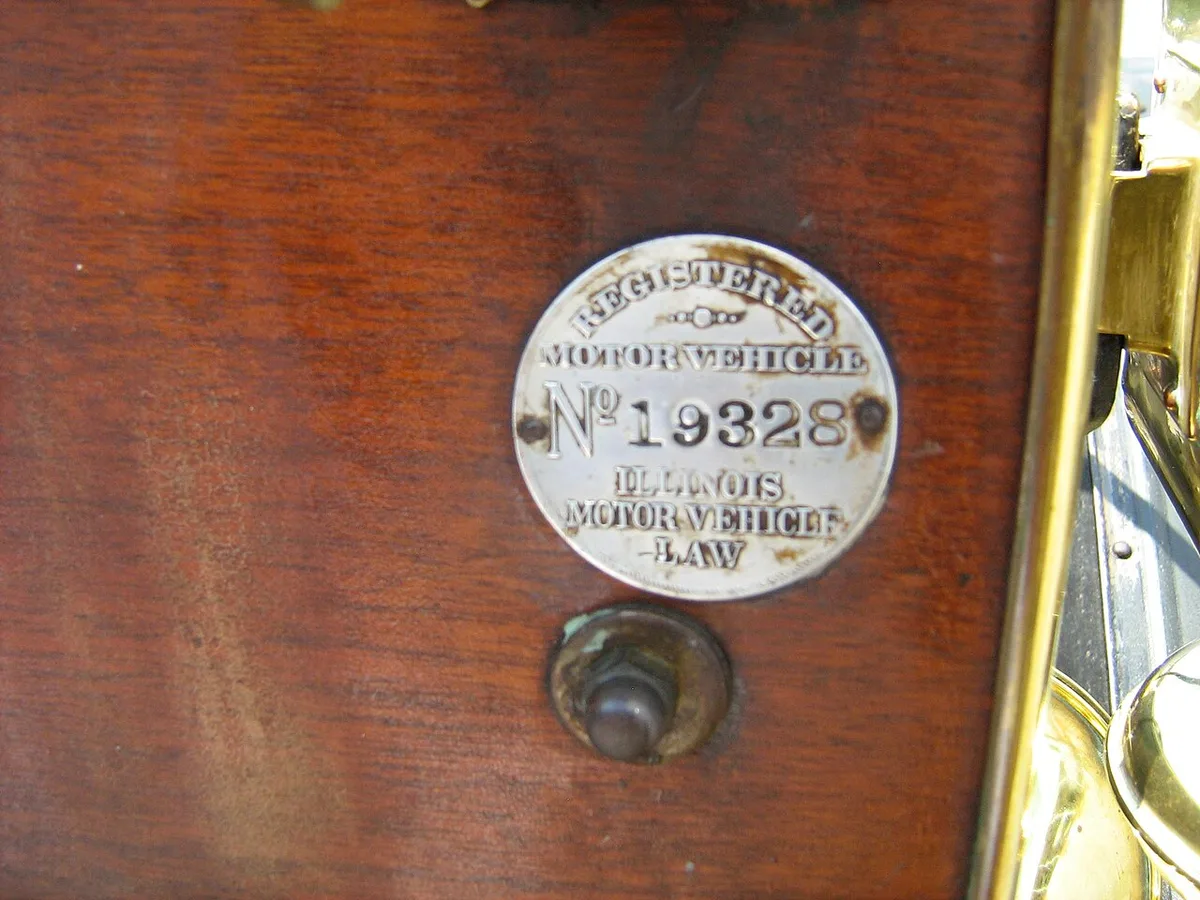
Illinois antique vehicle registration for cars 25 years and older lets you legally drive your classic while cutting costs and paperwork. The state offers special plates for qualifying vehicles, but the rules have strict limits.
As of 2026, the cutoff is clear: your car must be at least 25 years old. That means a 1999 model won’t qualify until 2025. The process is straightforward if you follow the steps, but one missed detail can derail your application.
Quick Answer
Illinois antique vehicle registration for cars 25 years and older requires a 25+ year old vehicle. You need a valid title and proof of insurance. Usage is limited to shows and occasional pleasure driving.
Fees range from $25 to $50.
Does Your Car Qualify for Illinois Antique Plates?
Your car must be 25 years or older as of the current year. For 2026, that means model year 1999 or earlier. There’s no flexibility on this rule.
The vehicle must also be in safe, operational condition. Illinois skips emissions testing for antique plates but expects working lights, brakes, and other basic safety features.
If your car is heavily modified, you’ll need custom plates instead. Antique plates are for original or restored vehicles, not hot rods or kit cars.
The 25-Year Rule and Other Hard Requirements
The 25-year rule is absolute. Illinois uses the model year, not the manufacturing date, to determine eligibility. A car built in late 1999 still isn’t eligible until 2025.
Other non-negotiable requirements include:
- A valid Illinois title in your name
- Proof of insurance (minimum liability)
- No outstanding fees or violations on the vehicle
If your car lacks a title, you’ll need to file an Affidavit of Ownership (VSD 193). A surety bond may also be required to prove ownership.
Antique vs. Historical vs. Custom: Which Illinois Plate Fits Your Car?
Illinois offers three main categories for older vehicles:
| Plate Type | Age Requirement | Usage Rules | Modifications Allowed? |
|---|---|---|---|
| Antique | 25+ years | Occasional use (shows, parades, pleasure driving) | Minor restorations OK |
| Historical | 25+ years | Same as antique | Must be original/unmodified |
| Custom | Any age | Same as antique | Heavily modified (hot rods, kit cars) |
Antique plates are the most common. They’re for cars that are mostly original but may have been restored.
Historical plates are stricter. Your car must be completely unmodified to qualify.
Custom plates are for vehicles that don’t fit the antique or historical mold, like hot rods or kit cars.
What You’ll Need Before You Apply
Gather these documents before visiting an Illinois Secretary of State (SOS) Vehicle Services office:
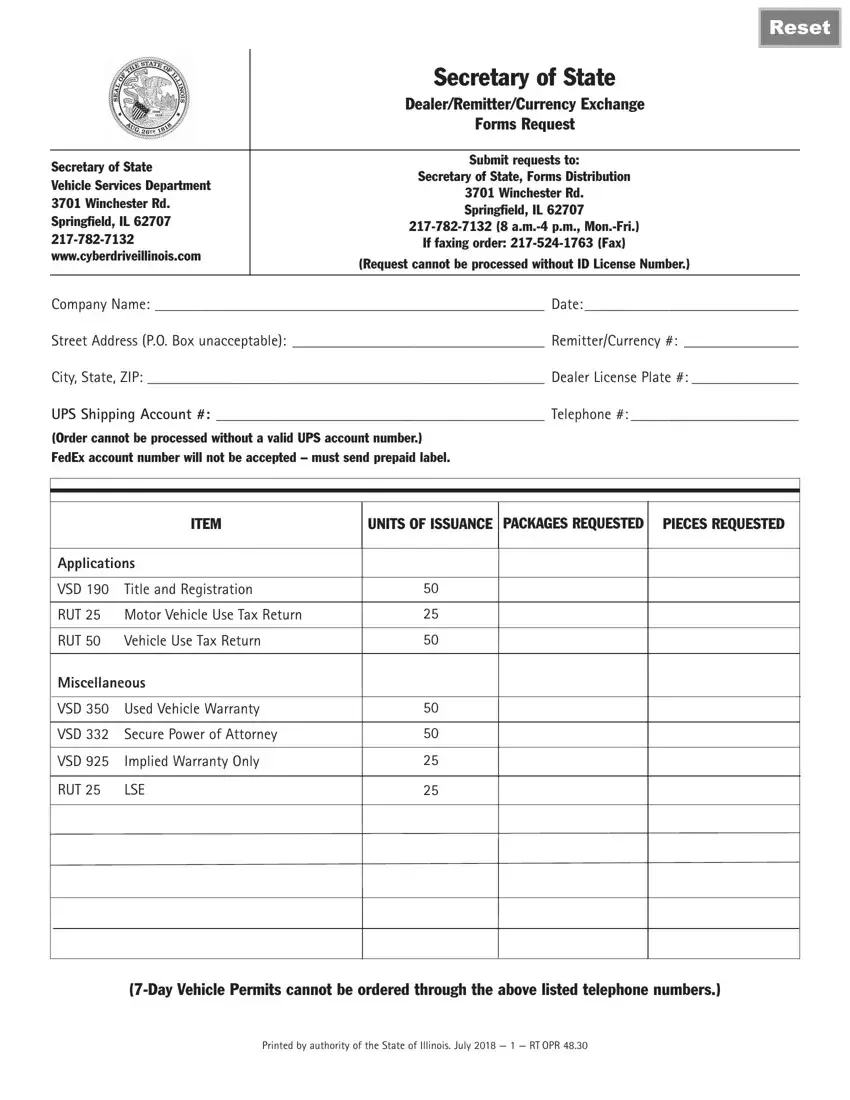
- Completed Application for Vehicle Transaction(s) (VSD 190)
- Illinois title (or out-of-state title + VIN verification)
- Proof of insurance (minimum liability)
- Payment for fees
If your car doesn’t have a title, you’ll also need:
- Affidavit of Ownership (VSD 193)
- Surety bond (if required)
- Bill of sale (if available)
For out-of-state titles, a VIN verification is mandatory. You can get this from a police department or Illinois State Police station.
Step-by-Step: How to Register an Antique Vehicle in Illinois
Verify eligibility Confirm your car is 25+ years old and meets the antique or historical definition.
Gather documents Collect your title, proof of insurance, and completed VSD 190 form.
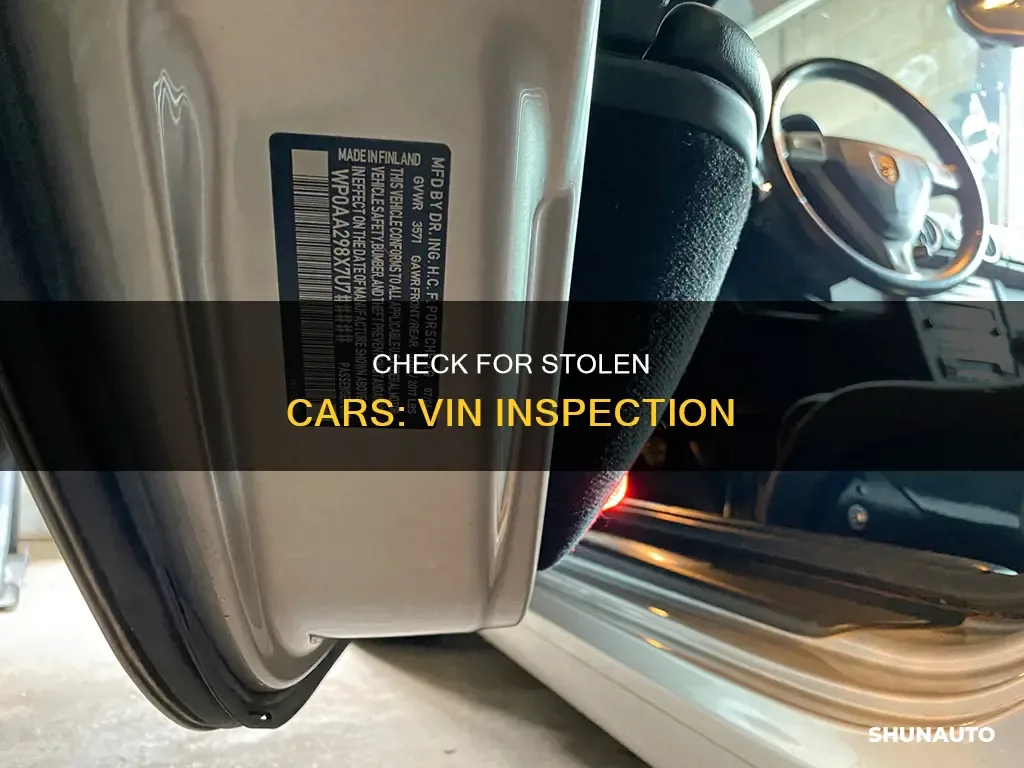
Get a VIN inspection (if needed) If your title is from out of state or missing, visit a certified VIN verifier.
Submit your application Bring everything to your local SOS facility or mail it to the address on the VSD 190 form.
Pay the fees Antique plate fees are $25, $50, depending on your county.
Receive your plates and registration You’ll get your plates and registration card on the spot or by mail.
Costs, Fees, and Hidden Expenses
Antique plate fees in Illinois run $25 to $50, varying by county. Historical plates may cost slightly more. Year-of-Manufacture (YOM) plates add $50, $100 if you want original-style tags.
Hidden costs can add up. A VIN verification might cost $0 to $20 at a police station. If you need a surety bond for a missing title, expect $100 to $500 depending on the car’s value.
Some counties charge extra processing fees for mail-in applications. Always confirm the total with your local SOS office before applying.
Where to Go and Who to See (SOS, VIN Verifiers, and More)

Your first stop is an Illinois Secretary of State Vehicle Services facility. Most counties have at least one location, and larger cities often have multiple.
For VIN verification, you have several options:
- Police departments (often free)
- Licensed dealerships
- SOS-approved mechanics
If mailing your application, use the address on the VSD 190 form. Processing times for mail-in applications can take 2 to 4 weeks.
The Biggest Mistakes That Get Applications Rejected
The top reason for rejection is incomplete paperwork. A missing signature or blank field on the VSD 190 will get your application sent back.
Another common issue is wrong plate type. Applying for antique plates on a heavily modified car will be denied. Custom plates are required for significantly altered vehicles.
Out-of-state titles without VIN verification are another frequent problem. Illinois requires proof that the VIN matches the vehicle. Skipping this step means automatic rejection.
Can You Actually Drive It? Illinois’ Usage Rules for Antique Plates
Antique plates are not for daily driving. Illinois restricts their use to occasional pleasure driving, parades, and car shows.
There’s no strict mileage limit, but the intent is clear. Using antique plates for your daily commute violates state law.
You can drive your antique car year-round. However, many owners store them in winter to avoid salt damage, even though Illinois doesn’t require seasonal restrictions.
Insurance: What’s Required and What’s Smart
Illinois requires minimum liability insurance for antique vehicles. The state minimums are:
- $25,000 for injury/death per person
- $50,000 per accident
- $20,000 for property damage
Many owners choose specialty classic car insurance. These policies often cost less than standard coverage and include agreed-value protection, which pays a predetermined amount if your car is totaled.
Standard insurers may undervalue a restored classic. A specialty policy ensures coverage matches the car’s true worth, not just its depreciated book value.
FAQs About Illinois Antique Vehicle Registration
Can I use antique plates on a daily driver?
No. Illinois restricts antique plates to occasional use only. Daily commuting violates state law and can result in fines or registration revocation.
What’s the difference between antique and historical plates?
Antique plates allow minor restorations. Historical plates require the vehicle to be completely original and unmodified.
Do I need emissions testing for an antique car?
No. Illinois waives emissions testing for vehicles with antique or historical plates.
How long does it take to get antique plates?
In-person applications often provide plates on the spot. Mail-in applications can take 2 to 4 weeks for processing.
Can I register a car without a title?
Yes, but you’ll need to file an Affidavit of Ownership and may require a surety bond. A VIN verification is mandatory.
What happens if I’m caught using antique plates improperly?
You may face fines and could have your antique registration revoked. Illinois takes misuse of these plates seriously.