ByMax Lee
Illinois Move Over Law: Protect Emergency Workers
Illinois’ Move Over Law for stationary authorized emergency vehicles and workers exists to protect first responders and roadside workers from preventable tragedies. The law, officially known as Scott’s Law (625 ILCS 5/11-907), requires drivers to change lanes or slow down when approaching these vehicles. As of 2026, violations can result in fines up to $25,000 and license suspension if they cause injury or death.
This isn’t just about police cars, it covers tow trucks, IDOT vehicles, and any authorized worker with flashing lights. Understanding the specifics could save a life, including yours.
Quick Answer
The Illinois move over law for stationary authorized emergency vehicles and workers requires you to change lanes away from them. If you can't, slow down and proceed with caution. It applies to police, fire, EMS, tow trucks, and highway maintenance vehicles.
Fines start at $250 and escalate for violations causing harm.
What Illinois’ Move Over Law (Scott’s Law) Actually Requires
Scott’s Law mandates that drivers take specific actions when approaching stationary authorized vehicles with flashing lights. The law was named after Lieutenant Scott Gillen of the Chicago Fire Department, who was struck and killed by a drunk driver in 2000 while assisting at a crash scene.
Bing (Web (fair-use with source credit))
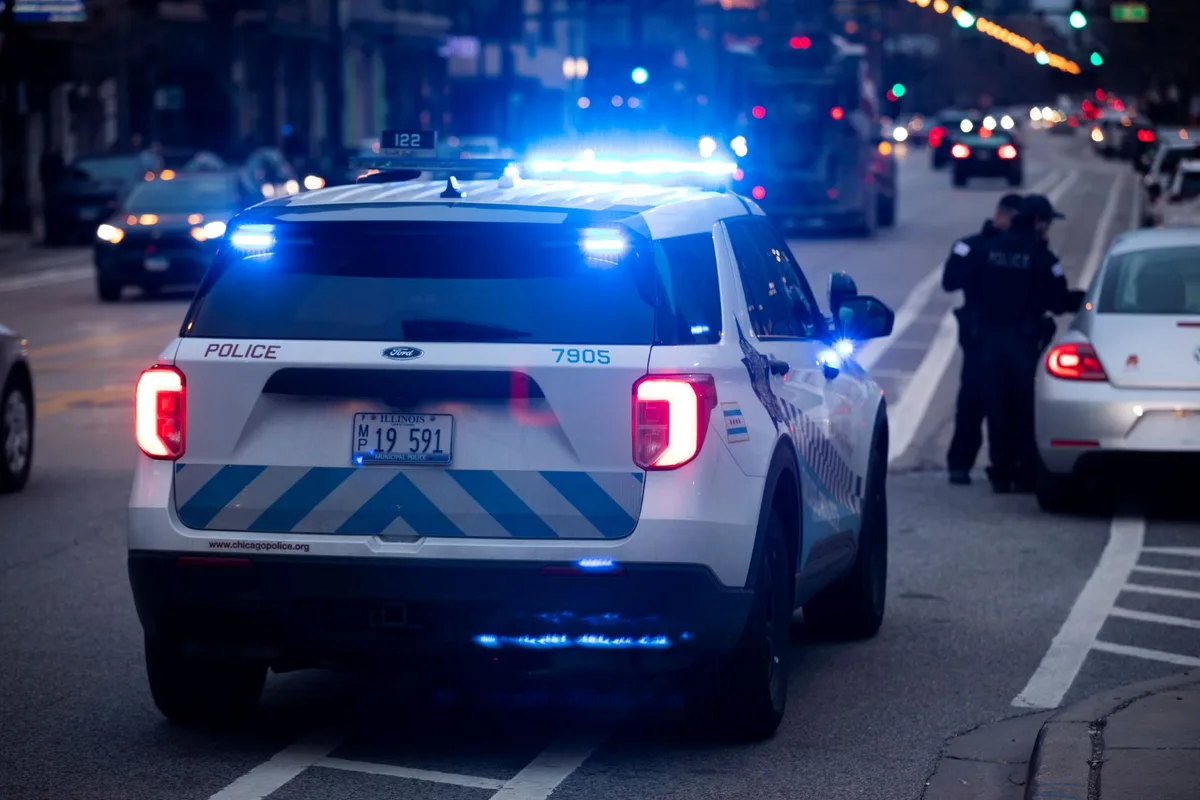
The core requirement is simple: if you see a stationary vehicle with flashing lights, you must move over to a non-adjacent lane if it’s safe to do so. If you can’t change lanes, you must slow down and proceed with due caution. This applies to all roadways in Illinois, including interstates, highways, and local streets.
The law was expanded in 2020 to include tow trucks and highway maintenance vehicles, not just emergency responders.
Why This Law Exists—and Why It’s Not Just a Suggestion
This law exists because roadside workers and first responders are at extreme risk when assisting with emergencies or performing maintenance. Between 2010 and 2020, over 200 law enforcement officers were struck and killed by vehicles while working roadside incidents nationwide.
In Illinois alone, multiple state troopers and first responders have lost their lives due to drivers failing to move over. In 2019, Illinois State Trooper Christopher Lambert was struck and killed by a passing vehicle while responding to a crash. His death was a direct result of a driver’s failure to comply with Scott’s Law.
Beyond the human cost, violations of Scott’s Law can lead to significant legal consequences. The law isn’t a suggestion, it’s a legal obligation with real penalties for non-compliance.
The Exact Vehicles and Workers You Must Move Over For
Not all vehicles with flashing lights are covered under Scott’s Law, but the list is broader than many drivers realize. The law applies to any stationary authorized emergency vehicle, which includes:
- Police cars
- Fire trucks
- Ambulances
- Tow trucks
- Illinois Department of Transportation (IDOT) vehicles
- Highway maintenance vehicles

Bing (Web (fair-use with source credit))
The key term here is "authorized." These vehicles must be performing official duties and displaying flashing, rotating, or oscillating lights. The lights can be red, blue, amber, or white, depending on the type of vehicle.
The law also protects any authorized worker performing official duties near these vehicles. This includes first responders, tow truck operators, and highway maintenance crews.
What You’re Legally Required to Do When You See Flashing Lights
The actions you must take depend on the roadway configuration and traffic conditions.
On Multi-Lane Roads
If you’re on a multi-lane roadway and see a stationary authorized vehicle with flashing lights, you must:
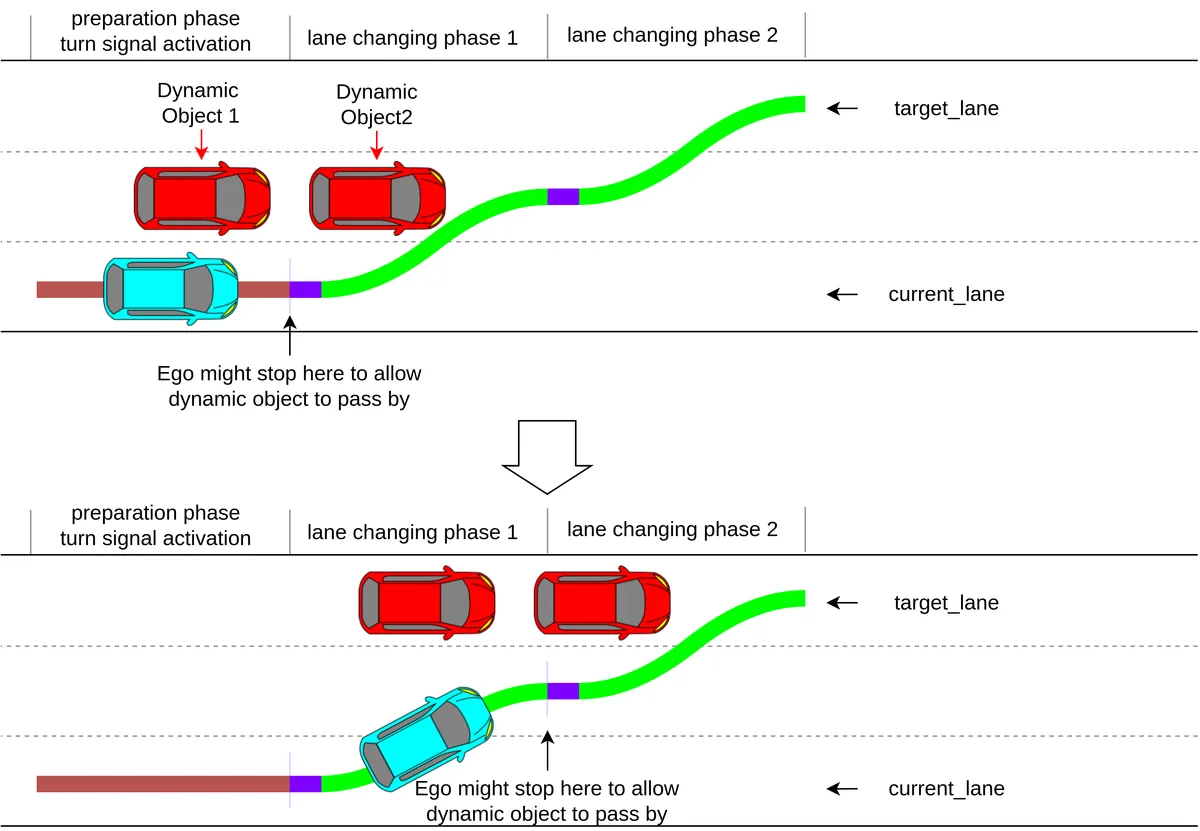
- Safely change lanes to create a buffer between your vehicle and the stationary vehicle.
- If there are multiple lanes in your direction, move over to the lane farthest from the stationary vehicle.
Bing (Web (fair-use with source credit))
On Single-Lane Roads or When You Can’t Change Lanes
If you’re on a single-lane road or cannot safely change lanes, you must:
- Slow down to a reasonable speed below the posted limit.
- Proceed with due caution, which means being extra vigilant and prepared to stop if necessary.
The term "due caution" is a legal standard. It means you must reduce your speed and be fully aware of your surroundings, including workers and other vehicles.
The Penalties for Breaking Scott’s Law (They’re Steeper Than You Think)
Violating Scott’s Law isn’t just a minor traffic infraction, it’s a serious offense with escalating penalties.
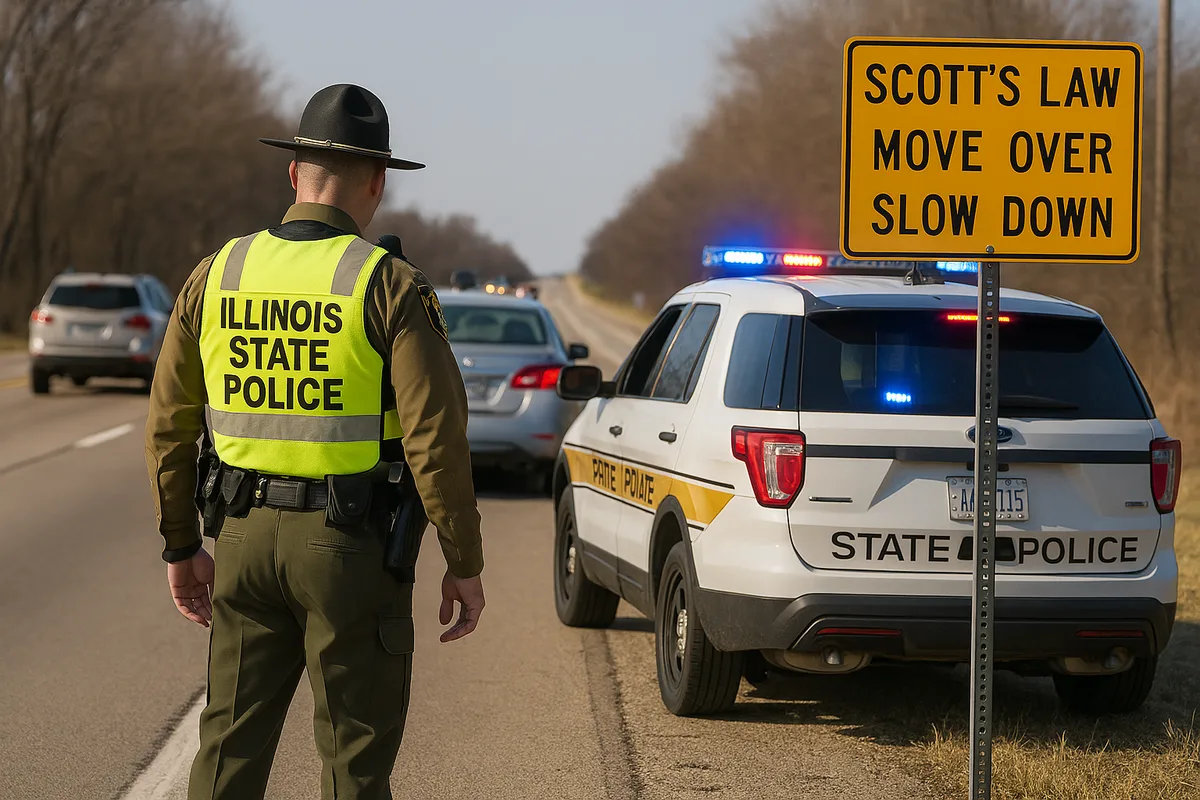
For a first offense, the minimum fine is $250. Subsequent offenses can result in fines up to $10,000. However, the penalties become far more severe if your violation causes injury or death to a worker or first responder.
Bing (Web (fair-use with source credit))
If your failure to move over or slow down results in injury to a worker, the fine can be as high as $25,000, and your driver’s license will be suspended. If the violation results in death, the fine remains up to $25,000, but you may also face criminal charges, including a felony conviction.
In addition to fines and license suspension, a violation of Scott’s Law can also impact your auto insurance rates.
Real-Life Cases Where Drivers Got It Wrong—and Paid the Price
In 2019, Illinois State Trooper Christopher Lambert was struck and killed by a passing vehicle while responding to a crash on I-294. The driver failed to move over or slow down, violating Scott’s Law.
Another case involved a tow truck operator who was killed in 2021 while assisting a disabled vehicle on I-55. The driver of the striking vehicle was later charged under Scott’s Law, facing fines and potential criminal penalties.
Common Mistakes That Still Get Drivers Pulled Over
Many drivers assume the law only applies to police cars. It covers tow trucks, IDOT vehicles, and maintenance crews too.
Another mistake is not slowing down enough on single-lane roads. Even if you can’t change lanes, you must reduce speed and proceed with caution.
Some drivers also misjudge the distance required to move over safely. The law doesn’t specify an exact distance, but you must create a buffer lane when possible.
How Illinois Enforces the Law (And How You Can Avoid a Ticket)
Illinois State Police and local law enforcement actively patrol for Scott’s Law violations. Officers use both visual observations and camera footage to identify offenders.
Avoiding a ticket is straightforward. Always scan the road ahead for flashing lights. If you see them, check your mirrors and blind spots before changing lanes.
Enforcement is especially strict in high-risk areas like interstates and construction zones.
What to Do If You’re Unsure in the Moment
If you’re unsure whether a vehicle is covered under Scott’s Law, assume it is. The law applies to any stationary vehicle with flashing lights performing official duties.
If traffic is heavy and you can’t change lanes safely, reduce your speed and maintain a safe following distance.
If you’re in a situation where visibility is poor, such as at night or in bad weather, use extra caution.
Frequently Asked Questions
Does Scott’s Law apply to private vehicles with hazard lights on?
No. The law only covers authorized emergency vehicles and workers. Private vehicles with hazard lights are not included.
What if there’s no room to move over on a busy highway?
Slow down and proceed with due caution. The law requires you to create space if possible, but safety comes first.
Can I be ticketed if no worker is present near the vehicle?
Yes. The law applies to stationary authorized vehicles with flashing lights, regardless of whether a worker is visibly present.
Are the penalties the same for all violations?
No. Fines start at $250 for first offenses but can reach $25,000 for violations causing injury or death. License suspension is also possible.
Does Scott’s Law apply on local roads or only highways?
It applies on all roadways in Illinois, including local streets. The law doesn’t distinguish between highway and local traffic.