Moving to a new address in Indiana means updating your vehicle records, and the Indiana 30 day address change notification requirement for vehicle records is non-negotiable. Miss the deadline, and you could face fines or registration issues.
Per Indiana Code IC 9-14-2-4, you have exactly 30 days to notify the BMV after moving. This applies to both your driver’s license and vehicle registration, though the process differs slightly for each.
Quick Answer
Indiana requires a 30 day address change notification for vehicle records. You must update your address with the BMV within this window. The rule covers both driver’s licenses and vehicle registrations.
Failing to comply can result in penalties.
The 30-Day Rule Explained
Indiana law is clear: if you move, you have 30 days to update your address with the Bureau of Motor Vehicles. This isn’t just a suggestion, it’s a legal requirement tied to your vehicle records.
The countdown starts the day you establish residency at your new address. Whether you’re renting, buying, or even temporarily relocating within the state, the clock is ticking. As of 2026, the BMV enforces this rule strictly, with no grace period beyond the 30 days.
Who Has to Notify Indiana BMV (and Who Doesn’t)
You must notify the BMV if you’re an Indiana resident who has moved to a new address within the state. This includes changing counties or even just moving to a new apartment across town.
Out-of-state residents who move to Indiana also fall under this rule. You’ll need to update your address when registering your vehicle in Indiana for the first time.
There are a few exceptions. Military personnel on active duty may have different requirements, and temporary moves (like college students living in dorms) might not always trigger the 30-day rule. But for most people, if you’ve changed your primary residence, you’re on the hook.
What Happens If You Miss the Deadline
Miss the 30-day window, and you’re technically in violation of Indiana law. The BMV can issue fines, though the amount varies.
More importantly, your vehicle registration could be flagged as non-compliant. This might cause issues during traffic stops or when renewing your plates. Law enforcement officers can verify your address against BMV records, and discrepancies could lead to citations.
Documents You’ll Need to Prove Your New Address
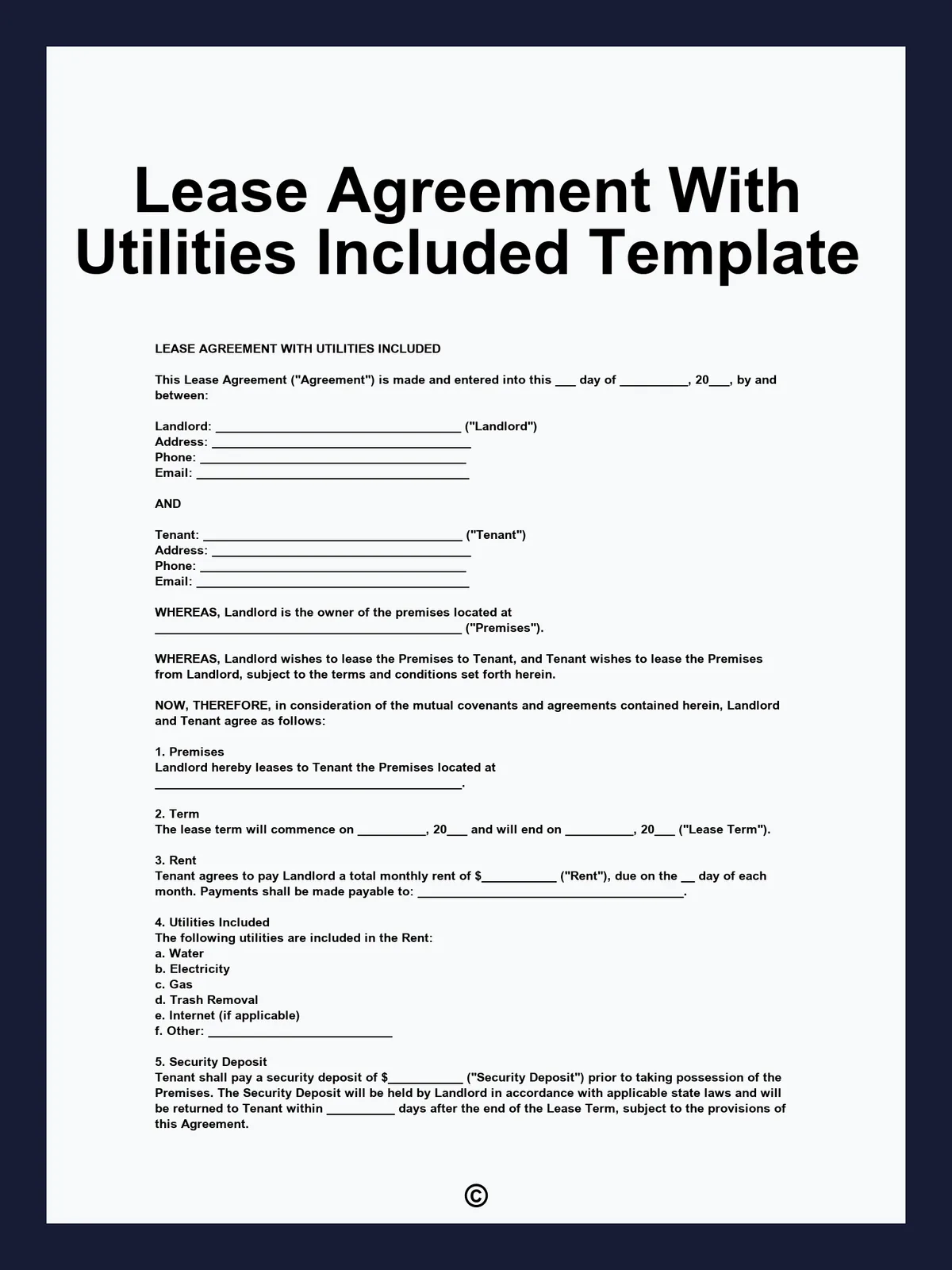
The BMV doesn’t take your word for it. You’ll need to provide proof of your new address, and they’re specific about what counts.
Acceptable documents include:
- A utility bill (electric, water, gas) issued within the last 60 days
- A lease or mortgage agreement
- A bank or credit card statement
- A pay stub from your employer
- A vehicle insurance policy or card
You’ll usually need two of these, and they must show your name and new address. Digital copies are often accepted, but check the Indiana BMV’s official guidelines for the most current list.
How to Change Your Address: 3 Ways to Do It
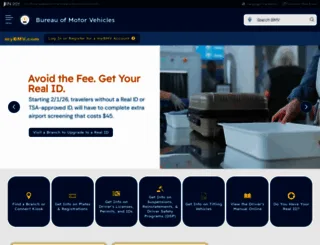
The fastest method is online through the myBMV portal. Log in with your credentials, select the address change option, and follow the prompts. You’ll need your driver’s license number and the last four digits of your Social Security number.
If you prefer in-person service, visit any Indiana BMV branch. Bring your current license, proof of residency, and any required fees. Wait times vary, so check the BMV’s branch locator for the least busy times.
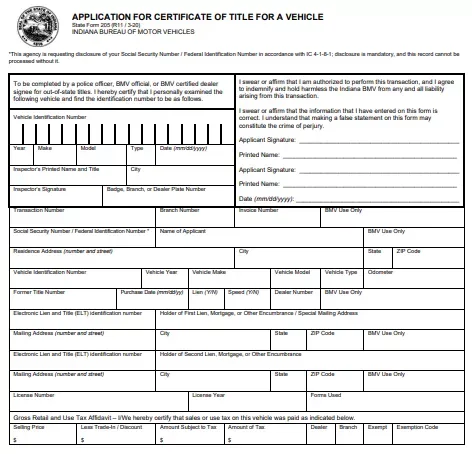
For those who can’t do it online or in person, mail is an option. Download the address change form from the BMV website, fill it out, and mail it with your proof of residency. Processing takes about 2-4 weeks.
Updating Your Driver’s License vs. Vehicle Registration

Your driver’s license and vehicle registration are separate updates. Changing your address on your license doesn’t automatically update your registration, and vice versa.
For your license, you’ll get a new card with your updated address. For registration, you’ll receive a new registration certificate. Both need to be done within the 30-day window.
If you own multiple vehicles, each registration must be updated individually. The BMV doesn’t transfer address changes across all your records automatically.
Special Cases: Military, Students, and Temporary Moves
Active-duty military personnel stationed in Indiana may have different rules. Check with the BMV or your base’s legal office for specifics. Often, you’re exempt from the 30-day rule if you’re on temporary orders.
College students living in dorms typically don’t need to update their address unless they’ve established permanent residency. But if you’re renting off-campus, the 30-day rule applies.
Temporary moves, like seasonal work or short-term housing, usually don’t require an address change. But if you’re staying longer than a few months, it’s safer to update your records.
Common Mistakes That Get Your Update Rejected
Using a P.O. box as your primary address is a common issue. The BMV requires a physical street address for vehicle records.
Submitting expired documents is another frequent problem. Your proof of residency must be current, usually within the last 60 days.
Forgetting to update both your license and registration can also cause headaches. Even if one is updated, the other might still be flagged as non-compliant.
Fees: What It Costs (or Doesn’t Cost) to Update
Updating your address online is free. But if you need a new driver’s license card with your updated address, there’s a fee. As of 2026, it’s $9 for a standard license.
Vehicle registration updates are typically free unless you’re also renewing your plates. If you’re due for renewal, you’ll pay the standard registration fees.
Mail-in updates are free, but you’ll need to cover postage. In-person updates may have a small service fee depending on the branch.
How to Check If Your Address Change Went Through
The easiest way is to log back into the myBMV portal. Your updated address should appear under your profile within 24 hours for online changes.
For in-person or mail updates, wait at least 2 weeks before checking. You can also call the BMV customer service line at 888-692-6841 to confirm.
If you don’t see the update, double-check your submission. Sometimes a small error in the form or documents can delay processing.
FAQs About Indiana’s Address Change Rule
Do I need to update my address if I’m only moving temporarily?
No, temporary moves like seasonal work or short-term housing don’t require an update. But if you’re staying longer than a few months, it’s safer to comply.
Can I use a P.O. box for my vehicle registration?
No, the BMV requires a physical street address. A P.O. box alone won’t be accepted for vehicle records.
What if I forget to update my address within 30 days?
You could face fines or have your registration flagged as non-compliant. Law enforcement may issue citations during traffic stops.
Do I need to update both my license and registration?
Yes, they’re separate updates. Changing one doesn’t automatically update the other.
How long does it take to get a new license with my updated address?
If you request a new card, it typically arrives by mail within 10 to 14 business days.
Final Step-by-Step Decision Guide: What You Should Do Next
First, gather your proof of residency documents. You’ll need two current items showing your name and new address.
Next, choose your update method. Online is fastest, but in-person or mail works if you prefer.
Then, update both your license and registration. Don’t assume one covers the other.
Finally, verify the change. Check the myBMV portal or call customer service to confirm everything is updated.