Indiana child restraint law and car seat requirements for ages 8 and under can feel confusing, but the rules are clear once you break them down. The state’s law is designed to keep kids safe based on their age, height, and weight, not just guesswork. Following these requirements isn’t just about avoiding fines; it’s about protecting your child in a crash.
Per Indiana Code IC 9-19-11-2, children under 8 must be in a federally approved child restraint system, and those under 4’9” tall need a booster seat even if they’re older.
Quick Answer
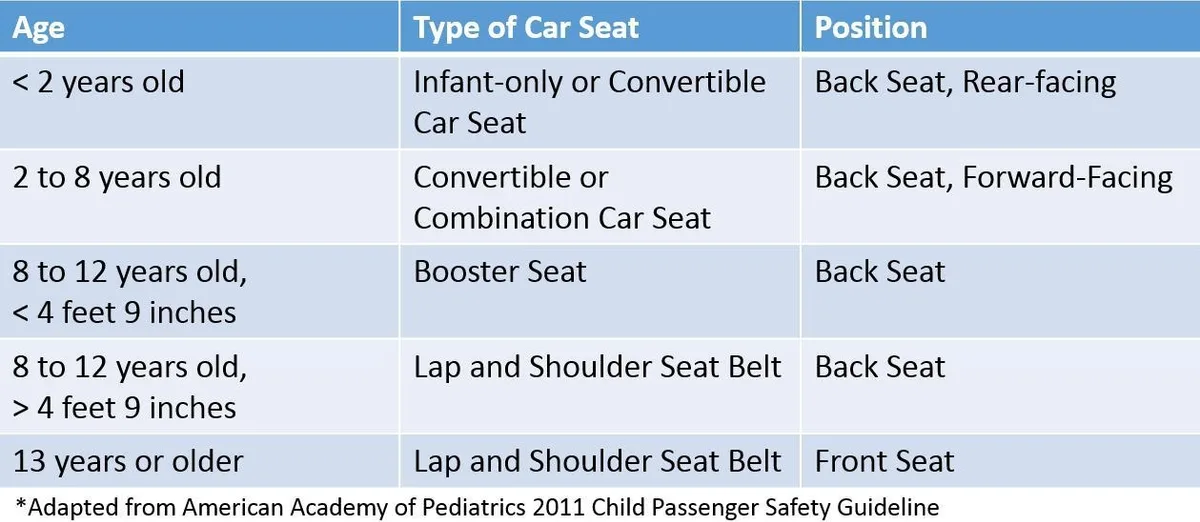
Indiana child restraint law and car seat requirements for ages 8 and under mandate a rear-facing seat for infants under 1. Kids under 4 need a 5-point harness. Those under 8 must use a booster or child restraint.
Children under 4’9” tall require a booster regardless of age. Fines for violations start at $25.
Why These Laws Exist (And Why Following Them Matters)
Car crashes are a leading cause of injury for children, and proper restraints cut the risk dramatically. Indiana’s law follows NHTSA research showing that rear-facing seats reduce fatal injuries by 71% for infants. Forward-facing seats with harnesses lower injury risks by 54% compared to seat belts alone.
Booster seats ensure the seat belt fits correctly, lap belt on the hips, shoulder belt on the collarbone. Without them, a child’s small frame can lead to severe internal injuries in a crash. These rules aren’t arbitrary; they’re based on decades of crash data and child development studies.
Indiana’s Exact Requirements for Each Age Group
Indiana’s law breaks down by age, but height and weight can override these rules. Always check the car seat manufacturer’s limits first.
Infants and Toddlers (Under 1 Year)
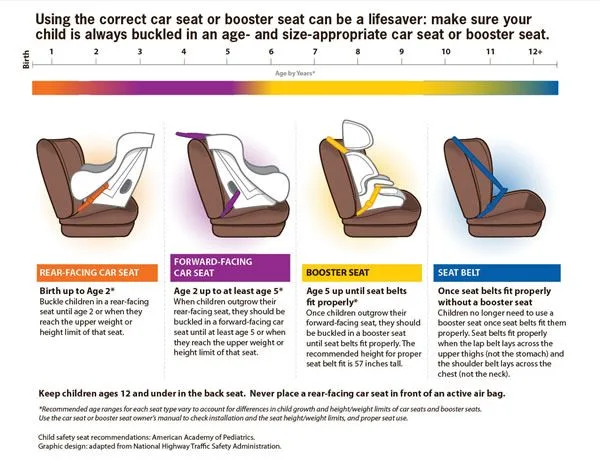
All children under 1 must be in a rear-facing car seat. This position supports the head, neck, and spine in a crash. Most infant-only seats max out at 22, 35 lbs, but convertible seats allow extended rear-facing use up to 40, 50 lbs.
Young Children (Ages 1–3)
Kids 1 to 3 years old must stay in a rear-facing or forward-facing seat with a 5-point harness. The AAP recommends keeping them rear-facing as long as possible, ideally until they outgrow the seat’s height or weight limit. Forward-facing seats should use the LATCH system or seat belt for a tight fit.
Kids (Ages 4–7)
Children 4 to 7 must use a forward-facing car seat with a harness or a booster seat. If they’ve outgrown the harness (typically at 40, 65 lbs), switch to a booster. Never move to a seat belt too soon, most kids aren’t ready until 8, 12 years old.
Older Kids (Age 8)
At 8 years old, Indiana law allows children to use the vehicle’s seat belt only if they’re at least 4’9” tall. If they’re shorter, they must stay in a booster seat. The seat belt should lie flat across the chest and hips, not the neck or stomach.
Height and Weight: When They Override Age
Age is just a starting point. Indiana’s law defers to height and weight limits set by the car seat manufacturer and safety standards.
- Under 4’9”: Must use a booster seat, even if they’re 8 or older.
- Under 40 lbs: Typically need a 5-point harness (check seat specs).
- Over 80 lbs or 4’9”: Can usually transition to a seat belt, but always confirm with the NHTSA’s fit test.
A child who’s tall for their age might move to a booster sooner, while a smaller 8-year-old may still need a harness. The car seat’s manual is the final authority, never guess based on age alone.
Booster Seats vs. Seat Belts: How to Decide
Booster seats lift a child so the seat belt fits safely. Without one, the belt can ride up on the neck or abdomen, causing serious injuries in a crash.
Use a booster if your child:
- Is under 4’9” tall
- Weighs less than 80 lbs (varies by seat)
- Cannot sit with their back flat against the seat, knees bent at the edge, and feet on the floor
High-back vs. backless boosters:
- High-back: Better for vehicles without headrests or for smaller kids needing extra support.
- Backless: Works if the vehicle seat has a headrest and the child’s ears are below the top of the seat.
Test the fit with the 5-step seat belt test:
- Does the child sit all the way back against the seat?
- Do the knees bend comfortably at the edge?
- Does the lap belt lie flat on the hips (not the stomach)?
- Does the shoulder belt cross the collarbone (not the neck)?
- Can the child stay seated like this for the whole trip?
If the answer to any step is “no,” keep using a booster.
Step-by-Step: Choosing the Right Car Seat for Your Child
Start with your child’s age, then check their height and weight against the seat’s limits. Infant-only seats are rear-facing and typically fit babies up to 22, 35 lbs. Convertible seats can switch from rear to forward-facing and often accommodate up to 40, 65 lbs.
For older kids, a forward-facing seat with a 5-point harness is next. Once they outgrow that, move to a booster. High-back boosters add head support, while backless versions work in cars with built-in headrests.
Always verify the seat meets FMVSS 213 standards. Look for the label on the seat or check the manufacturer’s website. Expired seats or those involved in a crash should be replaced immediately.
How to Install a Car Seat Correctly (And Check for Mistakes)
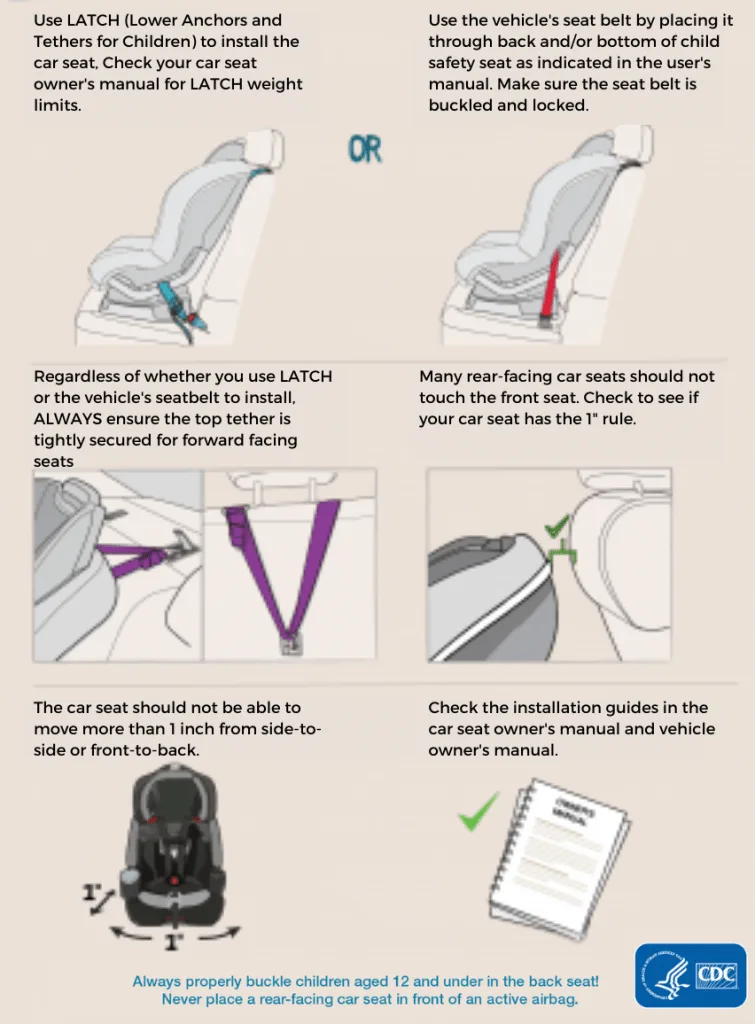
A properly installed seat shouldn’t move more than 1 inch at the belt path. Use the LATCH system or seat belt, but never both unless the manual allows it. Rear-facing seats should recline at a 30, 45 degree angle to support an infant’s head.
Common mistakes include loose straps, twisted harnesses, or incorrect recline angles. The chest clip should sit at armpit level. For forward-facing seats, use the top tether to reduce head movement in a crash.
Double-check the installation with a certified technician if you’re unsure. Many fire stations and hospitals offer free checks.
Common Violations (And How to Avoid Them)
The most frequent violation is moving a child out of a booster too soon. Even if they’re 8, they need a booster if they’re under 4’9”. Another mistake is using a seat that’s been in a crash or is past its expiration date.
Some parents skip the top tether for forward-facing seats, which reduces protection. Others place the car seat in the front seat, which is unsafe due to airbags. Always use the back seat for children under 13.
Avoid aftermarket products like seat protectors unless they’re approved by the car seat manufacturer. These can interfere with the seat’s safety features.
Fines and Penalties in Indiana
Violating Indiana’s child restraint law can result in a fine of $25 to $50, depending on the county. The fine is a secondary offense, meaning you can only be ticketed if you’re pulled over for another violation first.
Courts may waive the fine if you provide proof of purchasing a proper car seat. Some counties offer diversion programs for first-time offenders. The real cost of non-compliance, however, is the risk to your child’s safety.
Free Car Seat Checks and Resources in Indiana
Indiana offers free car seat inspections at fire stations, hospitals, and health departments. Technicians certified by Safe Kids Worldwide or the NHTSA will check your installation and teach you how to do it correctly.
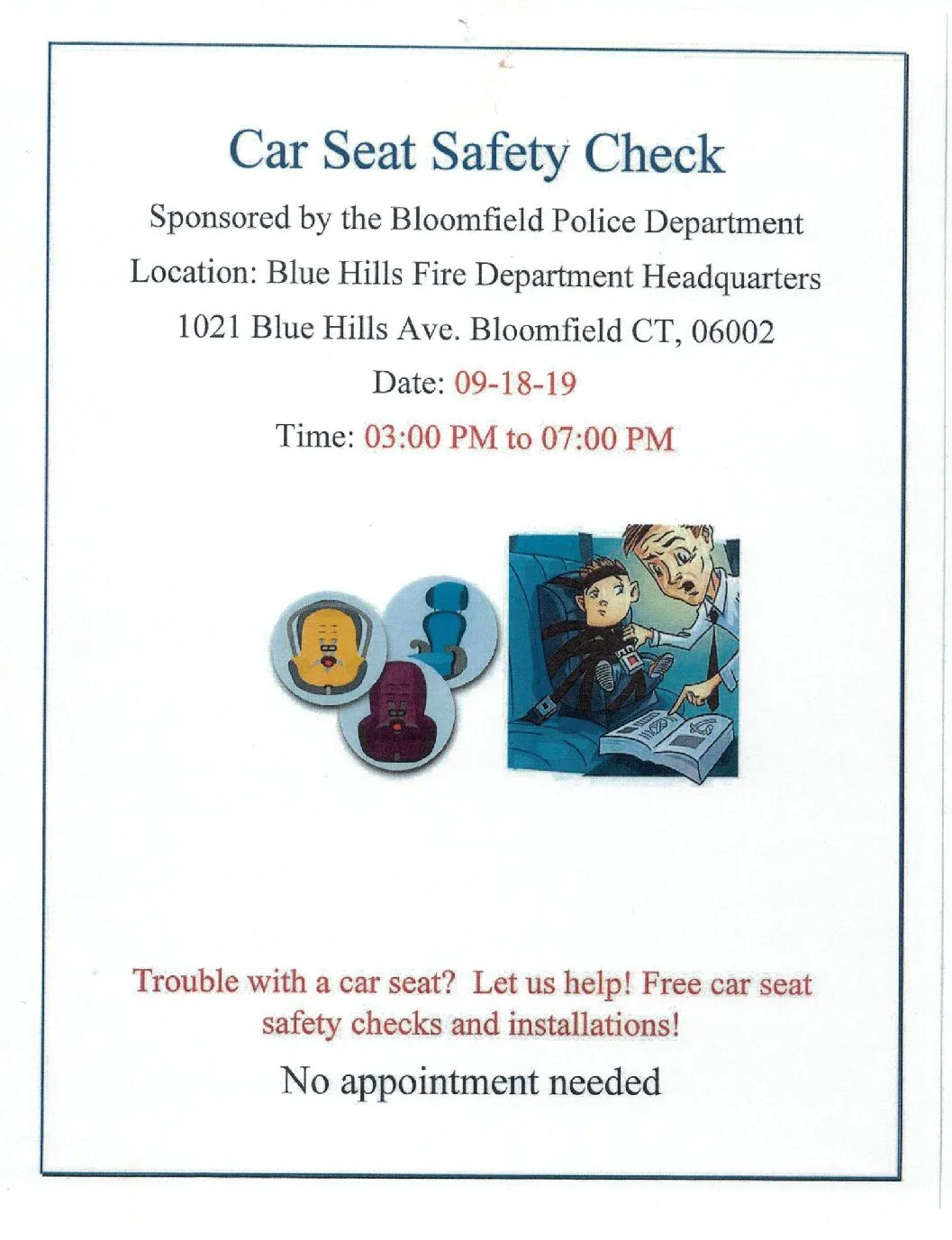
Many locations also provide low-cost or free car seats to families in need. Contact your local Indiana State Police post or visit the NHTSA’s inspection station locator to find a site near you.
Some community programs host fitting stations at events like health fairs or back-to-school drives. These are great opportunities to get hands-on help without an appointment.
Frequently Asked Questions
Can my 7-year-old use just a seat belt in Indiana?
No. Indiana law requires children under 8 to use a child restraint system. Even at 7, if they’re under 4’9” tall, they must stay in a booster seat.
What’s the fine for not using a car seat in Indiana?
The fine ranges from $25 to $50, depending on the county. Courts may waive it if you show proof of purchasing a proper seat.
When can my child sit in the front seat in Indiana?
Indiana law doesn’t specify an age, but safety experts recommend keeping kids under 13 in the back seat. The front seat’s airbag can injure a child in a crash.
Does Indiana require a car seat for taxis or rideshares?
Yes. The same child restraint laws apply in taxis and rideshares. You’re responsible for providing and installing the seat.
How do I know if my child is ready for a seat belt?
Use the 5-step test. If they can’t sit with their back flat, knees bent, and belt properly positioned, they need a booster.
Are backless boosters legal in Indiana?
Yes, but only if the child meets the height and weight requirements. A high-back booster is safer in vehicles without headrests.