ByMax Lee
Indiana Emissions Test Waivers: Repair & Compliance Guide
Bing (Web (fair-use with source credit))
If your car just failed Indiana’s emissions test, you’re likely wondering about repair waivers and how to stay compliant. Indiana failed emissions test repair waivers and compliance standards can save you from costly fixes, but only if you meet strict rules. The state offers a temporary pass if repairs hit a certain cost threshold, but the process isn’t automatic.
As of 2026, Indiana’s program follows EPA guidelines, with a $650 minimum repair spend required for waiver eligibility. That’s the baseline, miss it, and you’re back to square one.
Quick Answer
Indiana allows a repair waiver if your emissions fixes cost at least $650. You must apply through the BMV with receipts and a failure notice. The waiver grants temporary compliance for one year.
Not all vehicles or failures qualify.
Why Indiana’s Emissions Waiver Rules Matter (And What Happens If You Get It Wrong)
Get this wrong, and you could be driving illegally. Indiana ties emissions compliance to vehicle registration, so a failed test without a waiver means no plates. The state’s Bureau of Motor Vehicles (BMV) enforces this, and local law enforcement can cite you for expired tags.
The stakes are higher in nonattainment areas like Lake and Porter counties, where air quality rules are stricter. A denied waiver or ignored failure can lead to fines, registration holds, or even a ticket. Per EPA standards, Indiana’s program is designed to reduce ozone pollution, so compliance isn’t optional.
How Indiana’s Emissions Test Works (And Why You Might Fail)
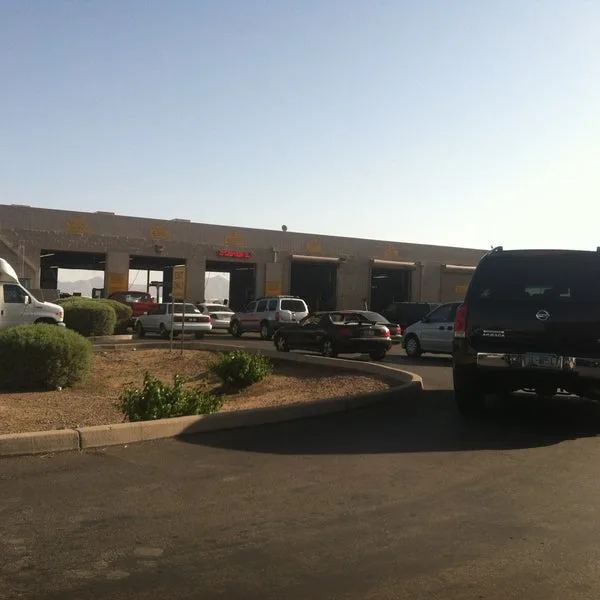
Indiana uses two test types: the OBD-II test for most 1996-and-newer vehicles and the tailpipe test for older models. The OBD-II scan checks for trouble codes and monitor readiness, while the tailpipe test measures actual exhaust emissions.

Bing (Web (fair-use with source credit))
Your car fails if the OBD-II system shows a malfunction or if tailpipe emissions exceed limits for hydrocarbons (HC), carbon monoxide (CO), or nitrogen oxides (NOx). Common triggers include a faulty catalytic converter, oxygen sensor, or even a loose gas cap.
Indiana’s Repair Waiver: The $650 Rule Explained
The waiver isn’t a free pass, it’s a cost-based exception. To qualify, you must spend at least $650 on emissions-related repairs at a licensed facility. The BMV requires itemized receipts proving the work was done to address the failure.
Not all repairs count. The $650 must go toward fixing the specific issue that caused the failure, not general maintenance. Also, the waiver only applies to vehicles that fail by a certain margin, gross polluters (those exceeding limits by 1.5 times or more) are ineligible.
Who Qualifies for an Emissions Waiver (And Who Doesn’t)
You’re eligible if your vehicle failed the test, you’ve spent at least $650 on qualifying repairs, and you apply within the allowed timeframe. The waiver covers most gasoline-powered cars and trucks, but there are exceptions.
You don’t qualify if:
- Your vehicle is a gross polluter (fails by extreme margins)
- You’ve tampered with the emissions system (e.g., removed the catalytic converter)
- Your car is exempt from testing (e.g., electric vehicles, models over 25 years old)
- You didn’t spend the minimum $650 on repairs
For biennial registration options, some states offer flexibility, but Indiana’s emissions rules are non-negotiable.
Step-by-Step: How to Apply for an Indiana Emissions Waiver
First, get your vehicle tested at an official station. If it fails, the technician will give you a failure report with the specific issues.
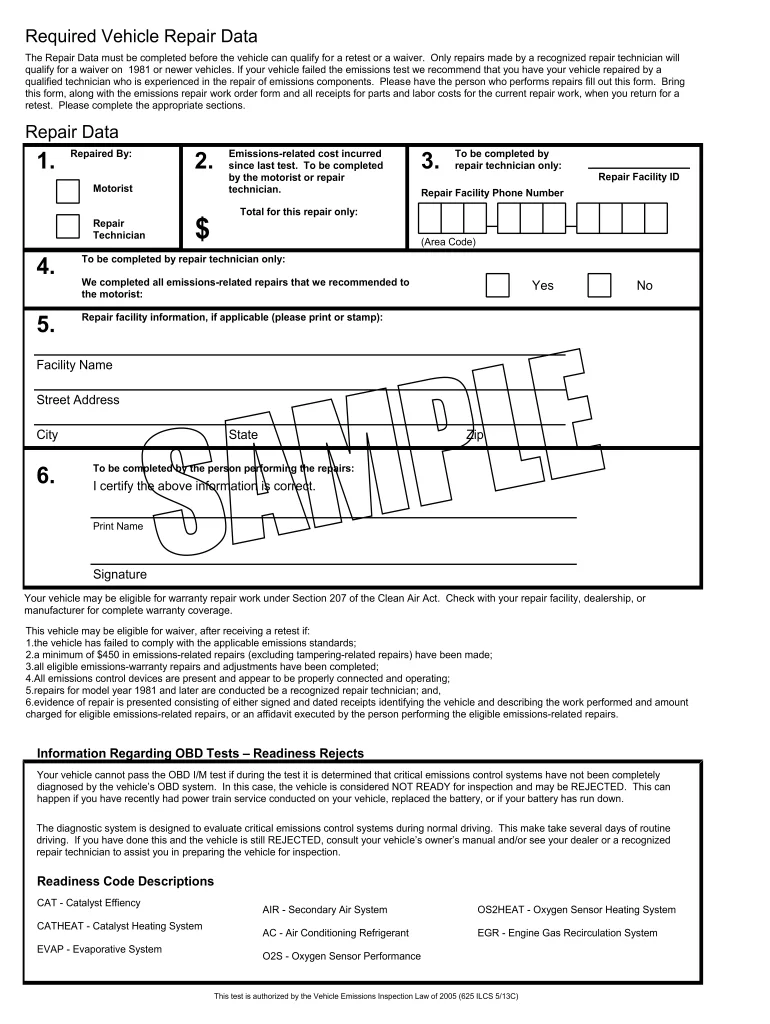
Next, take your car to a licensed repair shop. Ask for a detailed receipt showing at least $650 spent on emissions-related fixes. Keep all paperwork, you’ll need it for the BMV.
Bing (Web (fair-use with source credit))
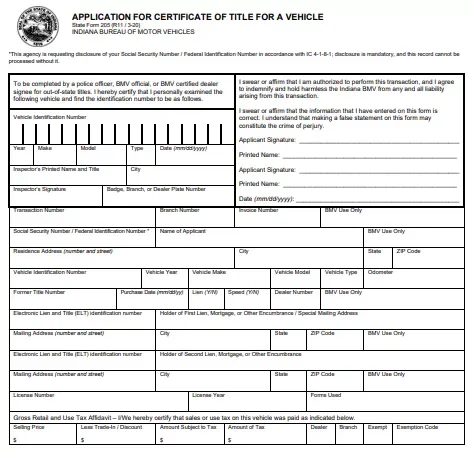
Submit your application in person at a BMV branch. Bring your failure notice, repair receipts, and vehicle registration. The BMV will review your documents and issue the waiver if everything checks out.
What to Do If Your Repairs Cost Less Than $650
If your repairs fall short of the $650 minimum, you have two options. You can spend more to hit the threshold, or you can re-test after fixing the issue.
Some drivers combine multiple smaller repairs to reach $650. Just ensure every expense is emissions-related and documented. The BMV won’t accept receipts for unrelated work like oil changes or tire rotations.
If you can’t afford the repairs, check if your vehicle qualifies for an exemption. Older cars and certain low-emission models may be off the hook.
Counties Where Emissions Testing Is Required in Indiana
Indiana only requires emissions testing in specific counties. These are Lake, Porter, Allen, Floyd, Clark, and Marion.
If you live outside these areas, you don’t need to test. But if you move into one of these counties, your vehicle must comply within 30 days of establishing residency.
Vehicles That Are Exempt from Indiana Emissions Testing
Electric vehicles are fully exempt. So are cars older than 25 model years. Motorcycles, diesel vehicles under 10,000 pounds, and farm equipment also skip the test.
Hybrids follow the same rules as gasoline vehicles. If your hybrid fails, you’ll need to meet the same repair and waiver requirements.
Common Reasons for Emissions Test Failure (And How to Fix Them)
A faulty catalytic converter is a top culprit. It reduces harmful gases, and when it fails, your car will likely flunk the test.

Bing (Web (fair-use with source credit))
A bad oxygen sensor can also trigger a failure. This sensor monitors exhaust gases and helps the engine run efficiently. Replacing it often solves the problem.
Other common issues include a malfunctioning EVAP system, a dirty air filter, or a loose gas cap. These are usually cheaper fixes but still need attention.
Mistakes That Will Get Your Waiver Denied
Submitting incomplete paperwork is the fastest way to get rejected. The BMV requires your failure notice, repair receipts, and vehicle registration. Missing any one of these means an automatic denial.
Another common mistake is using unlicensed repair shops. Only work from state-approved facilities counts toward the $650 minimum. Also, avoid tampering with emissions equipment, this voids waiver eligibility entirely.
Costs to Expect: Testing, Repairs, and Waiver Fees
The emissions test itself costs about $19 in Indiana. This fee applies whether you pass or fail.
Repair costs vary widely. A new catalytic converter can run $500 to $2,000, while an oxygen sensor replacement might cost $150 to $300. The waiver itself is free, but you’ll pay for the required repairs.
Here’s a quick cost breakdown:
| Item | Estimated Cost |
|---|---|
| Emissions test | $19 |
| Oxygen sensor | $150–$300 |
| Catalytic converter | $500–$2,000 |
| EVAP system repair | $200–$600 |
What Happens If You Drive with a Failed Emissions Test
You risk a ticket for expired registration. Indiana ties emissions compliance to your ability to renew plates. Driving without valid registration can lead to fines up to $250.
Law enforcement can also pull you over if your tags are expired. Some counties use automated license plate readers to catch non-compliant vehicles. The longer you wait, the more penalties add up.
Expert Tips to Pass Indiana’s Emissions Test on the First Try
Start with a pre-test inspection. Many repair shops offer this service for $20, $50. It can reveal issues before you spend money on the official test.
Drive your car for at least 15 minutes before testing. This ensures the catalytic converter and oxygen sensors are warm and functioning properly. A cold engine often triggers false failures.
Check your gas cap. A loose or damaged cap can trigger an EVAP system failure. Tightening or replacing it might be all you need to pass.
FAQs About Indiana Emissions Waivers and Compliance
How long does an Indiana emissions waiver last?
An approved waiver gives you one year of compliance. You must pass the next emissions test when it’s due.
Can I get a waiver if my car is a gross polluter?
No. Vehicles that fail by extreme margins don’t qualify for waivers. You must repair these to meet standards.
Do I need to test my car every year in Indiana?
No. Most vehicles only need testing every two years. Check your registration renewal notice for your specific deadline.
What if I move to Indiana from another state?
You have 30 days to register your vehicle. If you move to a testing county, you’ll need to pass emissions within that timeframe.
Are diesel vehicles exempt from emissions testing?
Yes, but only if they weigh under 10,000 pounds. Heavier diesel vehicles may still require testing.
Where to Get Official Help (And Avoid Bad Advice)
The Indiana BMV is your primary resource. Their website lists approved test stations and waiver application details. You can also visit a local branch for in-person assistance.
The Indiana Department of Environmental Management (IDEM) oversees the emissions program. Their site explains testing procedures and compliance standards. For official guidance, always refer to IDEM’s emissions program page.
Avoid third-party sites offering "guaranteed waivers" or quick fixes. These often provide outdated or incorrect information. Stick to state-approved sources to ensure you meet all requirements.