ByMax Lee
Indiana Skips Annual Car Safety Inspections: What to Know
Indiana lacks an annual safety inspection requirement for passenger cars, which often surprises drivers moving from states that mandate these checks. Unlike many neighbors, Indiana only requires inspections for certain commercial vehicles, leaving most private car owners free from this obligation as of 2026.
This means you won’t need to schedule a yearly safety stop just to keep your registration current. But it also shifts the responsibility to you for ensuring your car stays roadworthy.
Quick Answer
Indiana does not require annual safety inspections for passenger cars. The rule applies to private vehicles only. Commercial vehicles still need inspections.
Check the Indiana BMV for current details.
Bing (Web (fair-use with source credit))
The Short Answer: No, Indiana Doesn’t Require Them
Indiana is one of the states that skips mandatory annual safety inspections for standard passenger vehicles. The Indiana Bureau of Motor Vehicles confirms this policy applies to cars, trucks, and SUVs used for personal transportation.
This doesn’t mean your car is exempt from all checks. Emissions testing is still required in some counties, but that’s a separate process from safety inspections.
How Indiana’s Vehicle Inspection Rules Actually Work
Indiana’s approach is straightforward: no state-mandated safety inspections for passenger vehicles. The Indiana Code (Title 9) outlines vehicle regulations, but annual safety checks aren’t part of the requirements for private cars.
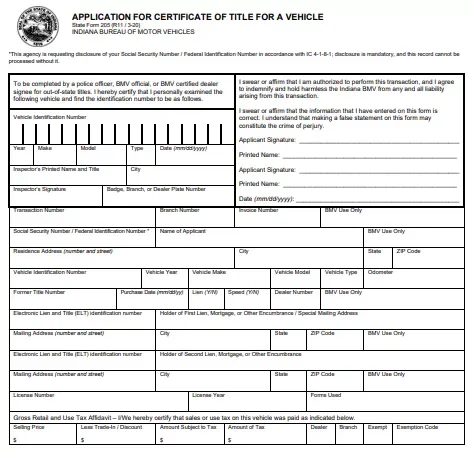
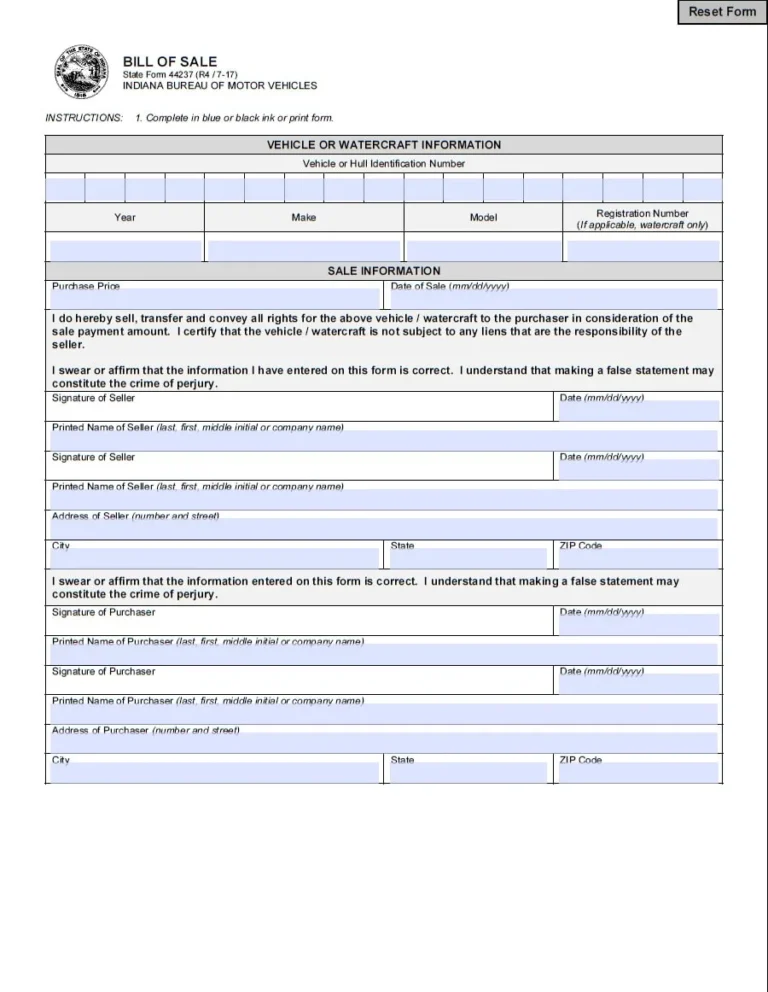
The Indiana BMV handles registration and titling. Their official site is the best place to verify current rules. If you’re registering a car from out of state, you’ll need to provide proof of ownership and pay applicable fees, but not a safety inspection certificate.

Bing (Web (fair-use with source credit))
For comparison, states like Pennsylvania require annual safety inspections, while Indiana leaves it to the owner.
What Counts as a “Passenger Car” in Indiana?
In Indiana, a passenger car is any vehicle designed primarily for transporting people, not goods or commercial purposes. This includes sedans, coupes, station wagons, and most SUVs under 10,000 pounds.
The key distinction is between personal and commercial use. Vehicles used for business, like taxis or delivery trucks, often fall under different rules. If you’re unsure whether your vehicle qualifies, the BMV’s classification guidelines can help.
Why Indiana Skips Annual Safety Inspections (And What It Means for You)
Indiana’s decision to forgo annual safety inspections is rooted in efficiency. The state prioritizes streamlined vehicle registration, reducing bureaucracy for residents. This also means lower costs for drivers, as there’s no need to pay for mandatory inspections each year.
However, this doesn’t mean safety is ignored. Indiana still enforces federal safety standards for all vehicles on the road. The National Highway Traffic Safety Administration (NHTSA) sets these standards, and all cars must comply, regardless of state inspection requirements.
For you, this means taking personal responsibility for your car’s condition. Without mandatory inspections, it’s up to you to ensure brakes, lights, tires, and other critical systems are in working order.
The Exceptions: When Inspections Are Required in Indiana
While passenger cars are exempt, Indiana does require inspections for certain vehicles. Commercial vehicles, including trucks and buses, must undergo regular safety inspections. This ensures that vehicles used for business purposes meet higher safety standards.
Additionally, if your car fails an emissions test in a county where it’s required, you may need to address safety-related issues as part of the repair process. Emissions testing is separate from safety inspections but can sometimes overlap in what’s checked.
For most drivers, the only time you’ll encounter an inspection is if you’re registering a salvaged or rebuilt vehicle. These require a special inspection to confirm they’re safe to operate. The Indiana State Police handle these inspections, and they’re not annual, they’re a one-time requirement for specific situations.
What You Still Need to Do for Vehicle Registration in Indiana
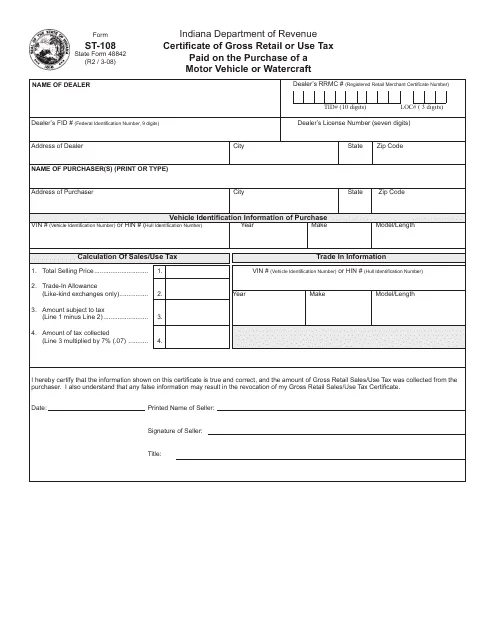
Indiana keeps registration simple for passenger cars. You’ll need proof of ownership, liability insurance, and payment for registration fees. The BMV doesn’t ask for a safety inspection certificate.
If you’re new to Indiana, you have 60 days to register your vehicle after establishing residency. The process is the same whether your car is new or used. You can complete most steps online through the Indiana BMV’s portal.
For out-of-state vehicles, you’ll need a VIN inspection if your title isn’t from Indiana. This confirms the vehicle identification number matches the paperwork. It’s a one-time check, not an annual requirement.
Safety Risks of No Mandatory Inspections (And How to Stay Safe)
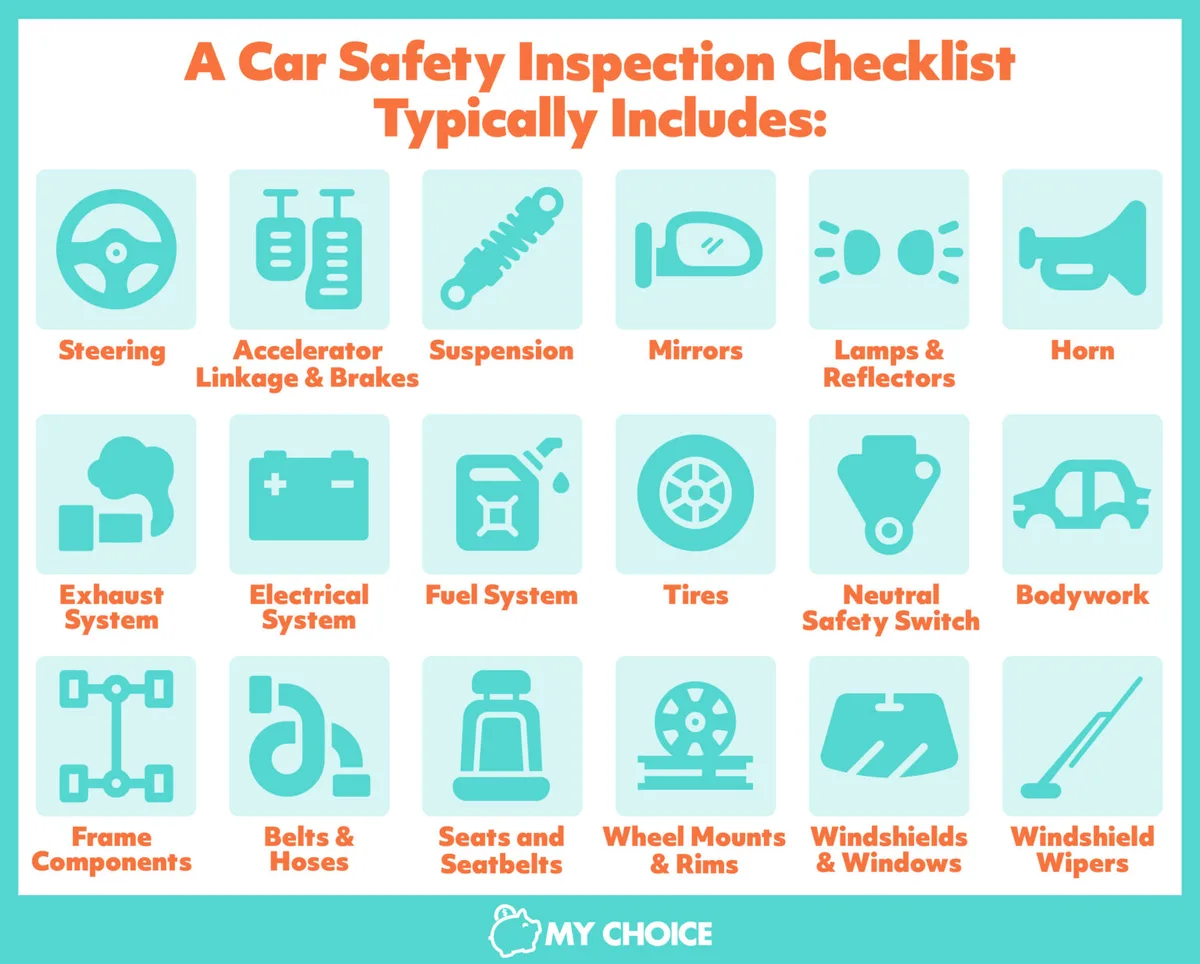
Without annual inspections, it’s easier to overlook critical safety issues. Worn brake pads, faulty lights, or bald tires can go unnoticed until they cause a problem. These are common issues that inspections in other states catch early.
You can mitigate these risks with regular maintenance. Follow the manufacturer’s recommended service schedule. Pay special attention to brakes, tires, lights, and steering components.
Bing (Web (fair-use with source credit))
Consider a voluntary inspection if you’re unsure about your car’s condition. Many repair shops offer safety checks for a small fee. It’s a smart move before long road trips or if you’ve noticed any warning signs.
Moving to Indiana? What to Know About Your Out-of-State Car
Indiana makes it easy to transfer registration for out-of-state vehicles. You won’t need a safety inspection, but you will need to provide your current title and proof of insurance. The BMV will issue Indiana plates and registration once you complete the process.
If your car has a loan, the lender will likely hold the title. In this case, you’ll need to provide the lender’s information to the BMV. They’ll handle the title transfer directly with the lender.
Check Indiana’s emissions requirements if you’re moving to Lake or Porter County. These counties require emissions testing, but it’s separate from safety inspections. The test is typically needed every two years for newer vehicles.
Indiana vs. Other States: Where Inspections Are (and Aren’t) Required
Indiana’s lack of annual safety inspections sets it apart from many neighboring states. Pennsylvania, Ohio, and Illinois all require periodic safety checks for passenger vehicles. This can create confusion if you frequently drive across state lines.
Here’s a quick comparison of nearby states:
| State | Annual Safety Inspection | Emissions Testing |
|---|---|---|
| Indiana | No | Some counties |
| Ohio | Yes | Some counties |
| Illinois | Yes | Some counties |
| Kentucky | No | Some counties |
| Michigan | No | No |

Bing (Web (fair-use with source credit))
If you’re planning a road trip, check the requirements for each state you’ll visit. Some states may require a temporary inspection or have specific rules for out-of-state vehicles.
Voluntary Inspections: Should You Get One Anyway?
A voluntary inspection can give you peace of mind, especially for older vehicles. It’s a chance to catch potential issues before they become costly repairs or safety hazards. Many drivers find the small cost worth the assurance.
If you’re buying a used car in Indiana, a pre-purchase inspection is highly recommended. It can reveal hidden problems that might not be obvious during a test drive.
For newer cars under warranty, the dealership’s maintenance schedule often covers the same checks as a safety inspection. Stick to this schedule to keep your car in top condition.
Common Misconceptions About Indiana’s Inspection Rules
Many drivers assume all states require annual safety inspections. That’s not true in Indiana. The confusion often comes from neighboring states like Ohio and Illinois that do mandate these checks.
Another myth is that Indiana requires inspections for all vehicles. In reality, only commercial vehicles and certain special cases need them. Passenger cars are exempt from this requirement.
Some believe emissions testing is the same as a safety inspection. They’re separate processes. Indiana only requires emissions testing in specific counties, and it doesn’t cover the same components as a safety check.
Where to Check the Official Rules (And Avoid Bad Advice)
The Indiana Bureau of Motor Vehicles is the best source for current rules. Their official website provides up-to-date information on registration, inspections, and other requirements.
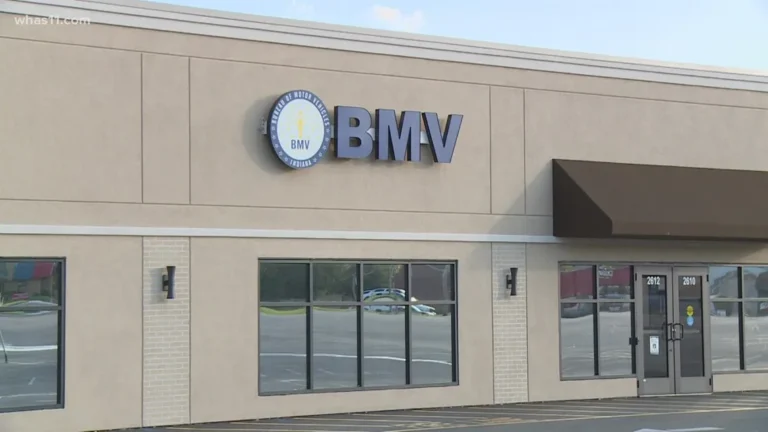
Local BMV offices can also clarify any questions about your specific situation. They have access to the most current regulations and can provide guidance tailored to your vehicle type and location.
Be cautious of outdated information online. Rules can change, and what was true a few years ago might not apply now.
Frequently Asked Questions
Do I need a safety inspection to register my car in Indiana?
No, Indiana does not require a safety inspection for passenger car registration. You’ll need proof of ownership, insurance, and payment for fees.
Are there any counties in Indiana that require safety inspections?
No county in Indiana requires annual safety inspections for passenger vehicles. Some counties do require emissions testing, but that’s a separate process.
What happens if I move to Indiana from a state that requires inspections?
You won’t need to provide a safety inspection certificate when registering your out-of-state car in Indiana. You’ll just need your current title, proof of insurance, and payment for registration fees.
Do commercial vehicles need inspections in Indiana?
Yes, commercial vehicles in Indiana are subject to safety inspection requirements. The rules are different for passenger cars and commercial vehicles.
Can I get a voluntary safety inspection in Indiana?
Yes, many repair shops offer voluntary safety inspections. While not required, they can help identify potential issues with your vehicle.
Does Indiana require emissions testing?
Indiana requires emissions testing in some counties, including Lake and Porter. This is separate from safety inspections and applies to certain vehicle types and model years.