ByMax Lee
Iowa Military & Veteran License Plate Eligibility Guide
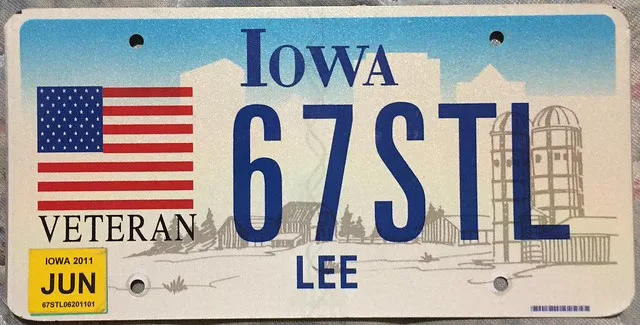
If you've served in the military and live in Iowa, you're probably eligible for a specialty license plate that honors your service. It might be a branch-specific design, a Purple Heart plate, or one marking your status as a disabled veteran. The Iowa military and veteran special license plate eligibility rules can feel confusing at first.
They're actually straightforward once you understand how your service history lines up with each plate type.
Iowa offers more than a dozen distinct plate options for veterans, active-duty members, and their families. Some plates, like the Medal of Honor and POW designs, come with full fee waivers. Others require a one-time or annual fee.
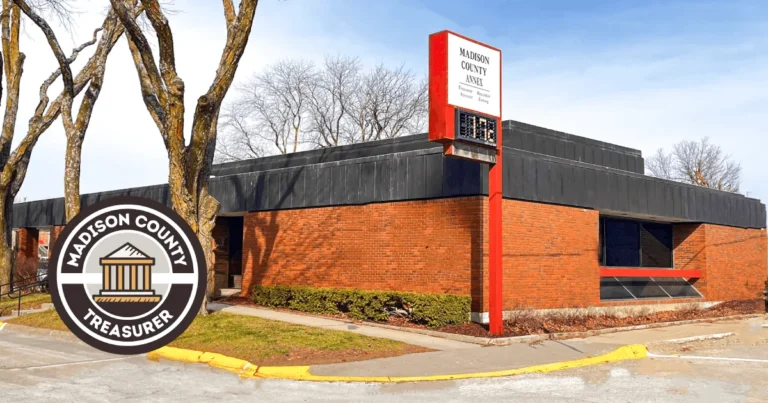
The Iowa DOT processes these plates through your local county treasurer's office. We'll walk through who qualifies, what documents you need, and exactly how to apply.
Bing (Web (fair-use with source credit))
Quick Answer
The Iowa military and veteran special license plate eligibility rules depend on your service branch, discharge status, and any awards or disabilities. You'll need a DD-214 or comparable proof. Some plates require VA disability certification.
Most applications go through the county treasurer. Processing takes 4 to 8 weeks.
Who Qualifies for Iowa Military and Veteran License Plates?
Eligibility starts with the basics. You must be a current Iowa resident with a vehicle registered in the state. Active-duty members stationed here, retired military personnel, and honorably discharged veterans all qualify for at least one plate type.
The biggest variable is your specific service record.
Think of it like a decision tree. If you served in the Army, Navy, Air Force, Marines, or Coast Guard, you can get the branch plate for that service. If you earned a Purple Heart, you're eligible for that specific design.
If you have a service-connected disability rating from the VA, the disabled veteran plate is an option. The same logic applies to Gold Star Family members, former POWs, and Medal of Honor recipients.
There are also plates for National Guard and Reserve members. The eligibility rules are slightly different for those who served only in the Reserve component without active federal service. The Iowa Department of Veterans Affairs can verify your status.
Rules vary by state. Florida, for example, has its own set of military member registration exemptions that follow a different process. In Iowa, the core requirement is always the same.
You need proof of service tied to the specific plate you're applying for.
The 7 Types of Iowa Military or Veteran Plates (And Who Can Get Each)
Iowa's lineup covers seven main categories. Each one has its own eligibility criteria, fee structure, and design. Here's the breakdown.
Branch-Specific Plates. Available for Army, Navy, Air Force, Marines, and Coast Guard veterans and active-duty members. You need an honorable discharge or current service status. Cost is around $25 to $50.
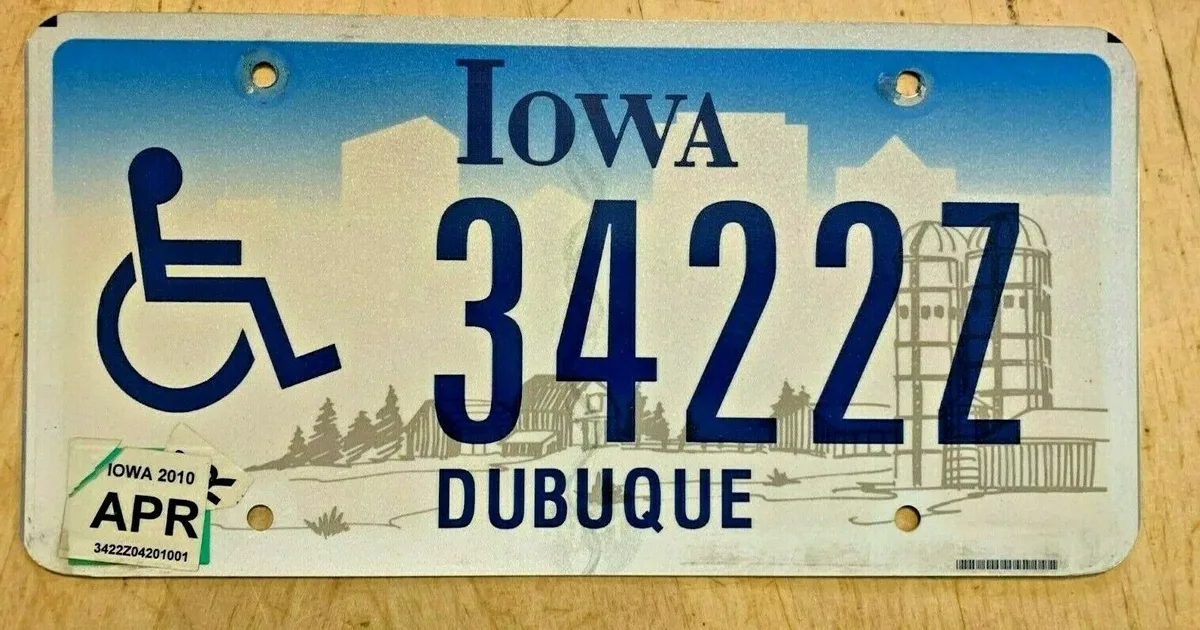
Disabled Veteran Plates. For veterans with a service-connected disability rating from the VA. No front plate required. Parking benefits apply in most Iowa cities.
No fee for the plates. You must provide a current VA disability letter.
Purple Heart Plates. Open to any veteran who was awarded the Purple Heart. No fee. You'll need a copy of the award citation or orders.
Medal of Honor Plates. Only for Medal of Honor recipients. Fully fee-waived, including renewal costs. Lifetime eligibility.
Gold Star Family Plates. For immediate family members of a service member who died in the line of duty. Spouses, parents, and children qualify. Requires a death certificate and relationship proof.
POW Plates. Prisoners of war with verified status from the Department of Defense or VA. No fee. Requires proof of POW status.
National Guard or Reserve Plates. For current or former members of the Iowa National Guard or Reserve components. Documentation includes NGB Form 22 or equivalent.
Bing (Web (fair-use with source credit))
If you're unsure which plate fits your situation, think of it like a branching path. Select your branch. Then your awards.
Then your disability status. That'll narrow it to one or two options. Some people qualify for multiple plates.
You can only have one on your vehicle at a time.
Iowa's specialty plate system shares some similarities with other states. Florida's specialty license plate application process also categorizes plates by cause or affiliation. The fees and donation requirements differ.
Documents You'll Need to Apply (Checklist by Plate Type)
The most common headache is missing paperwork. Each plate type demands specific documents. Gather them before you start.
Here's what you need.
| Plate Type | Required Document | Where to Get It |
|---|---|---|
| Branch-Specific | DD-214 (Member 4 copy) or current military ID | National Archives or your unit |
| Disabled Veteran | VA disability letter (dated within the last year) | VA.gov or your VSO |
| Purple Heart | Purple Heart award citation or orders | Your military personnel file |
| Gold Star Family | DD-1300 (Death Certificate) plus relationship proof | National Archives plus birth or marriage cert |
| POW | VA or DOD POW verification letter | VA regional office |
| National Guard or Reserve | NGB Form 22 or DA or DD Form for reserves | State adjutant general's office |
| Medal of Honor | Medal of Honor certificate or orders | National Archives |
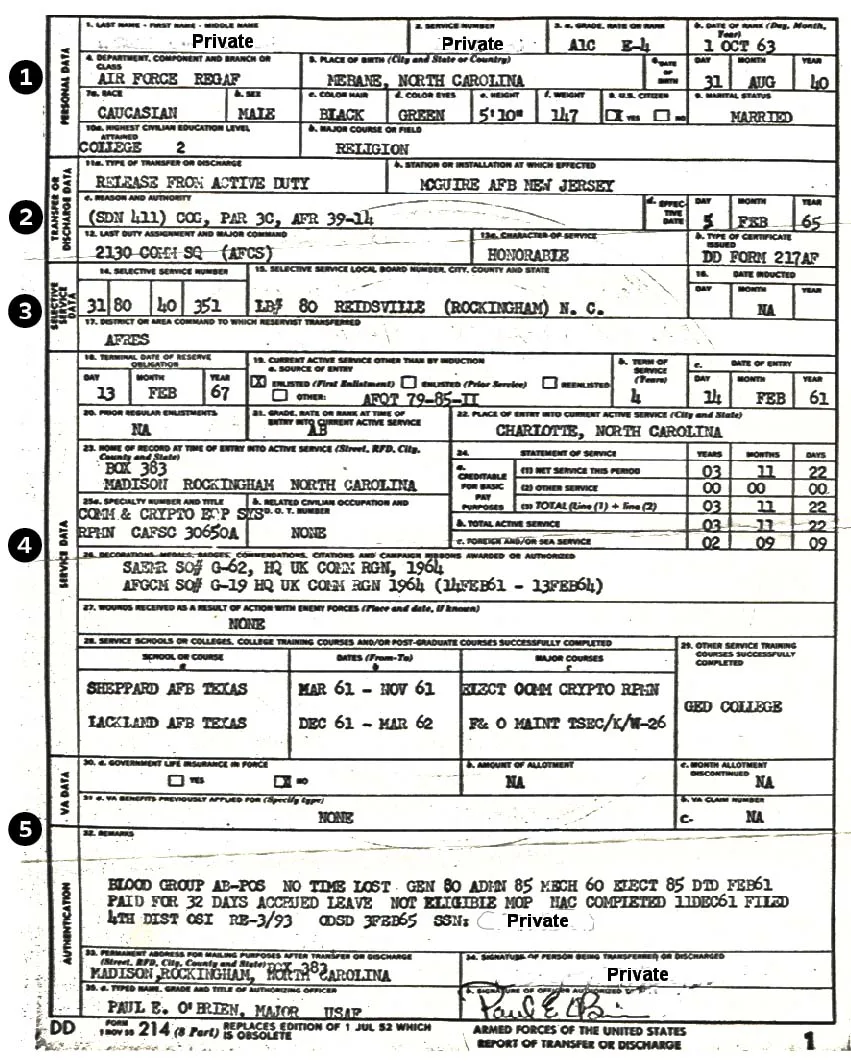
Don't shortcut this step. If your DD-214 is missing or you need a replacement, request one through the National Archives. That process takes a few weeks.
Start early.
Bing (Web (fair-use with source credit))
We've seen applications get rejected because the VA letter was more than 12 months old. Others submitted a Member Copy 1 DD-214 that didn't fully show the character of service. Always use Member Copy 4 or a certified copy from the National Personnel Records Center.
The most common headache is missing paperwork. Each plate type demands specific documents. Gather them before you start.
Here's what you need.
| Plate Type | Required Document | Where to Get It |
|---|---|---|
| Branch-Specific | DD-214 (Member 4 copy) or current military ID | National Archives or your unit |
| Disabled Veteran | VA disability letter (dated within the last year) | VA.gov or your VSO |
| Purple Heart | Purple Heart award citation or orders | Your military personnel file |
| Gold Star Family | DD-1300 (Death Certificate) plus relationship proof | National Archives plus birth or marriage cert |
| POW | VA or DOD POW verification letter | VA regional office |
| National Guard or Reserve | NGB Form 22 or DA or DD Form for reserves | State adjutant general's office |
| Medal of Honor | Medal of Honor certificate or orders | National Archives |
Don't shortcut this step. If your DD-214 is missing or you need a replacement, request one through the National Archives. That process takes a few weeks.
Start early.
Bing (Web (fair-use with source credit))
We've seen applications get rejected because the VA letter was more than 12 months old. Others submitted a Member Copy 1 DD-214 that didn't fully show the character of service. Always use Member Copy 4 or a certified copy from the National Personnel Records Center.
Step-by-Step: How to Apply for Iowa Military or Veteran Plates
The process is the same for most plate types. Only minor variations exist. Follow these steps.
You'll have the plates on your car in a month or two.
Step 1: Confirm Your Eligibility. Cross-reference your service history against the plate you want. If you're a disabled vet who also earned a Purple Heart, you can choose either plate. Not both on the same vehicle.
Step 2: Gather the Right Documents. Use the checklist above. Make copies. The county treasurer will need them.
Step 3: Choose Your Plate Design. You can order a standard military plate with just the branch logo. You can also pay extra for a personalized message. Up to 7 characters.
Personalized plates add $25 to $50 on top of the base fee.
Step 4: Submit Your Application. Go to your county treasurer's office in person. Mail the application to the Iowa DOT Vehicle Services Bureau. Some offices accept online submissions.
It varies by county.
Step 5: Pay Fees (If Applicable). Fees depend on the plate type. Disabled veteran, Purple Heart, Medal of Honor, and POW plates are free. Branch plates cost $25 to $50.
Personalized plates add more.
Step 6: Wait for Approval. The Iowa DOT reviews applications and orders plates from the manufacturer. Standard plates take 4 to 6 weeks. Personalized or special orders can take 6 to 8 weeks.
Step 7: Receive and Install Your Plates. They'll arrive at your county treasurer's office. You pick them up. The old plates get surrendered.
Bing (Web (fair-use with source credit))
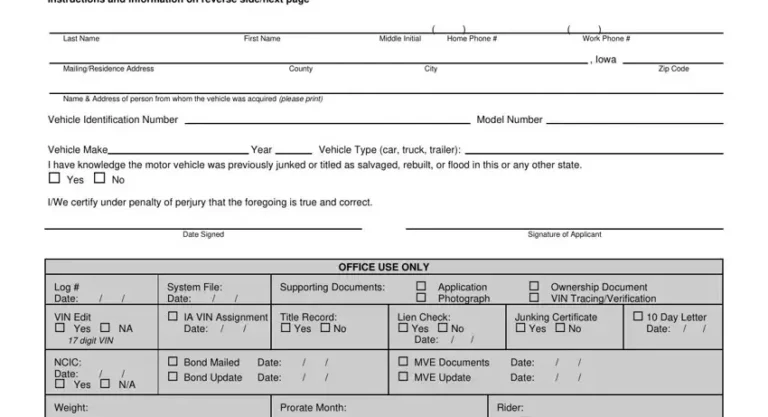
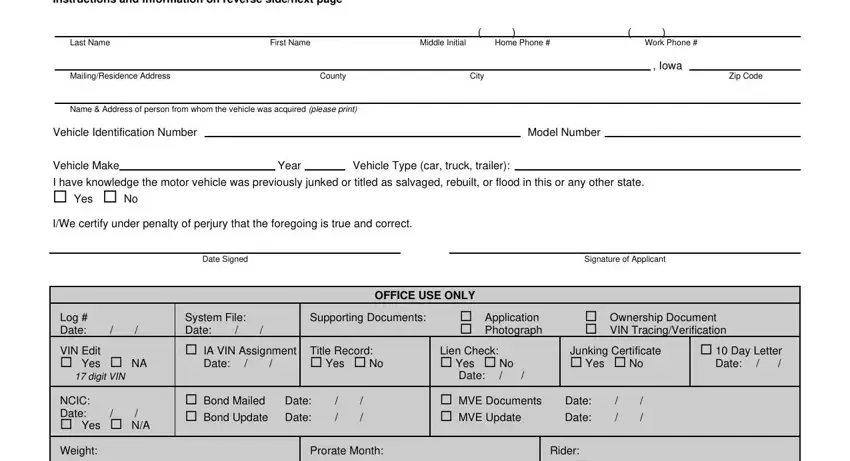
The application form itself is straightforward. Download it from the Iowa DOT website or pick it up in person. Some counties offer virtual lobby services where you can drop off documents without waiting in line.
Fees, Renewals, and Transfers: What to Expect
Costs vary significantly by plate type. Here's the fee structure as of 2026.
| Plate Type | Fee | Annual Renewal Cost |
|---|---|---|
| Branch-Specific | $25 to $50 | $5 to $15 |
| Disabled Veteran | Free | Free |
| Purple Heart | Free | Free |
| Medal of Honor | Free | Free |
| Gold Star Family | Free | $5 |
| POW | Free | Free |
| National Guard or Reserve | $25 to $50 | $5 to $15 |
| Personalized (additional) | $25 to $50 | Same as base plus $10 to $15 |
Renewals happen annually. Some plates are permanently exempt. You'll receive a renewal notice in the mail.
Don't ignore it. Letting plates expire can trigger late fees and even suspension of registration.
Transferring plates to a new vehicle is simple. You keep the plates when you sell or trade your car. The county treasurer updates the registration to the new vehicle.
No extra fee beyond a small processing charge. If you move out of state, you'll generally need to surrender the plates or convert them to standard Iowa plates.
Some states handle renewals differently. Florida's biennial renewal options can save you time and money. Iowa sticks to annual renewals for most plates.
Check your renewal notice each year for any changes in fees or requirements.
Common Mistakes That Get Applications Rejected
The most frequent reason for rejection is missing or outdated paperwork. If your VA disability letter is more than 12 months old, the Iowa DOT will deny your disabled veteran plate application. The same goes for DD-214s that don't clearly show an honorable discharge.
Another common issue is applying for the wrong plate type. National Guard members who never served on active federal orders often assume they qualify for branch plates. They don't.
Iowa has a separate plate just for Guard and Reserve members. The eligibility rules are different. The documents you need are different too.
Personalized plates cause problems when applicants don't check character restrictions first. Iowa allows only 7 characters. Certain words and combinations are banned.
If you request something like VET4LIFE but the system flags it, your application gets delayed. Always check the Iowa DOT's list of restricted phrases before submitting.
Some veterans try to transfer plates from another state without first registering their vehicle in Iowa. That doesn't work. You must establish Iowa residency and register your car here before applying for military plates.
The county treasurer will ask for proof of insurance and a current Iowa driver's license.
Can Out-of-State Veterans Get Iowa Plates?
Active-duty members stationed in Iowa qualify for military plates even if they maintain legal residency in another state. You'll need your military ID and orders showing your Iowa duty station. The plates stay with you as long as you're assigned here.
You must surrender them when you receive orders out of state.
Retired veterans who move to Iowa can apply for plates once they establish residency. That means getting an Iowa driver's license and registering your vehicle here first. The process is the same as for any other Iowa resident.
You'll need to provide proof of your new address.
Temporary residents don't qualify. People stationed at Camp Dodge for training are a good example. Iowa's rules require either permanent residency or active-duty orders placing you in the state.
If you're just passing through for a few months, keep your plates from your home state.
Some veterans wonder if they can keep their Iowa plates after moving away. The answer is no. Military plates are tied to Iowa residency.
When you leave, you must either surrender the plates or convert them to standard Iowa plates. Most people surrender them and get new plates in their new state.
What If You Lose or Damage Your Plates?
Report lost or stolen plates to your local police department first. You'll need a case number for the replacement process. Then visit your county treasurer's office with the police report and your ID.
The fee for replacement plates is $5 plus any applicable taxes.
Damaged plates follow a similar process. If the plate is still legible, you might not need to replace it. If the numbers or letters are obscured, the Iowa DOT will require a new one.
Bring the damaged plates with you when you apply for replacements.
Processing time for replacements is faster than initial applications. Most people get their new plates within 2 to 3 weeks. You'll receive a temporary paper plate to use in the meantime.
Don't drive with missing or damaged plates. Iowa law requires both front and rear plates to be clearly visible. If you're pulled over, you could get a ticket even if you've already applied for replacements.
Special Cases: National Guard, Reserves, and Surviving Spouses
National Guard and Reserve members have different eligibility rules than active-duty or retired veterans. You qualify for Iowa's Guard or Reserve plate if you served at least 20 years in the Iowa National Guard. You also qualify if you completed 6 years in the Selected Reserve.
The key document is NGB Form 22 for Guard members or a DD Form 214 for Reservists.
Surviving spouses can keep their veteran's plates after their death. You'll need to provide a death certificate and proof of relationship. The plates remain valid as long as you renew them annually.
If you remarry, you lose eligibility and must surrender the plates.
Some Guard members wonder if they can get a branch plate instead of the Guard-specific design. Iowa's system separates Guard and Reserve service from active-duty service. If you served on active orders, you might qualify for a branch plate.
If your service was only in the Guard or Reserves, you're limited to the Guard or Reserve plate.
The same rules apply to surviving children. Only spouses can keep the plates after a veteran's death. Children must surrender the plates and apply for standard Iowa plates.
Frequently Asked Questions
How long does it take to get Iowa veteran plates?
Processing takes 4 to 8 weeks. Standard plates arrive in about 4 weeks. Personalized plates take 6 to 8 weeks.
The Iowa DOT reviews applications and orders plates from the manufacturer. You'll get a notice when they're ready for pickup.
Can I keep my plates if I sell my car?
Yes. Iowa military plates stay with the owner, not the vehicle. When you sell your car, remove the plates and transfer them to your new vehicle.
Visit your county treasurer to update the registration. There's a small processing fee.
Do disabled veteran plates give parking benefits in Iowa?
Yes. Disabled veteran plates qualify for accessible parking in most Iowa cities. You don't need a separate placard.
The plates themselves serve as proof of disability. Check local ordinances for any additional rules.
Can I get a Purple Heart plate if I earned it in another state?
Yes. Iowa honors Purple Heart awards from any branch of service. Location doesn't matter.
You'll need to provide your award citation or orders. The plate is free.
What if my DD-214 is lost or damaged?
Request a replacement from the National Archives. The process takes 2 to 4 weeks. Submit the request online through the National Personnel Records Center.
Some veterans service organizations can help expedite the process.
Are there plates for non-combat veterans?
Yes. Branch plates are available to all honorably discharged veterans. Combat service is not required.
You don't need any special awards or deployments. The only requirement is proof of service in that branch.
Can I get a branch plate if I served in multiple branches?
No. Iowa's system allows only one branch plate per vehicle. Choose the branch where you served the longest.
If you served in both the Army and Marines, you'll need to pick one.
What's the difference between a veteran plate and a disabled veteran plate?
Veteran plates honor your service but don't come with special benefits. Disabled veteran plates show your service-connected disability and qualify you for accessible parking. The disabled veteran plate is free.
The standard veteran plate has a fee.
Where to Get Help If Your Application Is Denied
Your county veterans service officer can help appeal a denial. They know Iowa's rules inside out. Bring your rejection letter and all documents to the meeting.
The Iowa Department of Veterans Affairs also offers assistance. Their staff can review your paperwork before you resubmit. This often catches simple errors that cause rejections.
How to Appeal a Denied Application
Submit a written appeal to the Iowa DOT within 30 days. Include your denial letter and any new evidence. The DOT reviews appeals within 4 to 6 weeks.
If the appeal fails, you can request a hearing. This adds another 30 to 60 days to the process. Most veterans resolve issues at the appeal stage.
What If Your Documents Are Missing?
The National Archives can replace lost DD-214s. Requests take 2 to 4 weeks. For faster service, use the eVetRecs system online.
VA disability letters can be reissued through your VA.gov account. Print a new copy if yours expired. This takes about 5 minutes.
Final Checklist
- Confirm your eligibility by matching your service history to a plate type.
- Gather the correct documents for that specific plate.
- Submit your application to your county treasurer or the Iowa DOT.
- Pay any required fees.
- Wait 4 to 8 weeks for approval.
- Pick up your plates and install them on your vehicle.
- Renew annually unless your plate is fee-exempt.
If you move out of Iowa, surrender your plates to the county treasurer or mail them to the Iowa DOT. Keep your surrender receipt for your records.
Double-check every document before submitting. A single missing signature can cause delays. Use the checklist above.
Call your county treasurer if you're unsure about anything. They handle these applications daily. A quick phone call can save weeks of waiting.