ByMax Lee
Iowa’s Digital License Plates: Legal & Pilot Program Guide
If you've been looking into digital plates in Iowa, you've probably hit a wall of contradictory information. Is it legal? Can you get one for your personal car?
Or is it only for fleet trucks? The short answer is complicated, and it depends on a few specific conditions that most drivers don't realize until they've already bought the plate.
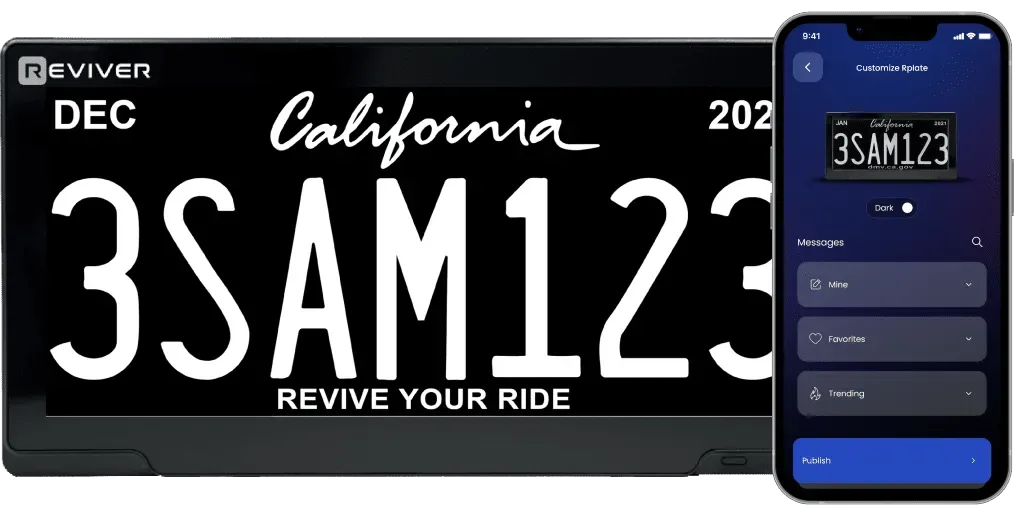
As of 2026, Iowa's pilot program caps participation at a few thousand vehicles. Most of those slots are reserved for commercial fleets. The Reviver Rplate itself runs on an e-ink display like a Kindle and uses a cellular connection to update your registration instantly.
Manufacturer specs put the battery life at around five years. But the real question isn't about the tech. It's about whether your car qualifies and whether local law enforcement in your county will recognize it at a traffic stop.
Bing (Web (fair-use with source credit))
Quick Answer
Yes, digital license plates are legal in Iowa. But they are only allowed under the state's pilot program. You cannot buy one and install it without approval.
Your vehicle must meet eligibility rules set by the Iowa DOT. Most passenger cars are excluded for now. The program is limited in size.
Check with your county's motor vehicle office before purchasing.
What's the Iowa Digital License Plate Pilot Program?
Iowa launched its digital license plate pilot program in 2023 as a limited experiment. The goal was to test whether electronic plates could replace traditional metal tags for certain vehicles. The Iowa Department of Transportation (iowadot.gov) oversees the program in partnership with Reviver, the company behind the Rplate.
Under the pilot, participating vehicles use a digital plate that displays the license number on an e-ink screen. The plate connects to Reviver's cloud platform via 4G LTE. This allows the state to push registration updates remotely.
There is no need for annual sticker replacements. The plate can also display temporary messages like "STOLEN" or "FOR SALE" if the owner triggers them.
The pilot is not open to everyone. It focuses on commercial fleets, government vehicles, and a small number of private cars that meet specific criteria. Each county has its own participation rules.
As of early 2026, about 1,500 vehicles were enrolled according to aggregate reports from the Iowa DOT and Reviver's published figures.
Bing (Web (fair-use with source credit))
How the Pilot Differs from Fully Legal Status
A pilot program is not the same as permanent legalization. The Iowa legislature has not passed a law making digital plates universally legal. The pilot is an exception under existing Iowa Code Section 321.37, which requires plates to be made of metal or a similar rigid material.
If the pilot ends without a law change, digital plates could become illegal again.
Who Can Use a Reviver Plate in Iowa?
Eligibility is the biggest hurdle for most drivers. Here is how the conditions break down.
| Eligible Vehicles | Ineligible for Now |
|---|---|
| Commercial fleet trucks (Class 3-8) | Most personal passenger cars |
| Government and municipal vehicles | Motorcycles and trailers |
| Rental car fleets | Classic or antique vehicles |
| Rideshare vehicles (Uber, Lyft) limited | Vehicles registered outside Iowa |
| Some county-approved passenger vehicles | Vehicles with outstanding liens (varies) |
The Iowa DOT determines eligibility on a case-by-case basis. Even if your vehicle type is listed above, your county may not participate yet. Only a handful of counties including Polk, Linn, and Scott have active participation as of our research.
To check if you qualify, follow these steps. Call your county treasurer's motor vehicle office. Ask if they accept digital plate applications.
Confirm your vehicle falls into a permitted class. Fleets have an easier path. Your vehicle must be currently registered in Iowa with no suspensions.
If you have a loan on the car, the lender must approve the digital plate swap. The pilot has a hard cap. If the quota is full, you will be waitlisted.
If you drive a personal sedan and live in a non-participating county, you are likely out of luck. Do not buy a Reviver plate until you have written confirmation from your county that your specific vehicle is accepted.
How Digital License Plates Work in Iowa
The Reviver Rplate is the only digital plate model currently approved in the Iowa pilot. Understanding how it works helps you decide whether it is worth the hassle.
The Tech Behind Reviver Plates
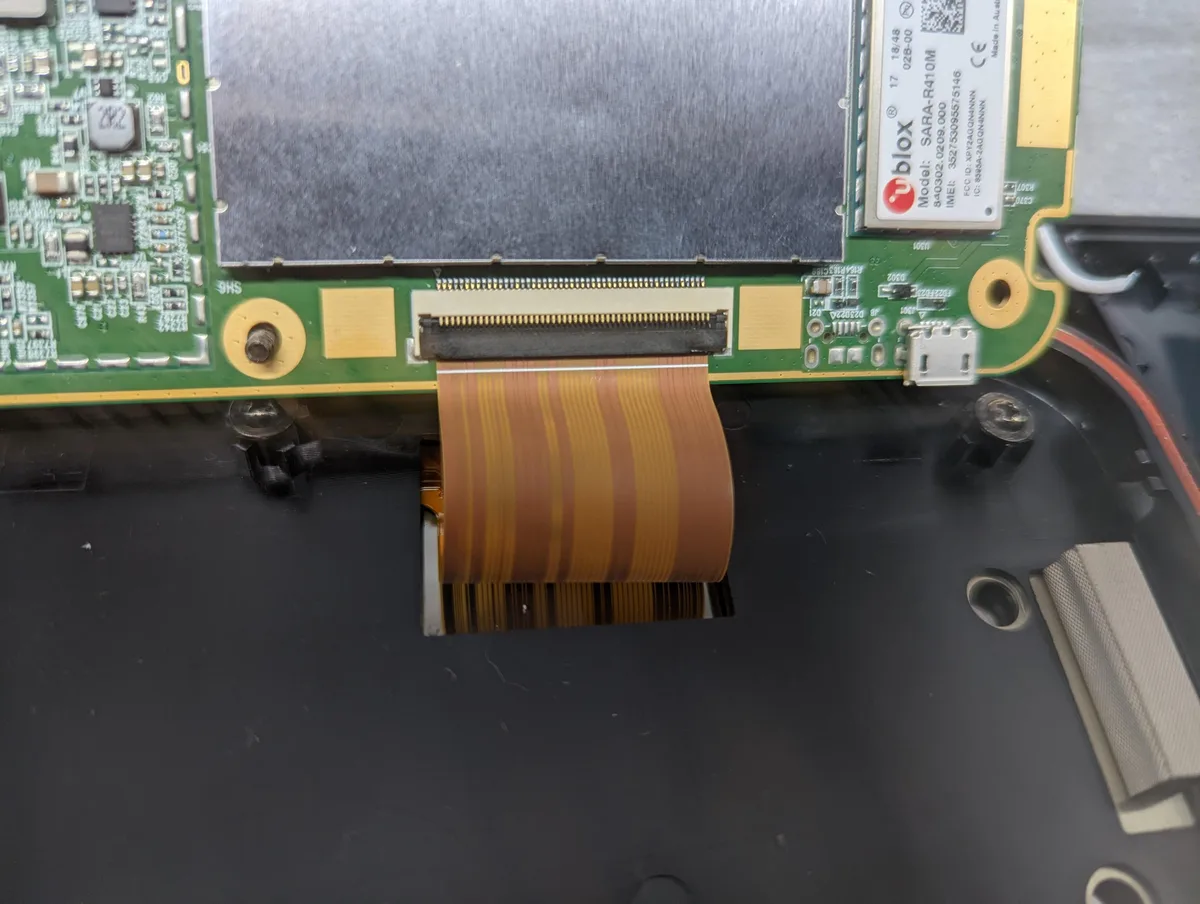
The Rplate uses a 7-inch e-ink display similar to an Amazon Kindle. It has no always-on backlight. It uses power only when the image changes.
That is why the battery lasts five to seven years under normal use. The plate connects to cellular networks to receive registration updates from the Iowa DOT. Reviver's official specs (reviver.com) confirm these battery estimates.
Key components include an e-ink screen that is sunlight readable with no glare. A cellular modem transmits data to Reviver's cloud. A sealed battery pack is user-replaceable by a technician.
An optional GPS receiver enables stolen-vehicle tracking. Tamper sensors trigger an alert if the plate is removed.
The plate mounts in a standard license plate bracket. It is slightly thicker than a metal plate at about half an inch. It fits most factory mounts.
How Iowa's Pilot Differs from Other States
Iowa is not the first state to test digital plates. California, Arizona, Michigan, and Florida have all launched similar pilots. Iowa's program is narrower in scope.
Florida's pilot allows broader use for passenger vehicles and includes a larger cap. Iowa's pilot is heavily weighted toward commercial fleets.
Another key difference is that Iowa does not yet allow the stolen alert feature on all participating vehicles. Some counties restrict messaging to fleet managers only. And unlike Arizona where digital plates are legally recognized statewide under a permanent law, Iowa's program remains a temporary experiment that could expire.
Step-by-Step: How to Get a Digital License Plate in Iowa
If you have confirmed eligibility, here is the process. Do not skip any step. Missing one can get your application rejected.
1. Check if Your Vehicle Qualifies
Follow the eligibility checklist above. Call your county treasurer and ask specifically whether your county participates and whether your vehicle class is accepted. Get the answer in writing if possible.
Some counties require a pre-approval form.
2. Apply for the Pilot Program
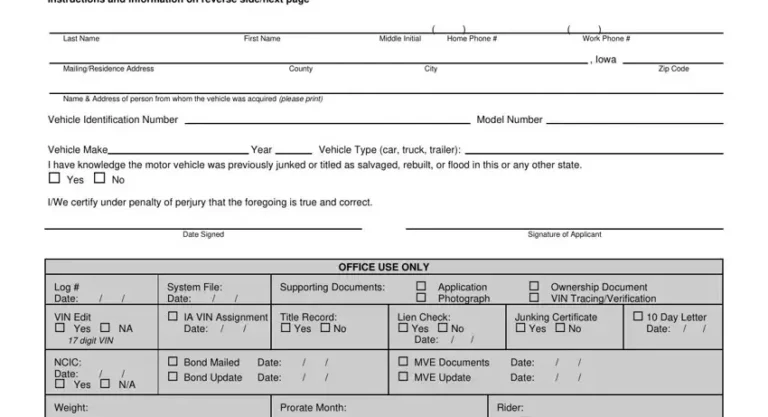
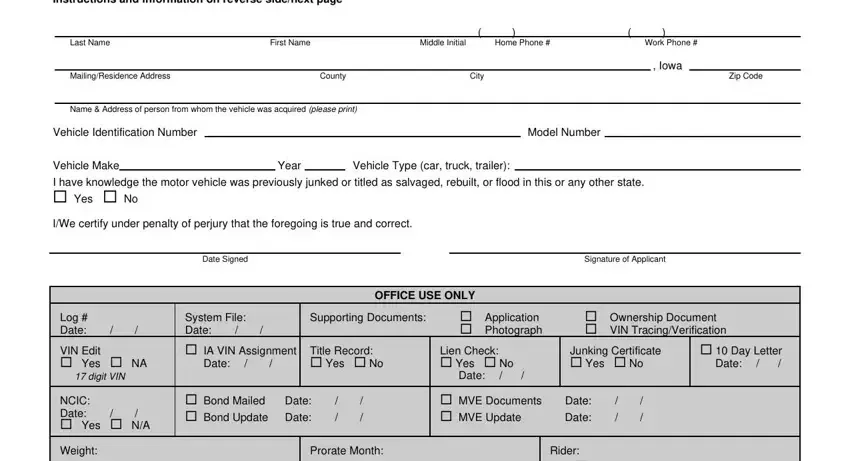
Once you confirm eligibility, submit an application to the Iowa Motor Vehicle Division. The form asks for your vehicle identification number, current registration details, county of registration, fleet status, and lienholder consent. The MVD reviews your application against the pilot cap.
If accepted, you receive a letter of approval. Do not buy the Reviver plate before getting this letter.
Bing (Web (fair-use with source credit))
3. Buy and Install the Reviver Plate
Once you have approval, order the Rplate directly from Reviver or through an authorized installer. The plate costs about 699 to 999 dollars plus a monthly connectivity fee of 10 to 20 dollars. Installation is straightforward.
Mount the plate on your existing bracket and connect the wiring for power. Some models require a hardwire while others run on battery only. Our research suggests having a certified technician handle installation to avoid connectivity issues.
4. Activate and Register Your Plate
After installation, activate the plate through the Reviver mobile app. Enter your vehicle information and the approval code from the Iowa MVD. The plate then syncs with the state's registration database.
Within 24 hours, your plate should display your license number and current registration month and year. No sticker is needed. You can verify the display through the app.
5. Renew Your Registration Digitally
When your registration comes up for renewal, handle it entirely online. No need to visit a county office or wait for stickers in the mail. Once the state approves your renewal, the plate automatically updates its display.
Other states like Idaho have expanded their online registration renewal systems in similar ways. Iowa's digital plate system takes that concept one step further by updating the plate itself. You still pay the same registration fees.
There is no discount for using a digital plate, but you save the trip to the DMV.
Cost Breakdown: Reviver Plate vs. Traditional Plates in Iowa
Digital plates cost more upfront. The math changes depending on how long you keep your vehicle and how often you renew.
Upfront Costs
| Expense | Reviver Rplate | Traditional Plate |
|---|---|---|
| Plate purchase | $699 to $999 | $20 to $50 |
| Installation | $50 to $150 (if professional) | Included |
| First registration | Same as traditional | Same as digital |
| Total first-year cost | $749 to $1,149 | $20 to $50 |
The Reviver plate is a one-time purchase but you pay for it all at once. Traditional plates are cheap but you replace them every few years if you move or change vehicles.
Monthly Fees
Reviver charges a monthly connectivity fee of 10 to 20 dollars. This covers cellular data and cloud services. Traditional plates have no recurring fees.
Over five years, that adds 600 to 1,200 dollars to the total cost.
If you keep your vehicle for less than three years, traditional plates are almost always cheaper. If you keep it longer and value the convenience of digital updates, the Reviver plate starts to make sense.
Long-Term Savings
Digital plates save you time, not money. You skip trips to the DMV for stickers. You also avoid late fees if you forget to renew.
The plate updates automatically once you pay online.
But there are hidden costs. If your plate's battery dies, you need a technician to replace it. Reviver charges about 150 dollars for a battery swap.
Traditional plates never need power.
For fleets, the savings add up. Remote registration updates mean fewer administrative hours. For personal drivers, the convenience rarely justifies the price.
Legal Risks: What Happens If Police Don't Recognize Your Digital Plate?
Digital plates are legal under Iowa's pilot program. But that does not mean every officer knows it. If you get pulled over, you might face extra scrutiny.
Iowa's License Plate Display Laws
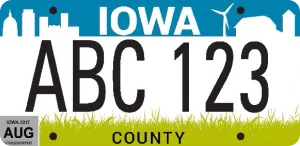
Iowa Code Section 321.37 requires license plates to be clearly visible from 50 feet at night. The Reviver plate meets this standard. Its e-ink display is bright enough in daylight and dim conditions.
But the law does not explicitly mention digital plates. That leaves room for interpretation.
Some officers may not realize digital plates are approved. If they do not recognize the Rplate, they might assume it is a fake or tampered plate. This is especially true in rural counties where the pilot has not rolled out yet.
Other states enforce similar visibility requirements for all plate types.
Bing (Web (fair-use with source credit))
What to Do If You Get Pulled Over
If an officer questions your plate, stay calm. Show them your Iowa DOT approval letter. Explain that your plate is part of the state's pilot program.
Most officers will verify it with dispatch.
If the officer is still not convinced, they might issue a fix-it ticket. This gives you a few days to resolve the issue. Call the Iowa DOT or Reviver support to confirm your plate's legality.
Once verified, the ticket should be dismissed.
Can You Be Fined for a Digital Plate?
Technically, no. Not if your plate is properly registered and approved. But if the officer does not recognize it, they might cite you for an obstructed plate or failure to display.
These tickets are usually dismissed once you prove the plate is legal.
The bigger risk is delays. A traffic stop with a digital plate might take longer while the officer verifies your registration. If you are in a hurry, that is a hassle.
Pros and Cons of Digital Plates in Iowa
Benefits
Digital plates offer instant updates. No more waiting for stickers. Renew online and your plate updates automatically.
Theft deterrence is another advantage. The plate can display "STOLEN" if your car is reported missing. Some models include GPS tracking.
Custom messages help fleet managers. They can display "FOR SALE" or "OUT OF SERVICE" without swapping plates. No more lost stickers either.
Forget about peeling, fading, or stolen registration tags.
For commercial fleets, the benefits are clear. Remote updates save time and reduce administrative costs. For personal drivers, the advantages are mostly about convenience.
Drawbacks
The high cost is the biggest drawback. The upfront price is 20 times higher than a traditional plate. Monthly fees add up over time.
The legal gray area is another concern. Not all officers recognize digital plates. You might face extra scrutiny at traffic stops.
Battery life is also a factor. If the battery dies, the plate goes blank. You need a technician to replace it.
Limited availability is a problem too. Only a few counties participate. Most personal cars do not qualify.
If you are a fleet manager, the pros likely outweigh the cons. If you are a personal driver, the cons usually win.
Common Mistakes to Avoid with Iowa Digital Plates
Assuming All Cops Know the Rules
Many officers have not encountered digital plates yet. Do not assume they will recognize yours. Keep your approval letter in the glove box.
If you get pulled over, hand it to the officer before they ask.
Ignoring Connectivity Dead Zones
The Reviver plate relies on cellular data. If you drive in rural areas with poor coverage, the plate might not update properly. Check your carrier's coverage map before buying.
If you frequently drive through dead zones, a digital plate is not a good fit.
Forgetting to Update Registration
Digital plates update automatically but only if you renew on time. If you miss the deadline, the plate will not display the new registration. You can still get a ticket for expired tags.
Skipping the Fine Print on Data Privacy
Reviver collects location data from your plate. The company says it is used only for registration updates and theft alerts. If you are uncomfortable with tracking, a traditional plate is a better choice.
Alternatives to Digital Plates in Iowa
If digital plates are not right for you, here are your options.
Traditional Metal Plates
This is the default choice for most drivers. They are cheap, durable, and universally recognized. You need to visit the DMV for stickers every year.
But there are no monthly fees or connectivity issues.
Temporary Paper Plates
If you are waiting for your permanent plates, Iowa issues temporary paper tags. They are valid for 30 days. They are not a long-term solution.
But they are free and legal.
Aftermarket GPS Trackers
If you want theft protection without a digital plate, consider an aftermarket tracker like Apple AirTag or Tile. These are cheaper and do not require state approval. But they will not display your registration.
You still need traditional plates for that.
What's Next for Digital Plates in Iowa?
Iowa's pilot program is set to run through at least 2026. The Iowa DOT will review data on registration compliance, law enforcement feedback, and driver satisfaction. If the program succeeds, lawmakers may introduce a bill to make digital plates permanently legal.
If it fails, the pilot could end without renewal.
A ban is unlikely but possible. If the DOT finds widespread enforcement issues or high costs, they could recommend ending the program. Most risks come from outside the pilot.
If another state bans digital plates, Iowa might follow suit. But for now, the pilot is the only legal path.
Other states offer a glimpse of what could come. California and Arizona have larger pilots with fewer restrictions. Florida's program allows personal vehicles and has no county limits.
If you want to compare approaches, check out Florida's pilot program. Reviver is pushing for expansion in Iowa, but the state's conservative approach means change will be slow. For the latest updates, follow the Roadworthylabs blog.
Decision Guide: Should You Get a Digital Plate in Iowa?
Yes, If…
You manage a fleet and want remote registration updates. The time savings justify the cost.
No, If…
You drive a personal car in a non-participating county. The legal risks and price are not worth it.
Maybe Later, If…
The pilot expands to include more vehicles. Wait for broader approval before investing.