ByMax Lee
Is a 39 MPH Moped Legal in Iowa? Speed Laws Explained
You're cruising down a quiet Iowa backroad on a sunny afternoon, moped humming at a steady 35 mph, when it hits you. What exactly is the legal definition of the Iowa moped maximum operating speed of 39 mph? That number isn't just a suggestion.
It's the dividing line between a moped and a motorcycle under Iowa law. Cross it, and you could face fines, registration headaches, or even lose your ride.
As of 2026, Iowa Code § 321.1 defines a moped as a two- or three-wheeled vehicle with an engine size of 50cc or less and a maximum speed of 39 mph or below. If your moped can go faster, Iowa treats it like a motorcycle. That means stricter licensing, insurance requirements, and different road rules.
So how do you stay legal? Start by confirming your moped qualifies. Then follow the registration, licensing, and riding rules to the letter.
Quick Answer
Iowa's 39 mph moped speed limit is the legal threshold for vehicle classification. If your moped stays at 39 mph or below, it's a moped under Iowa law. Go faster, and it's a motorcycle.
Iowa Code § 321.1 sets this rule. Mopeds don't need a motorcycle license, but they do require registration. Riders under 18 must wear helmets.
Highways are off-limits.
Is Your Moped Legal in Iowa? The 39 MPH Rule Explained
The 39 mph speed limit isn't about how fast you ride. It's about how fast your moped is capable of going. If your moped can hit 40 mph or more, even if you never ride that fast, Iowa considers it a motorcycle.
That distinction affects everything from licensing to where you can ride.
Iowa doesn't just look at speed. Your moped also needs to meet these specs to stay legal:
- Engine size: 50cc or less (or ≤750W for electric mopeds)
- Pedals: Must have operable pedals
- Transmission: Automatic or manual (manual can complicate classification)
If your moped checks all these boxes and stays under 39 mph, you're in the clear. Fail even one condition, and it's a motorcycle in Iowa's eyes. You'll need to follow motorcycle rules instead.
What Counts as a Moped in Iowa? (And What Doesn't)
Iowa's definition of a moped is strict. It's easy to get wrong. Here's how the state breaks it down:
| Feature | Moped | Motorcycle | Scooter |
|---|---|---|---|
| Engine size | ≤50cc (or ≤750W electric) | >50cc | Varies (often ≤50cc) |
| Top speed | ≤39 mph | >39 mph | Varies (often ≤30–40 mph) |
| Pedals | Required (operable) | Not required | Not required |
| License required | No (if registered) | Yes | Depends on speed/engine |
| Registration required | Yes | Yes | Yes (if >30 mph) |
| Helmet law (under 18) | Yes | Yes | Yes (if >30 mph) |
Key takeaway: If your ride has pedals and stays under 39 mph, it's a moped. If it lacks pedals or can go faster, it's a motorcycle even if it looks like a moped. Scooters are a gray area.
Iowa often treats them like mopeds if they're 50cc or less and under 39 mph. Always double-check with the Iowa DOT.
The 39 MPH Speed Limit: What It Really Means for Riders
The 39 mph rule isn't just about speeding tickets. It's about how Iowa classifies your vehicle. Here's what it means in practice.
If your moped hits 40 mph, it's no longer a moped. You'll need a motorcycle license, insurance, and registration. Riding it as a moped could mean fines or impoundment.
If you modify your moped to go faster, you're reclassifying it as a motorcycle. Adding a bigger engine or removing the speed governor does exactly that.
If you ride on highways, mopeds are banned from interstates and limited-access roads in Iowa. Getting caught means penalties even if you stay under 39 mph.
Pro tip: If you're buying a used moped, test its top speed before registering it. Some sellers tamper with speed governors. You don't want to find out that your moped is actually a motorcycle.
Iowa Moped Laws vs. Motorcycle Laws: Key Differences
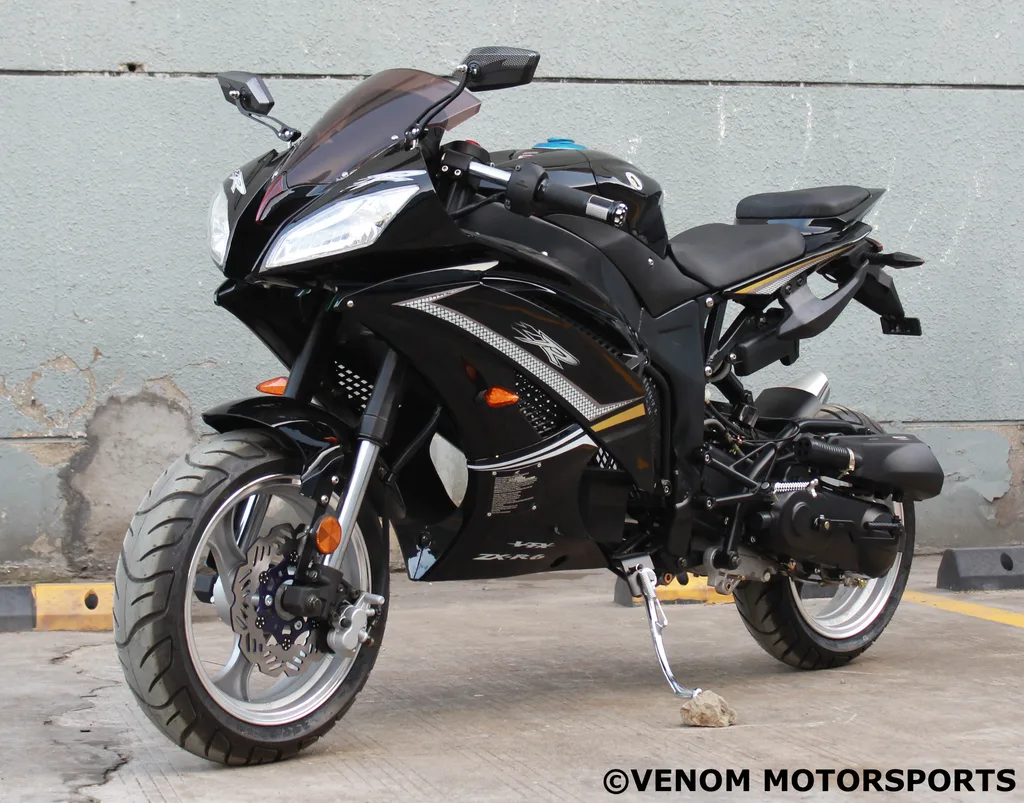
Iowa treats mopeds and motorcycles very differently. Here's what you need to know:
| Requirement | Moped | Motorcycle |
|---|---|---|
| License | No (if registered) | Yes (motorcycle endorsement) |
| Registration | Yes ($20–$50 fee) | Yes (higher fees) |
| Insurance | Not required (recommended) | Required |
| Helmet (under 18) | Required | Required |
| Helmet (18+) | Not required | Not required |
| Road restrictions | No highways, no interstates | No restrictions |
| Passenger rules | Only if designed for it | No restrictions |
Biggest difference: Mopeds are cheaper and easier to own. But they come with more road restrictions. Motorcycles give you more freedom but require more paperwork and cost more.
Watch out for: If your moped gets reclassified as a motorcycle, you'll need to update your registration. You'll also need a motorcycle license and insurance. All of that adds up quickly.
This is similar to the rules for other slow-moving vehicles. Different states have different thresholds for what counts as a low-speed vehicle and what rules apply.
Do You Need a License, Registration, or Insurance?
This is where most riders get confused. Iowa doesn't require a motorcycle license for mopeds. But you do need a valid driver's license or moped permit.
If you're under 18, you can get a moped permit at 14 after passing a written test. If you're 18 or older with no valid license, you can get a moped-only license from the Iowa DOT.
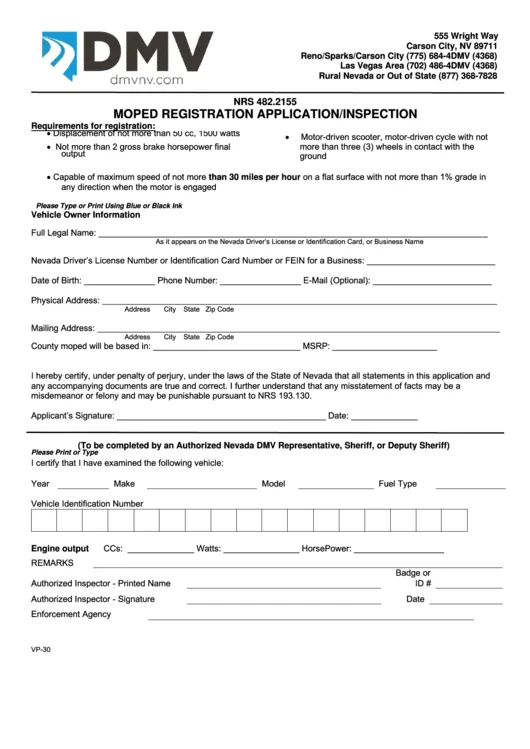
Registration is mandatory. Every moped must be titled and registered with the Iowa DOT. The fee runs between $20 and $50 depending on your county.
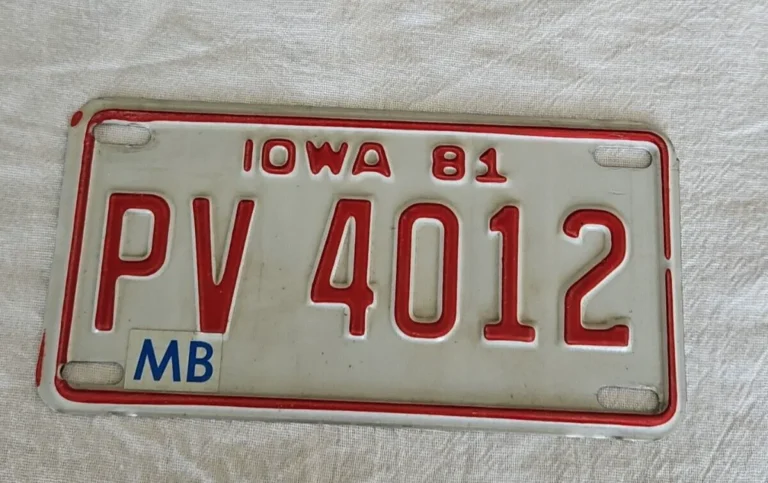
You'll get a registration card and a plate to display on the back. No plate means you're riding illegally.
Insurance is optional but smart. Iowa does not require liability insurance for mopeds. But if you cause an accident, you're personally on the hook for damages.
A basic liability policy is cheap. It protects your wallet. Some counties may also ask for proof of insurance during registration.
Check locally.
The registration process is straightforward. You can find fee schedules through your county treasurer or the Iowa DOT website.
Step-by-Step: How to Legally Ride a Moped in Iowa
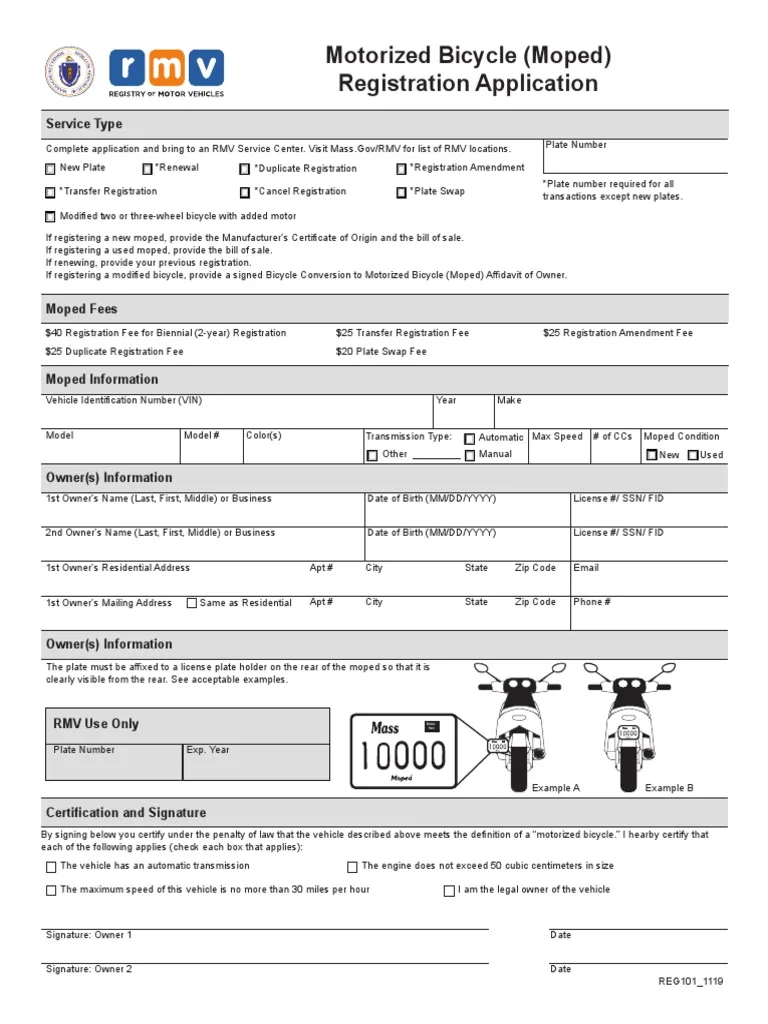
Follow these five steps to stay legal on Iowa roads. Miss one, and you risk a ticket.
1. Check Your Moped's Classification
Before anything else, confirm your moped qualifies. Look at the manufacturer's specs. Engine size must be 50cc or less (750W or less for electric).
Top speed must be 39 mph or less. If it's faster or larger, follow motorcycle rules. If you're unsure, take it to a mechanic for a speed test.
Don't guess.
2. Register It with the Iowa DOT
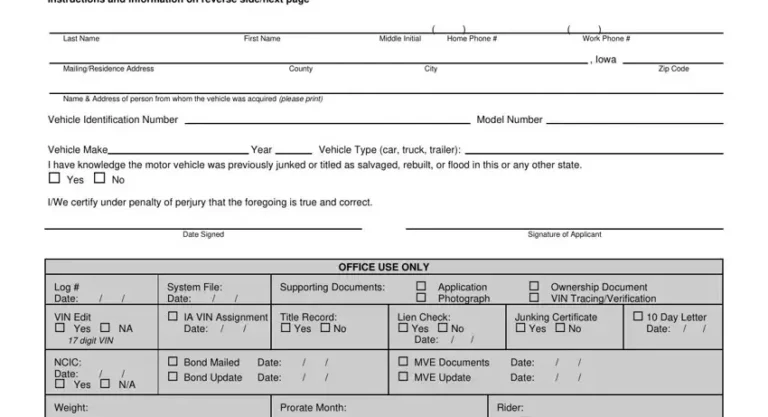
Go to your county treasurer's office. Bring the title, bill of sale, and proof of identity. Fill out an Iowa DOT registration form.
Pay the fee. You'll get your registration card and license plate. Attach the plate to the rear.
That's your proof of legal operation.
Tip: Some counties accept online renewal for moped registration. Look up your county's options on the Iowa DOT website.
3. Get the Right License or Permit
If you're 16 or older with a valid driver's license, you're good. If you're 14 to 17 without a license, apply for a moped permit. The test covers basic road rules and moped safety.
Pass it, and you can ride legally until you turn 18.
If you have a suspended license, riding a moped is not a workaround. Iowa treats moped violations the same as car violations.
4. Know Where You Can (and Can't) Ride
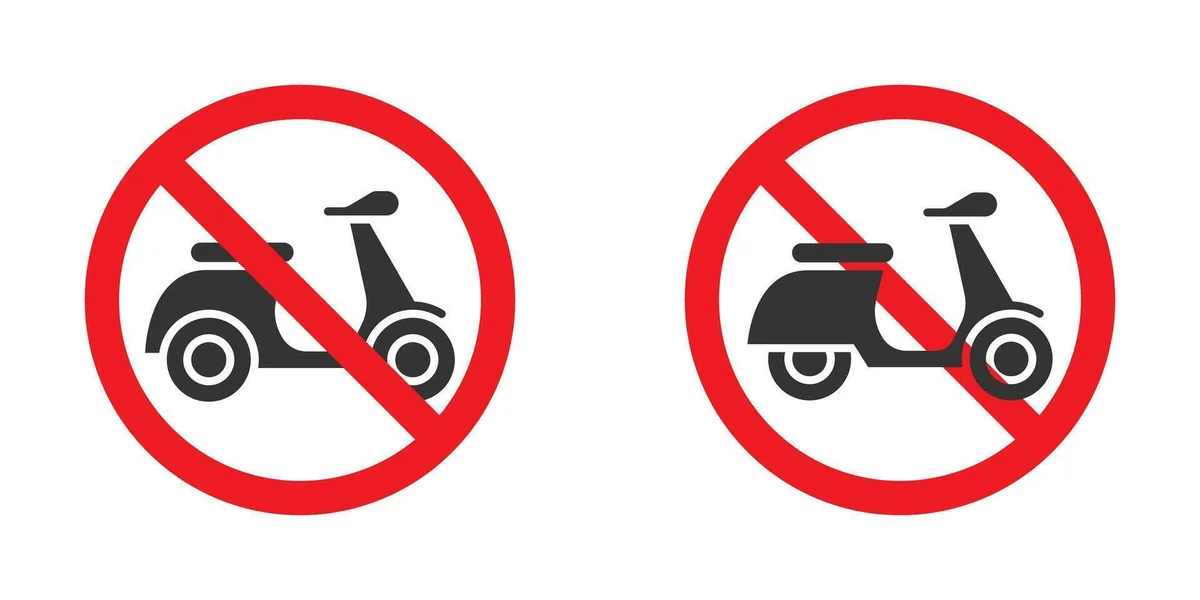
Mopeds are banned from interstates, freeways, and limited-access highways in Iowa. You also can't ride on roads where the posted speed limit is higher than 39 mph if it creates a hazard. Mopeds must stay right and yield to faster traffic.
You can ride on most public roads including city streets and county roads. Stay in the right lane or the shoulder. Sidewalks and bike lanes are off-limits unless local ordinances allow it.
Check your city's rules.
Slow-moving vehicles face similar restrictions in other states. The rules vary, but the general idea is the same. Slow vehicles stay off fast roads.
5. Avoid Illegal Modifications
Installing a bigger carburetor, removing the speed governor, or swapping the engine to hit 45 mph changes your moped's classification. You'll need a motorcycle license and insurance. Worst case, you could be ticketed for operating an unregistered motorcycle.
If you want more speed, buy a motorcycle. Don't modify your moped. It's cheaper and safer to stay legal.
Common Mistakes That Get Iowa Moped Riders in Trouble
Thinking the 39 mph limit is flexible. It isn't. If your moped can hit 40 mph on a flat road, it's a motorcycle. The law looks at capability, not your actual speed.
Assuming all scooters are mopeds. Many scooters lack operable pedals. Without pedals, Iowa doesn't classify it as a moped even if it's 50cc. Check the pedals, not the label.
Skipping registration because it's just a bike. Mopeds are motor vehicles in Iowa. No registration means fines and possible impoundment.
Riding on highways. You can get a ticket and may need to push your moped off the interstate. Plan your route to avoid restricted roads.
Ignoring helmet laws for minors. If you're under 18, you must wear a DOT-approved helmet. It's the law and it's smart. Even adults should consider one.
Riding with a suspended license. Mopeds require a valid license or permit. A suspended license applies to all motor vehicles.
What Happens If You Get Pulled Over?
It depends on the violation. Here's the breakdown.
Speeding over 39 mph. The officer will check your moped's capability. If it can exceed 39 mph, you'll be cited for operating an unlicensed motorcycle. Expect a ticket, possible impound, and a requirement to get a motorcycle license to retrieve it.
No registration. You'll get a fine up to $200 in some counties. You may need to tow the moped to get it registered. Recurring violations can lead to impoundment.
No license or permit. Iowa issues a citation for driving without a license. The fine is typically $100 to $500. You may also get points on your record if you have a license from another state.
Riding without a helmet (under 18). You'll get a ticket. The fine is small, but the safety risk isn't.
Riding on a restricted road. You'll be directed to exit immediately. On a highway, expect a citation and possibly a reckless driving charge if you cause a hazard.
Pro tip: If you're pulled over, stay calm. Be honest about your moped's specs. Provide your registration and license.
If you're unsure about your classification, ask the officer for clarification. Most will explain the law.
Electric Mopeds in Iowa: Special Rules You Need to Know
Electric mopeds follow Iowa Code § 321.1 just like gas mopeds. But there's one difference. The maximum power is 750 watts (about 1 horsepower).
That's the equivalent of a 50cc gas engine. The speed limit stays the same at 39 mph.
If your electric moped exceeds 750 watts or 39 mph, it's an electric motorcycle. You'll need a motorcycle endorsement, insurance, and registration at motorcycle rates.
Registration follows the same process as gas mopeds. You'll title and register with the Iowa DOT. The fees are identical.
License requirements are the same too. No motorcycle license needed as long as it stays under 750 watts and 39 mph. A regular driver's license or moped permit is sufficient.
Where to ride: Same road restrictions apply. No highways or interstates.
Battery and safety: Electric mopeds are quieter than gas ones. That can be a safety concern. Iowa requires a horn and lights.
Consider adding reflective gear to make yourself more visible.
Upgrade caution: Replacing the battery with a higher-voltage pack can increase speed and power. That reclassifies your moped as an electric motorcycle. You'll need to follow all motorcycle rules.
Many electric moped owners in Iowa are unaware of the 750-watt limit. Check your manufacturer's specs before you ride. If you built your own, measure the wattage to confirm compliance.
Iowa Moped Laws vs. Neighboring States (IL, MN, WI, MO)
Iowa's moped laws are strict. But neighboring states have their own rules. If you cross state lines, you need to know what changes.
| State | Max speed for moped | License required | Insurance required | Helmet required |
|---|---|---|---|---|
| Iowa | 39 mph | No (registration OK) | No | Under 18 |
| Illinois | 30 mph | Yes | Yes | Under 18 |
| Minnesota | 30 mph | Yes | No | Under 18 |
| Wisconsin | 30 mph | Yes | Yes | Under 18 |
| Missouri | 30 mph | Yes | No | Under 18 |
Key differences: Every neighboring state sets the moped speed limit at 30 mph. Not 39. If your Iowa moped can do 35 mph, it's legal in Iowa but illegal in Illinois, Minnesota, Wisconsin, and Missouri.
You could be ticketed for operating a motorcycle without the proper license.
Insurance: Illinois and Wisconsin require liability insurance for mopeds. Iowa and Minnesota do not. If you ride into those states without coverage, you're breaking the law.
License: All neighboring states require a valid driver's license or motorcycle endorsement. Only Iowa allows a moped permit for riders without a regular license.
The most common border violation is speed. Riders assume their Iowa-legal moped is fine in Wisconsin. Then they get pulled over at 35 mph.
Always check the local speed threshold before crossing.
Real-Life Scenarios: What Would You Do?
These situations happen to real riders in Iowa. Here's how to handle them.
Scenario 1: Your moped hits 40 mph on a downhill. Gravity doesn't care about the law. If your speedometer touches 40 even briefly, you could be cited. What to do: Avoid steep downhills where speed builds.
If you're ticketed, explain the situation. But the officer may still classify your moped as a motorcycle. Our advice: install a speed governor set to 39 mph.
Scenario 2: You buy a used moped without papers. No title, no bill of sale. The Iowa DOT won't register it without proof of ownership. Your options: contact the previous owner for a duplicate title, or apply for a bonded title.
The second option costs more but gets you legal. Don't ride it until it's registered.
Scenario 3: A cop says your scooter isn't a moped. The officer sees no pedals. Even if it's 50cc and under 39 mph, without operable pedals Iowa doesn't classify it as a moped. What to do: If your scooter truly lacks pedals, you'll need to register it as a motorcycle and get the proper license.
Scenario 4: You let a friend ride without a license. You get pulled over. Your friend has no valid license or permit. The fine applies to both of you.
Your friend gets a ticket for no license. You may be cited for allowing an unlicensed driver to operate your vehicle. Always verify the rider's credentials.
Frequently Asked Questions
Can I ride a moped without a license in Iowa?
Yes, if you have a valid driver's license. If you don't, you need a moped permit. Riders under 18 must get a permit.
Iowa Code § 321.1 sets these rules. Riding without any license or permit is illegal.
Do I need insurance for a moped in Iowa?
No. Iowa does not require liability insurance for mopeds. But it's strongly recommended.
If you cause an accident, you're personally responsible for all costs. A basic policy is inexpensive and protects your finances.
What happens if my moped goes over 39 mph?
It becomes a motorcycle under Iowa law. You'll need a motorcycle endorsement, insurance, and registration at the motorcycle level. A ticket could also include operating an unregistered vehicle.
Check your moped's top speed before riding.
Can I ride on the sidewalk in Iowa?
Generally, no. Mopeds are considered motor vehicles. Sidewalks are for pedestrians and bicycles.
Local ordinances may vary. But state law prohibits mopeds on sidewalks.
How old do you have to be to ride a moped in Iowa?
You can get a moped permit at 14. If you're 16 with a valid driver's license, no permit is needed. Under 14, you cannot ride a moped.
Where can I find the official Iowa moped law text?
The Iowa DOT website has the full vehicle classification in Iowa Code § 321.1. Your county treasurer can also provide registration information. Check the Iowa DOT online portal for updates.
Your Iowa Moped Checklist: Stay Legal in 5 Minutes
- Confirm engine size: 50cc or less (750W for electric)
- Verify top speed: 39 mph or less on a flat surface
- Check for operable pedals
- Register with the Iowa DOT (title, plate, registration card)
- Get a valid driver's license or moped permit
- Wear a DOT-approved helmet if under 18
- Plan routes avoiding highways and interstates
- Avoid modifications that increase speed or power
- Confirm local city rules for sidewalk and road use
- Consider insurance for financial protection