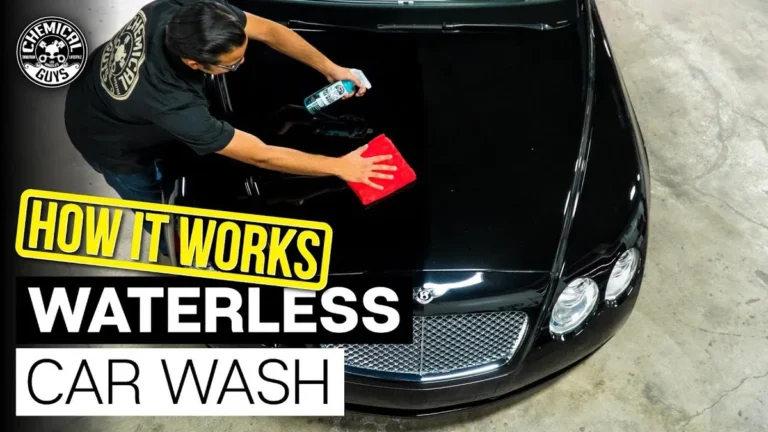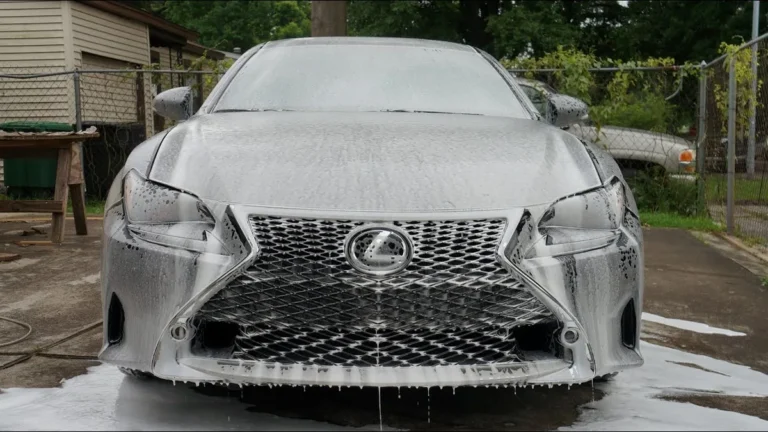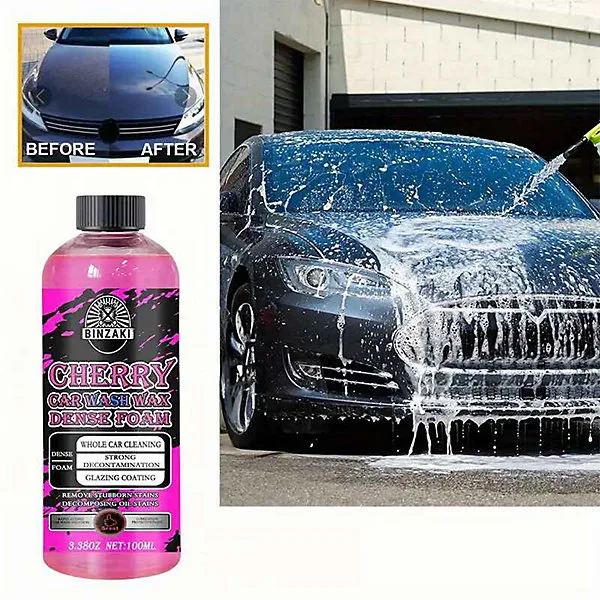
Is a ceramic seal car wash worth it? It depends on how much you value long-term paint protection versus cost. For most daily drivers, the convenience and added durability over wax make it a smart upgrade.
Manufacturer specs confirm these sealants typically last 3, 6 months, offering hydrophobic properties that repel water and reduce swirl marks. That’s a solid middle ground between basic washes and professional ceramic coatings.
Quick Answer
A ceramic seal car wash is worth it for paint protection and shine.
It lasts 3, 6 months per application.
Costs run $15, $40 per wash or $20, $50/month for memberships.
Best for those who want low-effort, long-lasting results.
What a Ceramic Seal Car Wash Actually Does
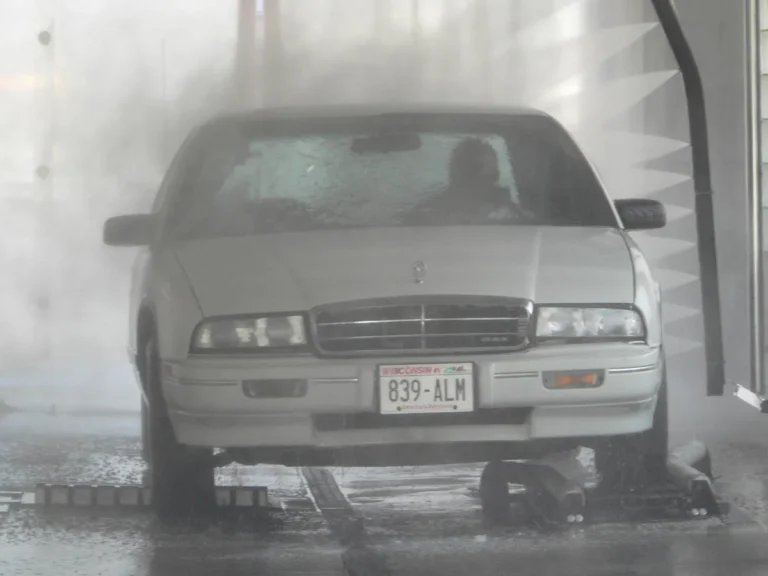
A ceramic seal car wash applies a thin, protective polymer layer during the wash cycle. This isn’t the same as a full ceramic coating, it’s a lighter, temporary version that bonds to your paint.
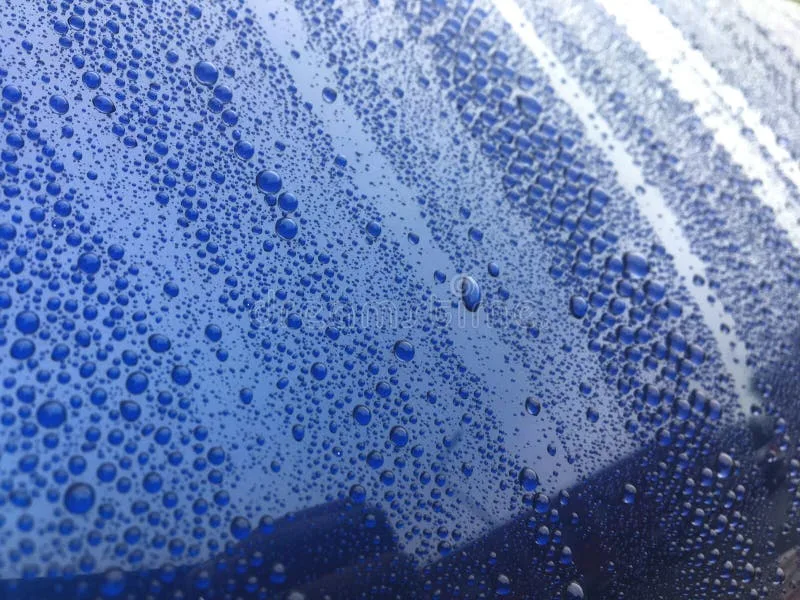
The sealant creates a hydrophobic surface, so water beads up and rolls off. Manufacturer specs show this reduces water spots and makes future cleaning easier. It also adds UV resistance, which helps prevent paint fading over time.
Aggregate reviews report that cars with ceramic sealants stay cleaner longer. Dirt and grime have a harder time sticking to the slick surface.
How It Compares to Wax, Sealants, and Professional Coatings
| Feature | Ceramic Seal Wash | Traditional Wax | Synthetic Sealant | Professional Ceramic Coating |
|---|---|---|---|---|
| Durability | 3–6 months | 1–3 months | 4–6 months | 2–5 years |
| Hydrophobic Effect | High | Moderate | High | Very High |
| UV Protection | Yes | Limited | Yes | Yes |
| Scratch Resistance | Minor | Minimal | Minor | Moderate |
| Cost | $15–$40 | $10–$25 | $20–$50 | $500–$2,000 |
| Application Time | 10–20 minutes | 30–60 minutes | 20–40 minutes | 1–2 days |
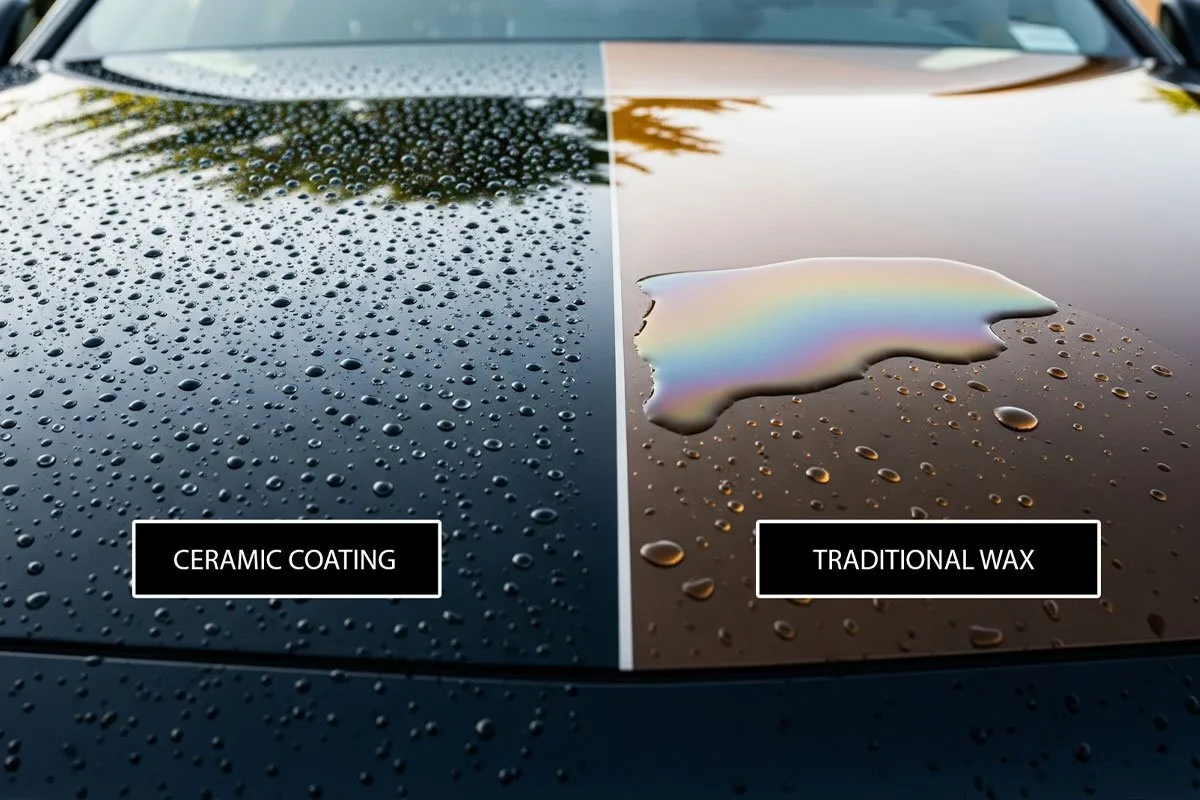
Ceramic seal washes sit between wax and professional coatings. They’re more durable than wax but less permanent than a full ceramic coating. For most people, they offer a practical balance of cost and performance.
Synthetic sealants are the closest alternative, but they require manual application. A ceramic seal wash automates the process, saving you time and effort.
The Real Pros and Cons
Ceramic seal washes excel in convenience. You get protection without the hassle of DIY application. The hydrophobic effect also means your car stays cleaner between washes.
On the downside, they’re not as durable as professional coatings. You’ll need to reapply every few months to maintain protection. Costs can add up if you’re not on a membership plan.
Another limitation is depth of protection. These sealants guard against minor scratches and UV damage, but they won’t stop rock chips or deep scratches. For that, you’d need a full ceramic coating or paint protection film.
Who Should (and Shouldn’t) Use It
Ceramic seal washes are ideal for daily drivers who want low-maintenance protection. If you wash your car regularly and want to extend the time between detail sessions, this is a great fit.
They’re also a smart choice for people in harsh climates. Salt, sun, and snow can take a toll on your paint, and the added UV resistance helps.
Avoid ceramic seal washes if you’re looking for maximum protection. Enthusiasts with high-end cars or those in extreme conditions might prefer a professional ceramic coating. Also, if you rarely wash your car, the benefits won’t be as noticeable.
Cost Breakdown: One-Time vs. Membership
Single ceramic seal washes cost $15 to $40 per session. Memberships run $20 to $50 monthly for unlimited washes, which pays off if you visit weekly.
As of 2026, most chains offer tiered plans. Basic tiers include the ceramic sealant, while premium tiers add extras like interior vacuuming or wheel shine.
How Long It Lasts and What Affects Durability
Ceramic sealants from a wash typically last 3 to 6 months. Harsh climates with extreme sun, salt, or snow can cut that to 2 to 3 months.
Frequency of washes matters. Regular visits help maintain the sealant layer. Using harsh soaps or automatic brushes can strip it faster.
Common Mistakes That Waste Your Money
Skipping the pre-wash rinse leaves dirt trapped under the sealant. That defeats the purpose of protection.
Another mistake is expecting miracle scratch protection. Ceramic sealants resist minor swirls but won’t stop rock chips or deep scratches.
Overpaying for add-ons you don’t need is common. Stick to the ceramic seal package unless you truly want extras like undercarriage spray.
When It’s the Smart Choice—and When to Skip It
It’s smart for daily drivers in urban areas with frequent exposure to contaminants. The convenience and protection justify the cost.
Skip it if you have a garage queen that rarely sees sunlight or rain. The benefits won’t outweigh the expense.
Also skip if you’re already using a professional ceramic coating. The sealant wash won’t add meaningful protection.
How to Get the Most Out of It
Start with a clean car. Dirt and grime prevent the sealant from bonding properly.
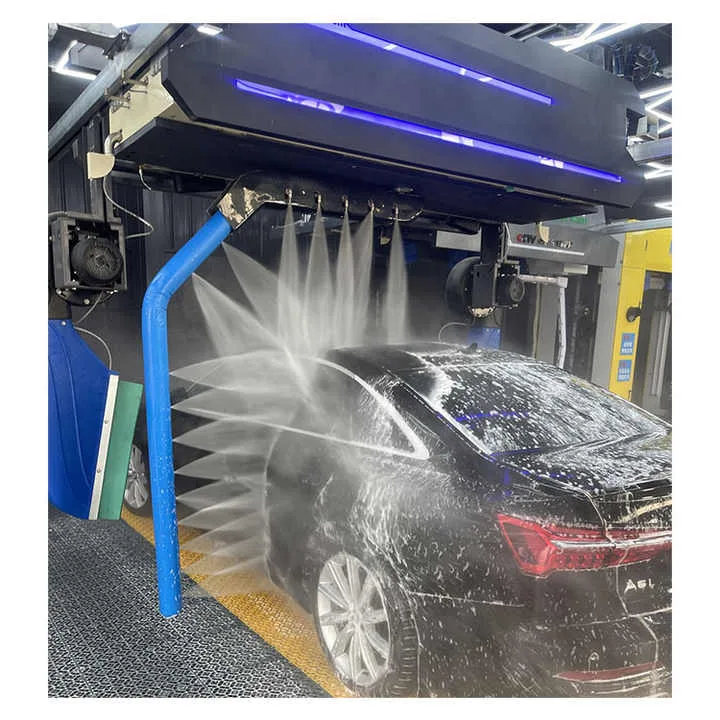
Choose touchless washes when possible. Brushes can introduce micro-scratches that the sealant won’t fix.
Reapply every 3 to 4 months for consistent protection. Most locations will remind you when it’s time for a refresh.
Frequently Asked Questions
Does a ceramic seal wash replace waxing?
No. It’s a temporary alternative that lasts longer than wax but doesn’t offer the same depth of shine. Wax still has its place for show cars or special occasions.
How often should I get a ceramic seal wash?
Every 3 to 4 months for consistent protection. In harsh climates, you might need it every 2 months to maintain the hydrophobic effect.
Can I apply ceramic sealant myself?
Yes. DIY ceramic sprays are available and cost less than professional washes. However, the application process requires a clean surface and proper technique to avoid streaks.
Will it protect against scratches?
It resists minor swirls and light scratches. For deeper protection, you’d need a professional ceramic coating or paint protection film.
Is it safe for all paint types?
Yes. Ceramic sealants are safe for clear coats, single-stage paints, and even matte finishes. Always check with the wash provider if you have a specialty finish.