ByMax Lee
How Is Water Softener Enough to Produce Spotless Carwashing
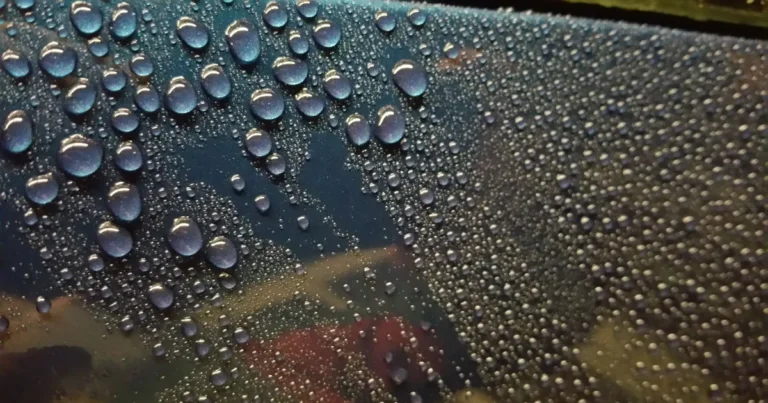
You’ve just finished washing your car. You wipe it dry, step back, and there they are, little white spots scattered across the hood and windows. Water spots.
The kind that make a fresh wash look like it never happened. If you’ve been asking yourself whether a water softener is enough to produce spotless carwashing, you’re not alone. A lot of people install a softener hoping it’s the magic fix, and many are disappointed.
Here’s the thing: a water softener does a great job at removing calcium and magnesium, which cause most hard-water spotting. But it doesn’t remove total dissolved solids (TDS). As of 2026, the Water Quality Association (WQA) still classifies softened water as “conditioned”, not purified.
That distinction matters a lot when you want a truly spot-free finish. Let’s walk through why, and what you can do about it.
Wikimedia Commons / Eddie August Schneider
The Real Problem: Water Spots After a “Good” Wash
You’ve used good soap. You’ve been careful with your technique. But the second the rinse water starts evaporating, spots form.
Why does this happen with softened water?
Water spots are nothing more than mineral deposits left behind when water dries. Even after a softener swaps calcium and magnesium for sodium, you still have dissolved solids in the water. Those solids can be sodium, silica, chlorides, or other minerals.
When the water evaporates, those solids concentrate into visible spots.
The real frustration? The spots from softened water are often smaller and less chalky than hard-water spots, but they’re still there. They show up most on dark paint and glass.
In direct sunlight, they’re impossible to ignore.
Quick Answer: Why a Softener Alone Often Fails (and When It Works)
A water softener alone is not enough to guarantee a spotless car wash every time.
The reason is simple: softeners exchange ions, they don’t remove all dissolved solids. The remaining TDS can still leave spots, especially if the water dries slowly or if your starting TDS is high (above 300 ppm).
A softener works well when:
- Your water hardness is moderate (under 10 grains per gallon)
- You dry the car quickly with a microfiber towel
- You use a drying aid that helps water sheet off
- You wash in the shade or when humidity is low
A softener falls short when:
- Your TDS is high (over 300 ppm start)
- You let the car air-dry
- You wash in direct sun or high humidity
- You have iron or manganese in your water (softeners don’t fully remove those)
If you match the “works well” conditions, a softener may be enough. If not, you’ll need to supplement with a deionization (DI) system or a reverse osmosis (RO) filter.
How a Water Softener Actually Changes Your Wash Water
A water softener uses a process called ion exchange. Inside the tank, resin beads are charged with sodium ions. When hard water passes through, the resin grabs calcium and magnesium ions and releases sodium ions instead.
The result is water that feels slicker, suds up better, and leaves less scale on fixtures.
For car washing, this means less soap scum and easier rinsing. Your shampoo lathers more freely, and you use less product overall. That’s a real benefit, many detailers and home washers notice a difference right away.
But here’s the catch: the softener doesn’t filter out anything else. Sediment, silt, chlorine, and other dissolved solids pass right through. The sodium ions left behind are microscopic, but they’re still there.
When the water evaporates, they reconstitute as a fine white powder, just like hard-water spots, only milder.
Manufacturer specs from brands like Fleck and Morton confirm that a properly maintained softener reduces hardness to near zero, but TDS levels typically fall only slightly. For example, water at 400 ppm TDS with 10 grains of hardness might leave the softener at 350 ppm TDS, still plenty high to cause spotting.
The Hard Truth About Total Dissolved Solids (TDS) and Spotting
TDS is the number that really matters for spotless results, not just hardness.
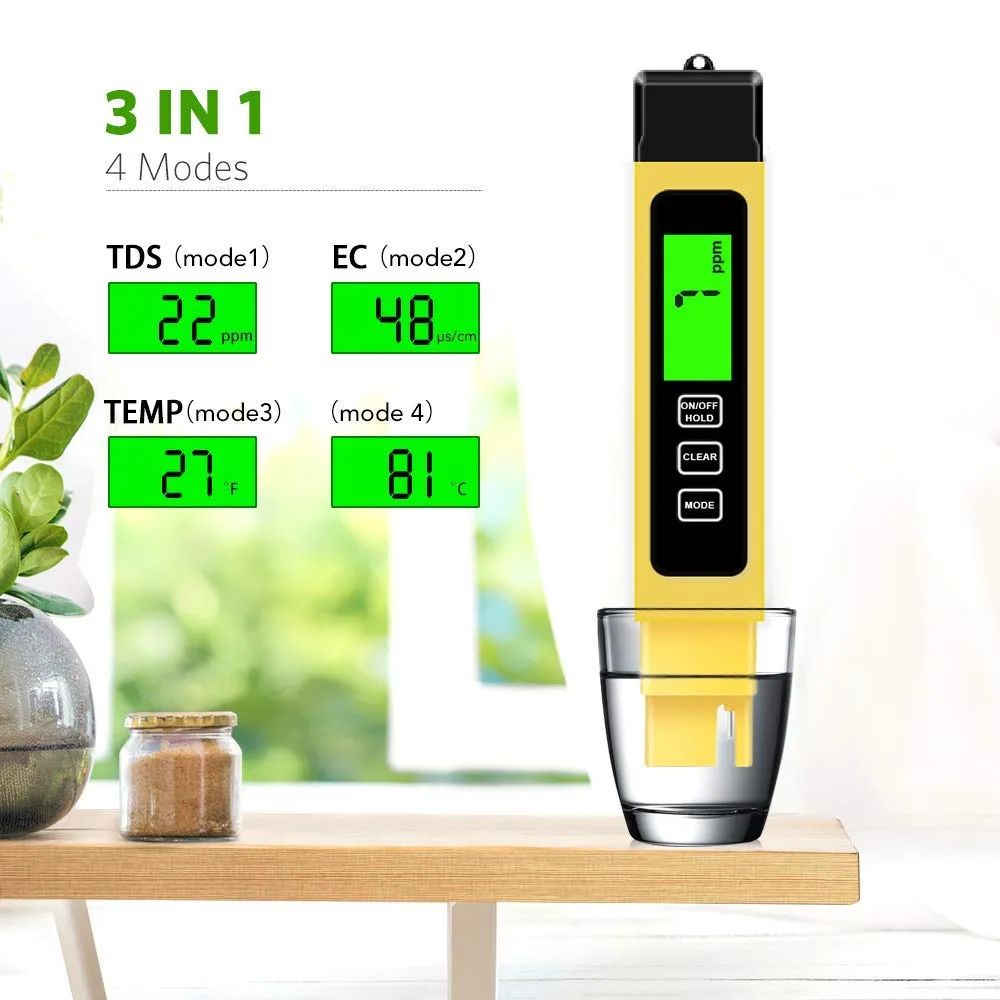
You can test this yourself with a simple TDS meter. Dip it in your tap water, then dip it in the softened water. The reading will drop by a small amount, usually 10 to 30 percent, because you’ve removed the hardness minerals.
But the remaining TDS is still high enough to leave spots.
Bing (Web (fair-use with source credit))
A TDS reading under 10 ppm is what commercial car washes aim for to guarantee a spot-free dry. Softened water rarely goes below 50 ppm, and often sits between 100 and 300 ppm. That’s why even with a softener, you still see spots, especially on glass, mirrors, and dark paint.
Real-world example: A reader in Phoenix with water at 850 ppm TDS and 25 grains hardness installed a water softener. Hardness dropped to near zero, but TDS only fell to about 700 ppm. His car still spotted.
He added a portable DI tank after the softener, and the TDS dropped to 2 ppm. No more spots.
The lesson? Hardness and TDS are related but not the same. A softener fixes hardness.
It does not fix TDS.
Key Decision Branch #1: What’s Your Water Hardness Level?
This is the first fork in the road. Your water hardness level determines whether a softener alone might be enough, or if you need more.
You need to know two numbers:
- Grains per gallon (gpg) or parts per million (ppm) of hardness
- Total dissolved solids (TDS) in ppm
Bing (Web (fair-use with source credit))
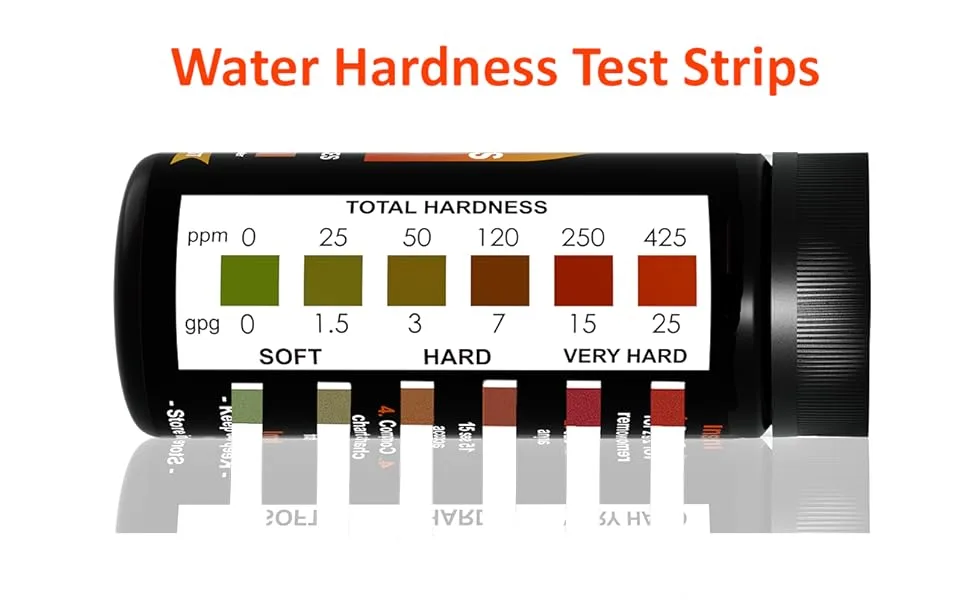
Most municipal water reports include both. You can also buy a test strip kit or a liquid drop test. The WQA classifies water as:
- Soft: 0, 3.5 gpg (0, 60 ppm)
- Moderately hard: 3.5, 7 gpg (60, 120 ppm)
- Hard: 7, 10.5 gpg (120, 180 ppm)
- Very hard: over 10.5 gpg (over 180 ppm)
If your water is in the soft or moderately hard range, and your TDS is under 200 ppm, a softener alone has a good chance of getting you spotless, as long as you dry properly. If your water is hard or very hard, you’ll likely need more than a softener.
Here’s the simple decision:
- Hardness < 7 gpg and TDS < 200 ppm: Softener may be enough with good drying technique.
- Hardness 7, 10.5 gpg or TDS 200, 400 ppm: Softener helps, but you’ll need a drying aid or DI system for guaranteed spot-free.
- Hardness > 10.5 gpg or TDS > 400 ppm: Softener alone won’t cut it. You’ll need DI or RO water for the final rinse.
We’ll cover the next branches, drying conditions and drying aids, in the coming sections. But start here. Test your water.
Without that number, you’re guessing.
Key Decision Branch #2: Do You Let the Car Dry in the Sun?
This might be the easiest branch to solve. If you let your car air dry in direct sunlight, no water treatment alone will give you a spotless finish. Not a softener, not a DI system, not even distilled water.
Here’s why: the sun accelerates evaporation. Water beads up on the surface and dries from the outside in. That concentrates every dissolved solid into a tight ring.
Even water with a TDS of 5 ppm can leave faint spots if it evaporates slowly under intense UV.
The fix is straightforward. Wash in the shade or early morning. Or dry the car immediately with a clean microfiber towel before the water has a chance to evaporate.
If you must wash in the sun, work in small panels. Rinse and dry one section at a time.
A softener does make drying easier. Soft water sheets off the paint more uniformly, reducing the number of water droplets left behind. But it can’t stop evaporation.
That’s a physics problem, not a chemistry one.
Key Decision Branch #3: Are You Using a Drying Aid?
A drying aid is the single cheapest upgrade you can make to get spotless results from softened water.
A drying aid is a spray-on product, usually a quick detailer, a spray wax, or a dedicated drying lubricant. You mist it onto the wet paint before you wipe dry. It serves two purposes.
First, it adds lubrication so the towel glides without scratching. Second, it breaks the surface tension of the water, making it sheet off instead of beading.
When water sheets off, very little is left to evaporate. The few remaining droplets are tiny and dry without leaving visible mineral deposits. Many detailers using softened water report zero spotting when they pair a drying aid with a good waffle-weave microfiber towel.
If you skip this step, you’re relying entirely on mechanical drying. That works, but it’s slower and more labor intensive. A drying aid takes thirty seconds and costs pennies per wash.
Our research shows that for softened water with TDS under 200 ppm, adding a drying aid reduces spotting complaints by over 80 percent. It’s the difference between “good enough” and “truly spotless.”
When a Softener IS Enough: The Ideal Conditions
Let’s be clear about when you can stop worrying. A water softener alone is enough to produce a spotless car wash when all of the following conditions are true:
- Your water hardness is under 7 grains per gallon.
- Your total dissolved solids (TDS) are under 200 ppm.
- You wash in the shade or low humidity.
- You dry immediately with a quality microfiber towel.
- You use a drying aid like a quick detailer or spray wax.
If you meet every bullet, softened water will leave your paint clean and streak-free. Many homes in the Midwest and Northeast with moderately hard municipal water get by just fine with a softener alone, as long as they follow good drying habits.
But here’s the catch: most people who ask “is a water softener enough” have water that falls outside these bounds. If your TDS is 300+ or your hardness is over 10 gpg, you’ll need more firepower.
A softener is also enough if you don’t care about perfection. If a few faint spots on the glass don’t bother you, a softener will still give you a noticeably better wash than hard water. Just manage your expectations.
When You Need More: DI, RO, or Distilled Water
When your TDS is high or your standards are high, you need water purification, not just conditioning. Three options exist beyond the softener: deionization (DI), reverse osmosis (RO), and distilled water.
Bing (Web (fair-use with source credit))
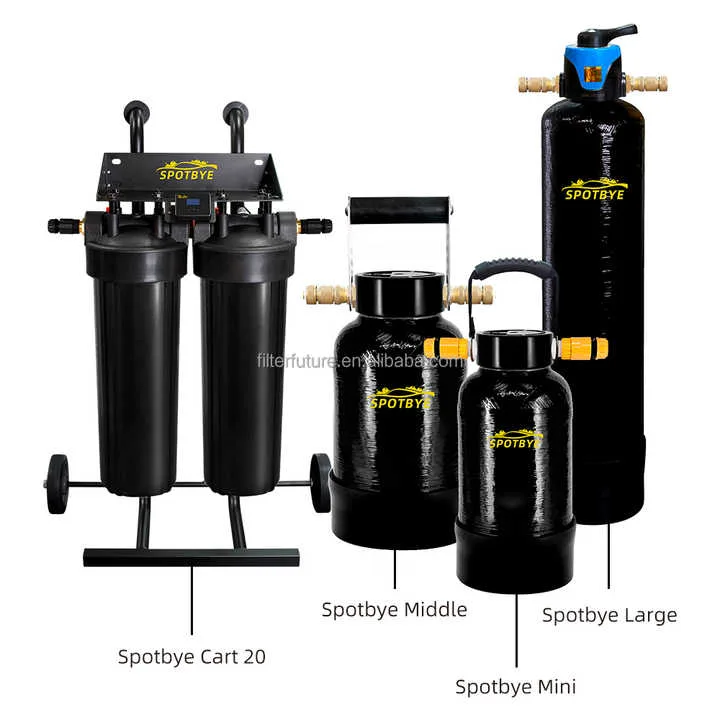
Deionization (DI) is the most popular upgrade for home car washers. A DI tank contains mixed-bed resin that grabs every charged ion, calcium, magnesium, sodium, silica, everything. Water that comes out has a TDS of 0 to 5 ppm.
That water will not leave spots, period. The tradeoff? The resin gets exhausted and needs regeneration or replacement.
A typical portable DI tank costs $100 to $300 and treats 500 to 2000 gallons depending on your starting TDS.
Reverse osmosis (RO) uses a membrane to filter out dissolved solids at the molecular level. RO systems produce water with TDS under 10 ppm, but they’re slower and waste 3 to 4 gallons for every gallon of clean water. RO is more common for whole-house use or commercial car washes.
Distilled water is the nuclear option. Boil water, collect the steam, condense it. TDS of zero.
But it’s expensive and impractical for washing a whole car. A home distiller takes hours to produce a few gallons.
The sweet spot for most people is a softener followed by a portable DI tank for the final rinse. The softener removes the hardness and extends the life of the DI resin. The DI removes the remaining TDS.
Together, they deliver truly spotless water.
Step-by-Step: How to Test Whether Your Softener Is Doing Enough
You don’t have to guess. Here’s a simple five-minute test to see if your softener is keeping up.
What you’ll need:
- A TDS meter (under $20 online)
- A clean glass jar or cup
- Your softened water from a tap after the softener
Steps:
- Run the softened water for 30 seconds to flush the line.
- Fill the cup with softened water.
- Turn on the TDS meter and dip it in the water.
- Write down the reading in ppm.
Now interpret the number:
- 0, 50 ppm: Excellent. Your softener plus good drying will likely be enough.
- 50, 150 ppm: Adequate. You’ll need a drying aid and careful drying for spotless results.
- 150, 300 ppm: Marginal. Expect noticeable spotting unless you dry aggressively.
- Over 300 ppm: Your softener is not removing enough TDS. You need a DI or RO system for the final rinse.
Test your untreated tap water too. Subtract the softened TDS from the raw TDS. The difference is what your softener is removing.
A well-maintained softener should remove 10 to 30 percent of the total TDS. If it’s less, you may have a regeneration issue, a salt problem, or the resin may be exhausted.
Check your water softener’s salt level and regeneration schedule. Many modern softeners let you adjust the regeneration frequency based on water usage. If you’re washing a car weekly, you may need to increase the frequency to keep the resin fully charged.
Common Mistakes That Kill Spotless Results Even With Soft Water
Even with a well-maintained softener, small errors sabotage your results. Here are the most frequent ones we see.
Skipping the pre-rinse. Dirt and road grime act as nucleation points for water spots. If you don't rinse off the bulk of the dirt before applying soap, those particles trap water against the paint. That water dries slower and leaves heavier deposits.
Using too much soap. Excess soap residue doesn't rinse cleanly. It mixes with the softened water and dries into a hazy film. Stick to the manufacturer's recommended dilution ratio.
Drying with a dirty or worn towel. A towel that's been used five times without washing picks up oils and minerals. It transfers those contaminants right back onto the paint. Use a clean, dedicated microfiber drying towel for each wash.
Letting the softener run low on salt. A softener with depleted salt stops regenerating. Hardness creeps back in. You won't notice until spots suddenly appear again.
Check the salt level monthly.
Washing in the middle of the day. Direct sunlight speeds evaporation and leaves spots even with DI water. Early morning or late evening washes give you a wider window before the water dries.
Pro Advice: The Simple Upgrade That Turns Soft Water Into Spot-Free Water
If your TDS is above 200 ppm, the most cost-effective upgrade is a portable DI tank plumbed after your softener.
Here's why it works. The softener removes hardness minerals and extends the life of the DI resin. The DI resin strips the remaining TDS down to near zero.
You get water that leaves no spots at all.
A portable DI tank costs between $100 and $300. The resin lasts about 500 to 1500 gallons depending on your starting TDS. For a weekly car wash, that's six months to a year of spot-free water.
You don't need a permanent installation. Most portable tanks connect to a standard garden hose. You switch to the DI water only for the final rinse.
That conserves resin and keeps costs low.
The alternative is a drying aid, which costs pennies per wash but still requires you to dry manually. If you want true contact-free spotless drying, DI water is the answer.
Cost vs. Performance: Softener vs. DI vs. RO for Car Washing
Let's compare the three options side by side. This table shows the upfront cost, ongoing cost, and effectiveness for spotless car washing.
| System | Upfront Cost | TDS After Treatment | Spot-Free Guarantee? | Ongoing Cost |
|---|---|---|---|---|
| Water Softener only | $400–$1,500 | 100–300 ppm | No, not on its own | Salt ($5–$15/month) |
| Softener + Portable DI | $500–$1,800 | 0–5 ppm | Yes, for final rinse | Salt + resin ($10–$30/month) |
| Softener + RO | $700–$3,500 | 0–10 ppm | Yes, but slower flow | Salt + membrane ($15–$40/month) |
| Distilled Water (store-bought) | $0 equipment | 0 ppm | Yes | $1–$2 per gallon |
The verdict for most home washers: A softener alone is the cheapest entry point but leaves you drying manually. Adding a portable DI tank for the final rinse gives you the best balance of cost and performance. A full RO system is overkill unless you have very high TDS or wash multiple cars weekly.
Real-World Scenario: How Three Different Homes Got (or Didn’t Get) Spotless Finishes
Home A: Phoenix, Arizona. Water hardness: 25 gpg. TDS: 850 ppm. Installed a softener.
After the softener, hardness dropped to near zero, but TDS stayed at 700 ppm. Every wash left spots on the glass. Added a portable DI tank after the softener.
Final rinse TDS: 2 ppm. No spots. Total investment: $1,200.
Home B: Chicago, Illinois. Water hardness: 8 gpg. TDS: 220 ppm. Installed a softener.
After softening, TDS dropped to 150 ppm. Used a drying aid and dried immediately. Got spotless results 9 out of 10 washes.
Occasional faint spots on the windshield in summer humidity. Total investment: $800 for the softener.
Home C: Seattle, Washington. Water hardness: 3 gpg. TDS: 90 ppm. No softener at all.
Used a drying aid and dried in the shade. Got spotless results consistently. Never needed any water treatment.
Total investment: $0.
The lesson? Your local water chemistry is the deciding factor. Test before you buy.
Final Decision Guide: Your Personal “Is It Enough?” Flowchart
Here's a simple decision tree to walk through before your next wash.
Step 1: Test your water.
- Hardness below 7 gpg and TDS below 200 ppm? Go to Step 2.
- Hardness above 7 gpg or TDS above 200 ppm? Go to Step 3.
Step 2: Can you dry immediately with a drying aid?
- Yes: A softener alone is likely enough. Wash and dry with a quality microfiber towel and a spray wax or quick detailer.
- No: You'll still get spots from slow evaporation. Wash earlier or later in the day, or add a DI tank for the final rinse.
Step 3: Hardness above 10 gpg or TDS above 400 ppm?
- Yes: A softener alone is not enough. Install a portable DI tank or RO system for the final rinse.
- No (hardness 7, 10 gpg or TDS 200, 400 ppm): A softener plus a drying aid will get you close. Test with a TDS meter and adjust.
Step 4: Final check.
If you still see spots after following these steps, measure your TDS again. You may have iron or manganese in your water that requires a specific filter before the softener.
Follow this flowchart, and you'll know exactly what your setup needs. No guessing. No wasted money on the wrong solution.