ByMax Lee
Kentucky Headlight & Taillight Laws Explained
Bing (Web (fair-use with source credit))
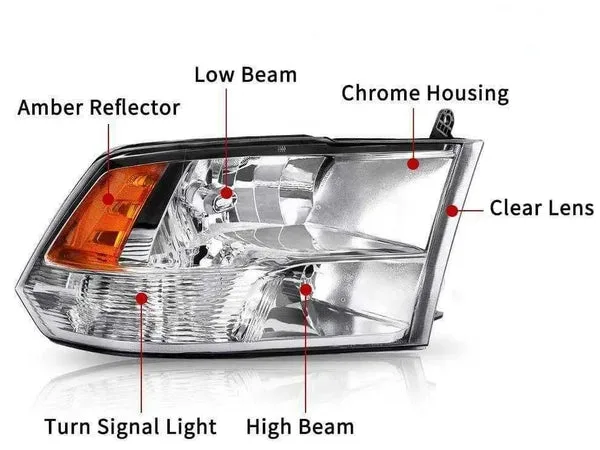
Kentucky headlight and taillight requirements exist to keep drivers visible and safe, especially at night or in bad weather. If your lights don’t meet state standards, you risk a ticket or even a failed inspection.
Per Kentucky Revised Statutes (KRS) Chapter 189, vehicles must have working headlights, taillights, and turn signals that meet specific brightness and color rules. Here’s what you need to know to stay legal.
Quick Answer
Kentucky requires two working headlights visible from 500 feet at night. Taillights must be red and visible from 500 feet behind. Turn signals must flash between 60 and 120 times per minute.
All lights must be DOT-compliant. Non-working or modified lights can lead to fines.
Core Kentucky Lighting Requirements (KRS 189)
Kentucky’s lighting laws are outlined in KRS Chapter 189, which covers motor vehicle equipment. These rules apply to all passenger vehicles, motorcycles, and commercial trucks operating on public roads.
Headlights must emit white or selective yellow light. They must illuminate the road ahead for at least 500 feet on low beam and 350 feet on high beam. Vehicles must use headlights from 30 minutes after sunset to 30 minutes before sunrise, as well as during rain, snow, or fog.
Taillights must be red and visible from 500 feet behind the vehicle. Brake lights must be brighter than taillights and activate when the brake pedal is pressed. Turn signals must be amber or red and flash at a rate of 60 to 120 times per minute.
License plate lights must be white and illuminate the entire plate from 50 feet away.
Headlight Rules: Color, Brightness, and When to Use Them
Bing (Web (fair-use with source credit))
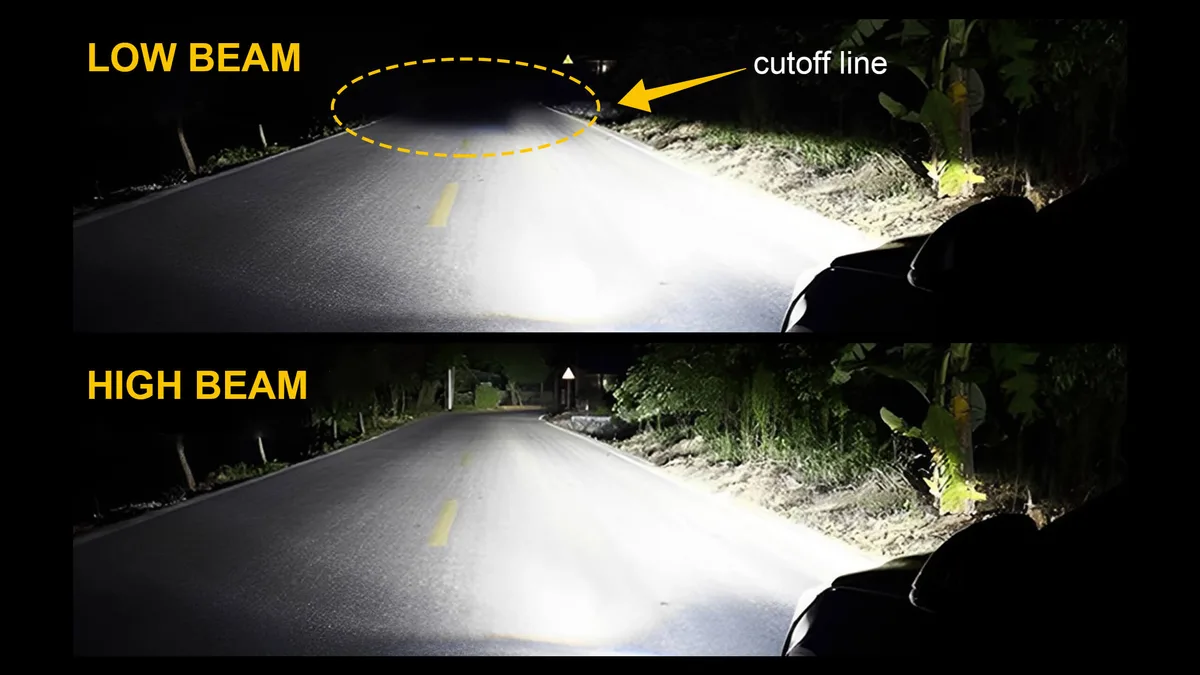
Headlights in Kentucky must be white or selective yellow. Blue, green, or other colored headlights are illegal unless they meet DOT standards for selective yellow. High-intensity discharge (HID) and LED headlights are allowed only if they are DOT-approved and properly aimed.
Brightness must meet Federal Motor Vehicle Safety Standard (FMVSS) No. 108. Low beams must light the road ahead for 500 feet, while high beams must reach 350 feet. Misaligned headlights can blind oncoming drivers and are a common cause of traffic stops.
Headlights must be used during low-visibility conditions, not just at night. This includes rain, snow, fog, or any other situation where visibility is reduced.
Taillight, Brake Light, and Turn Signal Requirements
Taillights must be red and visible from 500 feet behind the vehicle. They must activate whenever headlights are on. Brake lights must be brighter than taillights and must light up when the brake pedal is pressed.
Turn signals must be amber or red and must flash at a rate of 60 to 120 times per minute. They must be visible from 300 feet in both front and rear. If a turn signal fails, drivers must use hand signals as a temporary measure.
All rear lighting must be functional and unobstructed. Cracked lenses, burnt-out bulbs, or tinted covers can result in a citation.
Kentucky Vehicle Inspection: How Lights Are Checked
Bing (Web (fair-use with source credit))
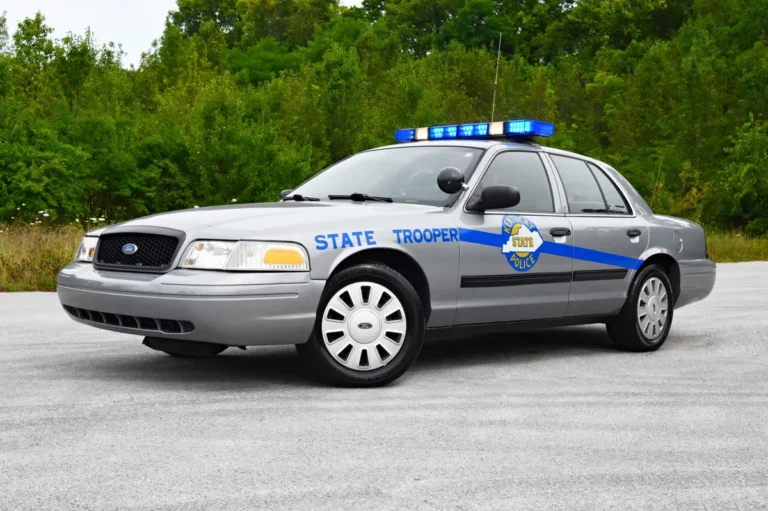
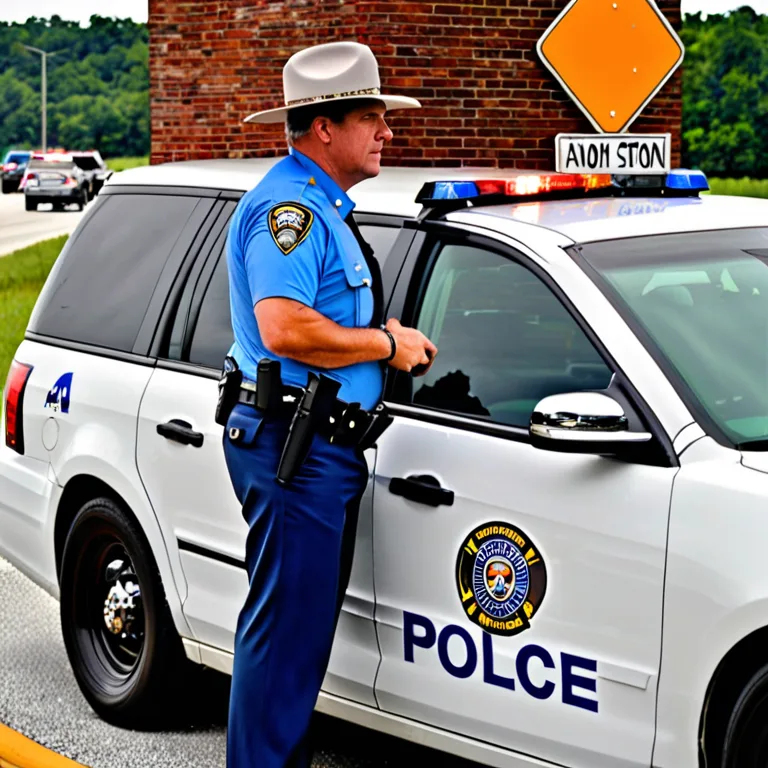
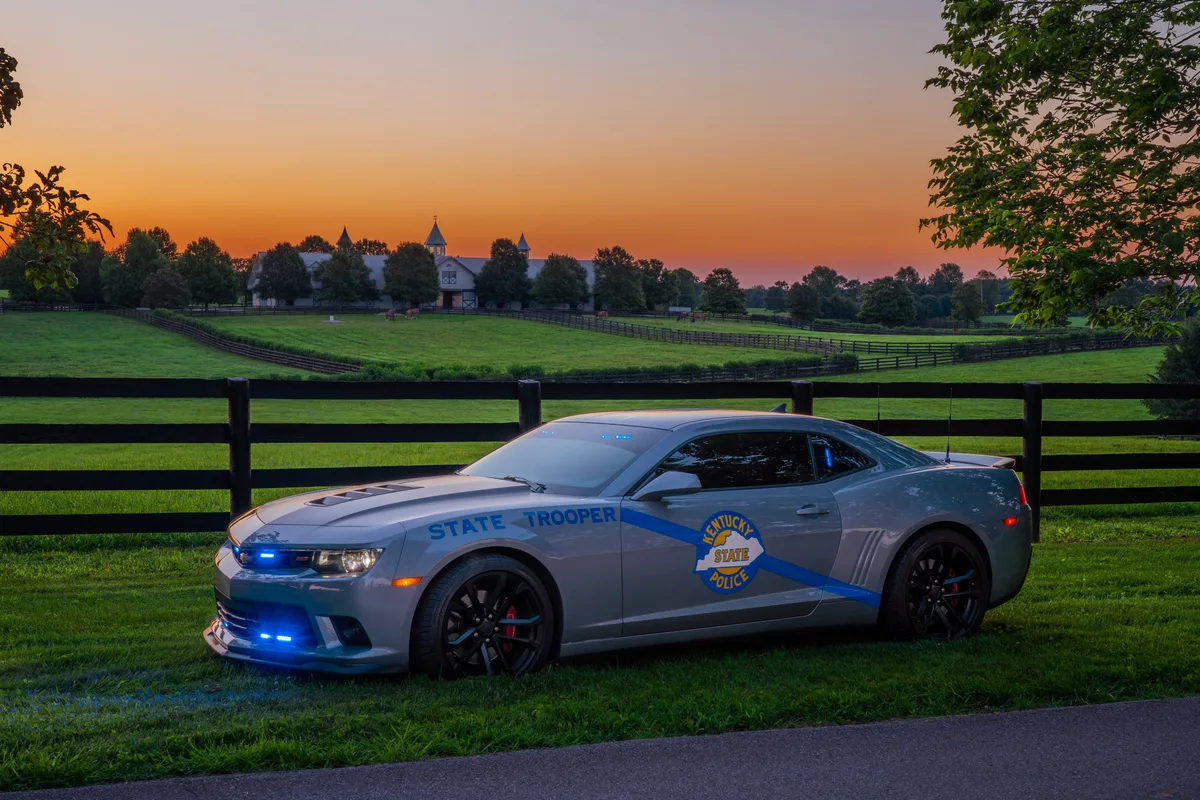
Kentucky requires periodic vehicle inspections to ensure compliance with lighting laws. These inspections are typically conducted by the Kentucky State Police or authorized inspection stations. During an inspection, officers check that all required lights are present, functional, and properly aligned.
The inspection process includes testing headlights, taillights, brake lights, turn signals, and license plate lights. Officers may also verify that headlights are aimed correctly to avoid blinding other drivers. Vehicles with non-compliant lighting will fail inspection and must be repaired before passing.
For more details on state-specific vehicle regulations, you can compare Kentucky’s rules with those in Florida’s equipment standards.
Aftermarket Lights: What’s Legal and What’s Not
LED and HID upgrades are popular but must comply with DOT standards. Non-DOT-approved bulbs, even if brighter, can fail inspections. Blue or colored headlights are illegal unless they meet selective yellow exemptions.
Aftermarket fog lights must be white or amber and mounted below headlight height. They cannot be used as a substitute for headlights. Any modification that reduces visibility or blinds other drivers violates Kentucky law.
Common Violations and How to Fix Them
A burnt-out bulb is the most common issue. Replacing it takes minutes and avoids fines. Misaligned headlights are another frequent problem, often caused by rough roads or improper installation.
If your turn signals flash too fast or too slow, check for a burnt-out bulb or faulty flasher relay. Dim taillights may indicate a wiring issue or corroded socket.
Fines and Penalties for Non-Compliant Lighting
Kentucky treats lighting violations as fix-it tickets. You’ll typically have a set period to repair the issue and show proof to a court or inspection station. Fines vary by county but usually range from $20 to $100.
Ignoring a citation can lead to higher penalties or points on your license. Commercial vehicles face stricter enforcement, with potential out-of-service orders for major violations.
Step-by-Step: How to Check and Adjust Your Lights
Bing (Web (fair-use with source credit))
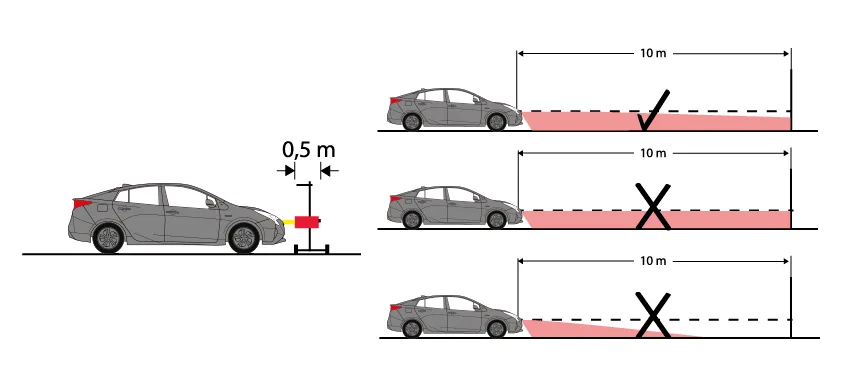
Park your vehicle on a level surface 25 feet from a wall. Turn on the low beams and mark the brightest spot on the wall with tape. The top of the brightest area should be at or slightly below headlight height.
Use the adjustment screws on top and side of the headlight housing to align the beam. For most vehicles, turning the screws clockwise raises the beam, while counterclockwise lowers it. Recheck after adjustments to ensure proper alignment.
Motorcycle and Commercial Vehicle Lighting Rules
Motorcycles must have at least one headlight and one taillight, both visible from 500 feet. Turn signals are required on models made after 1973. Brake lights must activate with both the front and rear brake controls.
Commercial vehicles over 80 inches wide need additional marker lights and reflectors. Trailers must have functioning taillights, brake lights, and turn signals that sync with the towing vehicle. Kentucky follows federal standards for commercial lighting, so interstate trucks must comply with both state and DOT regulations.
FAQs About Kentucky Headlight and Taillight Laws
Are LED headlights legal in Kentucky?
Yes, LED headlights are legal if they are DOT-approved and meet FMVSS No. 108 standards. Non-compliant LEDs can fail inspections.
Can I get pulled over for a burnt-out taillight in Kentucky?
Yes, a burnt-out taillight is a valid reason for a traffic stop. Officers can issue a fix-it ticket.
What color turn signals are legal in Kentucky?
Turn signals must be amber or red. White or blue signals are not permitted.
How high can headlights be mounted in Kentucky?
Headlights must be mounted between 24 and 54 inches from the ground. This ensures proper visibility without blinding other drivers.
Do I need to use headlights during rain in Kentucky?
Yes, headlights must be on whenever visibility is reduced, including during rain, snow, or fog.
What’s the fine for a headlight violation in Kentucky?
Fines typically range from $20 to $100, depending on the county. You’ll usually have time to fix the issue before paying.