ByMax Lee
Kentucky Window Tint Laws: What’s Legal?
Kentucky window tinting laws can save you from a fine or cost you one if you get them wrong. The rules are strict, and enforcement is real, so knowing the exact limits before tinting your windows is the smart move.
As of 2026, Kentucky requires front side windows to allow at least 35% light in, while rear windows can go darker. Get it wrong, and you risk a ticket, failed inspection, or even having to remove the tint.
Quick Answer
Kentucky window tinting laws set a 35% VLT minimum for front side windows.
Rear side and back windows must allow at least 18% light.
Windshields cannot have tint except for a 5-inch sunstrip at the top.
Reflective tint is limited to 25% reflectivity.
Medical exemptions allow darker tint with proper documentation.
Is Your Tint Legal in Kentucky? The Quick Answer
Bing (Web (fair-use with source credit))
If your car’s windows are tinted, Kentucky’s rules are clear. Front side windows must let in at least 35% of light, while rear windows can go as dark as 18%. Windshields are off-limits except for a small sunstrip at the top.
The state also restricts reflective tint to 25% and requires a certification sticker for aftermarket tint. Break these rules, and you’re looking at a fine or a failed inspection.
Why Kentucky’s Tint Laws Matter (And What Happens If You Get It Wrong)
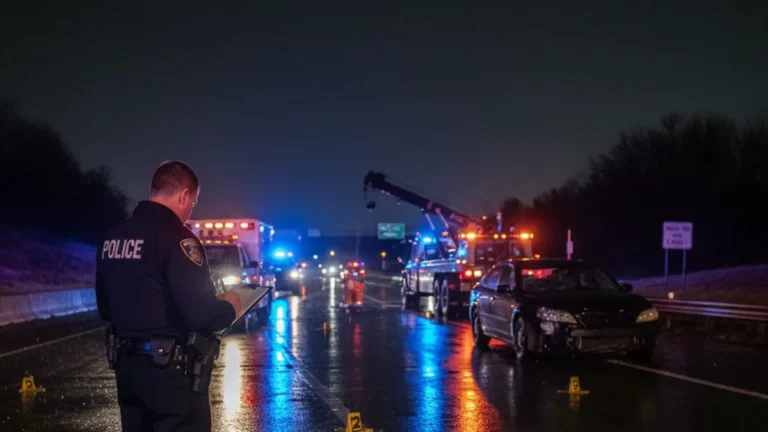
These laws exist for safety. Dark tint can block a driver’s view, especially at night or in bad weather. Police can pull you over if your tint looks too dark, and without the right documentation, you’ll pay the price.
A first offense fine is up to $25. Repeat violations can cost more. Worse, non-compliant tint can void your insurance if an accident happens.
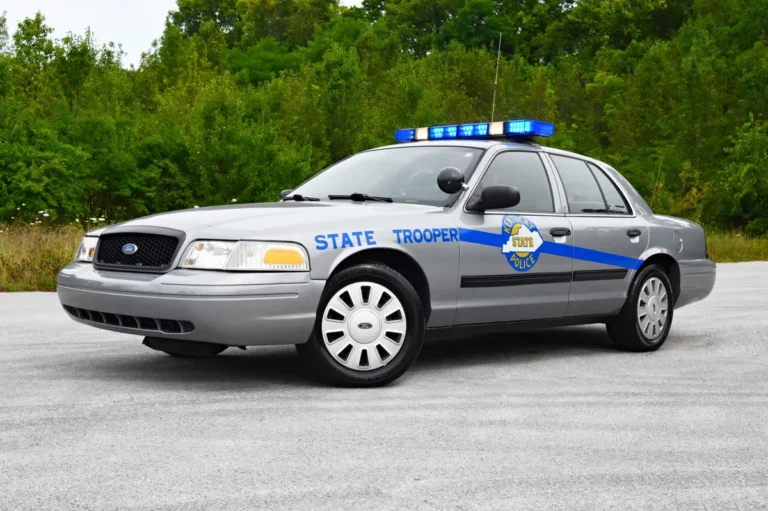
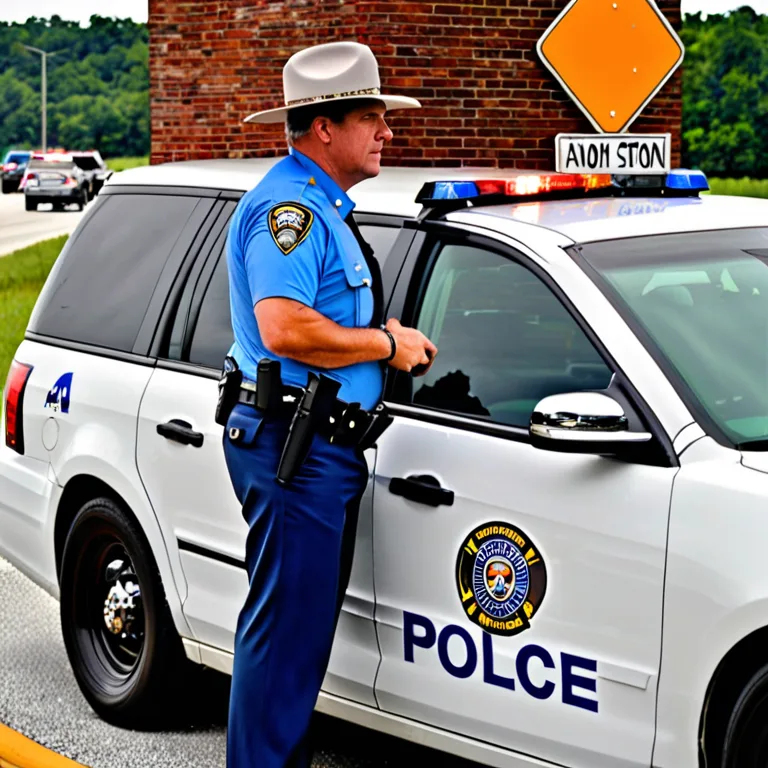
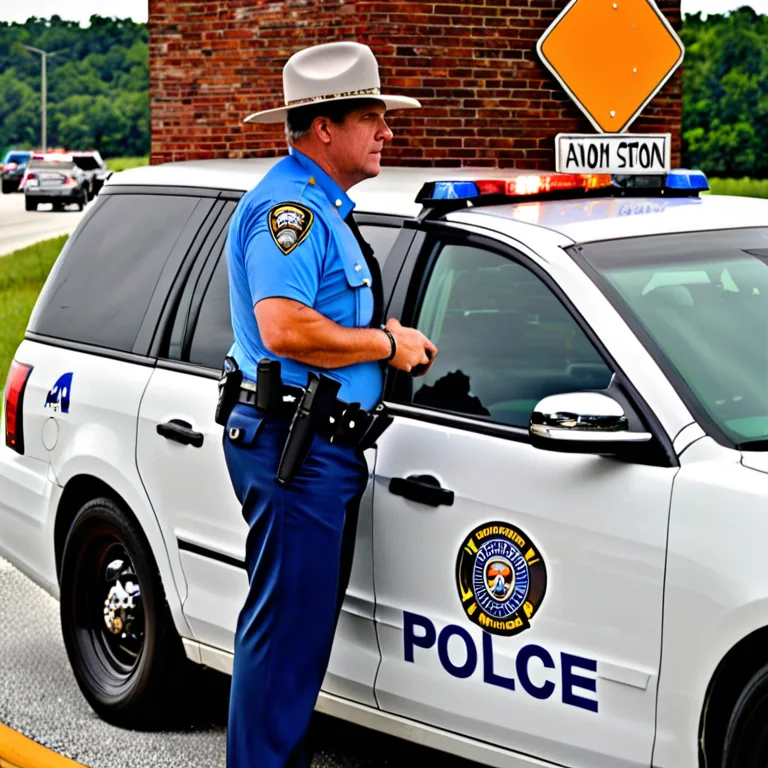
Kentucky State Police enforce these rules, and they don’t make exceptions for ignorance.
The Exact Legal Limits for Window Tint in Kentucky
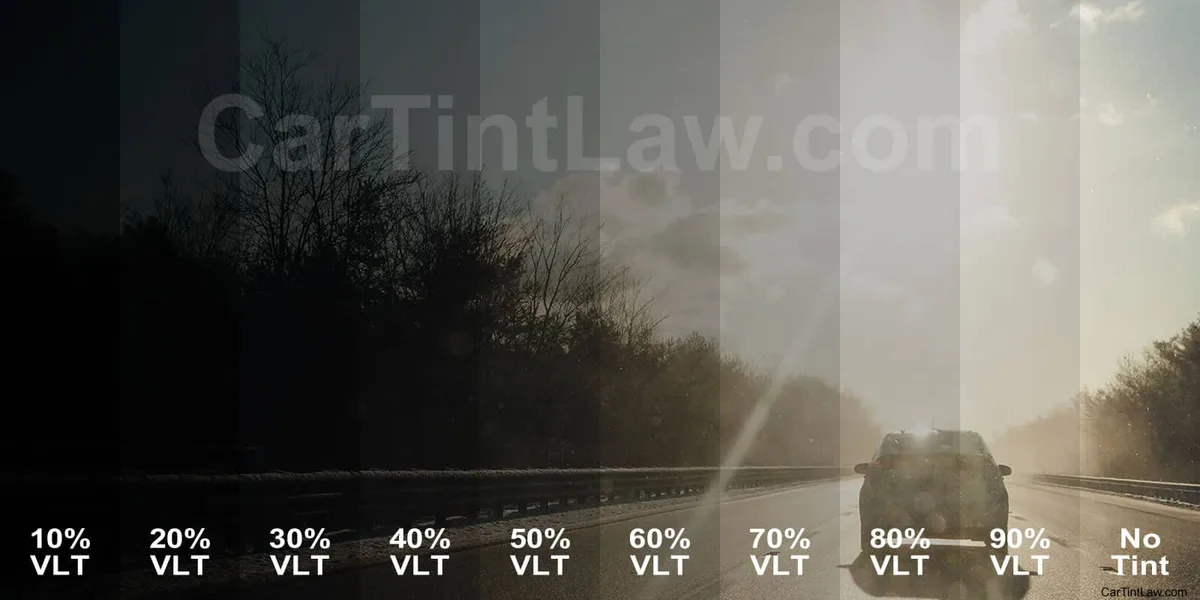
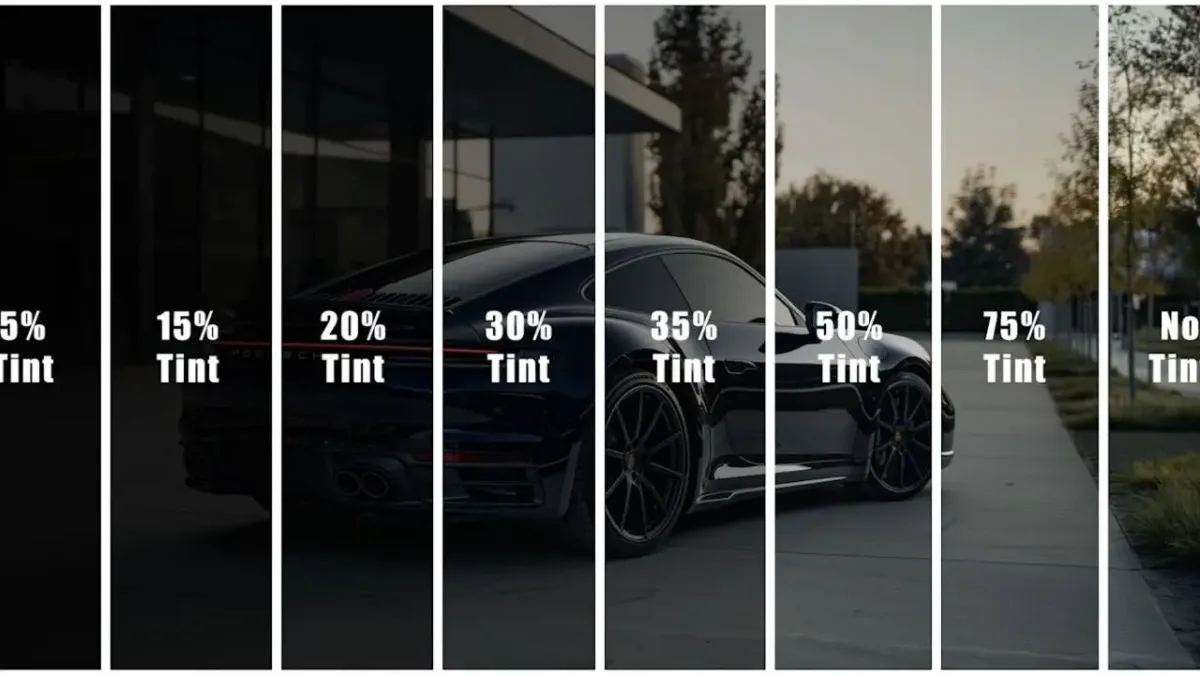
Kentucky’s window tint laws are defined by Visible Light Transmission (VLT), the percentage of light that passes through the tint. Here’s the breakdown:
| Window | Minimum VLT | Notes |
|---|---|---|
| Front side windows | 35% | Must allow 35%+ light in |
| Rear side windows | 18% | Can be darker than front |
| Rear window | 18% | Same as rear sides |
| Windshield | No tint | Except top 5-inch sunstrip (35%+) |
Bing (Web (fair-use with source credit))
Reflectivity is another key factor. Metallic or mirrored tint cannot exceed 25% reflectivity. This rule applies to all windows, including the windshield.
Factory-installed tint is usually compliant, but aftermarket tint must meet these standards. If you’re unsure, a VLT meter can measure your tint’s darkness.
Medical Exemptions: Who Qualifies and How to Get Approved
Kentucky allows darker tint for medical reasons, but you’ll need proof. Conditions like lupus, melanoma, or extreme photosensitivity may qualify. A licensed physician must provide a written statement explaining why you need the exemption.
Once approved, you can use tint as dark as 20% VLT on all windows except the windshield. However, you must carry the exemption documentation in your vehicle at all times. Without it, you’re still subject to fines.
The process starts with your doctor. They’ll need to submit a form to the Kentucky State Police for approval. Once approved, you’ll receive a certificate to keep in your car.
The Tint Certification Sticker—What It Is and Why You Need It
Aftermarket tint requires a certification sticker. This small, usually clear sticker is placed on the driver’s side window and proves your tint meets Kentucky’s standards.
Bing (Web (fair-use with source credit))
The sticker includes the installer’s information and the tint’s VLT percentage. Without it, your tint is considered non-compliant, even if it technically meets the legal limits.
If you install the tint yourself, you’ll need to get it certified by a professional. Many tint shops provide this sticker automatically, but always confirm before driving off.
How Kentucky Enforces Tint Laws (And How to Avoid a Fine)
Bing (Web (fair-use with source credit))
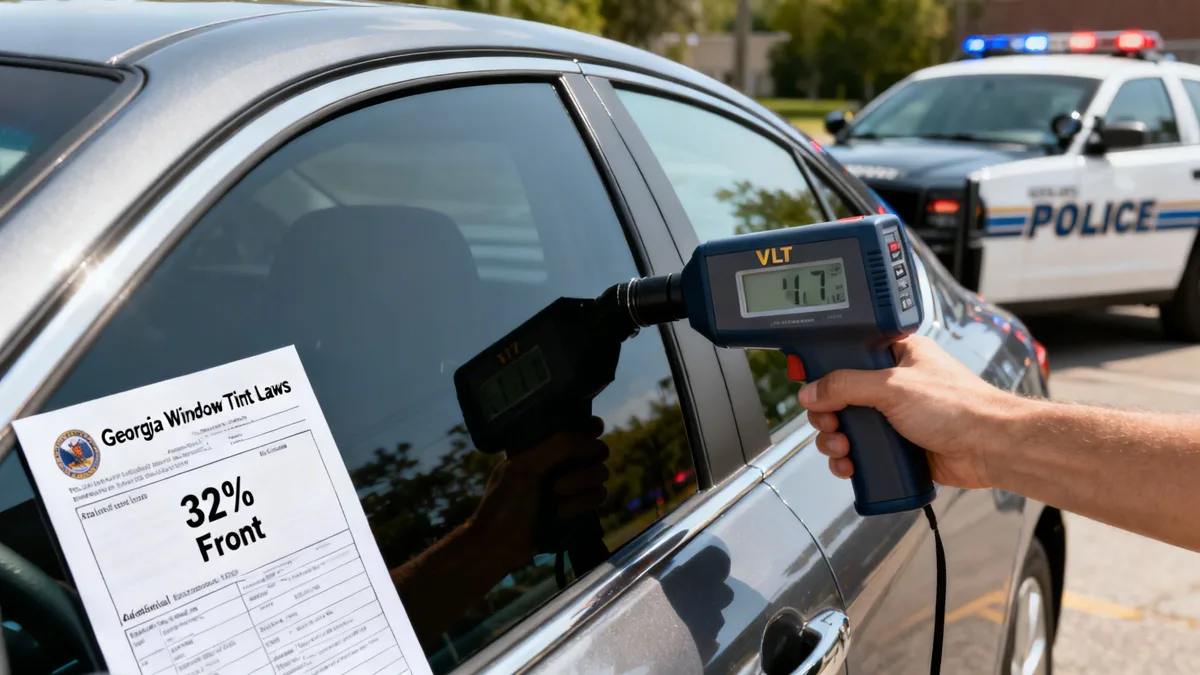
Kentucky State Police use VLT meters to check tint darkness during traffic stops and inspections. If your windows fail the test, you’ll get a citation and must fix the issue.
The fine for a first offense is up to $25. Repeat violations can lead to higher penalties. Officers won’t accept excuses like "I didn’t know" or "The shop said it was legal."
Inspections happen at state police checkpoints, during routine traffic stops, or at annual vehicle inspections. If your tint looks suspicious, expect a closer look.
Common Mistakes That Get Drivers Pulled Over
Assuming factory tint is always legal is a big mistake. Some vehicles come with darker-than-allowed tint, especially on rear windows. Always verify the VLT percentage.
Another error is ignoring the certification sticker. Even if your tint meets the legal limits, missing the sticker can still get you a fine.
Drivers also forget that windshield tint is almost entirely banned. Only a 5-inch sunstrip at the top is allowed, and it must let in at least 35% of light.
Out-of-State Vehicles: What You Need to Know
If you move to Kentucky, your vehicle must comply with state tint laws within 30 days. Out-of-state tint that’s legal where you came from might not meet Kentucky’s standards.
For example, some states allow 20% VLT on front side windows, but Kentucky requires 35%. If your tint is too dark, you’ll need to remove or replace it.
Temporary visitors don’t have to worry, but long-term residents must update their tint to avoid fines.
How to Check If Your Tint Is Legal
The easiest way is to use a VLT meter. These devices measure the percentage of light passing through your windows. You can buy one online or ask a tint shop to check for you.
If you don’t have a meter, compare your tint to a known legal standard. Many tint shops have sample sheets with different VLT percentages. Hold them up to your window to see how they match.
For a quick visual check, roll down your window slightly. If the tint looks significantly darker than the legal limit, it probably is.
Best Legal Tint Options for Kentucky Drivers
Ceramic tint is a top choice. It blocks UV rays and heat without being overly reflective, and it meets Kentucky’s VLT requirements.
Dyed tint is another good option. It’s affordable and provides basic UV protection, but it may fade over time.
Metallized tint offers high heat rejection but can exceed the 25% reflectivity limit. Always check the specs before installing.
For the darkest legal tint, go with 18% VLT on rear windows and 35% on front sides. This setup balances privacy and compliance.
DIY vs. Professional Tint: Which Is Safer?
DIY tint kits are cheaper but risk bubbles, peeling, or uneven application. A bad install can also fail the VLT test even if the film itself is legal.
Professional shops guarantee compliance and provide the certification sticker. They also use higher-quality films that last longer and block more UV rays.
If you go DIY, test a small section first. Measure the VLT afterward to confirm it meets Kentucky’s standards.
What to Do If Your Tint Fails Inspection
First, don’t argue with the inspector. If your tint is too dark or lacks the certification sticker, you’ll need to fix it.
The simplest solution is to remove the non-compliant tint. Some shops offer free removal if they installed it incorrectly.
If you believe the inspection was wrong, you can request a recheck. Bring your VLT meter or certification documents to prove compliance.
Kentucky Tint Laws FAQs
Is 20% tint legal in Kentucky?
No, 20% tint is too dark for front side windows. Kentucky requires at least 35% VLT on the front sides. Rear windows can go down to 18%.
Can I get pulled over just for dark tint?
Yes. Police can stop you if your tint looks too dark. They’ll use a VLT meter to confirm.
Without proof of compliance, you’ll get a fine.
Do I need a sticker for factory tint?
No. Factory-installed tint is exempt from the certification sticker requirement. Only aftermarket tint needs the sticker.
What’s the fine for illegal tint in Kentucky?
The first offense is up to $25. Repeat violations can lead to higher penalties. You may also have to remove the tint to pass inspection.
Can I tint my windshield in Kentucky?
No. Windshield tint is banned except for a 5-inch sunstrip at the top. This strip must allow at least 35% of light through.
How do I prove my tint is legal?
Carry your certification sticker and any medical exemption documents. If stopped, show these to the officer. A VLT meter test can also confirm compliance.