ByMax Lee
Kentucky License Plate Rules & Requirements
Kentucky license plate requirements can feel confusing, but they’re straightforward once you break them down. Whether you’re new to the state, bought a car, or just need a replacement, the rules depend on your situation. As of 2026, Kentucky requires all registered vehicles to display valid plates on both the front and rear.
The standard plate is free with registration, but specialty or personalized options add fees. Most passenger vehicles pay around $21 in state registration fees, plus county taxes.
Quick Answer
Kentucky requires two license plates for most vehicles. You must register in person at a county clerk’s office. Standard plates are issued at no extra cost.
Specialty or personalized plates add $10, $50.
Who Actually Needs Kentucky Plates (And Who Doesn’t)
You need Kentucky plates if you’re a resident and own a vehicle driven on public roads. This includes cars, trucks, motorcycles, and trailers over a certain weight. New residents have 15 days to register after establishing residency.
You don’t need Kentucky plates if your vehicle is:
- Stored and not driven (but you must still maintain registration)
- Registered in another state and only temporarily in Kentucky
- A farm vehicle used exclusively off public roads
Wikimedia Commons / Absecon 59
Standard vs. Specialty vs. Personalized Plates: Which One’s Right for You
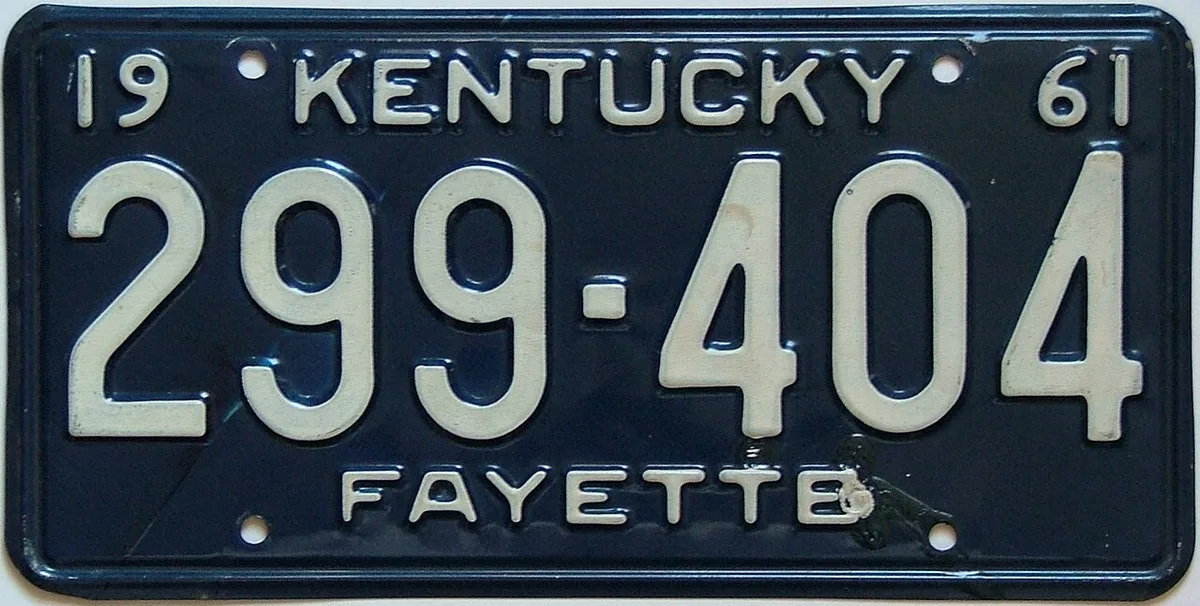
Standard plates are the default, free with registration. They follow Kentucky’s current design, usually blue and white with the state slogan.
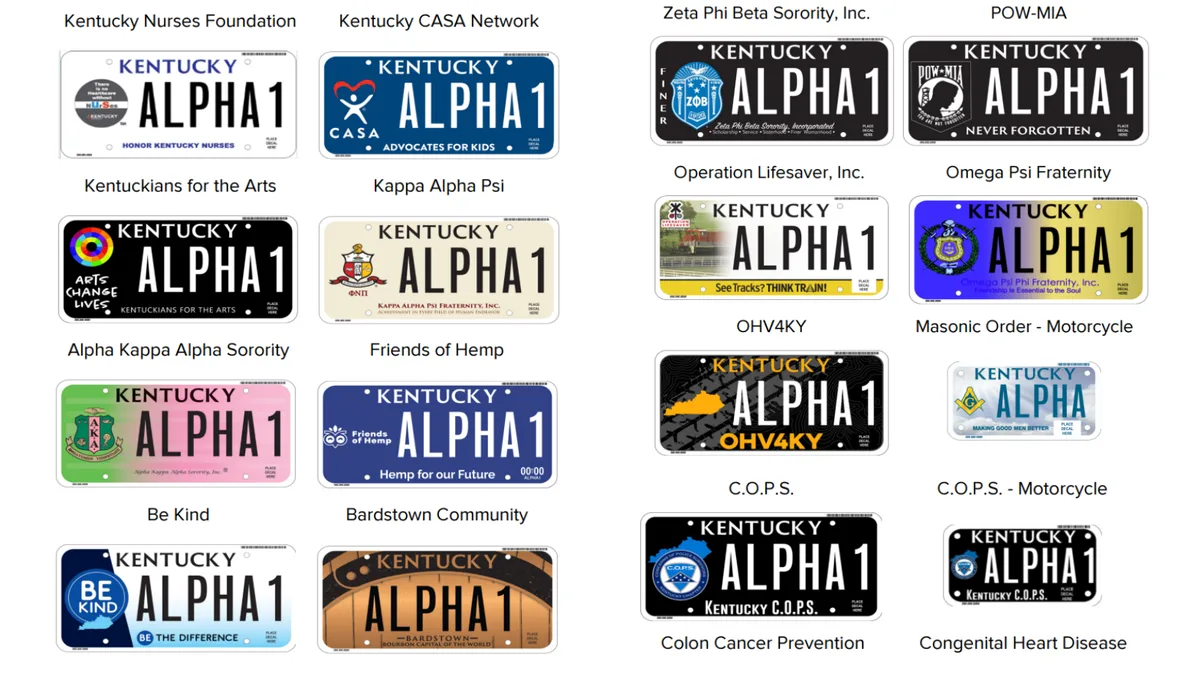
Specialty plates support causes or organizations. Examples include:
- College or university plates
- Wildlife conservation
- Military service
- Professional organizations
These cost extra, typically $10, $50, with a portion going to the supported cause. You’ll pay this fee annually when renewing registration.
Personalized plates let you choose your own combination of letters and numbers. Rules include:
- Up to 7 characters
- No offensive or misleading combinations
- Additional $25, $50 fee
Bing (Web (fair-use with source credit))
Step-by-Step: How to Get Kentucky License Plates
If You Just Bought a Car in Kentucky
The dealer usually handles plates and registration for new purchases. They’ll give you a temporary plate valid for 30, 90 days while your permanent plates are processed.
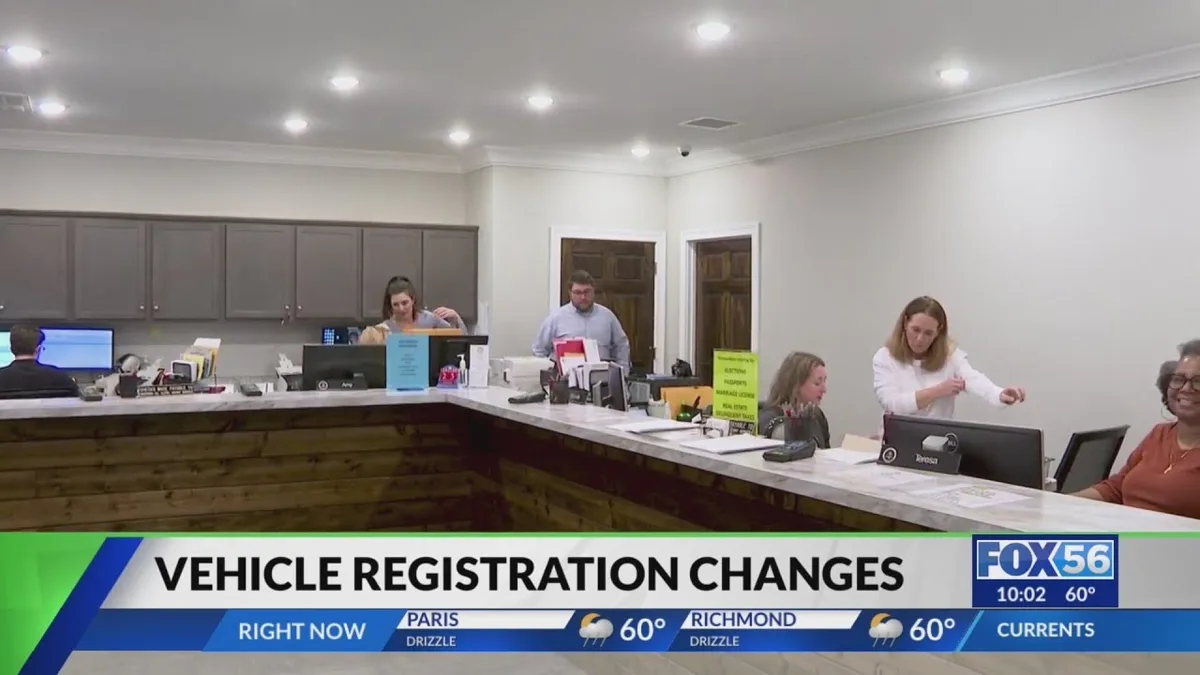
For private sales, visit your local county clerk with:
- Signed title from the seller
- Proof of insurance
- Completed Application for Certificate of Title/Registration (Form TC 96-182)
- Payment for fees
Bing (Web (fair-use with source credit))
If You Moved to Kentucky from Another State
You have 15 days to register your vehicle. Bring:
- Out-of-state title
- Proof of Kentucky insurance
- VIN inspection (if required by your county)
- Payment for fees
Some counties require an emissions test. As of 2026, this applies to Jefferson County and parts of Northern Kentucky.
If You Need a Replacement Plate
Lost, stolen, or damaged plates can be replaced at your county clerk’s office. You’ll need:
- Vehicle registration
- Proof of identity
- Payment for replacement fee (usually $5, $10)
Report stolen plates to the police to avoid liability for misuse.
Kentucky License Plate Costs (And Where the Money Goes)
| Plate Type | Fee | Notes |
|---|---|---|
| Standard | $0 | Included with registration |
| Specialty | $10–$50 | Annual fee, supports specific causes |
| Personalized | $25–$50 | One-time fee, plus annual renewal |
| Replacement | $5–$10 | Per plate |
Registration fees vary by vehicle type and weight. Passenger vehicles typically pay $21 in state fees, plus county taxes.
The Documents You’ll Need (No Exceptions)
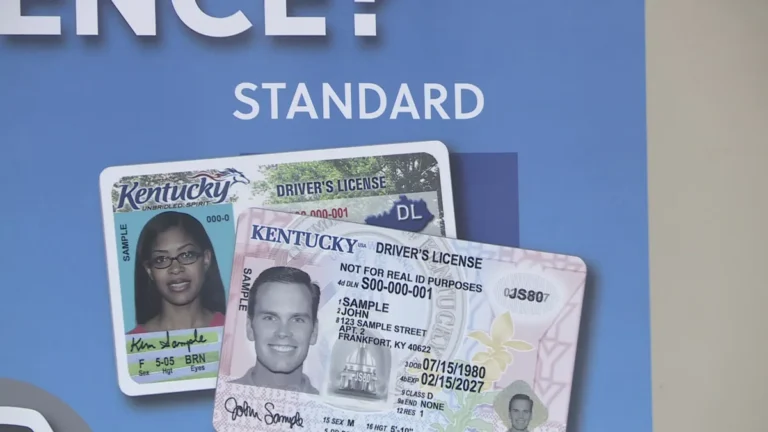
You must bring proof of identity, vehicle title, and Kentucky insurance to register. A driver’s license or state ID works for identity. The title must be signed over to you if the vehicle was purchased privately.
For new residents, an out-of-state title is acceptable. If your title is held by a lender, bring the lienholder’s information. Some counties also require a VIN inspection, which can often be done at the clerk’s office.
Common Mistakes That Delay Your Plates (And How to Avoid Them)
Missing documents are the top reason for registration delays. Double-check you have the title, insurance, and ID before visiting the clerk.
Another common issue is incorrect payment. Fees vary by county, so call ahead or check your county clerk’s website. Also, ensure your insurance meets Kentucky’s minimum liability requirements of 25/50/10.
Disability, Military, and Other Special Plates: The Rules
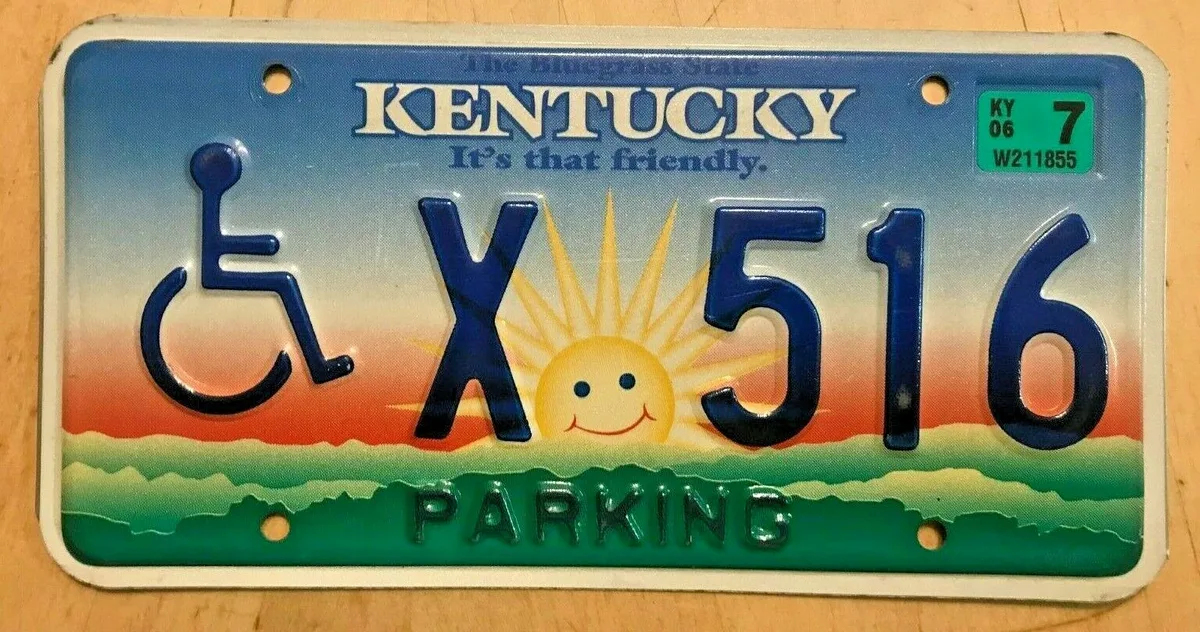
Disability plates are available to those with qualifying conditions. You’ll need a doctor’s certification on Form TC 96-21. These plates allow parking in designated disability spaces and are free of additional fees.
Military plates are available to veterans, active duty, and certain family members. You’ll need proof of service, such as a DD Form 214. Kentucky offers plates for all branches of the military, as well as POW and Purple Heart recipients.
Bing (Web (fair-use with source credit))
Other special plates include:
- Antique vehicle plates for cars over 25 years old
- Amateur radio operator plates
- Volunteer firefighter plates
Kentucky Plate Laws You Might Not Know (But Should)
Kentucky requires plates to be displayed on both the front and rear of most vehicles. The only exceptions are motorcycles and some trailers. Plates must be securely fastened and clearly visible.
It’s illegal to obscure your plate with a cover, frame, or any other object. This includes tinted covers that make the plate hard to read. You can face fines if your plates aren’t visible to law enforcement or toll cameras.
Also, you must surrender your old plates when you sell a vehicle or move out of state. This prevents misuse and ensures proper registration records.
Renewing or Updating Your Plates: The Easy Way
Kentucky registration renewals can often be done online, by mail, or in person. Online renewal is available for most passenger vehicles through the Kentucky Transportation Cabinet’s portal.
You’ll need your renewal notice, which includes your PIN and vehicle information. If you don’t have it, you can still renew online with your license plate number and VIN. Payment can be made by credit card, with a small convenience fee.
For address changes, update your information with the county clerk within 10 days. This ensures you receive renewal notices and other important updates. If you move to a different county, you’ll need to re-register your vehicle there.
Frequently Asked Questions
Do I need a front license plate in Kentucky?
Yes. Kentucky law requires plates on both the front and rear of most vehicles. Motorcycles and some trailers are exempt.
How long do temporary plates last in Kentucky?
Temporary plates are typically valid for 30 to 90 days. Dealers issue them for new purchases while permanent plates are processed.
Can I transfer my plates to a new car?
Yes, but you must visit the county clerk’s office. Bring your old plates, registration, and the new vehicle’s title. Fees may apply.
What happens if I don’t return my old plates?
You could face fines or delays in future registrations. Always surrender old plates when selling a vehicle or moving out of state.
How do I get a personalized plate?
Apply at your county clerk’s office or online through the Kentucky Transportation Cabinet. Choose a combination that meets the state’s guidelines.
Are there any restrictions on personalized plates?
Yes. Kentucky prohibits offensive, misleading, or obscene combinations. The clerk’s office will reject any that violate these rules.