ByMax Lee
Kentucky Minimum Liability Coverage Rules Explained
Kentucky minimum liability coverage rules catch a lot of drivers off guard. The state forces you to carry a specific mix of liability and no-fault protection, and skipping the details can cost you thousands. If you're registering a car in the Bluegrass State, you need to know the exact limits before you hit the road.
Per the Kentucky Motor Vehicle Reparations Act (KRS § 304.39), the baseline requirement sits at $25,000 per person for bodily injury. Our research shows many locals assume that's enough, but it rarely covers a serious crash.
Quick Answer
Kentucky minimum liability coverage rules require three core protections. Drivers must carry $25,000 bodily injury per person. The limit rises to $50,000 per accident.
Property damage coverage sits at $10,000. Personal injury protection of $10,000 is mandatory.
Kentucky Minimum Liability Coverage: What You Actually Need to Know
The minimum isn't a smart target. It's the legal floor. Kentucky law says you must prove financial responsibility before the DMV will hand over plates, and that proof comes from a qualifying insurance policy.
Our research across state law libraries shows Kentucky plays by its own book. The state mixes traditional liability with a no-fault layer called PIP. That structure surprises people who move from neighboring states.
You'll see the term "25/50/10" thrown around. That shorthand means $25K per injured person, $50K total per crash, and $10K for smashed property. It sounds like a lot until you price out a modern SUV.
PIP is the weird part. It pays your medical bills up to $10K no matter who caused the wreck. You can't sue the other driver for minor injuries unless bills pass a $1,000 threshold.
Why Kentucky’s Insurance Rules Are Different (And Riskier Than You Think)
Kentucky is a no-fault state with an opt-out quirk. You're automatically in the no-fault system unless you file a special rejection form with your insurer. Most drivers never bother, so PIP stays mandatory.
The uninsured driver rate here sits around 12 percent, higher than the national average. That means one in eight cars on the road may lack coverage. If you only carry the minimum, you're betting against those odds.
New resident rules in other states show the same pattern of shock when minimums fail. Kentucky gives you 30 days to register a vehicle after establishing residency. You must show proof of insurance that meets local limits before that deadline hits.
The state also makes uninsured motorist coverage optional. Many states force it, but Kentucky lets you skip it. That's a gap that can wreck your finances if an uninsured driver totals your car.
The Exact Minimum Coverage Kentucky Requires (And What Those Numbers Really Mean)
As of 2026, the numbers haven't budged since the Motor Vehicle Reparations Act took hold. The Kentucky Department of Insurance confirms the following statutory minimums for standard passenger vehicles.
| Coverage type | Minimum limit | What it pays for |
|---|---|---|
| Bodily injury liability | $25,000 per person / $50,000 per crash | Other people's medical costs if you cause a wreck |
| Property damage liability | $10,000 per crash | Repairs to other vehicles or structures you hit |
| Personal injury protection | $10,000 per person | Your own medical bills regardless of fault |
Bodily Injury Liability: $25K/$50K
This pays for injuries you cause to others. If you rear-end a family of four, the $50K pool splits among them. Serious trauma easily blows past that cap, leaving you personally liable.
Property Damage Liability: $10K
Ten thousand dollars sounds fine for a fender bender. It won't replace a totaled pickup or repair a guardrail. Anything above the limit comes out of your pocket.
Personal Injury Protection (PIP): $10K (Kentucky’s "No-Fault" Twist)
PIP covers your ER visit, ambulance, and initial treatment up to ten grand. It does not pay lost wages or pain and suffering. You must cross the $1,000 medical threshold to step outside the no-fault system and sue.
What Happens If You Only Carry the Minimum?
The minimum keeps you legal, but it doesn't keep you safe from ruin. A single bad day can exceed every limit on your policy. Then the other party's lawyer looks at your savings.
The $10K Property Damage Trap (And Why It’s Not Enough)
Picture this. You slide on black ice and slam a brand-new Tesla. The repair bill hits $22,000.
Your policy pays ten grand, and you owe the rest.
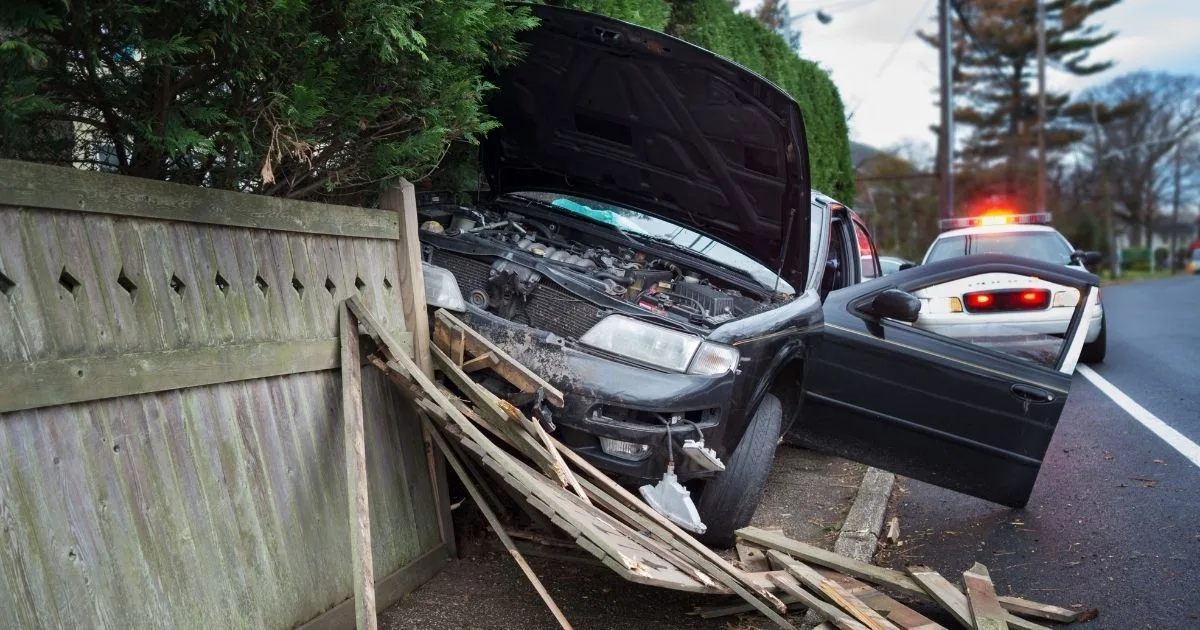
That gap is why we call it a trap. Kentucky's rural roads see plenty of deer strikes and weather crashes. A $10K cap vanishes fast when bumpers and sensors cost thousands each.
When $25K/$50K Bodily Injury Leaves You Exposed
A broken leg with surgery can run $40,000 in hospital bills. If you're at fault, your $25K per-person limit stops there. The injured friend or stranger can sue you for the balance.
How Kentucky’s No-Fault System Limits Your Right to Sue
You can't just file a lawsuit for a sore neck. The law blocks minor claims unless medical costs exceed $1,000 or injuries are permanent.
The Hidden Costs of Skimping on Coverage
Cheap premiums feel great until a lapse triggers penalties. Kentucky tracks insurance through the Kentucky Insurance Identification Database. Miss a payment and the state sends a letter fast.
SR-22 Insurance: The 3-Year Penalty for Letting Coverage Lapse
Let your policy cancel and you may need an SR-22 filing. That's a state-required form proving you carry coverage, and it sticks for three years. Insurers charge two to three times normal rates for that certificate.

The SR-22 process ties into online renewal systems in other states where a lapse freezes your registration. Kentucky suspends your license after 90 days of no insurance. Reinstatement costs extra on top of the SR-22 premium.
What Uninsured Drivers in Kentucky Could Cost You
Remember that 12 percent uninsured rate. If one of them hits you, your $10K PIP pays your bills. Without optional UM/UIM, you absorb the rest if their assets are zero.
The Real Price of a Lawsuit (And How Minimum Coverage Falls Short)
A plaintiff's attorney will target your home and wages once policy limits exhaust. Minimum coverage is a band-aid on a compound fracture.
Who Really Needs Just the Minimum (And Who Should Pay More)
The minimum works for a narrow group. If you drive a beater worth less than $5,000 and have zero assets, the legal floor might be enough. You’re betting that no one sues you for more than your policy covers.
Homeowners or anyone with savings should think twice. A lawsuit can attach to your house or bank accounts.
Good Candidates for Minimum Coverage
- Drivers with old cars and no loans
- People with minimal savings or assets
- Those who rarely drive or only use the car for short trips
When You Should Absolutely Buy More Than the Minimum
- You own a home or have significant savings
- You drive a newer or high-value vehicle
- You frequently commute or drive in high-traffic areas
The Lease/Loan Loophole: Why Lenders Demand Higher Limits
Financed cars require collision and comprehensive coverage. Lenders won’t accept state minimums because they protect their investment, not yours.
How to Get Compliant (And Avoid the DMV Headache)
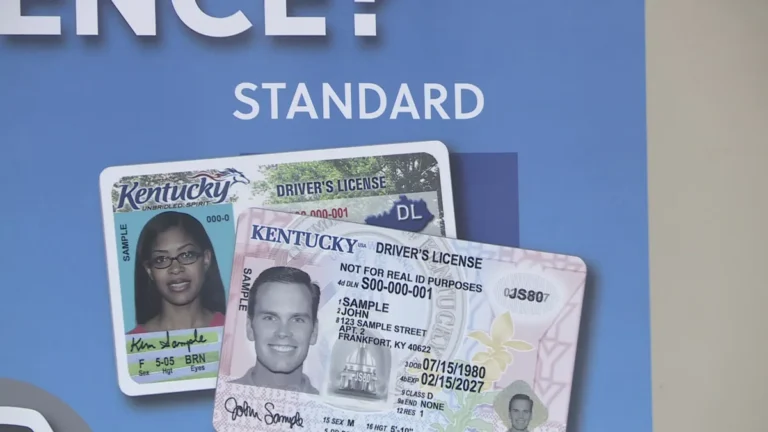
Kentucky’s DMV won’t register your car without proof of insurance. You’ll need to show a valid policy that meets the state’s minimums before getting plates.
Step 1: Find a Licensed Kentucky Insurer (And Avoid Scams)
Not all insurers operate in Kentucky. Stick with companies licensed by the Kentucky Department of Insurance. Avoid fly-by-night providers offering suspiciously cheap rates.
Step 2: Provide the Right Info (VIN, Driver Details, Coverage Selections)
You’ll need your vehicle’s VIN, driver’s license, and social security number. Be honest about your driving history.
Step 3: Get Your Proof of Insurance (Digital or Paper)
Kentucky accepts digital proof on your phone. Print a copy for your glovebox as a backup.
Step 4: Register Your Vehicle (And Keep Your Plates)
Bring your insurance proof to the county clerk’s office. You’ll pay registration fees and get your plates.
What to Do After an Accident (Kentucky-Specific Steps)
Kentucky’s no-fault system changes the claims process. You’ll start with your own insurer, regardless of who caused the crash.
If You’re At Fault: How Liability Coverage Kicks In
Your liability coverage pays for the other party’s damages. If their bills exceed your limits, they can sue you for the difference.
If the Other Driver Is Uninsured: Why UM/UIM Matters
Without uninsured motorist coverage, you’re on the hook for your own repairs. UM/UIM fills the gap when the at-fault driver has no insurance.
The No-Fault Claim Process (And When You Can Sue)
File a claim with your insurer for PIP benefits. If your medical bills exceed $1,000 or you suffer a serious injury, you can step outside the no-fault system and sue the at-fault driver.
Common Mistakes That Void Your Coverage (Or Worse)
Small oversights can leave you unprotected. Kentucky’s rules are strict, and insurers look for reasons to deny claims.
Letting Your Policy Lapse (Even for a Day)
A single missed payment can trigger a lapse. Kentucky’s KIID system flags uninsured vehicles quickly.
Lying on Your Application (And How Insurers Catch You)
Misrepresenting your driving history or vehicle usage is fraud. Insurers verify details during claims.
Assuming PIP Covers Everything (It Doesn’t)
PIP only covers medical expenses up to $10,000. It doesn’t pay for lost wages, pain and suffering, or vehicle repairs.
Forgetting to Update Your Policy After Moving or Buying a Car
Kentucky requires you to update your insurance when you move or buy a new vehicle. Failing to do so can leave you uninsured.
How Much Kentucky Minimum Coverage Actually Costs
Prices vary by insurer, driving history, and location. But minimum coverage is generally affordable.
| Coverage type | Average annual cost |
|---|---|
| Minimum liability | $500–$800 |
| Full coverage | $1,200–$1,800 |
Why SR-22 Insurance Costs 2–3x More
SR-22 is a high-risk designation. Insurers charge more because you’ve proven you’re a liability.
Cheapest (and Most Reliable) Insurers in Kentucky
Kentucky Farm Bureau often offers competitive rates for rural drivers. State Farm, GEICO, and Progressive are popular in urban areas.
The Smart Way to Upgrade Your Coverage (Without Overpaying)
Higher limits cost more but save you from financial disaster. The jump from minimum to $50K/$100K/$25K often adds just $10, $20 monthly.
When to Add UM/UIM (And How Much)
Uninsured motorist coverage matches your liability limits. If you carry $50K/$100K, UM/UIM does the same.
Collision vs. Comprehensive: Do You Need It?
Collision covers crashes with other cars or objects. Comprehensive handles theft, fire, or deer strikes. Both are optional but required if you finance your car.
How to Compare Quotes Without Getting Ripped Off
Get at least three quotes. Compare the same coverage levels. Look for discounts like safe driver or multi-policy bundles.
Kentucky’s Legal Penalties for Driving Uninsured
Kentucky doesn’t mess around with uninsured drivers. The penalties escalate fast and hit your wallet hard.
First Offense: Fines, Suspensions, and SR-22
A first offense brings a $500 to $1,000 fine. Your license gets suspended for 90 days. You’ll need an SR-22 to reinstate it.
Second Offense: What Happens If You Get Caught Again
The fine doubles to $1,000. Your license suspension stretches to a full year.
Insurance Fraud: The Felony You Didn’t Know You Could Commit
Faking insurance documents is a Class D felony. You could face 1 to 5 years in prison.
Real-Life Scenarios (And What They Teach Us)
Scenario 1: The $10K Fender Bender That Bankrupted a Driver
A driver with minimum coverage hit a luxury SUV. The repair bill was $22,000. His $10K property damage limit left him owing $12,000 out of pocket.
Scenario 2: The Uninsured Driver Who Totaled a $40K SUV
An uninsured motorist crashed into a financed SUV. The owner had no UM/UIM coverage. He was stuck paying off a $40,000 loan for a totaled car.
Scenario 3: The SR-22 Nightmare After a Simple Traffic Stop
A driver let his policy lapse for one day. A routine traffic stop revealed no insurance. He paid $1,500 in fines and $3,000 annually for SR-22 coverage for three years.
FAQs: Kentucky Minimum Coverage Questions Answered
Does Kentucky require uninsured motorist coverage?
No. Kentucky makes UM/UIM optional. But with 12 percent of drivers uninsured, it’s a smart add-on.
Can I drop PIP if I have health insurance?
No. Kentucky law requires $10,000 in PIP regardless of other health coverage.
What if I’m in an accident with someone who has no insurance?
Your UM/UIM coverage kicks in if you have it. Without it, you’re responsible for your own damages.
How long do I need SR-22 insurance in Kentucky?
You must maintain SR-22 coverage for three years from the date of your first offense. Any lapse resets the clock.
Can I get insurance with a suspended license?
Yes, but it’s tricky. You’ll need to find an insurer willing to cover high-risk drivers. Expect higher premiums.